Quick Answer:
What is Gum Recession Around Canine Teeth?
Gum recession around canine teeth happens when the gumline slowly pulls back, exposing more of the tooth (and sometimes the root). Because canines take on a lot of pressure when you bite and guide your bite as your jaw moves, recession here can lead to sensitivity, tenderness, and a higher chance of plaque collecting along the gumline. The good news is that early action such as gentler brushing, good daily cleaning, and a dental check-up, can often help stop it getting worse.
Gum recession around canine teeth happens when the gum tissue surrounding these pointed teeth begins to pull back, exposing more of the tooth or root surface. Because canine teeth help guide your bite and absorb pressure while chewing, recession in this area can lead to sensitivity, discomfort, and increased risk of gum damage if left untreated. In this article, we’ll explain what causes gum recession around canine teeth, the symptoms to watch for, available treatment options, and how to help prevent further recession.
What is gum recession?
Gum recession is the gradual pulling back or wearing away of gum tissue around the teeth, exposing more of the tooth surface or root. As more of the tooth or root becomes exposed, you may notice sensitivity, irritation, or a higher risk of plaque buildup near the gumline. According to the NHS, gum recession is often linked to plaque accumulation, gum disease, or brushing habits that irritate the gums. Catching the problem early can help prevent further damage and keep your mouth healthier and more comfortable.
Healthy Gums vs Receding Gums
Feature | Healthy Gums | Receding Gums |
|---|
Gum position | Cover and protect the tooth root | Pull away from the tooth, exposing more of the tooth or root |
Sensitivity | Usually minimal | May increase sensitivity to hot, cold, or sweet foods |
Plaque accumulation | Easier to keep clean | Exposed areas may trap plaque more easily |
Risk to oral health | Helps support and protect teeth | Increases the risk of root damage, decay, and gum disease |
Why are canine teeth important?
Human canine teeth are important because they help tear food, guide your bite alignment, and absorb pressure when chewing. Canine teeth are the pointed teeth located between the incisors and premolars. Because they absorb significant pressure during biting and grinding, the gums surrounding these teeth can sometimes become vulnerable to irritation or recession. A study published in the National Center for Biotechnology Information highlights that properly aligned canine teeth reduce stress on other teeth during biting. If gum tissue recedes around the canines, it may affect both comfort and appearance.
What causes gum recession around canine teeth?
Gum recession around canine teeth is commonly caused by excessive pressure on the gums, plaque buildup, gum disease, or habits that irritate the gum tissue over time.
Aggressive brushing
Aggressive brushing can contribute to gum recession by placing repeated pressure on delicate gum tissue around the canine teeth. The area around the canines may be especially sensitive to repeated pressure from forceful brushing.
Poor oral hygiene
When plaque is not removed effectively, it can harden into tartar and irritate the gums. Plaque is a soft, sticky film of bacteria that naturally forms on teeth. Over time, this irritation may lead to inflammation and gum tissue loss. Tartar (also called calculus) is hardened plaque that cannot usually be removed by brushing alone and often requires professional cleaning.
Teeth misalignment
Teeth that are unevenly aligned can place excess pressure on certain areas of the mouth. If the bite places additional stress on the canines, the surrounding gums may gradually pull back.
Grinding and clenching
Teeth grinding, also known as bruxism, places repeated force on the teeth and gums. Since the canines often absorb part of this pressure, the surrounding tissue may become strained over time.
Smoking and tobacco use
Smoking affects blood flow to the gums and can slow healing. Tobacco use also increases the risk of gum disease, which may worsen recession.
Gum disease
Gum disease is an infection and inflammation of the tissues that support the teeth. It develops when bacteria and plaque build up around the gumline. As inflammation progresses, the tissues supporting the teeth can weaken, causing the gums to recede. A study referenced by the NHS underscores how untreated gum disease can lead to tooth loss over time, making early intervention crucial.
Symptoms of gum recession around canine teeth
Symptoms of gum recession around canine teeth often include tooth sensitivity, visible roots, tender gums, and teeth appearing longer than usual.
Common signs include:
Teeth appearing longer than usual
Visible tooth roots near the gumline
Increased sensitivity to hot, cold, or sweet foods
Tender or bleeding gums during brushing
Persistent bad breath linked to gum inflammation
If you notice pain, swelling, or rapid changes in your gumline, it’s best to book a dental appointment for professional advice
How to treat and manage gum recession?
Gum recession around canine teeth is typically treated through professional cleaning, improved oral hygiene, antibacterial treatments, or gum grafting procedures in more advanced cases.
A healthy mouth depends on both effective plaque removal and healthy gums. In a 2026 independent network meta-analysis, researchers compared multiple manual and powered toothbrush technologies across 19 clinical studies. Oscillation rotation, the cleaning technology behind Oral-B iO achieved the highest ranking for both plaque and gingivitis reduction, making it the top-ranked technology in the analysis.
Professional dental cleaning
Deep cleaning treatments such as scaling and root planing remove plaque and tartar from below the gumline. This helps reduce inflammation and supports healthier gum attachment around the teeth.
Antibacterial treatment
Antibacterial mouthwashes or topical gels may help control bacteria associated with gum irritation. Your dentist may recommend products designed to support gum health and reduce inflammation.
Orthodontic treatment
If bite pressure or tooth positioning is contributing to the problem, braces or aligners may help improve alignment and reduce strain on vulnerable gum areas.
Gum grafting Surgery
For more advanced recession, a gum graft may be recommended. This procedure replaces lost tissue and helps protect exposed tooth roots from further damage.
How to prevent gum recession around canine teeth?
Preventing gum recession around canine teeth involves maintaining gentle oral hygiene habits, reducing pressure on the gums, and attending regular dental checkups.
Daily oral care tips
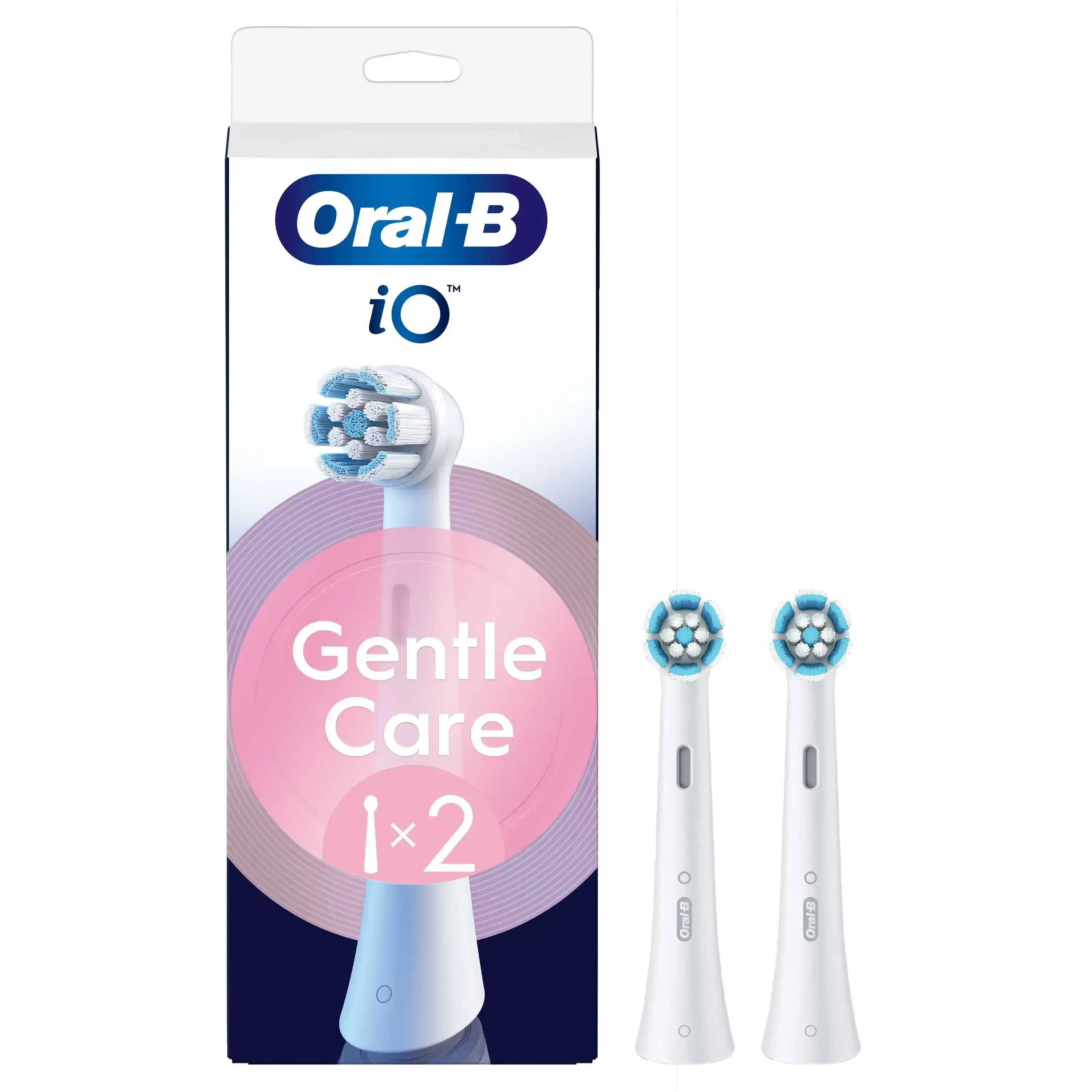
Brush using light pressure and small circular motions rather than scrubbing aggressively. An electric toothbrush with pressure sensors, such as the Oral-B iO Electric Toothbrush Series, can help support a gentler brushing routine.
Lifestyle and habits
Reducing smoking and managing stress may help lower the risk of gum problems linked to poor circulation or teeth grinding. A balanced diet also supports healthier gums and teeth.
Regular dental checkups
Routine dental visits help identify early signs of gum problems before they become more serious. Your dentist can also recommend adjustments to your brushing technique or oral care routine if needed.
Oral-B supports your oral health
The The Oral-B iO Electric Toothbrush Series helps support gum health around canine teeth by providing effective plaque removal while remaining gentle on sensitive gum tissue. It includes smart pressure sensors and advanced cleaning technology designed to help clean effectively while being gentle on gums.
Summary
Receding gums around the canine teeth can develop gradually and may start with only mild sensitivity or slight changes near the gumline. Improving brushing habits, visiting your dentist regularly, and addressing underlying causes like teeth grinding or smoking can help protect your gums and prevent further damage. According to the NHS and research in the NCBI, gum disease is a significant cause of tooth issues, so keeping an eye on gum health around your canines is especially important. If symptoms continue or worsen, speak with your dentist for personalised treatment advice and ongoing support.
FAQ
Can aggressive brushing cause gum recession around canine teeth?
Yes, brushing too hard can wear away gum tissue over time, especially near canine teeth where gum tissue may be more delicate. Switching to a soft-bristled or electric toothbrush with a gentle pressure sensor can help you clean effectively without irritating your gums.
Does gum recession around canine teeth cause sensitivity?
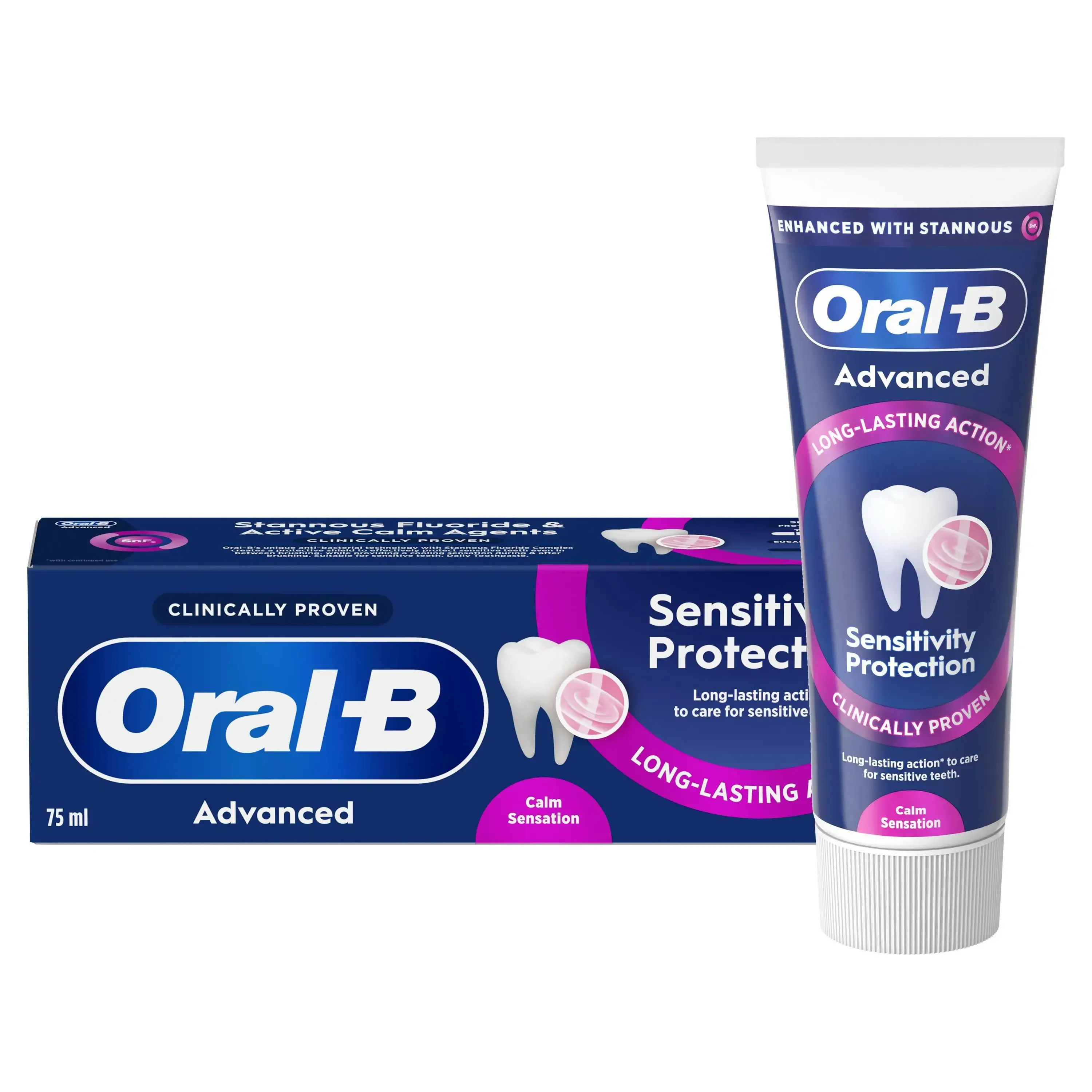
Absolutely. When the gum pulls back, more of the tooth’s surface and root are exposed, which can make you more sensitive to hot, cold, or sweet foods. Using a toothpaste for sensitive teeth and maintaining good oral hygiene can often help manage this discomfort.
Is gum recession around canines linked to gum disease?
It can be. Gum disease (like periodontitis) can gradually destroy the tissues and bone that hold your teeth in place, leading to recession near canines and other teeth. Spotting gum disease early and addressing it through professional cleanings and consistent oral care can help prevent further damage.