What Causes Bleeding Gums?
There are various reasons with varying degrees of seriousness. The most typical cause is gum disease. However, if you have bleeding gums but you don’t have gum disease, your provider will need to find out what’s going on. They may test to determine if you have diabetes, vitamin deficiencies or other underlying health conditions. Once you receive a diagnosis, then your provider will be able to recommend the right treatment.
Here are some of the most common causes:
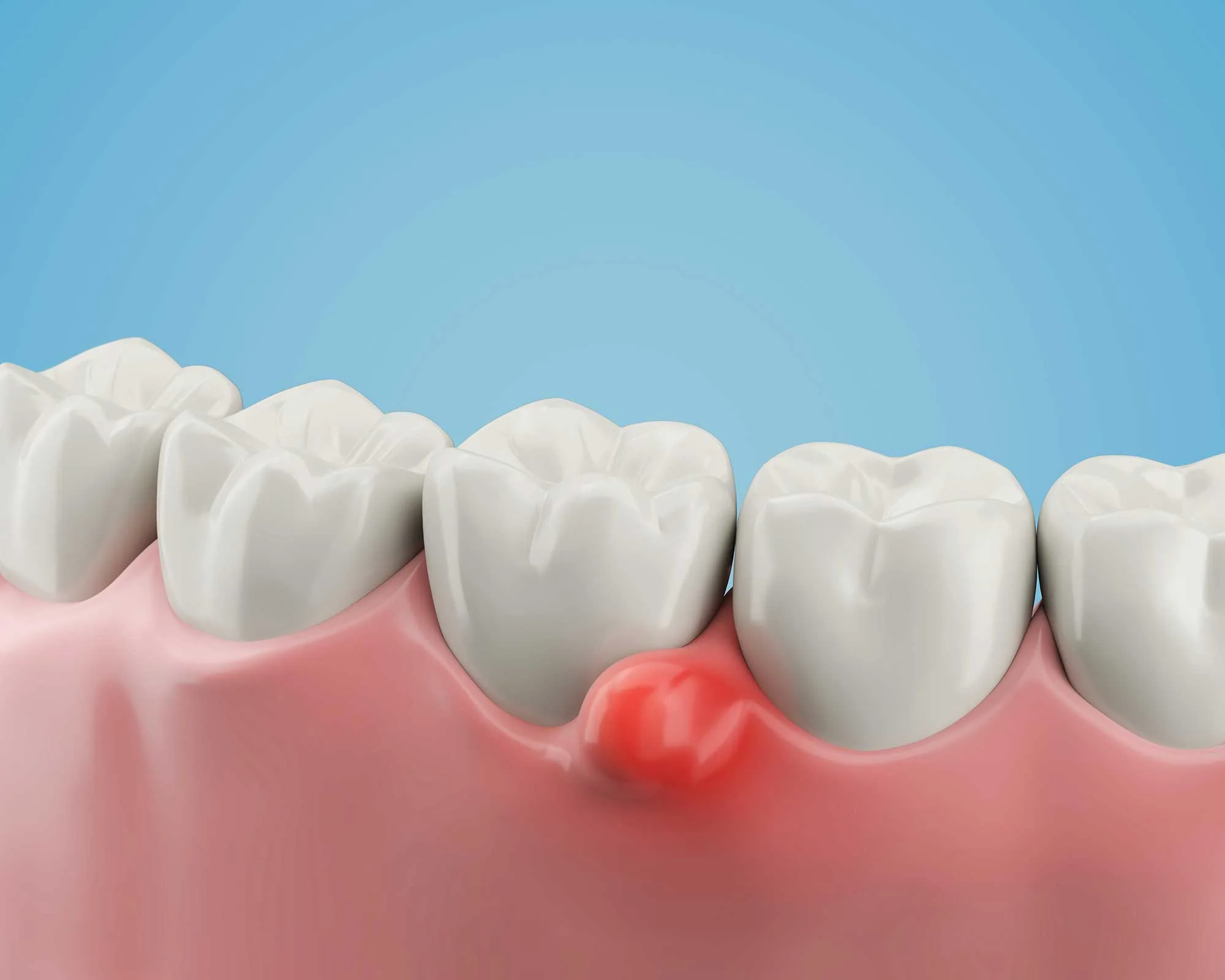
Gingivitis (aka Inflamed Gums)
This is the earliest stage of gum disease, and plaque buildup is a big part of this. Bacteria in plaque irritate the gums, causing them to become inflamed, red, and swollen. This makes the gums more sensitive and prone to bleeding, especially when brushing or flossing.
Periodontitis
This is a form of gum disease so advanced that it has its own name. As the disease progresses from moderate to advanced disease, it can cause the connective tissue that holds your teeth in place to deteriorate.
Aggressive Brushing
Brushing too hard or using a toothbrush with stiff bristles can damage the delicate gum tissue, leading to bleeding. Overly aggressive brushing can also cause microscopic cuts in your gums. Even seemingly minor cuts can cause problems for your gums, especially if they’re already inflamed. To learn to brush your teeth properly (you’re never too old), check out this helpful tutorial: how to brush teeth properly.
Nutrient Deficiencies
Lack of certain vitamins can weaken gum tissue and make it more prone to bleeding. So, make sure you’re getting enough vitamin C, vitamin K and Vitamin B12.
Hormonal Changes
Fluctuations during pregnancy or menstruation can sometimes cause gum inflammation and bleeding.
Medications
Certain medications can increase the risk of bleeding. So if you’re on like blood thinners, or other medications known to have this as a side effect, stay alert.
Diabetes
Poorly controlled diabetes can impair wound healing and increase the risk of gum disease and bleeding.
Smoking
Yet another way smoking is bad for you. Smoking has been shown to have detrimental health effects when it comes to your oral health.
Ill-Fitting Dentures
Dentures that don’t fit correctly can rub the gums causing sensitivity and sometimes bleeding.
Blood-Clotting Disorders
If you have a lack of clotting cells (platelets), it can lead to bleeding gums.
Leukaemia
Although rare, bleeding gums can be an indicator of leukemia, a cancer of the blood.