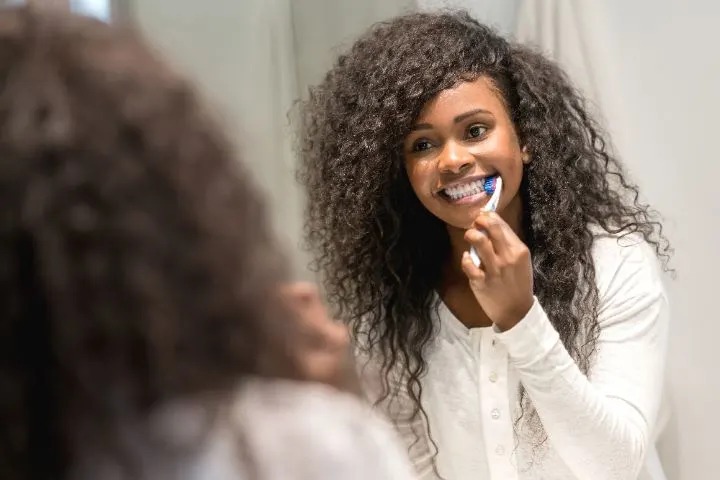
You brush twice a day, so your teeth must be clean. It is a fair assumption, but brushing every day is not the same as removing plaque everywhere. Most people leave some plaque behind in the same few places. Learning how to brush teeth to remove plaque comes down to a few simple, fixable habits.
This guide covers the areas people miss, brushing time, technique, pressure, when to change your brush head and a quick way to check.
Why Brushing Twice a Day Isn't Always Enough
Brushing twice a day is essential, but how well you brush matters as much as how often you brush. Plaque is a sticky film of bacteria that forms every day, and the NHS notes it can lead to tooth decay and gum disease.
Missed plaque can irritate the gums and harden into tartar, which only a dentist or hygienist can remove. Find out more about how dental plaque forms and why removing it daily matters.
The Areas Most People Miss
The areas most people miss when brushing are the gumline, the inner surfaces of the teeth, the back molars and the spaces between teeth. A 2017 Brushlink survey reported by Dentistry.co.uk suggested many adults miss at least a quarter of their teeth when brushing. This is survey data, not clinical evidence.
Along the gumline: bristles often skim past the edge where teeth meet gums.
Inner (tongue-side) surfaces: the backs of the lower front teeth are especially easy to miss.
Back molars: the back of the last tooth on each side is hard to reach.
Between teeth: bristles cannot fully clean the tight spaces between teeth.
Around crowded teeth, braces or dental work: these create extra places for plaque to build up.
Brushing cannot reach between teeth, so clean between them once a day with floss or interdental brushes. The UK government’s Delivering Better Oral Health toolkit recommends interdental cleaning for adults. See our guide on how to floss.
Are You Brushing for Long Enough?
You should brush your teeth for 2 minutes, twice a day: last thing at night and at one other time during the day, as recommended by the NHS. Many people stop short. The Oral Health Foundation reports that almost one in three adults (32%) brush for less than 2 minutes, and research on brushing time has found that brushing for longer removes more plaque.
Split your mouth into four quarters and spend about 30 seconds on each. Read more about how long you should brush your teeth.
Technique: How to Brush to Remove Plaque
To remove plaque with an electric toothbrush, guide the brush slowly from tooth to tooth and let the brush head do the cleaning. There is no need to scrub.
Angle the bristles towards the gumline.
Guide the brush head slowly from one tooth to the next.
Pause on each tooth for a couple of seconds.
Clean the outer, inner and chewing surfaces of every tooth.
For a full step-by-step guide, see how to brush your teeth.
How Hard Should You Brush?
You should brush gently. Pressing harder does not remove more plaque and can hurt your gums and wear tooth enamel over time. Too little pressure can leave plaque behind because the bristles are not making proper contact.
A pressure sensor on an electric toothbrush removes the guesswork by lighting up to show when you are pressing too hard and when your pressure is in the right range.
When Did You Last Change Your Brush Head?
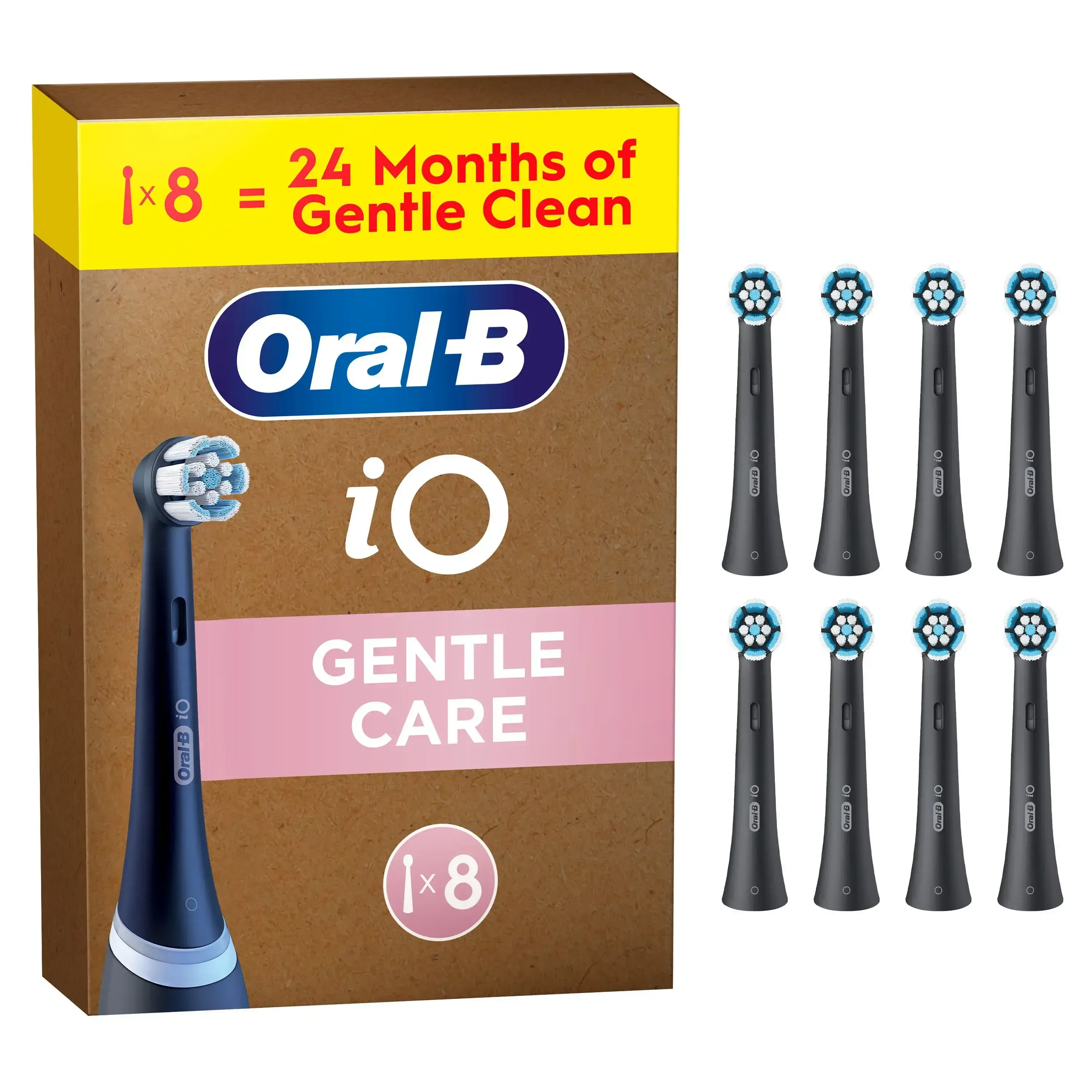
You should change your toothbrush or electric toothbrush head every 3 months, or sooner if the bristles look splayed or worn. Worn bristles clean less well, even with good technique. Changing your refill every 3 months helps you get back to 100% cleaning power.
Many Oral-B brush heads have colour-changing indicator bristles that fade as they wear, and Oral-B iO handles show a brush head replacement reminder Aon the display. Browse replacement brush heads to find the right refill for your toothbrush.
Your Plaque Check: A Quick Checklist
A quick plaque check shows whether your daily routine is removing enough plaque. Tick each line:
I brush for 2 minutes, twice a day
I clean every surface of every tooth
I include the gumline
I use gentle pressure
My brush head is less than 3 months old
I clean between my teeth once a day
I visit my dentist and hygienist regularly
Signs that plaque is being left behind:
Teeth that feel fuzzy or rough when you run your tongue over them
Gums that bleed when you brush or floss
Bad breath that keeps coming back
For an easy visual check, plaque disclosing tablets stain plaque so you can see the spots you missed.
Does Your Toothbrush Make a Difference?
Yes, the type of toothbrush you use makes a difference to how much plaque you remove. A 2026 network meta-analysis of 19 randomised controlled trials, published in Clinical Oral Investigations, ranked oscillating-rotating electric toothbrushes first for reducing plaque, ahead of sonic and manual toothbrushes.
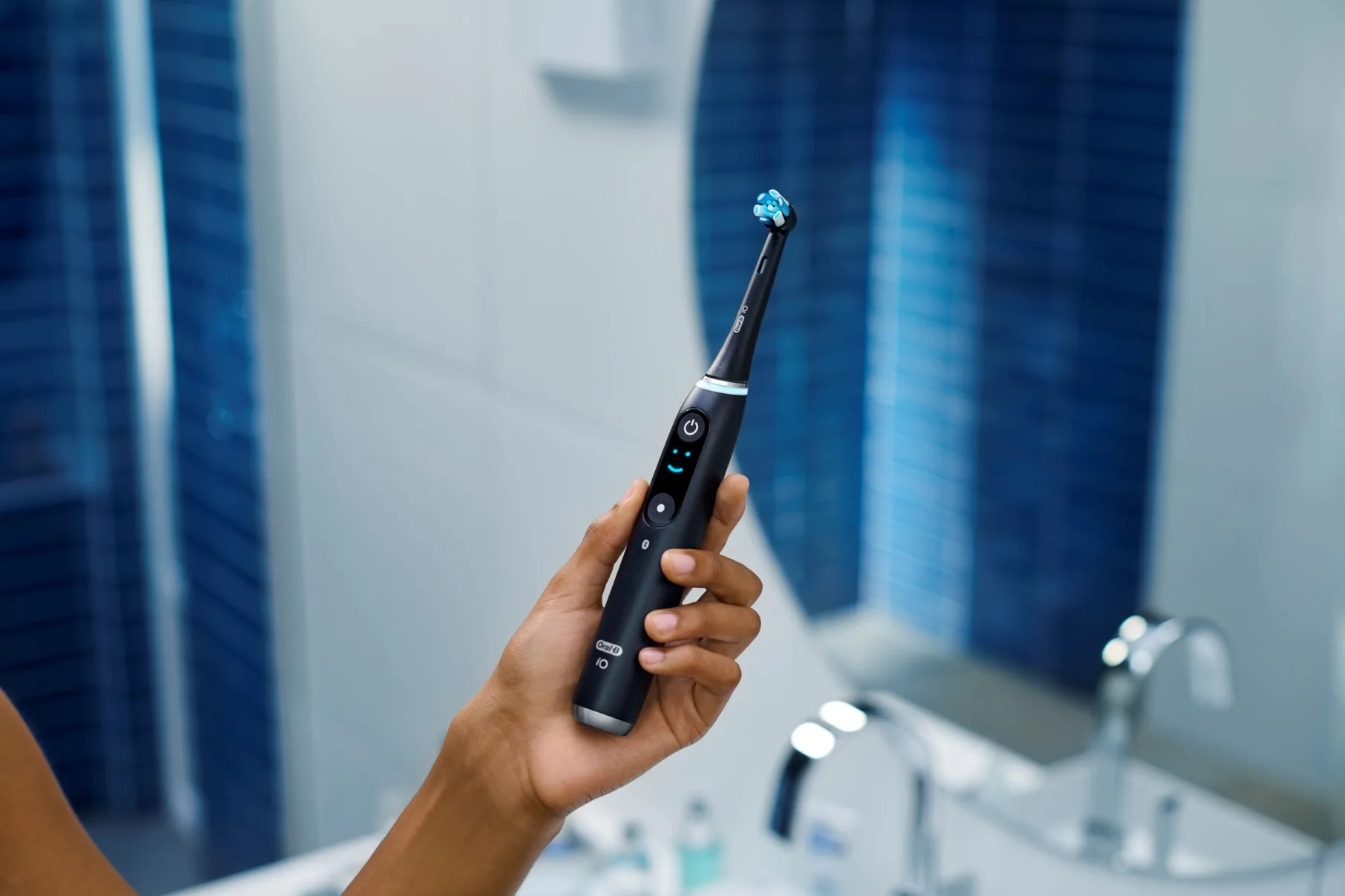
Oral-B iO uses oscillating-rotating technology and removes 2X more gumline plaque than a manual toothbrush. The cleaning technology of Oral-B iO is the #1 for plaque removal and gum care , based on a research ranking efficacy of toothbrush technologies published in 2026¹.
How Oral-B iO9 Helps You Cover Every Gap
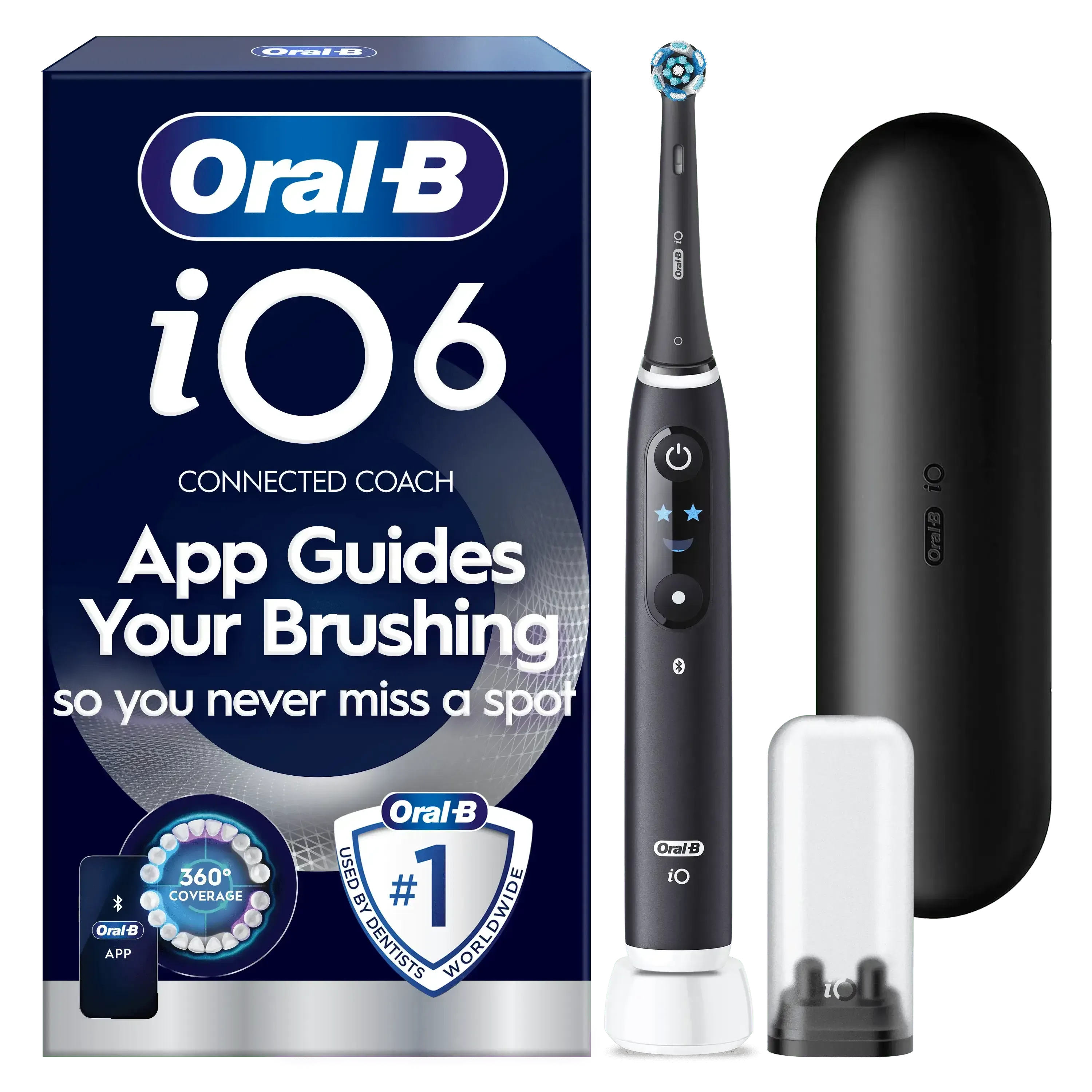
Oral-B iO9 is designed to help close each common brushing gap covered in this guide: technique, time, missed areas, pressure and worn brush heads.
Technique: the round brush head rotates and micro-vibrates to clean tooth by tooth, including along the gumline.
Time: a built-in 2-minute timer helps you brush for the full recommended time.
Missed areas: 3D Teeth Tracking and coverage tracking in the Oral-B App show the areas you missed.
Pressure: the Smart Pressure Sensor signals red, white or green, so you can see when you are pressing too hard and when your pressure is right.
Brush head: a brush head replacement reminder on the display tells you when it is time for a fresh refill.
Oral-B is also the #1 Most Used Brand by Dentists worldwide. Explore the Oral-B iO9 to see how it fits your routine.
The Bottom Line
Brushing every day is the start, but removing enough plaque comes down to time, technique, pressure, a fresh brush head and reaching every area. Brush for 2 minutes twice a day, clean between your teeth daily and replace your brush head every 3 months1.
Small changes make a real difference. For extra help covering every gap, Oral-B iO9 guides your time, pressure and coverage.
FAQs
How do I know if I am removing enough plaque?
You can tell you are removing enough plaque when your teeth feel smooth, your breath stays fresh and your gums do not bleed when you brush. A fuzzy feel on your teeth, bleeding gums or stains left by plaque disclosing tablets all point to areas you are missing.
Which areas of the mouth do people miss most when brushing?
People most often miss the gumline, the inner surfaces behind the lower front teeth, the back molars and the spaces between teeth. These areas are harder to see and reach. Angling the bristles towards the gumline and cleaning between teeth once a day with floss or interdental brushes helps cover them.
How long should I brush my teeth for?
The NHS recommends brushing your teeth for 2 minutes, twice a day, including last thing at night. Splitting your mouth into four quarters of about 30 seconds each helps you spread the time evenly. An electric toothbrush with a built-in timer makes it easier to brush for the full 2 minutes.
Can brushing too hard damage my teeth and gums?
Yes, brushing too hard can hurt your gums and wear tooth enamel over time, and it does not remove more plaque. Use gentle pressure and let the brush do the work. An electric toothbrush with a pressure sensor can show you when you are pressing too hard.
How often should I change my electric toothbrush head?
Change your electric toothbrush head every 3 months, or sooner if the bristles look splayed. Worn bristles clean less effectively, so a fresh refill helps you get back to 100% cleaning power. Fading indicator bristles and on-screen replacement reminders can help you remember.
Does an electric toothbrush remove more plaque than a manual one?
Yes. A 2026 network meta-analysis of 19 randomised controlled trials ranked oscillating-rotating electric toothbrushes first for plaque reduction, ahead of sonic and manual toothbrushes. Good technique and brushing for 2 minutes still matter with any toothbrush you use.
Bibliography
Based on research ranking efficacy of toothbrush technologies published in 2026