Introduction
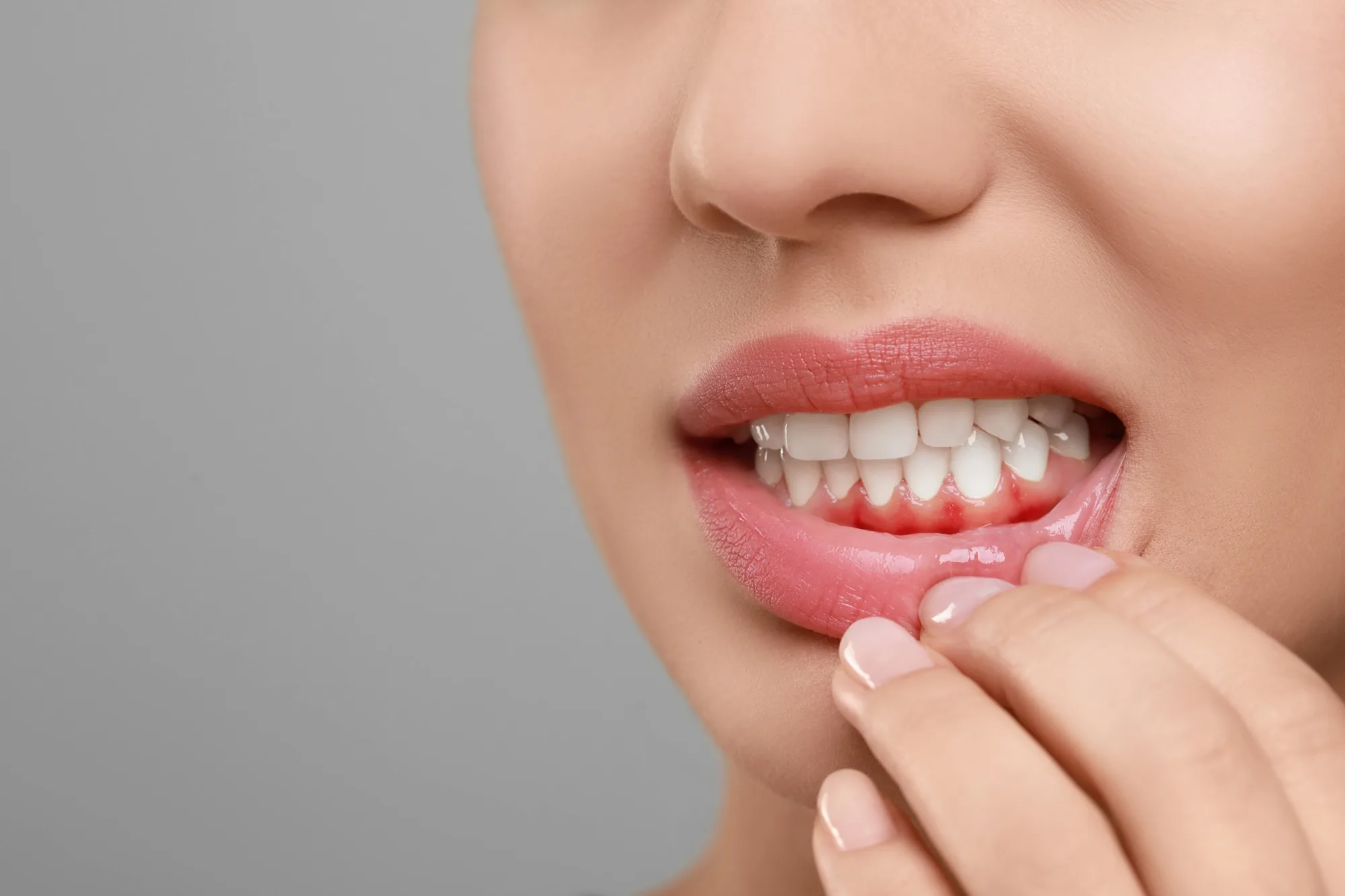
Improving gum health starts with a good daily oral hygiene routine which includes brushing, flossing, and mouthwash, and can be complemented with professional care. Signs of good gum health includes having gums that are firm, pink (or naturally pigmented), and not prone to bleeding, swelling, or persistent bad breath. Gum health matters because gum disease can lead to tooth loss and may be linked with wider health risks. Improving daily oral care and booking a dentist appointment for a checkup is therefore important.
Why is Gum Health Important?
Gum health is important because healthy gums protect teeth from infection and help support long-term oral health, and gum disease can contribute to serious complications. Plaque bacteria can inflame gums and, if untreated, progress to gum disease (periodontal disease), which can damage the tissues and bone that hold teeth in place.
Healthy gums help protect tooth roots, prevent bone loss and tooth loss, reduce infection risk, and help prevent bad breath.
Neglected gums may contribute to diabetes complications and, according to Harvard Health, heart disease associations.
If you’re worried about gum health, book a dental check-up.
How to Improve Gum Health at Home?
You can improve gum health at home by removing plaque thoroughly every day and reducing habits that inflame gums. Consistent plaque control helps calm gum inflammation and lowers the risk of gum disease progression.
Effective brushing: twice daily, gentle along the gumline
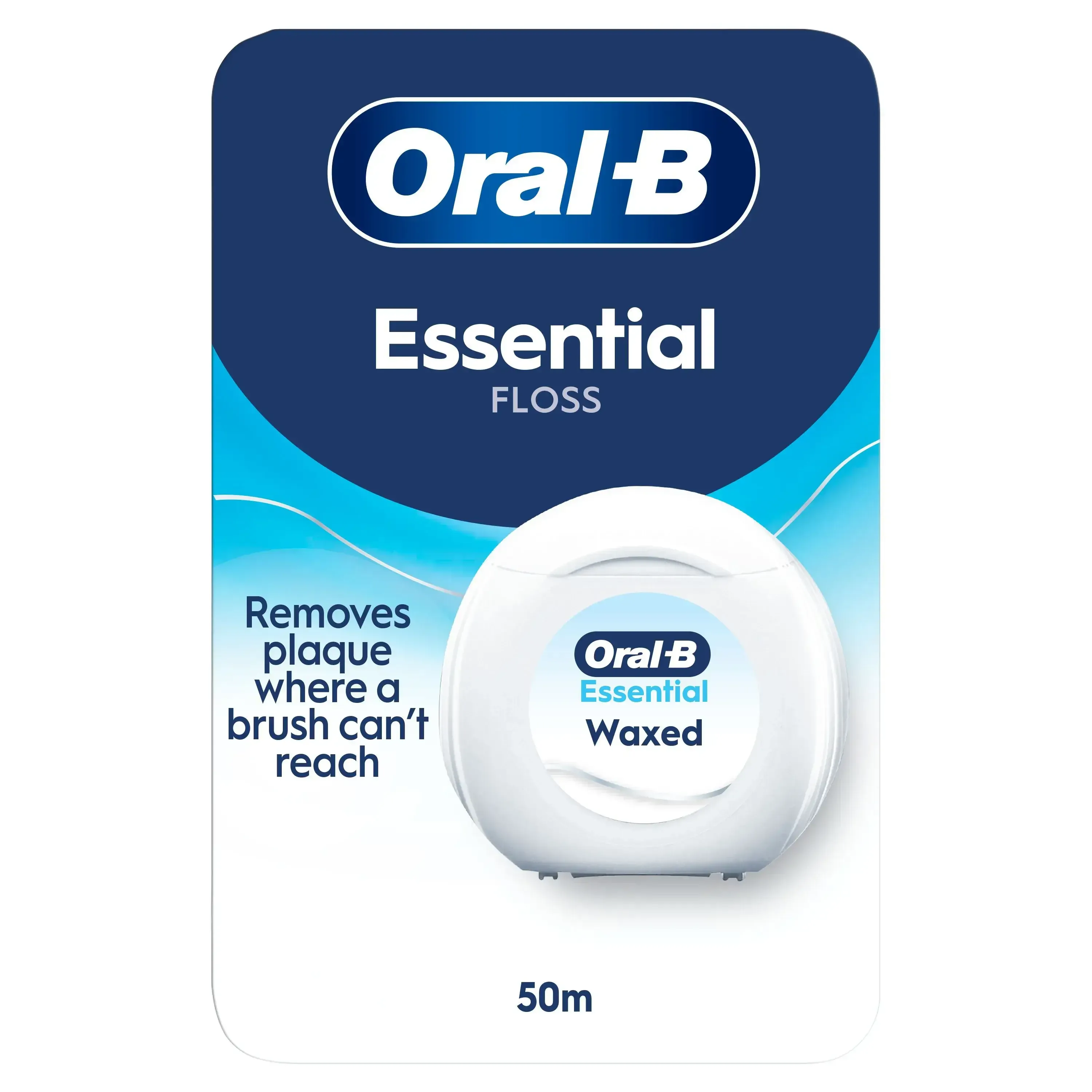
Daily flossing: clean between teeth once a day
Mouthwash: use as an add-on if recommended
Diet and hydration: limit sugar, eat fibre-rich foods, drink water
Reduce/quit tobacco: smoking increases gum disease risk
Maintaining healthy gums is an important part of overall oral health. Researchers conducted a network meta-analysis using data from 19 randomized clinical trials to compare toothbrush technologies. Oscillation rotation, the cleaning technology used in Oral-B iO, emerged as the highest-ranked technology for gingivitis reduction. These results indicate it can be an effective option for people looking to improve gum health.
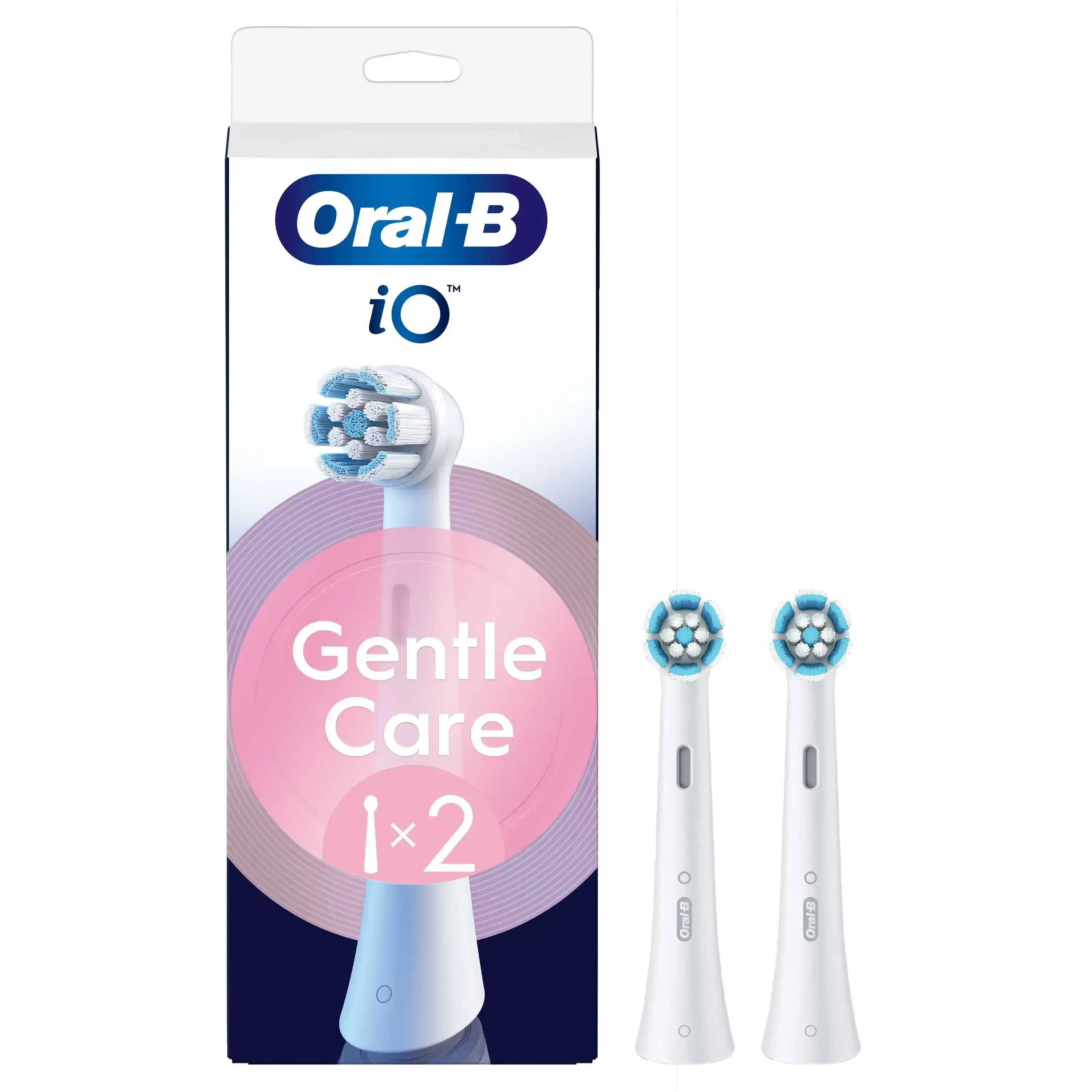
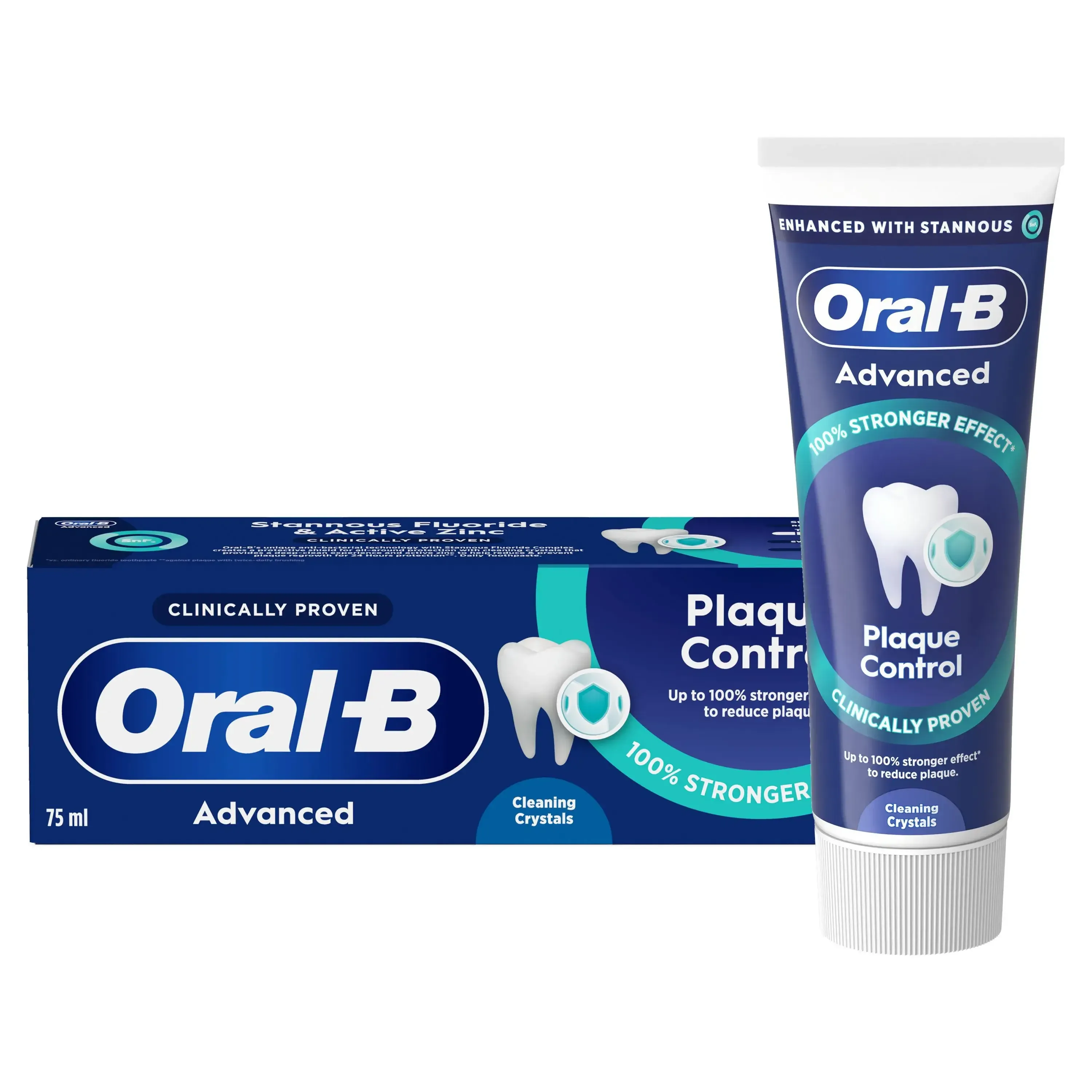
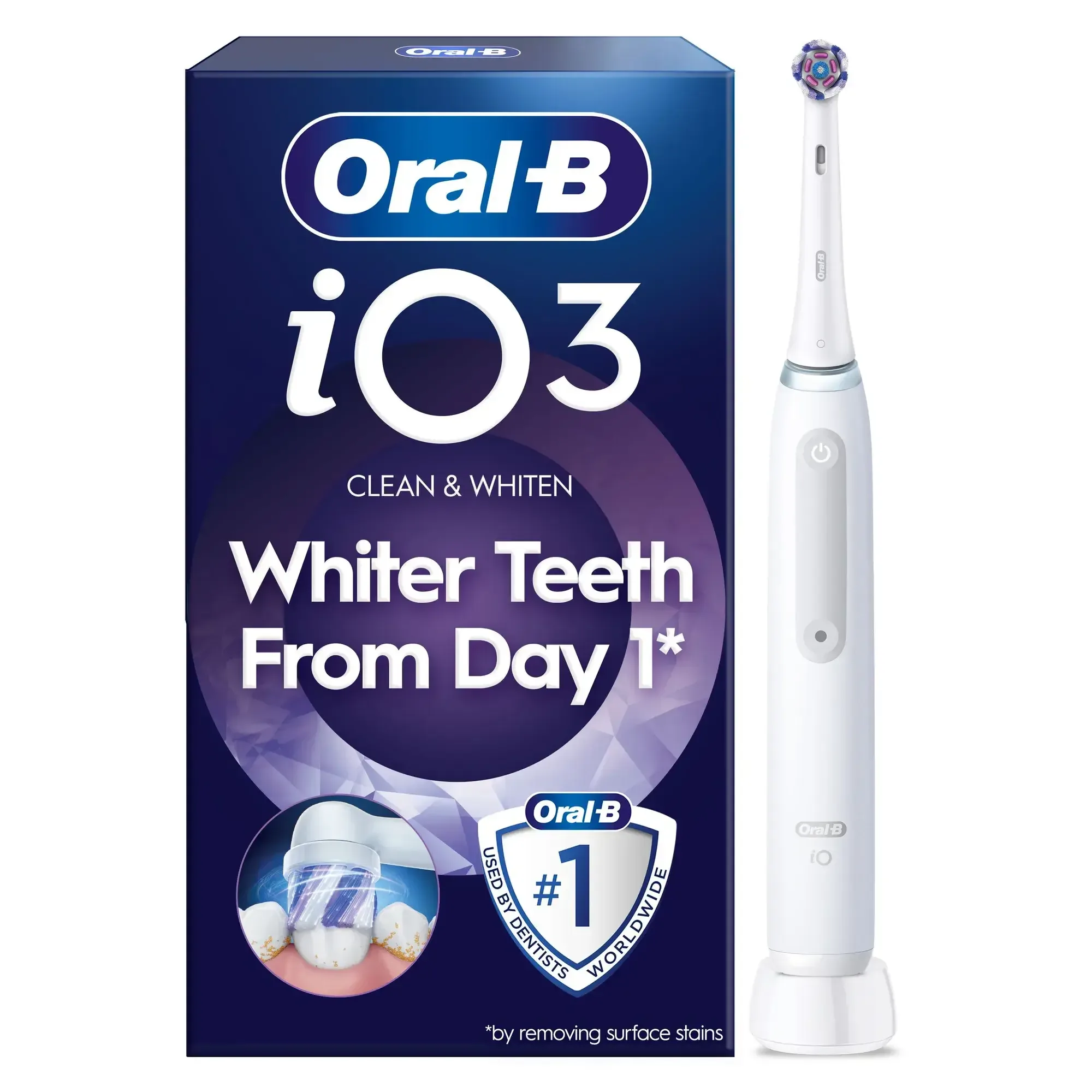
Using an effective electric toothbrush and toothpaste such as the Oral-B iO Electric Toothbrush Series and Oral-B toothpastes can help maintain good gum health between visits.
How to Improve Gum Health with Professional Care?
Professional care improves gum health by removing tartar and treating gum disease early, which home care cannot fully do. Dentists and hygienists can assess gum bleeding, pocketing, and bone support and recommend targeted treatment.
Regular dental check-ups: screening and personalised advice
Professional cleanings: scaling to remove tartar above/below the gumline
Treatment by severity: deep cleaning, antibiotics when indicated, and periodontal surgery
FAQs
What is the correct brushing technique for optimal gum health?
The correct technique for gum health is to angle the bristles about 45 degrees towards the gumline and use short, gentle strokes to clean where tooth meets gum. Brush the outer, inner, and chewing surfaces of every tooth, then brush the tongue to help reduce odour-causing bacteria. Avoid aggressive scrubbing, which can irritate gums.
Are electric toothbrushes more effective for gum health than manual ones?
Electric toothbrushes are generally more effective for gum health because they deliver consistent movements that can improve plaque removal when used properly. Many also include pressure sensors to reduce overbrushing and built-in timers to support a full two-minute clean. Better plaque control helps reduce gum inflammation.
What kind of toothpaste is best for promoting gum health?
The best toothpaste for gum health is typically a fluoride toothpaste that supports enamel strength while helping control plaque at the gumline. If gums are sensitive, choose a formula designed for sensitive teeth/gums and ask a dentist about antibacterial options when gum inflammation is present.
Is an electric toothbrush worth it for everyday gum care?
An electric toothbrush can be a useful part of a consistent oral hygiene routine. In the 2026 peer-reviewed analysis, oscillating-rotating toothbrush technology (the technology used in the Oral-B iO round brush head) ranked highest for plaque and gingivitis reduction and maintained its leading ranking across both single-use and longer-term home-use studies.