Quick Answer:
What is loss of taste?
Loss of taste is a reduced or altered ability to notice flavours in food and drinks, often caused by infections, nasal congestion, certain medicines, smoking, or oral health issues. In many cases it is temporary and improves once the underlying cause is treated, but persistent or severe taste changes should be checked by a healthcare professional.
Loss of taste is a reduced or altered ability to notice flavours in food and drinks.
This can happen for several reasons, such as infections, a blocked nose, certain medications, smoking, or oral health problems. It may make food seem bland or different than usual. In this article, we’ll explain the common causes, symptoms to look out for, and simple ways to manage and prevent taste loss.
What is loss of taste?
Loss of taste is a reduced or absent ability to recognise flavours such as sweet, salty, sour, or bitter. Complete loss of taste is known as ageusia, while partial loss is called hypogeusia.
Taste changes often happen when the taste buds, nerves, or areas involved in smell and flavour perception are disrupted. Because taste and smell work closely together, even mild congestion or illness can affect how food tastes. Beyond making meals less enjoyable, persistent taste changes may affect appetite, nutrition, and overall quality of life.
What are the common symptoms of loss of taste?
Loss of taste commonly causes difficulty detecting flavours or changes in how foods and drinks normally taste.
You might also feel like there is a bland, bad tastesensation in your mouth that lingers. Common symptoms, depending on the underlying cause, can include:
Difficulty tasting sweet, sour, salty, or bitter foods
Changes in appetite
Lack of pleasure when eating
Difficulty detecting spoilage in food
Reduced salivation or dryness in the mouth
If symptoms persist or suddenly worsen, it’s important to speak with a healthcare professional.
What causes loss of taste?
Loss of taste can develop from infections, congestion, smoking, medications, nerve-related conditions, or poor oral health.
Illnesses
Common illnesses such as common colds or flu can lead to swollen nasal passages, reduced saliva production, and a general sense of no taste in mouth.
Nasal and sinus issues
Inflamed sinuses, nasal polyps, or allergies can interfere with flavour detection. Because smell is crucial for taste, any difficulty with smell often yields a decreased sense of taste. When sinus congestion clears, taste typically returns. Occasionally, however, more serious sinus problems may necessitate medical intervention. If you also experience a lingering metallic taste or persistent congestion, consulting a doctor is advisable.
Tobacco use
Smoking and tobacco use can dull taste bud sensitivity over time. Tobacco smoke irritates oral tissues and may reduce the ability to detect flavours properly.
Reducing or quitting smoking may gradually improve taste perception and overall oral health.
Some medications
Certain medications can temporarily alter or reduce taste. This may happen with some antibiotics, blood pressure medications, antidepressants, or cholesterol treatments.
If you notice taste changes after starting a new medication, speak with your healthcare provider before making any adjustments.
Neurological conditions
Conditions affecting the nervous system may interfere with the signals responsible for taste perception. Head injuries, nerve damage, or neurological conditions such as multiple sclerosis can sometimes contribute to reduced taste function.
According to the NHS, any neurological disorder that interferes with the cranial nerves responsible for taste reception can lead to partial or complete loss of taste.
Poor oral hygiene
Poor oral hygiene can contribute to taste disturbances by allowing plaque, bacteria, and gum inflammation to build up in the mouth. Good oral hygiene practices, such as daily brushing, flossing, and using a mouthwash, can minimise bacterial buildup that might cause or worsen taste disturbances.
To compare toothbrush technologies using the highest level of scientific evidence, researchers analyzed 19 randomized clinical trials involving more than 1,300 participants. Oscillation rotation, the same technology used in Oral-B iO ranked highest for both plaque reduction and gingivitis reduction among the technologies evaluated. Based on these findings, the authors concluded that it may be considered a preferred choice for improving oral hygiene.
Lifestyle and habits
Lifestyle factors such as excessive alcohol intake, chronic stress, dehydration, or frequent consumption of very spicy foods may also affect taste perception.
Stress and dehydration can reduce saliva production, while repeated exposure to irritants may temporarily dull flavour sensitivity.
How to treat loss of taste?
Loss of taste is treated by addressing the underlying cause and supporting overall oral and nasal health. For mild or temporary cases, basic home remedies, dietary adjustments, and better oral care can often be enough. Here are some possible approaches:
Resolve underlying infections: If you have a cold or flu, rest and proper hydration may help restore taste.
Clear sinus congestion: Nasal rinses and prescribed medications for sinus problems can alleviate clogged nasal passages and improve taste.
Quit or cut back on smoking: Reducing tobacco use may gradually enhance taste bud function.
Address medication side effects: Discuss alternatives or adjusted doses with a healthcare provider.
Upgrade your oral care: Brushing your teeth twice a day, flossing, and using a suitable mouthwash can ensure your tongue and gums remain healthy.
Maintain a balanced diet: Include foods rich in zinc, iron, and B vitamins. Nutrients can help preserve taste bud health and speed recovery.
Stay hydrated: Proper hydration supports saliva production, which is crucial for taste perception.
If symptoms continue for several weeks or interfere with eating and drinking, professional medical advice is recommended.
Should I see a medical professional for loss of taste?
Yes, if your loss of taste is severe, persistent, or accompanied by other concerning symptoms like difficulty swallowing or unexplained weight loss, seek professional advice. Certain red flags may indicate underlying problems:
Loss of taste lasting longer than several weeks
Severe sinus pain or ongoing nasal congestion
Signs of infection, such as high fever or persistent cough
Difficulty eating or drinking leading to dehydration
Early evaluation can help identify whether the issue is linked to infection, medication, oral health, or another medical condition.
Can loss of taste be permanent?
Yes, in rare cases, loss of taste may be long-term or even permanent. Significant nerve damage in the mouth or a serious underlying condition could cause a lasting change in taste bud function. Fortunately, most people recover once the primary cause is addressed. Early diagnosis and treatment often improve the chances of regaining full or partial taste. It’s recommended to contact a healthcare provider if there is no improvement after a few weeks or if symptoms worsen unexpectedly.
Embrace your oral health routine with Oral-B
A healthy oral care routine can help support taste function by reducing plaque buildup, bacteria, and gum irritation that may contribute to oral discomfort or taste disturbances.
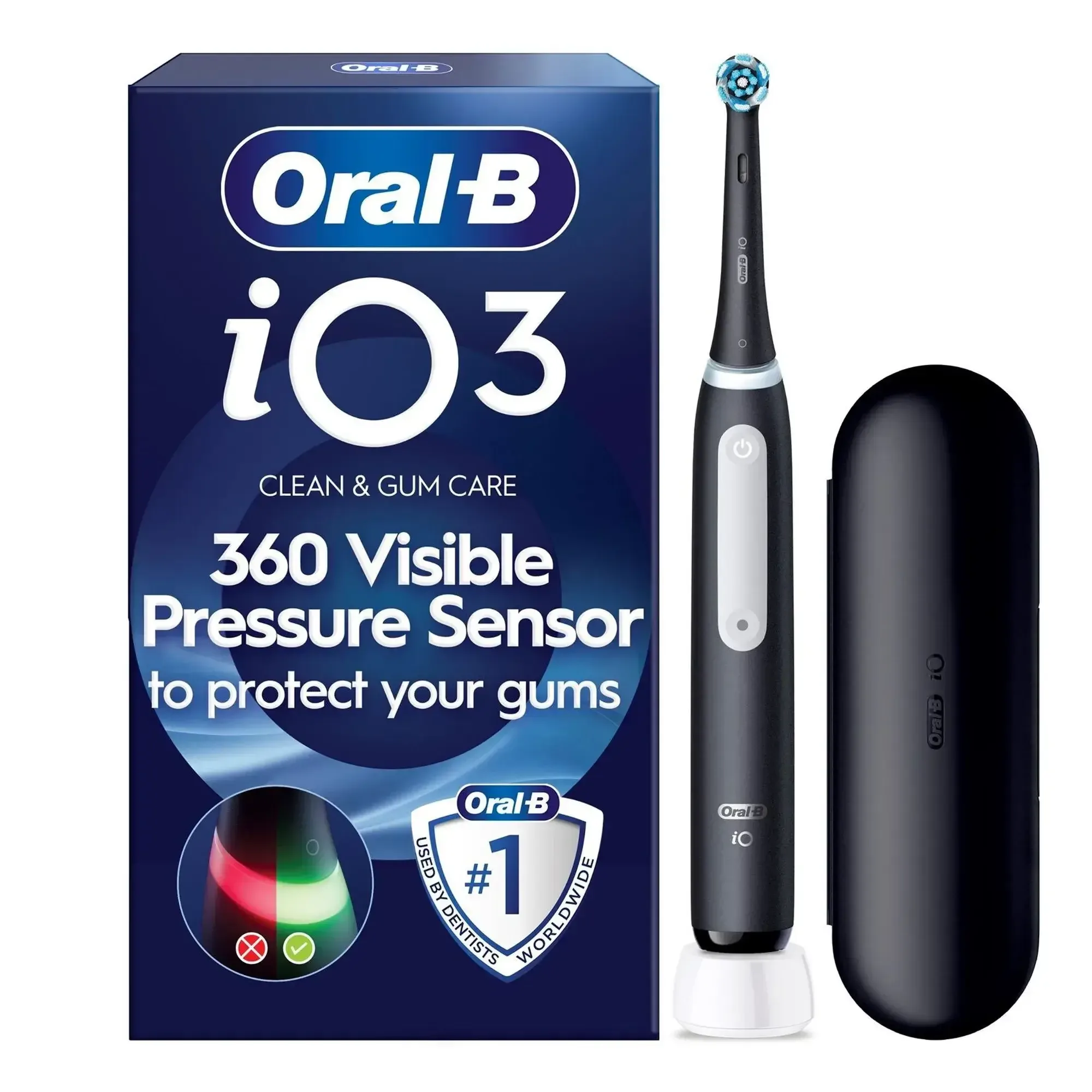
The Oral-B iO Electric Toothbrush Series is designed to deliver a gentle yet thoroughly effective clean. With advanced bristle technology and real-time feedback, it helps remove plaque around the tongue, teeth, and gums more efficiently than many manual brushes. By reducing plaque and bacteria, you can help minimise factors that sometimes lead to taste disturbances. Combined with regular flossing and professional dental check-ups, a good electric toothbrush supports your taste buds’ ability to function at their best.
Summary
Loss of taste can happen for many reasons, including colds, sinus congestion, smoking, medications, poor oral hygiene, or certain medical conditions. While many cases are temporary, persistent changes in taste should not be ignored.
Simple habits such as staying hydrated, improving oral hygiene, managing congestion, and reducing tobacco use can often help support recovery. Maintaining a strong daily oral care routine with tools like the Oral-B iO Electric Toothbrush Series may also help create a healthier oral environment and support long-term oral health.
FAQs
Can poor oral hygiene affect your sense of taste?
Yes. Plaque buildup, gum inflammation, oral infections, and bacteria on the tongue can interfere with how flavours are detected. Maintaining good oral hygiene may help support healthier taste perception and overall oral health.
How long does temporary loss of taste usually last?
Temporary taste loss linked to colds, flu, or congestion often improves within a few days to a few weeks, depending on the underlying cause. Recovery time may vary from person to person.
Can dehydration cause loss of taste?
Yes. Dehydration may reduce saliva production, which plays an important role in helping taste buds detect flavours properly. Drinking enough water throughout the day can help support normal taste function.