This blog has been reviewed and approved by Dr Robert Lee, a dental professional of 35 years
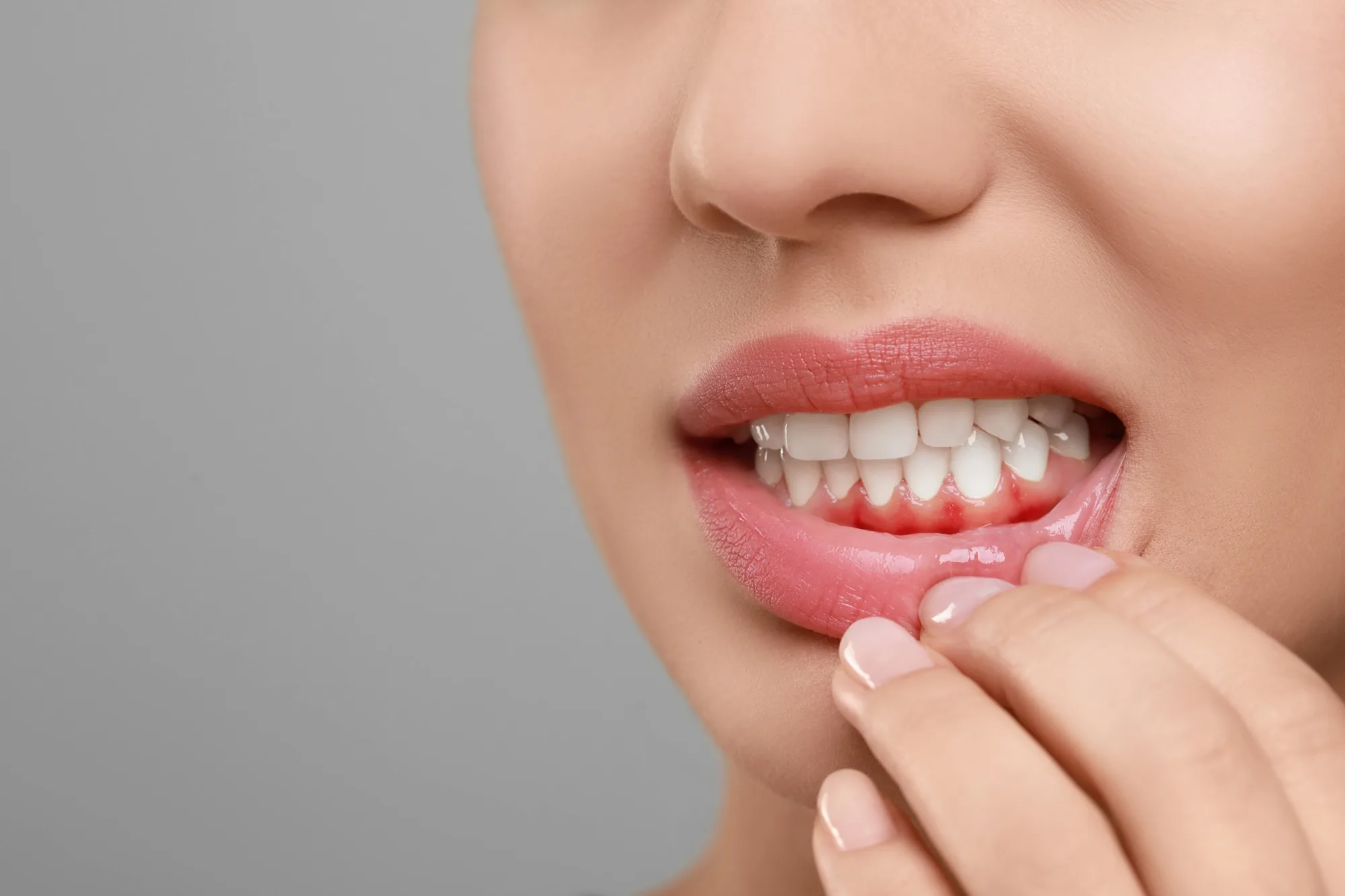
Noticing a little blood when you brush is common, and many people ignore it or brush that spot more lightly. Bleeding gums are usually the gums reacting to plaque at the gumline, and at this early stage the problem can usually be reversed with the right daily habits. Knowing how to prevent bleeding gums starts with a simple daily routine.
This guide covers the daily routine, gumline cleaning, brushing pressure and when to get professional advice.
Why It Pays to Act Early
Acting early pays off because bleeding gums are usually an early sign of gingivitis, and gingivitis can be reversed by removing plaque at and below the gumline. This is set out in the UK government’s Delivering Better Oral Health toolkit.
Gingivitis is the mildest stage of gum disease. According to the NHS, untreated gum disease can develop into periodontitis, which affects the tissue and bone holding the teeth in place. Periodontitis can lead to receding gums and loose teeth.
A Simple Daily Routine to Help Prevent Bleeding Gums
The simplest way to help prevent bleeding gums is a daily gum care routine that removes plaque from the gumline and between the teeth. The steps below follow guidance from the NHS and NHS Education for Scotland (SDCEP).
Brush twice a day for 2 minutes: last thing at night and at one other time.
Aim the bristles at the gumline: move slowly from tooth to tooth.
Use gentle pressure: keep brushing areas that bleed rather than avoiding them.
Clean between your teeth once a day: use floss or interdental brushes. Some bleeding at first is common and usually settles as the gums get healthier.
Use a fluoride toothpaste: spit, don’t rinse, after brushing.
Change your brush head every 3 months: or sooner if the bristles look splayed.
Keep up regular check-ups: see your dentist and hygienist as often as recommended.
Steps 2 and 3 matter most for how to stop gums bleeding when brushing, so the next two sections explain them.
How to Clean Along the Gumline
To clean along the gumline, angle the bristles towards the point where the teeth meet the gums and guide the brush slowly from one tooth to the next. The gumline matters because plaque sits right against the gums there, and it is also the easiest place to miss. NHS Education for Scotland describes plaque as the main cause of gingivitis and recommends cleaning carefully where the teeth and gums meet.
How to brush along the gumline with an electric toothbrush:
Hold the brush head against each tooth, with the bristles angled towards the gumline.
Pause on each tooth for a couple of seconds before moving on.
Clean the outer and inner surfaces, including the back teeth.
Let the brush do the work. There is no need to scrub.
Getting the Pressure Right
You should brush gently, because pressing harder does not remove more plaque and can make sore gums worse. Over time, brushing too hard can also contribute to gum recession. Too little pressure leaves plaque behind because the bristles do not make proper contact.
A pressure sensor on an electric toothbrush takes out the guesswork by lighting up when you press too hard and showing when your pressure is in the right range.
Everyday Habits That Help Your Gums
Knowing how to keep gums healthy goes beyond brushing: stopping smoking, cutting down on sugary foods and drinks, and keeping diabetes well managed.
Stop smoking: the NHS lists smoking as a risk factor for gum disease. Smoking can also hide bleeding, so gum problems may be missed.
Cut down on sugar: the Oral Health Foundation advises cutting down on how much and how often you have sugary foods and drinks.
Manage diabetes: the NHS notes that diabetes raises the risk of gum disease, so good control supports gum health.
Can the Right Toothbrush Help Prevent Bleeding Gums?
2026 network meta-analysis of 19 randomised controlled trials, ranked oscillating-rotating electric toothbrushes first for reducing both plaque and gingivitis. Find out more about how electric toothbrushes help prevent gum disease.
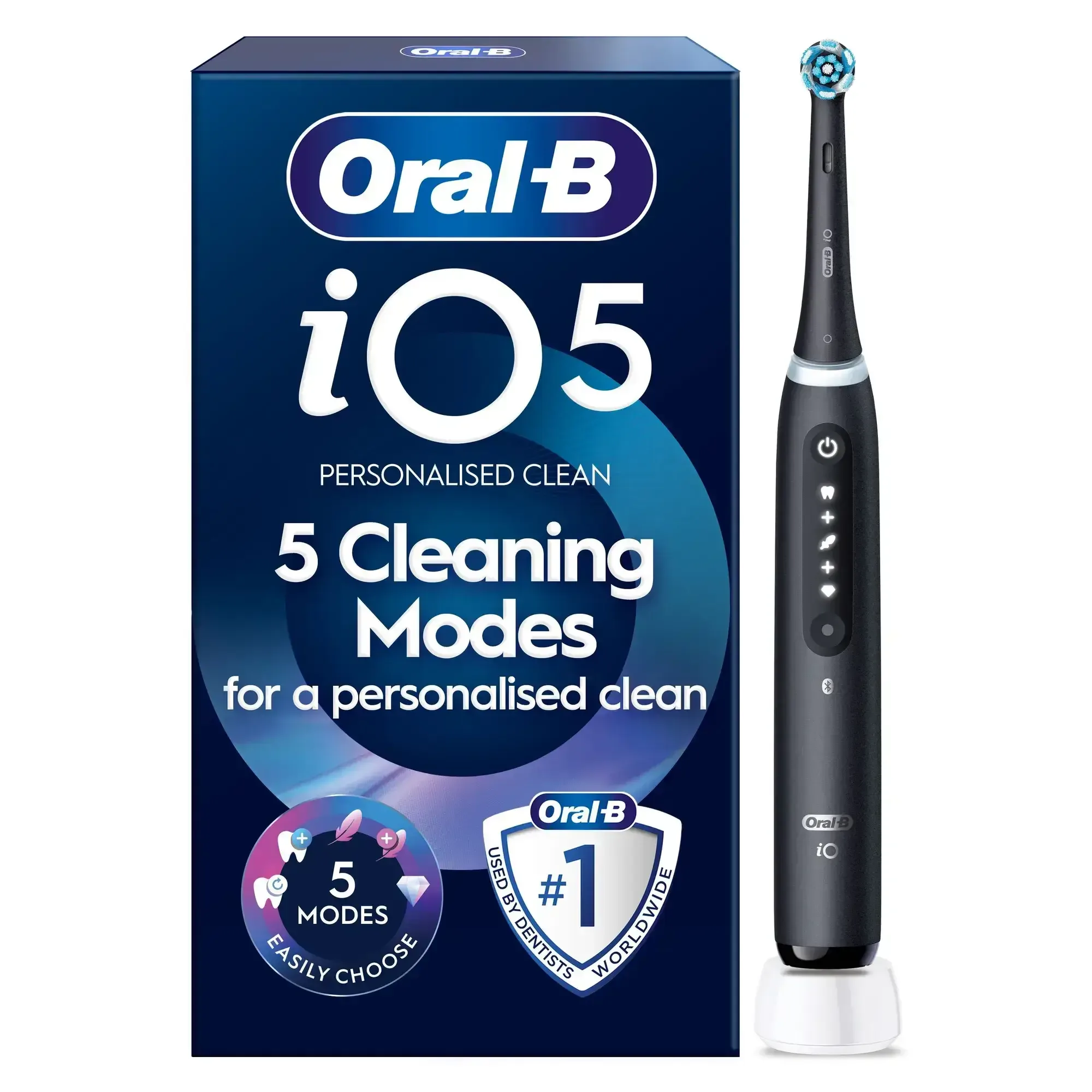
Oral-B iO uses oscillating-rotating technology. Oral-B iO removes 2X more gumline plaque than a manual toothbrush. The cleaning technology of Oral-B iO is the #1 for plaque removal and gum care, based on a research ranking efficacy of toothbrush technologies published in 2026¹.
How Oral-B iO9 Makes Each Step Easier
Oral-B iO9 makes each step of the daily routine easier by guiding gumline cleaning, pressure and brushing time.
Gumline cleaning (step 2): the round brush head rotates and micro-vibrates to clean tooth by tooth along the gumline.
Pressure (step 3): the Smart Pressure Sensor signals red, white or green, to show when your pressure is right.
Gentler clean: Gum Care mode offers a gentler clean along the gums.
Time (step 1): a 2-minute timer keeps you brushing for the full time.
Missed areas: 3D Teeth Tracking with AI and the Oral-B App flag the areas you missed.
Brush head (step 6): a brush head replacement reminder appears on the display.
Oral-B is also the #1 Most Used Brand by Dentists worldwide. Explore the Oral-B iO9 to see how it fits your routine.
When to Get Professional Advice
See a dentist if your gums keep bleeding, and ask for an urgent appointment if your gums are very sore and swollen or your teeth feel loose. Based on NHS guidance, book a dental appointment if:
Your gums keep bleeding when you brush or eat hard foods
Your gums are painful or swollen
You have bad breath that does not go away
Ask for an urgent appointment if:
Tell your dentist or GP if bleeding started with a new medicine or during pregnancy. A dentist or hygienist can remove tartar and show you the best way to clean your teeth. The British Society of Periodontology notes that regular check-ups help catch gum problems early.
The Bottom Line
Bleeding gums are an early warning that you can act on. The first step to prevent gums from bleeding is a simple daily routine focused on the gumline, gentle pressure and cleaning between your teeth. For extra help with each step, explore the Oral-B iO9.
FAQs
How can I help stop my gums from bleeding?
The best way to stop bleeding gums is to remove plaque from the gumline every day. Brush for 2 minutes twice a day with gentle pressure, angle the bristles towards the gums and clean between your teeth once a day. If bleeding continues for more than a couple of weeks, see a dentist.
Should I floss if my gums bleed?
Yes, you should keep flossing if your gums bleed, because the bleeding is usually caused by plaque that needs removing. Some bleeding is common when you first start cleaning between your teeth and usually settles as the gums get healthier. Use floss or interdental brushes gently, and see a dentist if bleeding does not improve.
Can bleeding gums go away on their own?
Bleeding gums do not usually go away on their own unless the plaque causing them is removed. Gingivitis, the early stage of gum disease, can be reversed with good daily brushing and cleaning between the teeth. Ignoring the bleeding allows plaque to keep building up, which can lead to more serious gum disease.
Does smoking affect bleeding gums?
Yes, smoking increases the risk of gum disease and can hide one of its main warning signs. Smoking reduces blood flow to the gums, so smokers may notice less bleeding even when gum disease is present. Stopping smoking is one of the most helpful steps you can take for your gum health.
Can mouthwash help prevent bleeding gums?
Mouthwash can support your routine, but it does not replace brushing and cleaning between your teeth. A dentist may recommend an antiseptic mouthwash for a short time if your gums are inflamed. Avoid using mouthwash straight after brushing, as rinsing washes away the fluoride from your toothpaste.
How often should I see a dental hygienist?
How often you see a dental hygienist depends on the health of your gums, so your dentist will recommend the right interval for you. People with healthy gums may need visits less often, while people with gum problems may need them more regularly. A hygienist removes tartar and shows you how to clean your teeth effectively.
Bibliography
1. Based on research ranking efficacy of toothbrush technologies published in 2026