The best electric toothbrush for gum health is the one that removes the most plaque and independent evidence currently points to oscillating-rotating technology. If you want healthier gums, you have probably weighed up sonic and oscillating-rotating brushes, and you may have heard that sonic is the gentler choice. Both types clean better than a manual toothbrush, but they do not deliver the same gum health results.
This guide explains how each brush works, what the 2026 evidence shows, how quickly gums can improve and which brush suits your situation.
How Oscillating-Rotating and Sonic Toothbrushes Work
Oscillating-rotating and sonic toothbrushes clean in different ways: one works tooth by tooth, the other sweeps across several teeth at once.
Oscillating-rotating toothbrushes
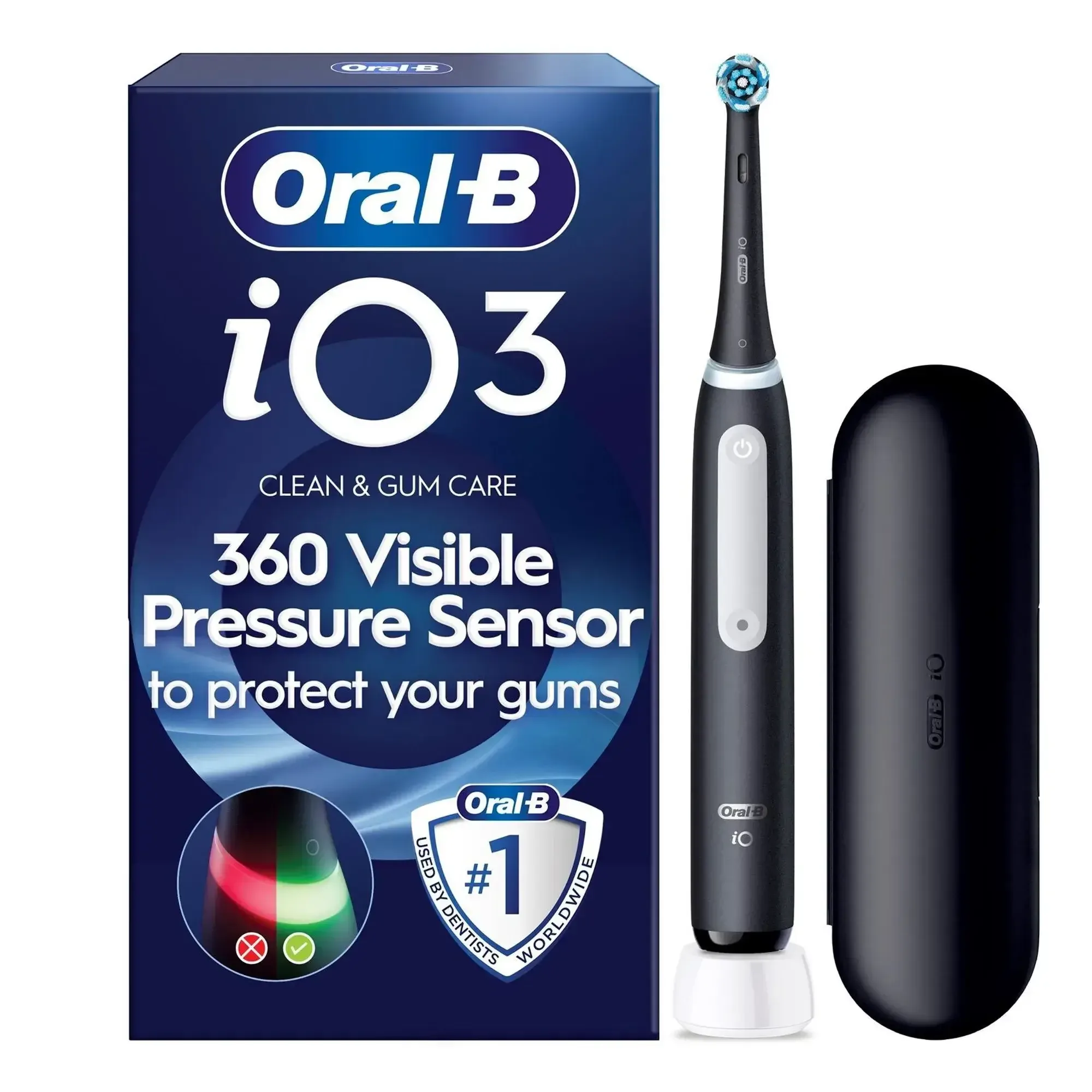
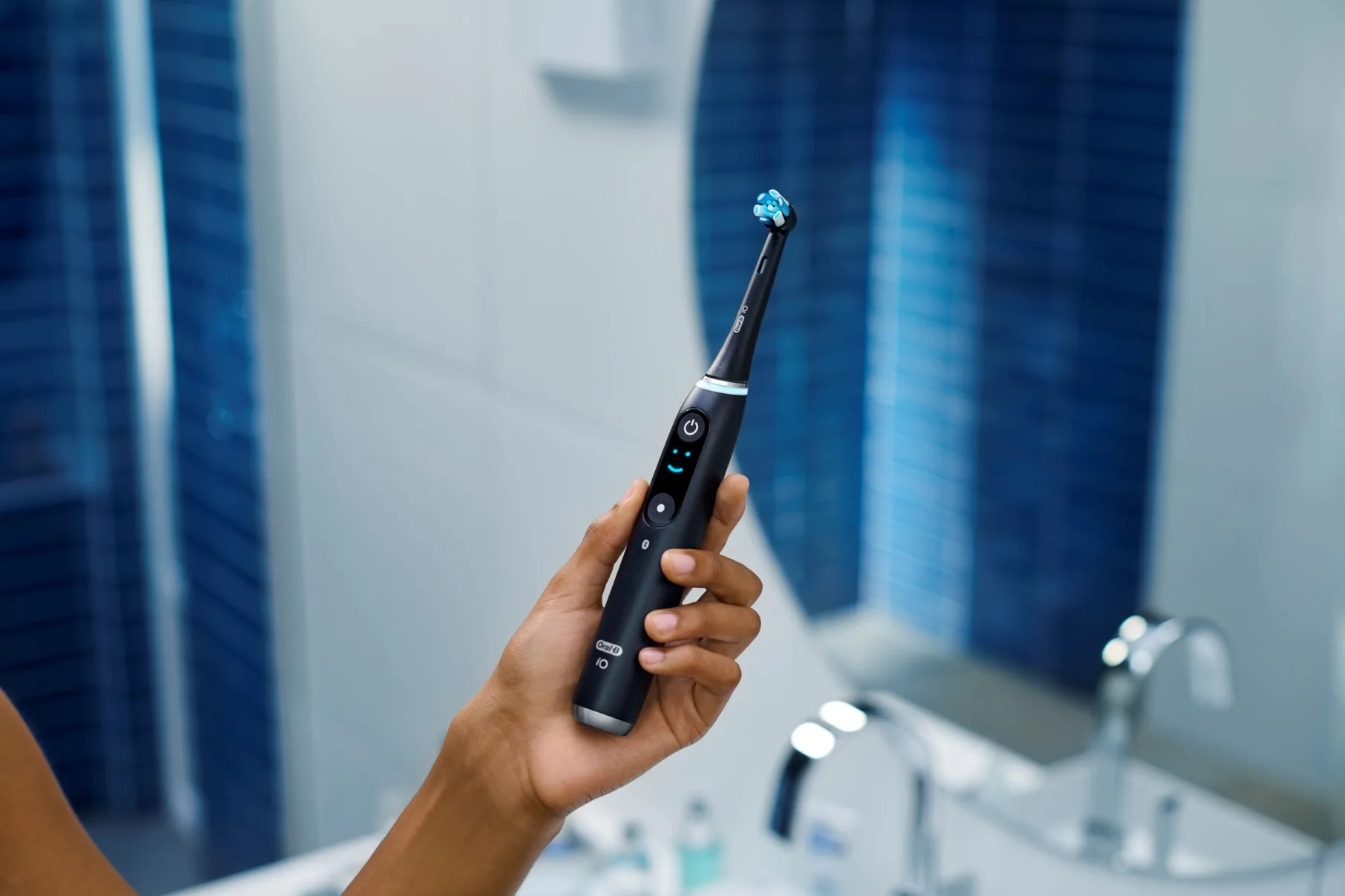
An oscillating-rotating toothbrush has a small round brush head that cups each tooth and rotates back and forth as you guide it from one tooth to the next. This lets it follow the curve of every tooth and clean right along the gumline. Oral-B iO adds gentle micro-vibrations to this movement for a smooth, thorough clean.
Sonic toothbrushes
A sonic toothbrush has an elongated head, shaped like a manual brush, that vibrates side to side at high speed. It sweeps across several teeth at once, so you move it along the teeth in a similar way to a manual brush.
Why Plaque at the Gumline Decides Gum Health
Gum health depends on how well you remove plaque where your teeth meet your gums. According to the NHS, gum disease is caused by a build-up of plaque on the teeth, which can make gums red, swollen and prone to bleeding.
This early stage of gum disease is called gingivitis, and it is usually reversible with good daily plaque removal. That means the question "Which brush is better for gums?" is really "Which brush removes more plaque at the gumline?" Find out more about how electric toothbrushes help prevent gum disease.
Which Technology Is Better for Gum Health?
Both sonic and oscillating-rotating brushes beat manual brushing, but they are not equal.
An independent 2026 network meta-analysis of 19 randomised controlled trials involving more than 1,300 participants ranked oscillating-rotating toothbrush technology first for both plaque and gingivitis reduction.
Based on research ranking efficacy of toothbrush technologies published in 2026, oscillating-rotating is the #1 Best Plaque Removal & Gum Care Technology¹. In plain terms, a ranking like this pools the results of many separate trials and asks which technology most consistently comes out on top. Oscillating-rotating did.
How Quickly Can Gums Get Healthier?
Gums can start getting healthier within weeks of consistent, thorough brushing, and the type of brush affects how soon. In clinical studies, "transition to healthy" means people who started with gingivitis reached a healthy gum status.
With Oral-B oscillating-rotating electric toothbrushes, gingivitis patients transition to healthy 33% faster than with sonic toothbrushes. Put another way, with Oral-B oscillating-rotating electric toothbrushes, gingivitis patients transition to healthy 4 weeks earlier than with sonic toothbrushes.
These results depend on daily habits. Brushing for two minutes twice a day, every day, is what gives your gums the chance to improve.
Sonic vs Oscillating-Rotating for Gums: Side by Side
Here is how the two technologies compare for gum health:
| Oscillating-rotating | Sonic |
|---|
How it cleans | Round head cups each tooth and rotates back and forth, tooth by tooth | Elongated head vibrates side to side across several teeth |
Gumline reach | Small round head follows the curve of each tooth along the gumline | Wider head covers more surface per stroke |
Gum health evidence | #1 Best Plaque Removal & Gum Care Technology1 | Cleans better than a manual toothbrush |
Feel and sound | Gentle micro-vibrations on Oral-B iO for a smooth clean | Fast vibrations with a buzzing feel |
Which Should You Choose for Your Gums?
For most people focused on gum health, an oscillating-rotating brush is the stronger evidence-based choice. Here is how that applies to common situations:
Gums that bleed when brushing: Bleeding gums are often a sign of plaque at the gumline. Keep brushing gently and thoroughly, and see a dentist if bleeding continues.
Sensitive gums: Choose a brush with a pressure sensor and a gentler mode, and let the brush do the work.
Switching from manual: Guide the round head slowly from tooth to tooth rather than scrubbing.
Braces: Take extra time around brackets and along the gumline, and ask your orthodontist about suitable brush heads.
Current sonic users: If your gums still bleed or feel tender, switching to oscillating-rotating technology may help you remove more plaque.
Why Oral-B iO Takes Oscillating-Rotating Further
Oral-B iO is the most advanced oscillating-rotating toothbrush from Oral-B, designed to support healthier gums every day. The Oral-B iO Series builds on the round brush head with features that help you brush thoroughly and gently:
Round brush head plus micro-vibrations: cleans tooth by tooth along the gumline.
Pressure Sensor: shows when you are pressing too hard, helping protect your gums.
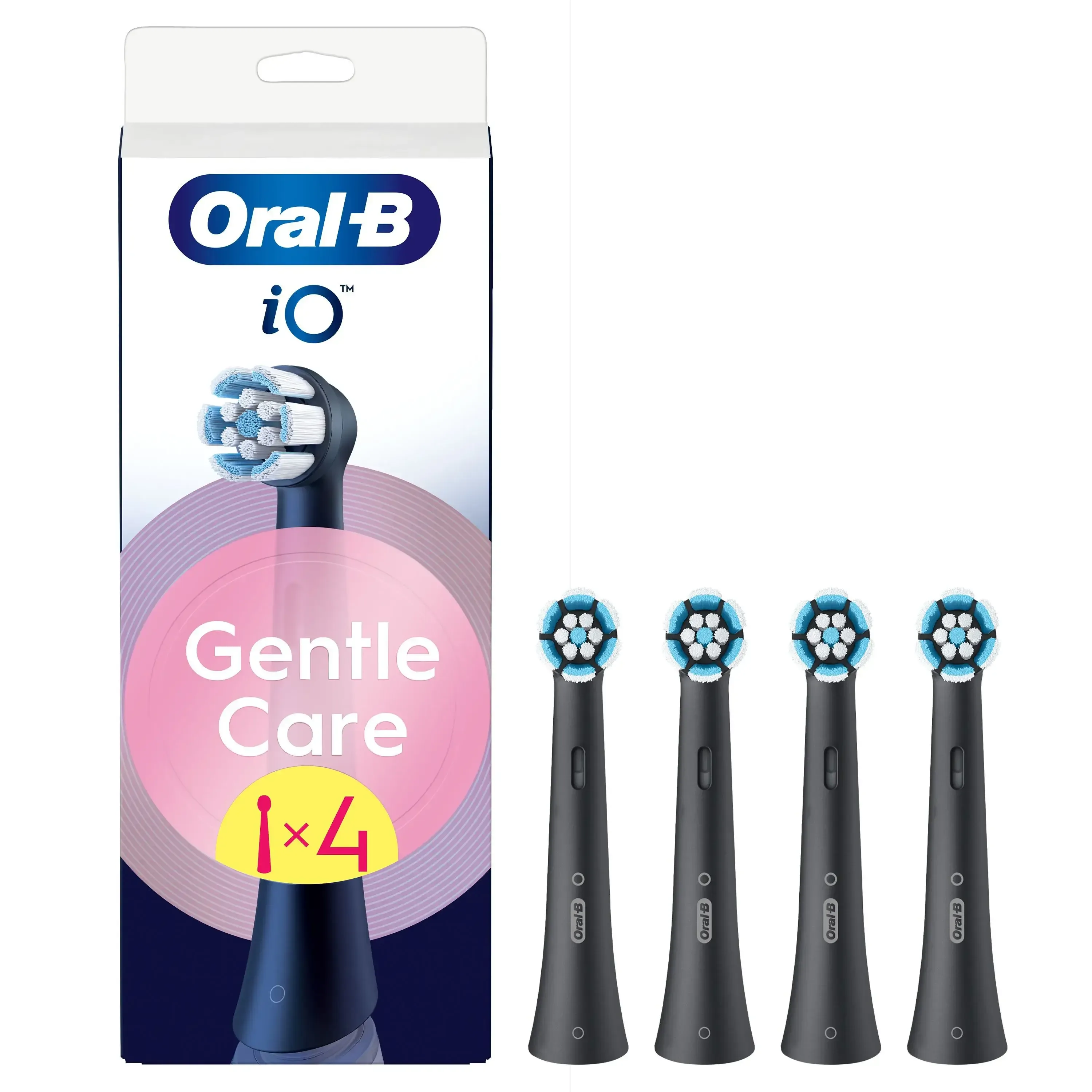
Gum Care mode: a gentler setting for sensitive gums.
2-minute timer: helps you brush for the time dentists recommend.
Coverage tracking in the Oral-B App: shows areas you may have missed.
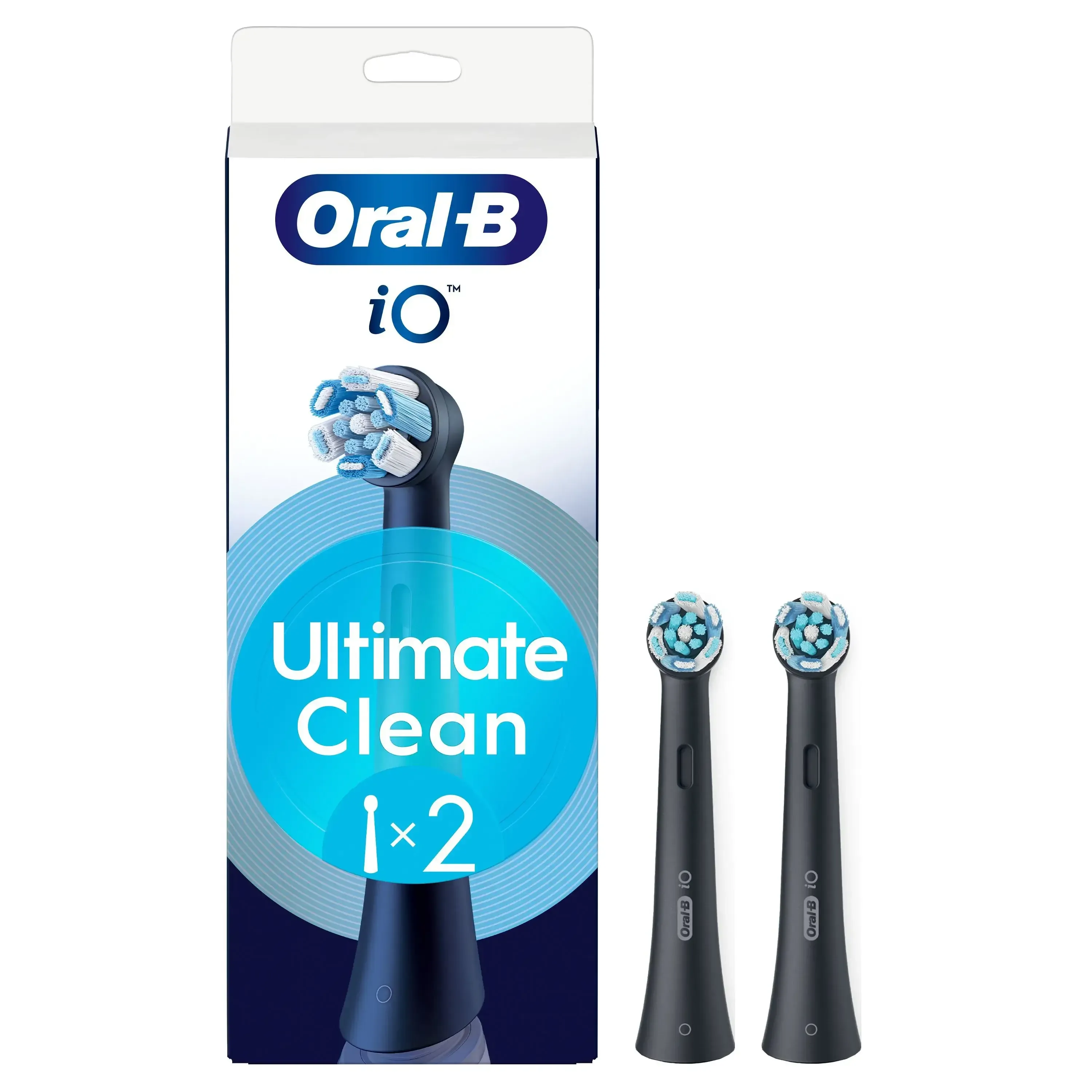
Pair your brush with iO Ultimate Clean brush heads and replace them about every three months. To see the full comparison, read Oral-B iO vs sonic technology.
The Bottom Line
Both brush types beat manual brushing, but if gum health is your priority, independent evidence favours oscillating-rotating technology. Brush gently and consistently, and explore the Oral-B iO range to find the right brush for your gums.
FAQs
Is a sonic or oscillating-rotating toothbrush better for gums?
An oscillating-rotating toothbrush is better for gums based on current evidence. A 2026 network meta-analysis of 19 randomised controlled trials ranked oscillating-rotating technology first for reducing plaque and gingivitis. Sonic brushes still clean better than manual brushes, but they ranked lower for gum health.
Is a sonic toothbrush gentler on sensitive gums?
A sonic toothbrush is not automatically gentler on sensitive gums. Gentleness depends mainly on how hard you press and how you guide the brush. Choosing a brush with a pressure sensor and a gentle cleaning mode is the most reliable way to protect sensitive gums.
How quickly can my gums get healthier with an electric toothbrush?
Gums can start to improve within a few weeks of consistent brushing twice a day. With Oral-B oscillating-rotating electric toothbrushes, gingivitis patients transition to healthy 4 weeks earlier than with sonic toothbrushes.2 See a dentist if bleeding or swelling continues.
Can an electric toothbrush help with gingivitis?
Yes, an electric toothbrush can help with gingivitis by removing plaque, the main cause of gum inflammation. Cochrane research found powered toothbrushes reduce plaque and gingivitis more than manual brushes. Gingivitis is usually reversible with good daily cleaning and regular dental check-ups.
What is the best electric toothbrush for bleeding gums?
The best electric toothbrush for bleeding gums removes plaque thoroughly along the gumline without needing hard pressure. An oscillating-rotating brush with a pressure sensor, such as Oral-B iO, is a strong choice. If your gums keep bleeding despite better brushing, book a dental check-up.
Does Oral-B iO use sonic or oscillating-rotating technology?
Oral-B iO uses oscillating-rotating technology, not sonic. Its round brush head rotates back and forth to clean tooth by tooth, while gentle micro-vibrations add to the clean. This combination is designed to remove plaque along the gumline with a smooth brushing feel.
Bibliography
Based on research ranking efficacy of toothbrush technologies published in 2026