Oscillating-rotating and sonic toothbrushes are the two main electric toothbrush technologies, and they clean in completely different ways. An oscillating-rotating toothbrush uses a round head that rotates back and forth around each tooth; a sonic toothbrush uses an elongated head that vibrates rapidly side to side. Both remove more plaque than a manual brush, but the motion affects how much of each tooth actually gets cleaned.
What's the Difference Between a Rotating and a Sonic Toothbrush?
The difference is the direction and size of the movement: oscillating-rotating brushes turn a round head around each tooth, while sonic brushes vibrate an elongated head rapidly from side to side.
What is an oscillating-rotating toothbrush?
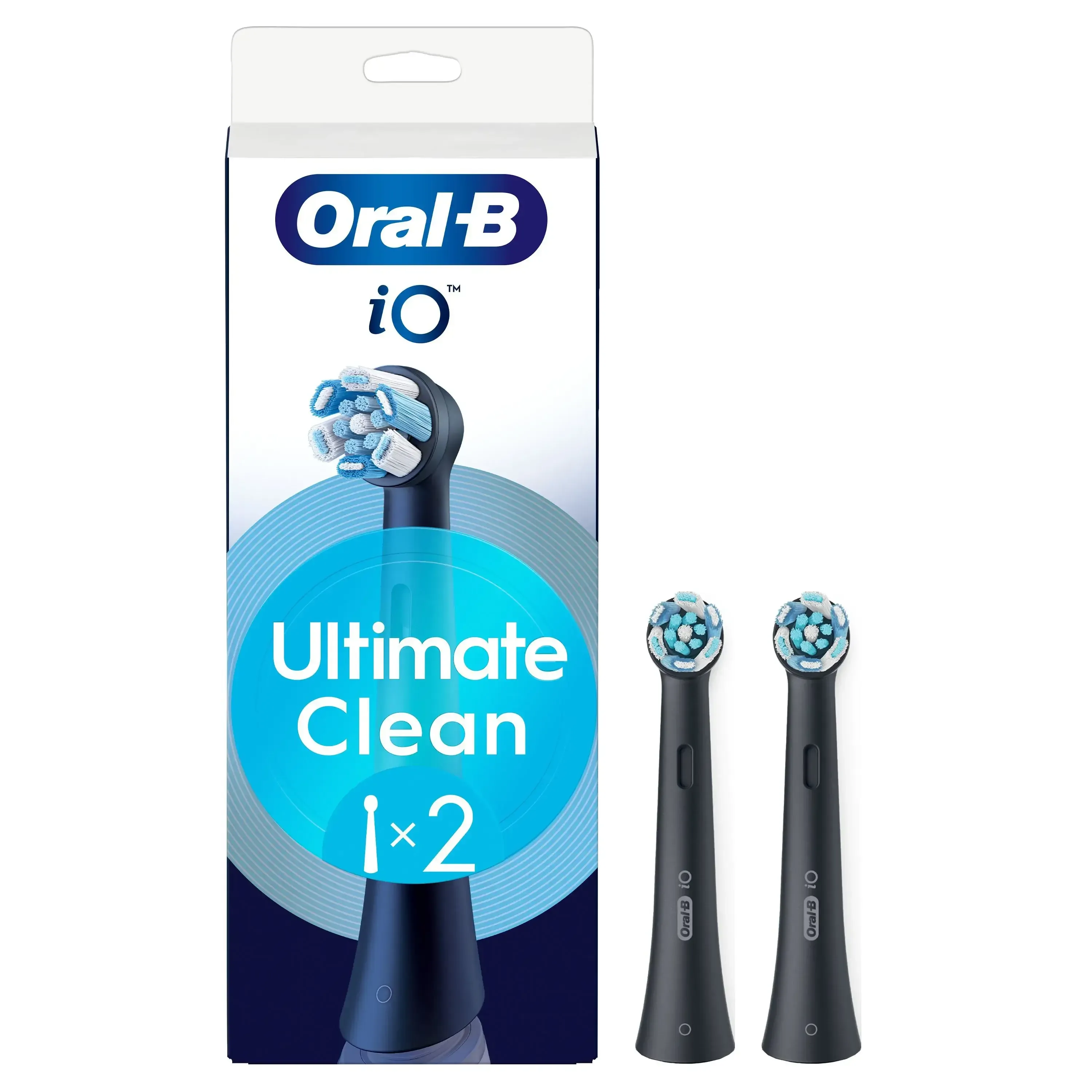
An oscillating-rotating toothbrush has a small, round head that spins one way, then the other, sweeping a wide arc with every stroke. Oral-B has used a dentist-inspired round head since 1991; the shape wraps around each tooth so the bristles follow its curve and clean along the gumline.
What is a sonic toothbrush?
A sonic toothbrush has a longer, rectangular head - similar in shape to a manual toothbrush - that vibrates side to side at high frequency. The movement is driven from the handle rather than the bristles, and the sweep is narrow, at roughly 12 degrees, so you generally need to guide the brush along the teeth yourself.
Which One Actually Cleans Your Teeth Better?
Both remove plaque effectively, but the evidence points to oscillating-rotating as the stronger performer. A Cochrane review of powered toothbrush types found that oscillating-rotating brushes reduced plaque and gingivitis more than side-to-side brushes, while noting the overall evidence was limited.
Three things matter when comparing them:
Plaque removal: a round head is positioned tooth by tooth, helping it reach plaque along the gumline and between teeth.
Gum protection: consistent gumline contact supports better gum health and helps reduce the inflammation behind gingivitis.
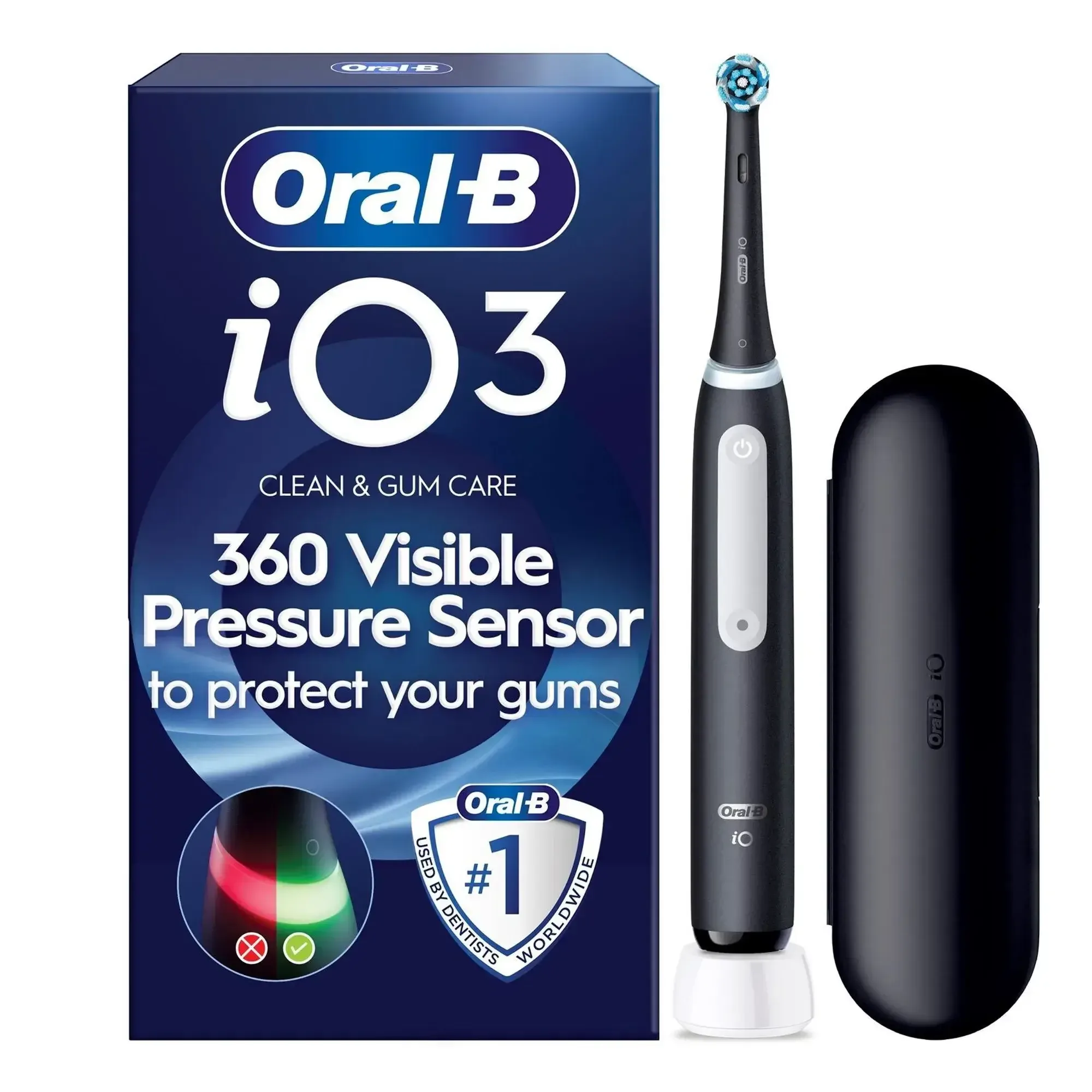
Pressure sensing: most electric brushes warn you when you press too hard. Oral-B iO goes further, turning green when pressure is right, red when it is too hard and white when you are brushing too lightly.
Which One Is Gentler on Sensitive Gums and Teeth?
Neither motion is inherently harsher - what damages gums is brushing too hard, not the technology. Excessive pressure can wear enamel and cause gums to recede, which is why real-time pressure feedback matters more than the type of motion.
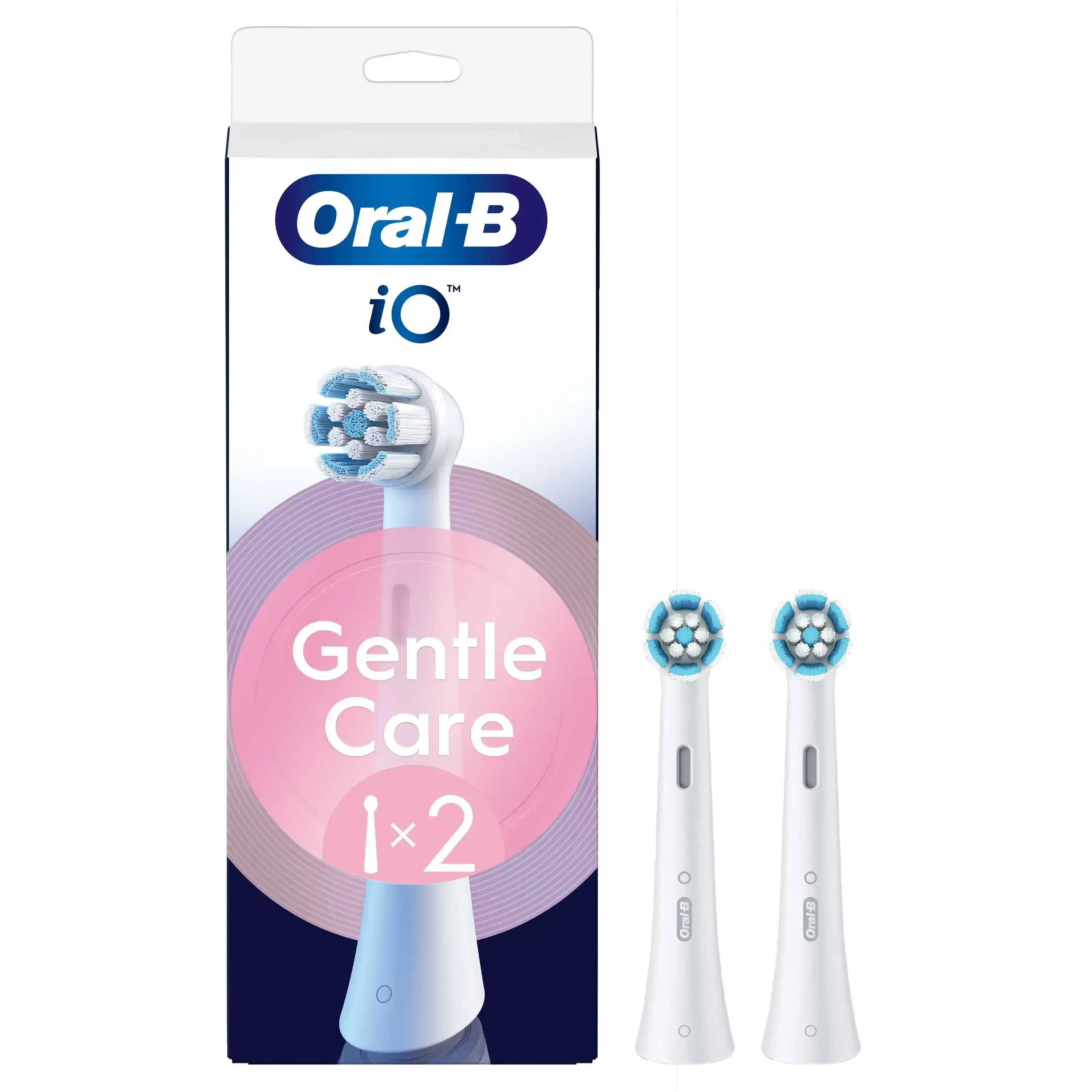
If your gums bleed, feel tender or look swollen, that can be an early sign of gum disease and is worth raising with your dentist. A sensitive or gum-care mode lets you clean thoroughly without pressing harder. It is worth reading how electric toothbrushes help prevent gum disease before you switch.
Which Toothbrush Should You Choose?
Choose based on how you brush now and what you want to improve:
Switching from a manual brush: an oscillating-rotating brush is the easier upgrade - the round head does the work, so you simply hold it against each tooth.
If plaque builds up quickly: prioritise a round head with a pressure sensor to keep bristles on the gumline.
Sensitive gums or recession: look for a gum-care mode and a sensor that tells you when you are pressing too hard.
Used to a manual-shaped head: a sonic brush may feel familiar, but you must guide it carefully across every surface.
Want the most thorough clean: choose a brush that combines both motions.
What Do Dentists Say?
Dental professionals broadly recommend powered brushing, and Oral-B is the #1 Most Used Toothbrush Brand by Dentists in the UK, with 9 out of 10 UK dentists using or recommending Oral-B electric toothbrushes1. Dentists also stress technique works alongside technology: brush twice a day, for two minutes, with fluoride toothpaste, and let the brush do the work rather than pressing too hard.
Why Choose Between Them When Oral-B iO Does Both?
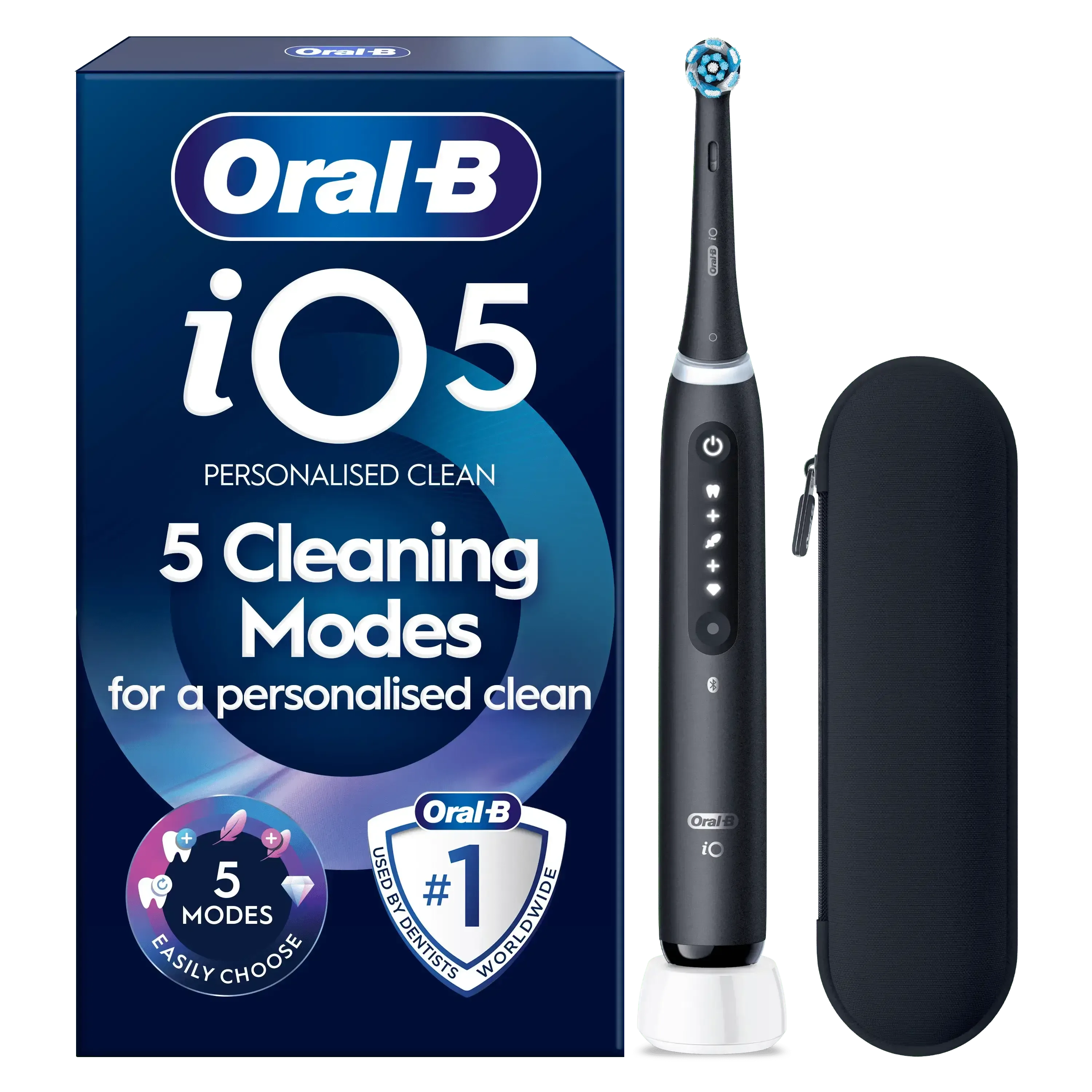
Oral-B iO removes the need to choose because it combines both cleaning motions in one brush. Its 2-in-1 technology works in two stages: gentle micro-vibrations loosen plaque first, then the oscillating-rotating round head sweeps it away.
Powering both is a linear magnetic drive. Most electric toothbrushes use a motor with mechanical gears, which loses energy to friction on the way up the handle. A magnetic drive works without those gears: magnets in the motor and in the brush head connection carry the energy almost loss-free, straight to the bristle tips. In practice that means more of the power reaches the part of the brush actually touching your teeth - and, with no gears grinding away, the brush runs more quietly too.
Oral-B iO cleans away 60% more plaque along the gumline and delivers 30% healthier gums, and is up to 2x quieter than previous generation Oral-B electric toothbrushes1.
Explore the Oral-B iO Electric Toothbrush Series to find the model that suits your routine.
The Bottom Line
The round-head oscillating-rotating motion is built to clean tooth by tooth and along the gumline, while sonic relies on side-to-side vibration and more input from you. If you want both, Oral-B iO delivers them together.
Frequently Asked Questions
Is an oscillating or sonic toothbrush better for gum health?
Oscillating-rotating toothbrushes have the stronger evidence base for gum health as they reduce plaque and gingivitis more than side-to-side brushes, though both types are better for your gums than manual brushing. Pressure control matters just as much as motion.
Do dentists recommend oscillating-rotating or sonic toothbrushes?
Dentists recommend powered toothbrushes generally, and many favour oscillating-rotating models for everyday plaque control. Oral-B is the #1 Most Used Toothbrush Brand by Dentists in the UK, with 9 out of 10 UK dentists using or recommending Oral-B electric toothbrushes.
Can I switch from a sonic toothbrush to an oscillating-rotating one?
Yes, you can switch at any time and there is no adjustment period for your teeth or gums. The technique differs: instead of sweeping along the arch, hold the round head against each tooth for a few seconds and let it do the work.
Which toothbrush motion is best for sensitive teeth and gums?
Either motion suits sensitive teeth if used gently, so choose on features rather than technology. A sensitive or gum-care mode and a visible pressure sensor matter most, because brushing too hard is what irritates gums and wears enamel.
Does Oral-B iO use sonic or oscillating-rotating technology?
Oral-B iO uses oscillating-rotating technology combined with micro-vibrations, not sonic technology. Its round head rotates around each tooth while bristle-generated micro-vibrations break down plaque - what Oral-B calls 2-in-1 technology.
References
1. Oral-B iO5-10 with Ultimate Clean Brush Head vs Sonicare DiamondClean with Premium Plaque Control brush head; research published in Am J Dent 2021;34:54-60