Quick answer:
What causes tooth nerve pain?
Tooth nerve pain usually comes from inflammation or irritation of the tooth’s pulp caused by deep decay, trauma, gum recession or infection. It commonly feels sharp, shooting or throbbing and can be made worse by hot, cold or biting. If pain is severe, persistent or accompanied by swelling or fever, seek dental care promptly; mild pain may respond to short-term measures while you arrange treatment.
Tooth nerve pain is a common cause of sharp, throbbing or lingering tooth sensitivity and can seriously affect daily life. Many people experience sudden or persistent tooth nerve pain and want to know why and what to do. Pulpitis is an inflammation of the dental pulp, and it is one of the most common causes of nerve-related tooth pain, particularly when decay or infection reaches the inner part of the tooth. Nerve pain in a tooth can come from decay, trauma, gum loss or infection and sometimes needs prompt dental care to avoid complications. If you're experiencing ongoing discomfort, learn more about the causes and treatment options for toothache.
In this article we explain what nerve pain feels like, the main causes, key symptoms, when to see a dentist, home and professional treatments, and how an effective oral routine with Oral‑B can help prevent problems.
What is tooth nerve pain?
Tooth nerve pain is pain that originates from the tooth’s inner tissues and nerves, usually felt as sharp, shooting or constant discomfort.
This pain occurs when the dental pulp or nerves inside a tooth become irritated, inflamed, or infected. If left untreated, inflammation can progress and affect the health of the tooth, sometimes leading to infection or tooth loss. It matters because untreated nerve inflammation can progress to infection and tooth loss. Conditions associated with nerve pain include pulpitis, dental abscess and advanced tooth decay.
What are the common causes of tooth nerve pain?
The most common causes of nerve pain in a tooth include tooth decay, gum recession, dental abscesses, enamel erosion (gradual loss of the tooth’s hard, protective outer layer), teeth grinding, and irritation following dental treatment. These conditions can damage or expose the tooth's inner tissues, leading to inflammation and pain.
Tooth decay
Tooth decay causes nerve pain when bacteria erode enamel and dentine, reaching the pulp and irritating nerves.
If decay reaches deep into a tooth, it can expose or inflame the pulp. For advice on early signs and prevention, see Oral‑B’s page on tooth decay.
Gum recession
Gum recession (gradual loss or retraction of the gum margin) exposes root surfaces and dentine, which can increase sensitivity and allow irritants to reach nerve endings.
When gums pull back, the softer root area is unprotected, making temperature or acidic foods painful. In some cases, this can contribute to symptoms that feel similar to an exposed nerve in a tooth, especially when consuming hot, cold, or sweet foods. Over time, this can develop into more serious pulp symptoms if left untreated.
Dental abscess
A dental abscess is an infection at the tooth root or gum that causes intense, throbbing pain, swelling, and sometimes a bad taste in the mouth. Prompt treatment is important because the infection can spread if left untreated.
An abscess pushes pressure onto surrounding tissues and nerves; it requires prompt professional care to drain the infection and treat the cause.
Enamel erosion
Enamel erosion wears away the tooth’s protective outer layer, exposing dentine and sometimes the pulp. As enamel wears away, an exposed nerve in a tooth may become more vulnerable to irritation from everyday triggers.
Frequent acidic food or drink, and some medical conditions, accelerate erosion. Read more about causes and treatments for enamel erosion.
Teeth grinding (Bruxism)
Grinding strains tooth structure and can lead to fractures or dentine exposure that irritates nerves.
Persistent clenching slowly damages enamel and may transmit forces to the pulp, producing pain or sensitivity even without decay.
Recent dental procedures
Recent fillings, crowns or deep cleaning may temporarily inflame the pulp and cause short-term nerve pain.
Often this settles within a few days to weeks, but persistent or worsening pain after dental work should be checked by the treating dentist.
What are the symptoms of tooth nerve pain?
Tooth nerve pain typically causes sharp sensitivity, lingering discomfort, or throbbing pain that may worsen when eating, drinking, or biting down. Common symptoms include:
Sharp, sudden pain in response to hot or cold.
Throbbing, constant tooth pain that may keep you awake.
Pain when biting down or chewing.
Localised swelling, bad taste or discharge if infection is present.
Increased sensitivity to sweet or acidic foods.
If you have any of these symptoms, monitor severity and seek dental advice if pain persists or worsens.
When should I go to the doctor for tooth nerve pain?
You should see a dentist promptly if pain is severe, persistent beyond 48–72 hours, or accompanied by swelling, fever, or difficulty breathing or swallowing.
These signs suggest spreading infection or abscess formation and need urgent treatment. According to NHS guidance, immediate dental assessment prevents complications and tooth loss.
How should I treat and manage tooth nerve pain?
To treat tooth nerve pain effectively, the underlying cause must be identified and addressed, whether that is decay, infection, gum recession, or tooth damage. While short-term measures can help relieve discomfort, lasting treatment often requires professional dental care. Below are common at-home steps and treatment options.
At-home immediate actions (short-term relief):
These measures can provide temporary tooth nerve pain relief while you arrange a dental appointment.
Paracetamol or ibuprofen as directed for pain relief.
Avoid very hot, cold, acidic or crunchy foods that trigger pain.
Rinse with warm salt water to reduce irritation.
Apply a cold compress for swelling outside the cheek.
Professional dental treatments:
Your dentist will recommend the most appropriate tooth nerve pain treatment, which may include a filling, root canal treatment, or extraction.
Fillings: remove decay and restore the tooth when pulp is not severely affected.
Root canal treatment: remove infected pulp and seal the root to save the tooth. Your dentist will assess the tooth using a clinical examination and, where necessary, X-rays to recommend the most appropriate treatment. Root canal treatment is commonly used to manage inflamed or infected pulp while preserving the tooth
Extraction: remove severely damaged teeth that cannot be saved.
Antibiotics: only if there is spreading infection or systemic symptoms; used alongside definitive dental care.
Can a thorough oral health routine with Oral‑B help prevent tooth nerve pain?
Yes, a consistent oral hygiene routine reduces the main causes of nerve pain such as decay and gum disease, and using effective tools helps protect enamel and gums.
Maintaining healthy gums is an important part of overall oral health. Researchers conducted a network meta-analysis using data from 19 randomized clinical trials to compare toothbrush technologies. Oscillation rotation, the cleaning technology used in Oral-B iO, emerged as the highest-ranked technology for gingivitis reduction. These results indicate it can be an effective option for people looking to improve gum health.
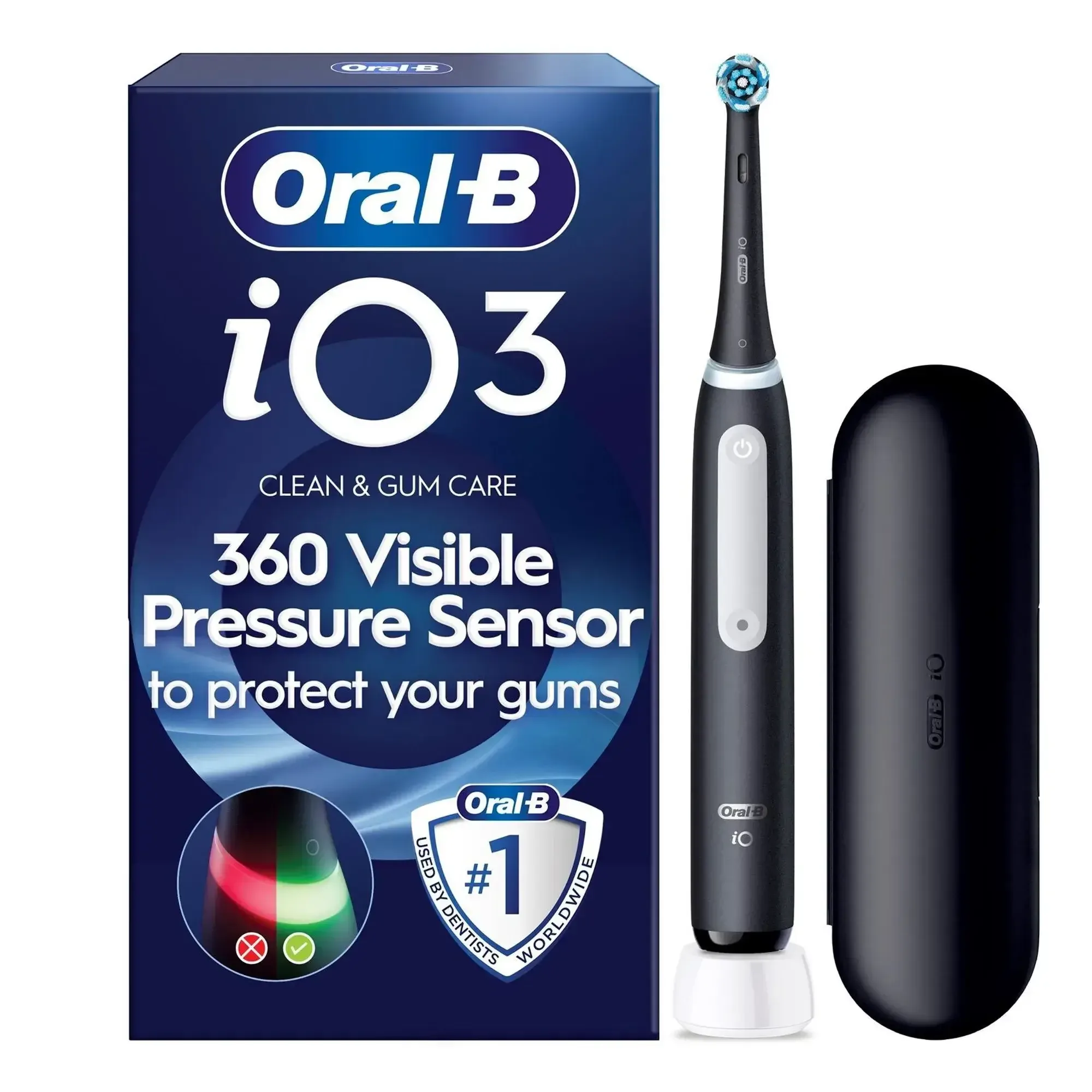
Using an effective brush and correct technique helps remove plaque and reduces risk. The Oral‑B iO Electric Toothbrush Series provides a gentle, clinically proven clean and intuitive pressure sensors that protect gums and enamel, helping lower the chance of issues that might expose the pulp.
Combine daily brushing twice a day, interdental cleaning, a balanced diet, and regular dental check-ups to catch problems early and avoid nerve complications.
Summary
Tooth nerve pain commonly results from pulp inflammation due to decay, erosion, trauma, bruxism or infection. Mild cases may ease with short-term remedies, but persistent nerve pain in a tooth should always be assessed by a dentist, particularly if symptoms worsen or are accompanied by swelling.
Next steps:
If your pain is mild: use analgesics as advised, avoid triggers, and book a dental appointment within a few days.
If severe, swollen, feverish or breathing/swallowing are affected: seek urgent dental or medical care.
Improve daily oral care: brush twice daily, clean between teeth, reduce acidic foods, and consider an electric brush like the Oral B iO Electric Toothbrush Series to reduce plaque and protect gums.
FAQs
Why does my tooth throb?
A throbbing tooth often indicates inflammation or pressure from an infection or abscess. It can be caused by deep decay, injury, or pulp inflammation. If the pain is persistent, severe, or accompanied by swelling, it is important to seek dental advice.
Can dental work trigger tooth nerve pain?
Yes. Procedures that are deep or close to the pulp can cause temporary nerve irritation. Expect brief sensitivity; persistent or worsening pain after work should be checked by your dentist.
Does tooth nerve pain ever go away on its own?
Minor irritation may settle on its own, but pulpitis and dental abscesses usually require professional treatment. Delaying care can increase the risk of infection, ongoing pain, and damage to the tooth.