Quick answer:
What is dentin hypersensitivity?
Dentin hypersensitivity is a common condition where exposed dentin causes short, sharp tooth pain when teeth encounter hot, cold, sweet, acidic, or touch-related triggers. It develops when enamel or gum tissue no longer fully protects the dentin, allowing sensations to reach the tooth’s nerve. Although it can make everyday activities uncomfortable, dentin hypersensitivity is usually manageable with the right treatment, gentle oral care, and support from your dental professional.
Dentin hypersensitivity is a common condition that causes short, sharp tooth pain when exposed dentin reacts to hot, cold, sweet, acidic, or touch-related triggers. Dentin is the inner layer of the tooth beneath the enamel, containing tiny tubules that connect to the nerve inside the tooth. It develops when enamel or gum tissue no longer protects the dentin, allowing sensations to reach the tooth’s nerve. Although it can make everyday activities uncomfortable, it is often manageable with the right treatment and oral care. This article explains the causes, symptoms, treatments, prevention, and how Oral-B can help.
What is dentin hypersensitivity?
Dentin hypersensitivity is a form of tooth sensitivity caused by exposed dentin, leading to short, sharp pain when your teeth come into contact with hot, cold, sweet, acidic, or tactile stimuli. It typically feels like a sudden, sharp or shooting pain that stops once the stimulus is removed.
This condition develops when enamel or gum tissue no longer protects the dentin effectively. Tiny channels in dentin, called tubules, allow temperature and pressure changes to reach the tooth nerve more easily, which triggers pain. These dentin tubules are microscopic pathways that extend from the outer dentin surface towards the pulp, and when they are exposed, stimuli can travel quickly to the nerve.
According to PMC, dentin hypersensitivity is common in adults and is often linked to enamel erosion, gum problems, or tooth wear.
What causes dentin hypersensitivity?
Dentin hypersensitivity develops when enamel or gum tissue no longer protects the dentin, leaving it exposed to everyday triggers. Several different dental problems can lead to this exposure, often building up over time.
Enamel erosion
Enamel erosion (gradual loss of tooth enamel caused mainly by acids from food, drinks, or stomach acid, rather than by bacterial decay) wears away the tooth's protective outer layer, exposing dentin and increasing sensitivity. Acidic foods, fizzy drinks, aggressive brushing, and abrasive toothpaste can all contribute to enamel loss. Clinical studies have shown that long-term acid exposure is a key factor in dentin hypersensitivity development, particularly on the outer surfaces of teeth.
You can learn more about enamel loss and how to protect it in Oral-B’s guidance on enamel erosion.
Tooth decay
Tooth decay (also called dental caries, is a disease process where bacteria in plaque produce acids that dissolve minerals from enamel and dentin) exposes dentin as cavities progress through the enamel, increasing tooth sensitivity. If left untreated, cavities can lead to persistent pain and infection. Evidence from dental research highlights that dentin hypersensitivity may sometimes be the first noticeable sign of early decay in certain areas.
For more information about decay and its management, see Oral-B’s page on tooth decay.
Gum recession
Gum recession (process where the margin of the gum tissue moves away from the crown of the tooth) exposes the tooth root, where dentin is protected by a much thinner outer layer than enamel. When gums recede due to periodontal disease, aggressive brushing, or age-related changes, dentin can become exposed, leading to heightened sensitivity. As per PMC, dentin hypersensitivity is especially common on exposed root surfaces in people with gum problems.
Cracked or chipped teeth
Cracked or chipped teeth can expose dentin directly or irritate the tooth nerve, leading to sensitivity. Even small cracks caused by biting hard foods, grinding, or accidents can trigger pain when biting or exposed to hot or cold temperatures. If left untreated, these cracks can worsen and increase both sensitivity and the risk of infection.
What are the signs and symptoms of dentin hypersensitivity?
Dentin hypersensitivity symptoms usually include short, sharp tooth pain triggered by hot, cold, sweet, acidic, or tactile stimuli. The pain usually stops once the trigger is removed. Common symptoms include:
Sensitivity to cold drinks, ice cream, or cold air
Discomfort with hot drinks or food
Pain with sweet or acidic foods and drinks
Sensation when brushing, flossing, or having a professional cleaning
Localised pain in one or more teeth without obvious deep decay
These symptoms can resemble other dental conditions, so see a dentist for an accurate diagnosis if they persist.
How to treat and manage dentin hypersensitivity?
Dentin hypersensitivity treatment aims to reduce pain, protect exposed dentin, and address the underlying cause of sensitivity. Management usually starts with gentler, at-home options and may move to professional treatments if symptoms persist.
At-home remedies and over-the-counter products
At-home treatments can often relieve mild to moderate dentin hypersensitivity and help prevent symptoms from returning. These options include:
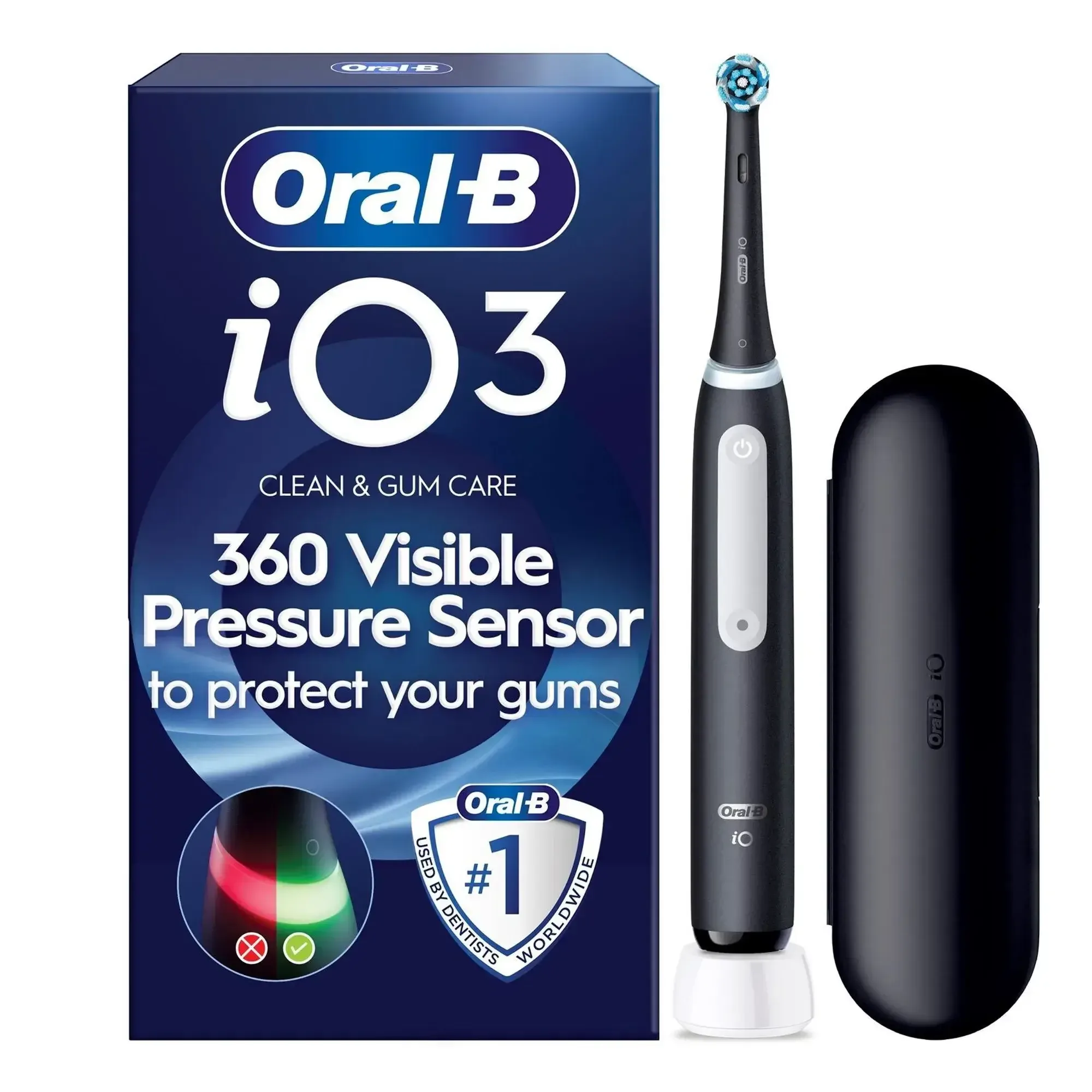
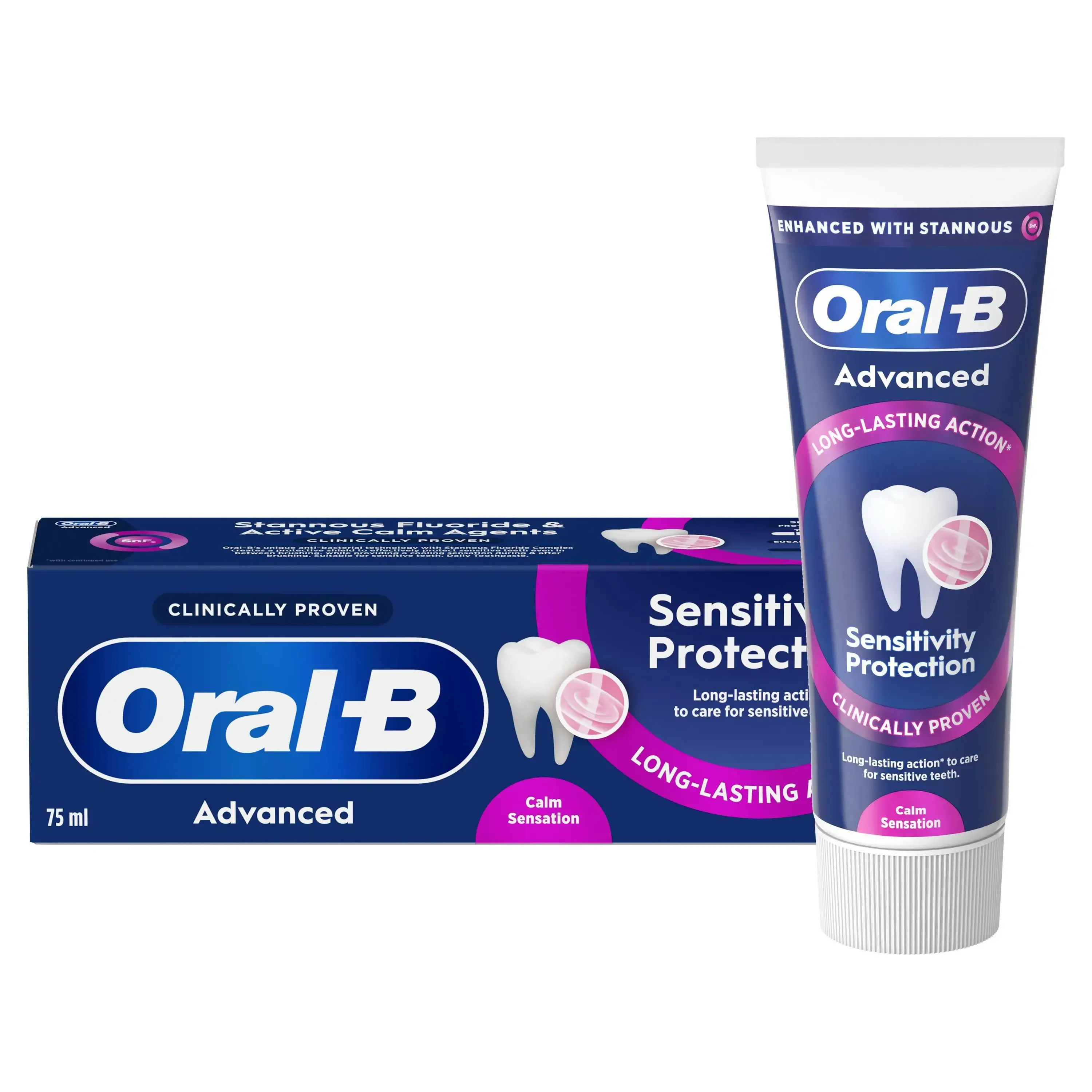
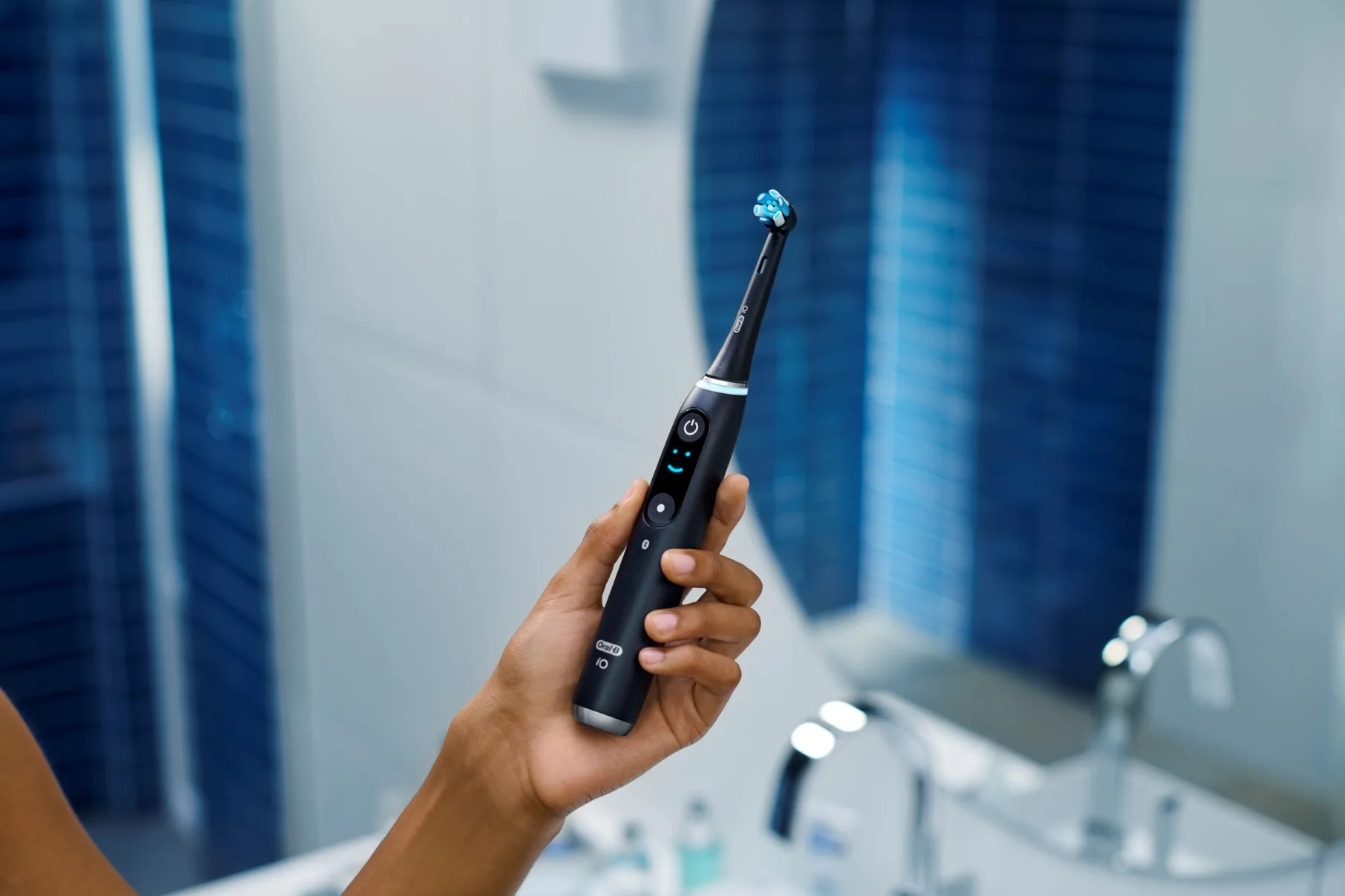
Desensitising toothpaste can help block dentin tubules or calm nerve signals with regular use. Pair it with a soft-bristled toothbrush, such as the Oral-B iO Electric Toothbrush Series, which cleans effectively while helping protect enamel and gums with pressure control technology.
Mouthwash for sensitive teeth, avoiding acidic foods, and brushing gently can also help reduce discomfort. Clinical papers highlight that regular use of desensitising toothpastes and good brushing habits can significantly reduce dentin hypersensitivity over time.
Professional dental treatments
Professional dental treatments are recommended when home care does not provide enough relief or when an underlying dental problem needs treatment. Your dentist will confirm whether dentin hypersensitivity or another dental condition is causing your symptoms.
Treatment may include fluoride applications, varnishes, sealants, fillings, bonding, or, in severe cases, root canal treatment. In more severe cases, particularly when the nerve is inflamed or infected, root canal treatment might be recommended to remove the source of pain. According to clinical literature, a combination of home care and targeted in-office therapies tends to give the best long-term results for persistent dentin hypersensitivity.
When should I see a dental professional regarding dentin hypersensitivity?
See a dental professional if tooth sensitivity is severe, persistent, or starts interfering with everyday activities. A dentist can identify whether exposed dentin is the main issue or if another condition is present.
Seek advice if pain lingers after the trigger is removed, you notice cracks, holes, swelling, or tooth colour changes, or discomfort affects chewing or sleep. A dentist can offer a clear diagnosis and suggest suitable treatment so that your sensitive teeth do not worsen over time.
How can I prevent dentin hypersensitivity?
Although dentin hypersensitivity cannot always be prevented, protecting your enamel and gums can significantly reduce your risk. Prevention focuses on protecting enamel, caring for gums, and limiting triggers that can lead to exposed dentin.
Brush twice daily with fluoride toothpaste, clean between your teeth, and use a gentle brushing technique to protect enamel, reduce plaque, and help prevent gum recession. Using an electric brush with pressure control can guide you to avoid brushing too hard.
The toothbrush you use can influence more than just how clean your teeth feel. In an independent review of over 1,300 study participants, oscillation rotation technology, the same round-head technology found in Oral-B iO achieved the highest ranking for reducing gingivitis among the technologies evaluated. The findings support its role in helping maintain healthier gums as part of a consistent brushing routine.
Limit acidic foods and drinks, and rinse with water afterwards to help protect enamel. If you grind your teeth at night, a mouthguard recommended by your dentist can help prevent chips and cracks. Research supports that combining professional advice, tailored home care, and lifestyle adjustments is the most effective way to lower the risk of dentin hypersensitivity over time.
For broader background on triggers and care strategies, see Oral-B’s overview of sensitive teeth.
How Oral-B helps you deal with dentin hypersensitivity
Oral-B helps support people with dentin hypersensitivity through gentle yet effective cleaning tools designed to protect enamel and care for sensitive teeth. A careful cleaning routine can protect enamel, care for your gums, and reduce the risk of new areas of exposed dentin.
The Oral-B iO Electric Toothbrush Series combines soft bristles with pressure control to clean effectively while helping protect enamel and gums. Pairing it with Oral-B's toothpastes can support enamel health and help reduce sensitivity as part of your daily routine.
Summary
Dentin hypersensitivity is manageable when the underlying cause is identified and treated early. Whether it is linked to enamel erosion, gum recession, tooth decay, or exposed dentin, good oral hygiene, gentle brushing, and regular dental check-ups can help reduce sensitivity and protect your teeth. If symptoms persist or worsen, see your dentist for an accurate diagnosis and personalised treatment plan.
FAQs
What’s the difference between normal sensitivity and dentin hypersensitivity?
Normal sensitivity is often mild and short-lived, for example when biting into something cold occasionally. Dentin hypersensitivity tends to cause sharper, more frequent pain triggered by everyday stimuli, due to exposed dentin and open tubules. A dentist can help confirm whether your symptoms match this condition.
What are the best toothpastes for sensitivity?
The best toothpaste for sensitivity is usually one specifically formulated for sensitive teeth, often containing ingredients that block dentin tubules or calm nerve response. Your dentist may recommend a particular product based on your needs. Consistent twice-daily use is more important than switching brands often.
Can dentin hypersensitivity go away on its own without treatment?
Mild sensitivity may improve if you avoid triggers and protect your teeth, but dentin hypersensitivity usually does not fully resolve without some form of targeted care. Desensitising toothpaste, gentle brushing, and professional treatments can all help reduce symptoms. Ignoring persistent pain may allow underlying problems to worsen.