This blog has been reviewed and approved by Dr Robert Lee, a dental professional of 35 years
That rough, hard edge behind your lower front teeth that brushing will not shift may be tartar, also called calculus. Tartar build-up does not appear from nowhere: it begins as soft, sticky plaque that could have been removed before it hardened. Once tartar forms, brushing cannot remove it safely, but thorough daily plaque removal can help stop more tartar forming.
This guide explains how plaque hardens, why professional removal is needed and how a consistent routine can keep plaque under control between dental check-ups.
What Is Tartar?
Tartar is hardened plaque that is firmly attached to the tooth surface. It is also called dental calculus and may feel rough or crusty rather than soft or sticky.
Tartar on teeth can look yellow, cream, brown or darker, particularly when deposits become stained. It often gathers along the gumline or behind the lower front teeth. By comparison, dental plaque is a soft film containing bacteria that develops on teeth and can be removed with effective daily cleaning.
How Does Plaque Turn Into Tartar?
Plaque turns into tartar when plaque that has not been removed takes up minerals from saliva and gradually hardens. The hardened deposit then bonds to the tooth surface.
The process is more noticeable in areas close to salivary gland openings, including behind the lower front teeth and beside the upper back teeth. Plaque may also remain in places that are easy to miss, such as between teeth, along the gumline and around crowded teeth or dental appliances. A specific hardening time is not universal, so the practical priority is to remove plaque thoroughly every day.
Why Can’t You Brush Tartar Away?
You cannot brush off tartar because hardened calculus is firmly bonded to the tooth. A toothbrush can remove plaque, but it cannot safely lift away an established deposit.
NHS Education for Scotland explains that hardened dental plaque may need treatment from a dental professional. Avoid DIY scraping tools and abrasive remedies because they may injure the gums or damage tooth surfaces. Tartar also has a rough surface that can make it easier for new plaque to collect. Learn more about plaque and tartar and speak to your dental team if you notice a hard deposit.
What Tartar Means for Your Teeth and Gums
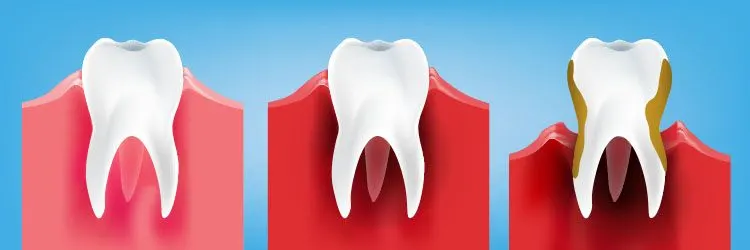
Tartar at the gumline can hold bacterial plaque against the gums, contributing to irritation, inflammation and bleeding. It may also collect stains and make it harder to clean the tooth surface effectively.
The NHS states that gum disease is caused by plaque build-up and that gums may become red, swollen, sore or bleed. Bad breath can also occur. These signs do not automatically mean there is a serious problem, but they should be checked by a dentist, especially if they persist. Very dark deposits may be described as black tartar and also warrant professional assessment.
Where Tartar Likes to Build Up
Tartar tends to form where plaque is repeatedly missed and where saliva supplies minerals that help it harden. Give extra attention to these common hotspots:
Clean these areas carefully rather than brushing harder. If access is difficult, ask your dentist or hygienist which interdental tool is suitable for you.
How to Stop Plaque Hardening Into Tartar
The best way to prevent tartar build-up is to remove plaque consistently before it hardens. You cannot remove existing tartar at home, but you can reduce the amount of plaque left on your teeth each day.
Brush for two minutes twice a day with fluoride toothpaste.
Guide the brush over every tooth surface and gently along the gumline.
Clean between the teeth every day with floss or an interdental brush suited to the spaces.
Consider a tartar-control toothpaste if your dental professional recommends one.
Replace the brush head when the bristles become worn, and at least around every three months.
Attend dental check-ups and hygienist appointments at the interval recommended for your individual needs.
Why Daily Plaque Removal Is Your Best Defence
Every bit of plaque you brush away today is plaque that can’t harden into tartar tomorrow. Once tartar has formed, a toothbrush can’t remove it. A toothbrush can stop plaque from getting that far, and how well you brush matters as much as how often.
The type of toothbrush you use plays a part too. A 2026 network meta-analysis of 19 randomised controlled trials ranked oscillating-rotating electric toothbrushes first for plaque reduction, ahead of sonic, ultrasonic and manual brushes. A Cochrane review also found that powered toothbrushes reduce plaque more than manual ones.
This is where Oral-B iO comes in. Built on oscillating-rotating technology, the cleaning technology of Oral-B iO is the #1 for plaque removal and gum care.1 Plaque is also what irritates the gums. Oral-B iO removes 2X more plaque than a manual toothbrush to help prevent gum problems.
How Oral-B iO9 Helps Prevent Tartar Build-Up
Oral-B iO 9 helps prevent tartar build-up by supporting thorough plaque removal before plaque hardens. It does not remove tartar that is already attached to the teeth.
The round brush head combines oscillating-rotating movement with micro-vibrations to clean tooth by tooth and along the gumline. A two-minute timer supports the recommended brushing time, while coverage tracking through the Oral-B App can help you notice areas that may otherwise be missed. The Smart Pressure Sensor guides you towards effective, gentle pressure.
It’s a brand dental professionals know well: Oral-B #1 Most Used Brand by Dentists worldwide. Explore the Oral-B iO 9 as part of a consistent plaque-control routine.
Brush thoroughly twice a day, clean between the teeth and follow the check-up schedule recommended by your dental team. Oral-B iO9 can support effective plaque removal as part of that preventive routine.
What Happens When a Hygienist Removes Tartar?
A dentist or hygienist removes tartar with professional instruments during a routine cleaning often called a scale and polish. Scaling removes hardened deposits, while polishing smooths and cleans the tooth surface.
The amount of cleaning required and how often it is needed depend on your oral health and your dental professional’s advice. If deposits extend below the gumline or gum disease is present, deeper cleaning may be recommended. Read about scaling and root planing for more information.
The Bottom Line
Tartar is plaque that was not removed before it hardened. Once it forms, only a dentist or hygienist can remove it safely, but good daily plaque control can help prevent further build-up.
Brush thoroughly twice a day, clean between the teeth and follow the check-up schedule recommended by your dental team. Oral-B iO9 can support effective plaque removal as part of that preventive routine.
FAQs
How long does it take for plaque to turn into tartar?
Plaque can begin hardening when it is not removed, but the exact timing varies and the supplied authoritative sources do not establish one universal timeframe. The safest approach is to remove plaque every day with effective brushing and interdental cleaning rather than waiting for a visible deposit.
Can you remove tartar at home?
No. Once plaque has hardened into tartar, it must be removed safely by a dentist or hygienist. Do not use metal scrapers or abrasive home remedies, as these may injure your gums or damage tooth surfaces.
Can an electric toothbrush remove tartar?
No electric toothbrush can remove tartar that has already hardened on the teeth. An electric toothbrush can remove plaque before it hardens, which helps prevent tartar build-up when it is used consistently and correctly.
What does tartar on teeth look like?
Tartar may look like a hard yellow, cream or brown deposit along the gumline or behind the lower front teeth. It usually feels rough and does not move when brushed. Darker staining can make some deposits appear brown or black.
Does tartar-control toothpaste work?
Tartar-control toothpaste may help reduce new build-up as part of an effective oral-care routine, but it cannot remove existing tartar. Brushing technique, cleaning between teeth and professional care remain important.
How often should tartar be removed by a dentist or hygienist?
There is no single schedule that suits everyone. Your dentist or hygienist should recommend an interval based on your tartar build-up, gum health, cleaning effectiveness and individual risk level.
Can tartar cause bleeding gums?
Tartar at the gumline can make plaque control more difficult and keep bacteria close to the gums, contributing to inflammation and bleeding. The NHS advises seeing a dentist if your gums bleed, become swollen or remain sore.
References
^ Based on research ranking efficacy of toothbrush technologies published in 2026
About Our Medical Reviewers
Dr Robert Lee is a dentist with more than thirty years of experience in the industry.
Graduating from the University of Sydney with a Bachelor of Dental Surgery and from the University of New South Wales with a Master of Business Administration, Robert’s career has taken him all over the world – from Australia to Germany to his current position in Chicago, where he is the founder of Denticus Inc., offering strategic dental consulting.
Robert has previously worked for Procter & Gamble as the Director of Professional Scientific Relations in both the Cincinnati and Sydney offices, being responsible for external relations and scientific exchange with leading professional associations and industry thought leaders. He was also responsible for all technical and scientific training for the professional teams in North America and Australia.
Robert has been assisting the team at Oral-B by fact-checking and reviewing our blogs on dental health.