Treatment Options
There are a lot of treatment options you can do at home. They’re relatively simple but could help solve the issue.
Improve Oral Hygiene
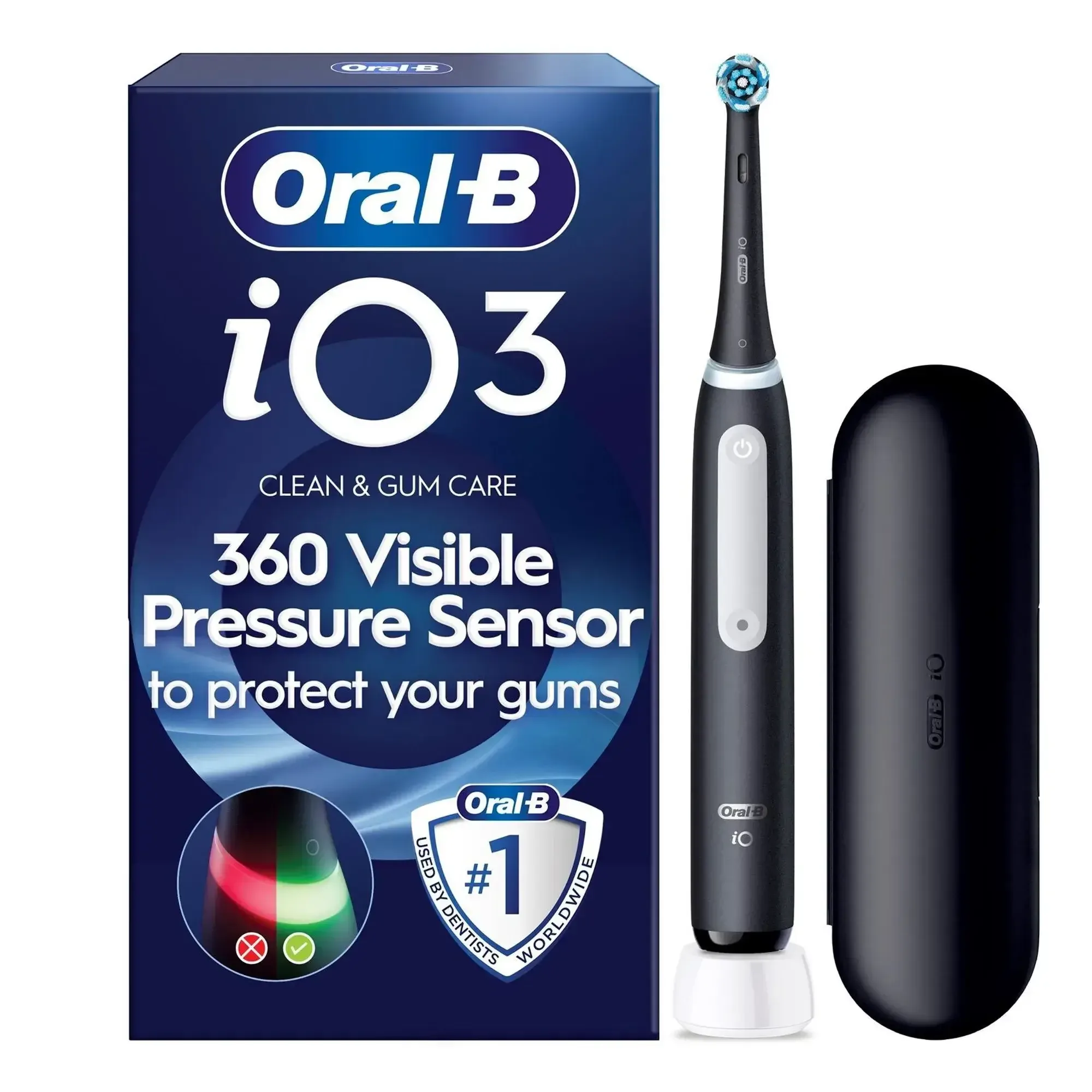
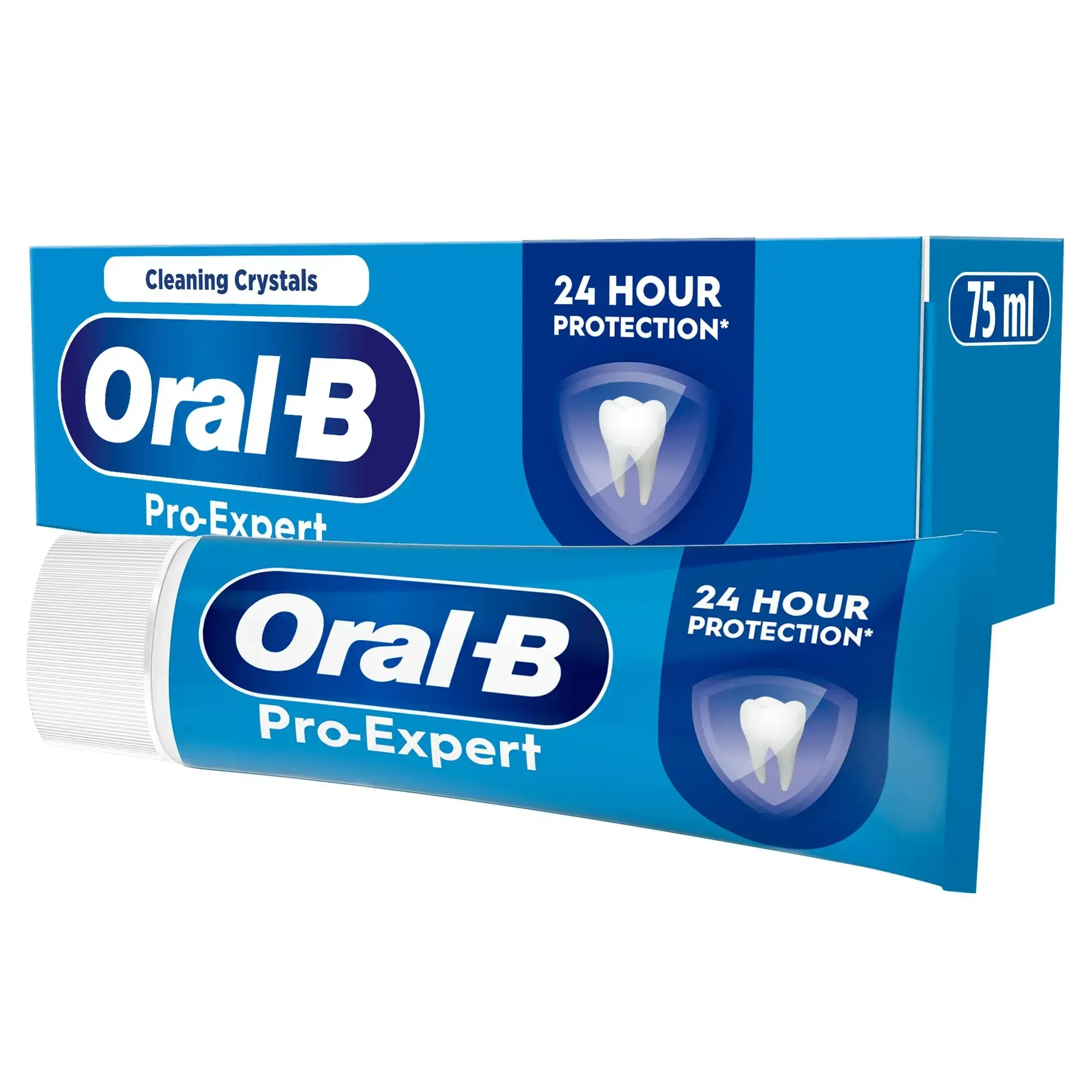
Brush your teeth at least twice a day with toothpaste that contains stannous fluoride and floss daily. Brush your tongue to remove accumulated bacteria.
You can also use an antibacterial mouthwash to help reduce the metallic taste.
Stay Hydrated
Drink plenty of water throughout the day. It helps keep your mouth moist and can dilute any substances causing the metallic taste.
Adjust Your Diet
Eating foods that mask the metallic taste can help, such as citrus fruits, sour foods such as pickles, and foods with vinegar.
Avoid food that may intensify the metallic taste, including spicy, overly sweet, or processed foods.
Use Non-Metallic Utensils
Using non-metallic utensils can prevent the metallic taste from being intensified during meals, so consider switching to wood, bamboo, or plastic.
Consult Your Healthcare Provider
If the metallic taste persists or is bothersome, make an appointment to determine if there is an underlying condition. These could include a nutritional deficiency, a side effect from medication, or an infection. Then they can plan an appropriate treatment, whether that’s a medication adjustment or a supplement recommendation.