The Evolution of Periodontal Maintenance
Versions of periodontal maintenance have existed since the middle of the 20<sub>th</sub> century. In its early days, it focused on removing plaque and calculus from tooth surfaces, and in more advanced cases, surgical removal of soft and hard tissues. There was much less emphasis on patient education and long-term home care.
Periodontal maintenance as we know it today really came into its own in the 1970s as studies demonstrated that plaque accumulation was a key factor in the development and progression of periodontal disease. That helped refine the treatment plans, and also led to a greater emphasis on helping patients understand how to both prevent and help abate the gum disease that was the root cause.
The schedule also evolved as research showed that patients receiving more frequent periodontal maintenance visits experienced better outcomes compared to those with less frequent care. That’s why your dentist might prescribe visits at three to four-month intervals, though the frequency can be adjusted based on the stability of your condition.
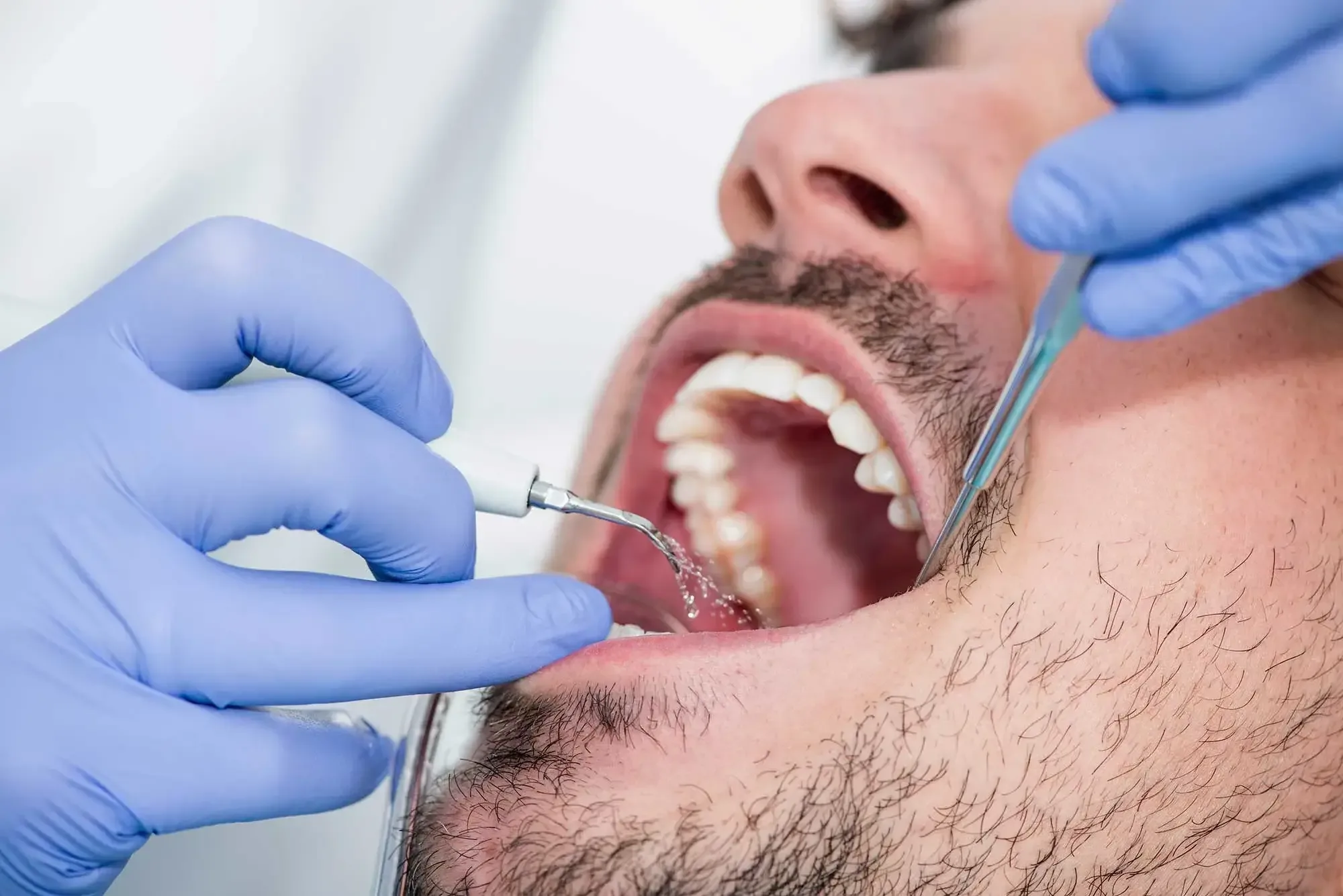
Surprisingly, there is very little pain involved in periodontal maintenance. Dentists and hygienists go out of their way to minimize any discomfort. So, while having it done is no one’s preference, it’s good to know that this state-of-the-art treatment is widely available and effective.