Quick answer:
What is a gum pocket?
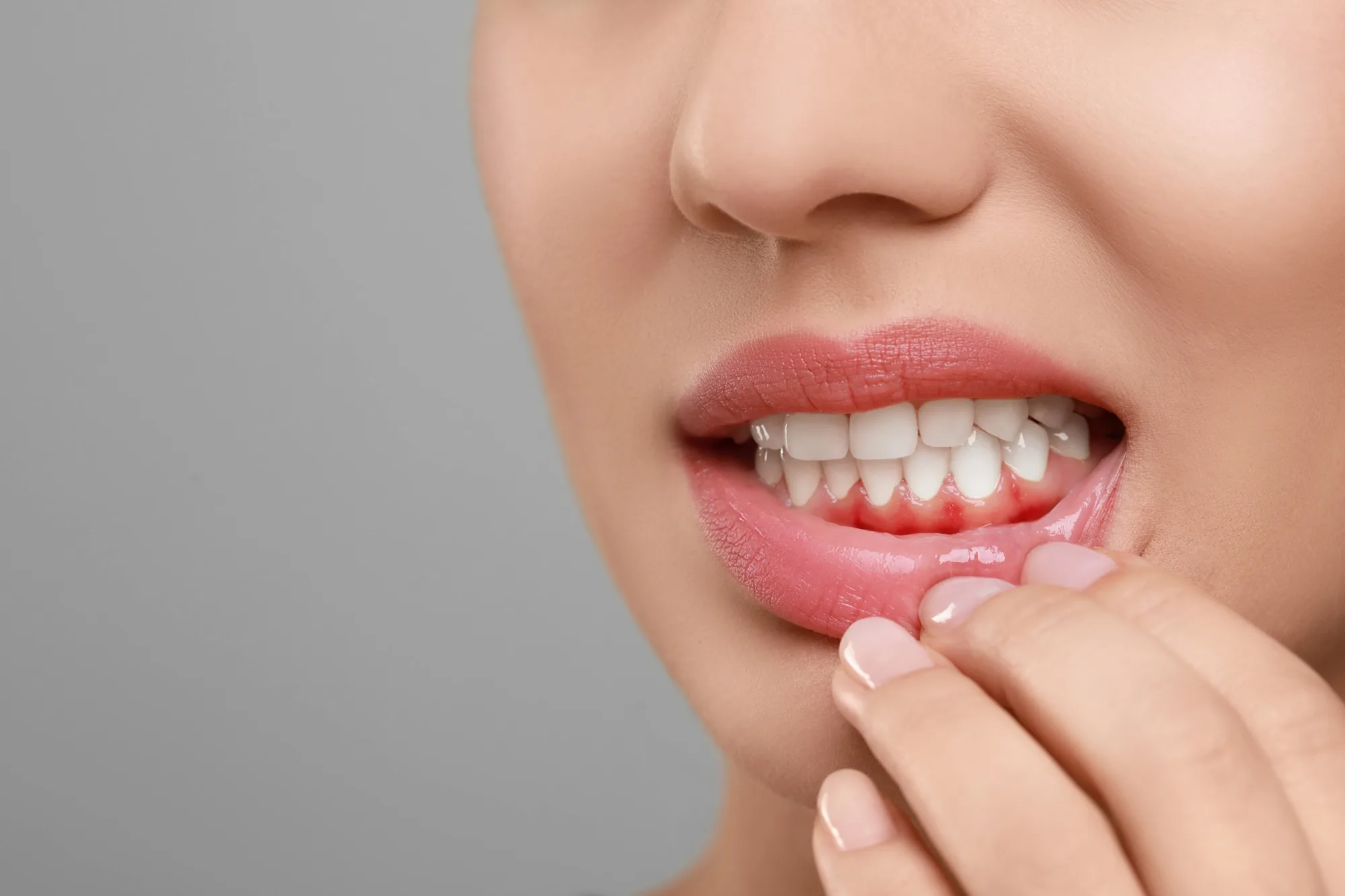
A gum pocket is a small space that forms between your tooth and the surrounding gum when the gum tissue starts to pull away from the tooth surface. These gaps can trap plaque, food, and bacteria, which may lead to irritation, infection, and gum disease if not treated. Depending on how deep the pockets are, treatment can range from improved daily cleaning and professional dental cleanings to deeper procedures like scaling, root planing, or gum surgery.
A Gum pocket is a small gap that forms between the teeth and gums when the gum tissue pulls away from the tooth surface. These gaps can trap plaque and bacteria, increasing the risk of inflammation and gum disease if left untreated.
Treatment depends on the depth and severity of the pocket, but early care and good oral hygiene can help prevent further complications. This article explains what gum pockets are, why they form, and how they can be treated and prevented.
What is a gum pocket?
A gum pocket is a small gap between the tooth and surrounding gum tissue that forms when gums pull away from the tooth surface. These spaces can trap plaque, bacteria, and food debris, increasing the risk of irritation, infection, and gum disease.
Gum pockets can develop in people of all ages, especially when plaque buildup or gum inflammation is not well managed. Early attention is important, as untreated pockets may deepen and lead to more serious oral health concerns like a gingival pocket (a shallow space between the tooth and gum caused by early gum inflammation) or, in more advanced cases, a periodontal pocket (a deeper gap around the tooth linked to more severe gum disease)
What causes gum pockets?
Gum pockets develop when plaque buildup (a soft, sticky film of bacteria that constantly forms on teeth) and inflammation weaken the tissues that support the teeth, causing the gums to pull away from the tooth surface. Over time, these factors cause the gum line to loosen around the tooth root. Below are the most frequent triggers:
Plaque and tartar build-up
Plaque and tartar build-up is the primary cause of many gum problems. When plaque hardens into tartar (hardened plaque that builds up on teeth and can’t be removed by normal brushing), it irritates the gum line and can lead to gum disease.
Gum disease
Gum disease, including conditions like gingivitis (an early stage of gum disease that can cause red, swollen, or bleeding gums), occurs when gingival tissues become inflamed or infected, commonly caused by bacterial plaque. Chronic inflammation can create deeper spaces known as dental pockets, which are basically gum pockets that have worsened.
Tobacco use
Tobacco use can reduce blood flow and healing in the gums. This weakens gum tissue and can contribute to the formation of gum disease pockets that are harder to clean.
Diet
A diet high in sugar and refined carbohydrates can encourage bacterial growth, which ultimately leads to more plaque formation. Consuming balanced nutrients and vitamin-rich foods helps strengthen gum tissue.
Teeth grinding
Grinding or clenching your teeth puts extra stress on both your teeth and gums. Over time, this pressure can cause the gum line to recede, these gaps can deepen over time.
Chronic conditions
Certain conditions, such as diabetes, can affect the body’s immune response and make it more challenging for gums to fight off inflammation. This increases the risk of deeper pockets.
Poor oral hygiene
Inconsistent brushing or flossing leaves plaque behind, which can irritate gum tissue. When neglected, plaque gradually hardens around the gum line, which may eventually require professional treatment.
What are the signs and symptoms of gum pockets?
Gum pockets often cause visible changes in the gums and discomfort during daily oral care.
Bleeding gums: This is one of the earliest signs of irritation and can be an early sign of gum inflammation that may improve with better oral hygiene and professional.
Gum tenderness: Pain or swelling near the gum line often indicates the presence of inflammation or a developing gap in gum tissue space.
Persistent bad breath: Bacterial buildup in these areas may cause persistent bad breath.
Receding gums: You may notice your teeth appearing longer than usual, a sign that the gum line is pulling away.
When should I seek medical advice for gum pockets?
You should speak with a dentist if your gums bleed frequently, feel swollen or painful, or if you notice gum recession or persistent bad breath. Professional evaluation is also important if symptoms continue despite regular brushing and flossing. Additionally, if regular brushing and flossing do not relieve the issue within a reasonable timeframe, or if symptoms such as bleeding and soreness persist, consulting a dentist can help determine if you require treatments.
How to treat gum pockets?
Treatment focuses on removing plaque and bacteria, reducing inflammation, and helping the gums reattach more closely to the teeth. Early intervention often prevents more pronounced pocket formations and helps avoid complications.
Professional dental cleaning
A professional cleaning is the first step in gum pocketstreatment for mild cases. Your dental professional removes plaque and tartar from above the gum line. Thorough cleaning reduces bacterial load and helps promote healing.
Scaling and root planing
Scaling and root planing is a deeper clean targeting stubborn tartar below the gum line. Dentists smooth the tooth roots to help the gum tissue reattach. This procedure can be key to managing periodontal pocket issues effectively.
Antibiotic treatment
Antibiotics may be used alongside mechanical cleaning to reduce bacterial activity. They could be administered as oral medication or placed directly into a gingival pocket to target local infection.
Gum surgery
In more advanced or persistent cases, gum surgery can help remove diseased tissue or reposition the gum line. Procedures like flap surgery and dental curettage may be suggested to address deeper pockets and restore healthier gum contours.
Can you prevent gum pockets?
You can lower your risk of developing dental pockets by sticking to a strong oral hygiene routine and addressing any underlying health factors:
Brush and floss consistently: Twice-daily brushing and daily flossing remove plaque before it turns into tartar.
Use any prescribed mouthwash: Antibacterial rinses help keep bacteria in check and reduce the chances of gum inflammation.
Limit sugary snacks: Excess sugar aids bacterial growth, so consider healthier snack options.
Avoid tobacco: Quitting or reducing tobacco intake encourages better gum health and supports healthier gums and lowers the risk of deeper periodontal pockets forming.
Manage stress and chronic conditions: Keeping these factors under control supports your body’s immune system and helps maintain stable gum tissues.
Plaque builds up on teeth every day and can collect in places that are easy to miss when brushing. To better understand which toothbrush technologies remove plaque most effectively, independent researchers reviewed 19 clinical studies involving more than 1,300 participants. They found that oscillation rotation, the same cleaning technology used in Oral-B iO ranked highest for plaque reduction among the technologies evaluated. The findings suggest this technology can help support cleaner teeth and better everyday oral hygiene.
Oral-B helps you prevent gum pockets with a thorough oral health routine
The Oral-B iO Electric Toothbrush Series offers a balanced mix of powerful cleaning and gentle gum care. This advanced brush is designed to reach tricky areas where plaque often gathers, potentially helping you limit the depth of gum pockets and maintain healthier gum lines.
The Oral-B iO Electric Toothbrush Series is designed to clean effectively along the gum line while remaining gentle on sensitive gums. Its micro-vibration technology helps remove plaque from hard-to-reach areas, supporting healthier gums as part of a consistent oral care routine. By pairing one of these toothbrushes with a recommended toothpaste and flossing routine, you can more effectively prevent deep gum pockets and manage your oral health overall. If you suspect your gum pocket is getting worse, consult a dentist. In addition to proper brushing, they will guide you through procedures like scaling, root planing, or even how to shrinkgum pockets through more advanced approaches when needed.
Summary
Gum pockets develop when the gums pull away from the teeth, allowing plaque and bacteria to collect below the gum line. While mild cases may improve with better oral hygiene and professional cleanings, deeper pockets often require treatments such as scaling and root planing. Maintaining consistent brushing, flossing, routine dental visits, and healthy lifestyle habits can help protect your gums and reduce the risk of future problems.
If you think you might have forming pockets in gums, or if your gums bleed frequently, schedule a dental exam. Your dental professional can determine whether you simply need a thorough cleaning, such as scaling and root planing, or whether more advanced treatments are necessary. By upgrading your routine with the Oral-B iO Electric Toothbrush Series, you can take proactive steps to secure healthy gums for the long haul.
FAQs
Are gum pockets reversible or permanent?
Gum pockets can often be improved if caught early. Proper brushing, flossing, and professional dental treatment can help reduce pocket depth. However, if the pockets are significantly deep or involve substantial gum recession, they might be more challenging to reverse fully.
Why do gum pockets form even if I brush and floss daily?
Sometimes, factors like genetics, certain health conditions, or improper brushing technique can still lead to issues. Even if you’re brushing and flossing, you may need professional cleanings or adjustments to your routine to prevent gum pockets from forming or getting worse.
Are gum pockets the same as receding gums?
They are related, but not identical. Gum recession exposes more of the tooth surface and can contribute to the formation of pockets. Gum pockets, on the other hand, describe the actual space between the tooth and gum tissue, which can appear or worsen as gums recede.