Introduction
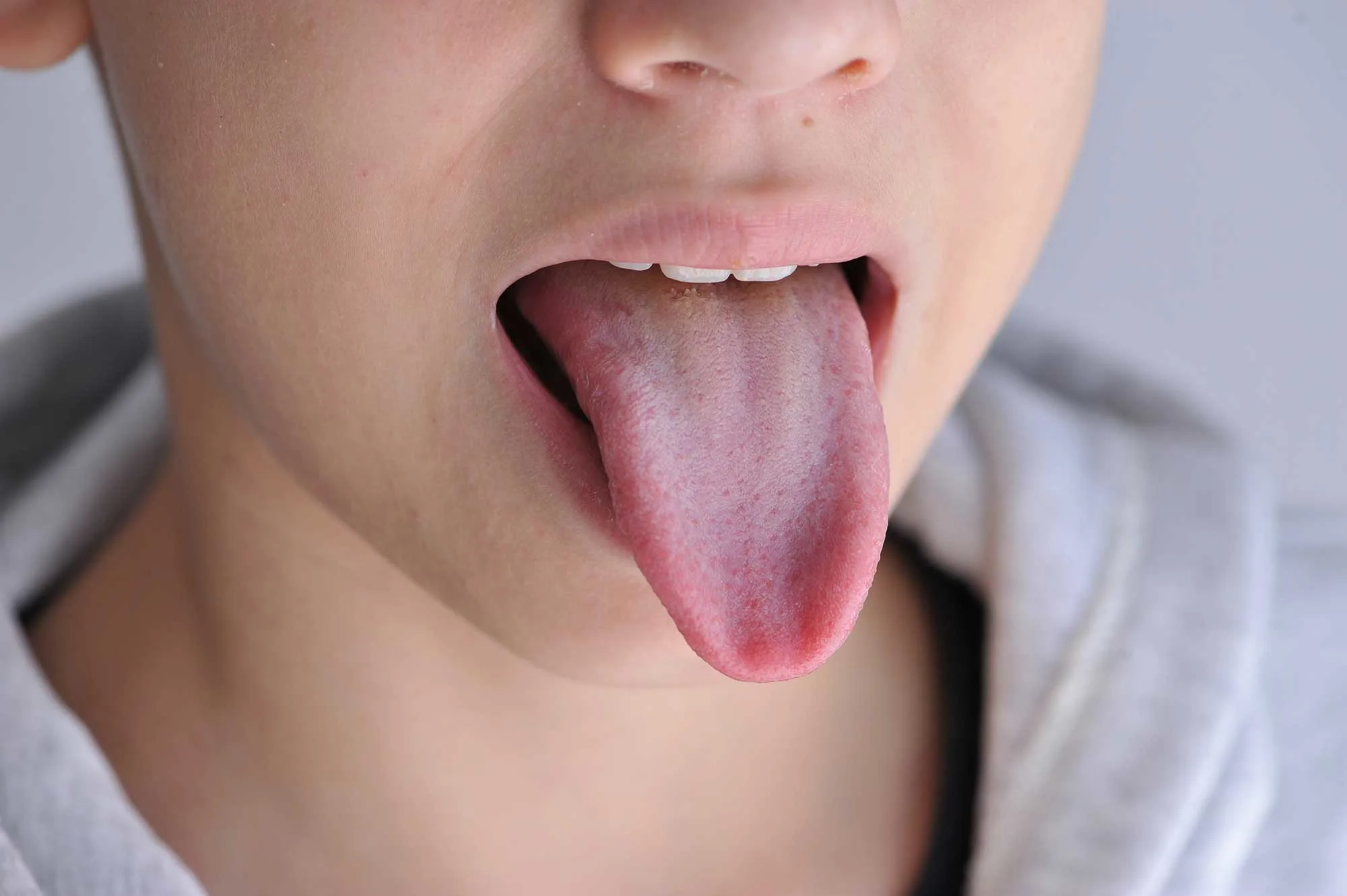
A metallic taste in the mouth is a change in taste sensation commonly linked to poor oral hygiene, certain medicines, infections, or hormonal changes. The NHS says that a metallic taste is often not serious and may resolve on its own or with good oral hygiene and hydration, but ongoing symptoms can sometimes indicate an underlying issue and should be assessed by a dentist or GP.
What Are the Common Causes of a Metallic Taste in the Mouth?
A metallic taste in the mouth is usually caused by oral hygiene issues, medications, nutritional deficiencies, and pregnancy-related changes:
Poor oral hygiene: plaque build-up, gum inflammation can affect taste and cause bad breath.
Medications: some antibiotics and other medicines can alter taste.
Nutritional deficiencies: low zinc or vitamin B12 may contribute in some people.
Pregnancy: hormonal changes can temporarily change taste.
Infections: colds, sinus infections, and oral infections can affect taste.
If you’re worried about a persistent metallic taste in the mouth, seek advice from a dentist.
When Should I Be Concerned About a Metallic Taste in the Mouth?
You should be concerned if a metallic taste in the mouth is persistent, severe, or comes with other symptoms. A short-lived metallic taste can happen with illness or medicines, but ongoing or worsening symptoms may need assessment to rule out infection, oral disease, or another underlying condition.
Persists for several days or weeks
With pain, numbness, fever, or difficulty swallowing
Significantly impacts quality of life
You suspect it may signal an underlying condition
How to Prevent and Manage a Metallic Taste?
A healthy mouth depends on both effective plaque removal and healthy gums. In a 2026 independent network meta-analysis, researchers compared multiple manual and powered toothbrush technologies across 19 clinical studies. Oscillation rotation, the cleaning technology behind Oral-B iO achieved the highest ranking for both plaque and gingivitis reduction, making it the top-ranked technology in the analysis.
You can often manage a metallic taste by improving oral care, staying hydrated, and addressing likely triggers.
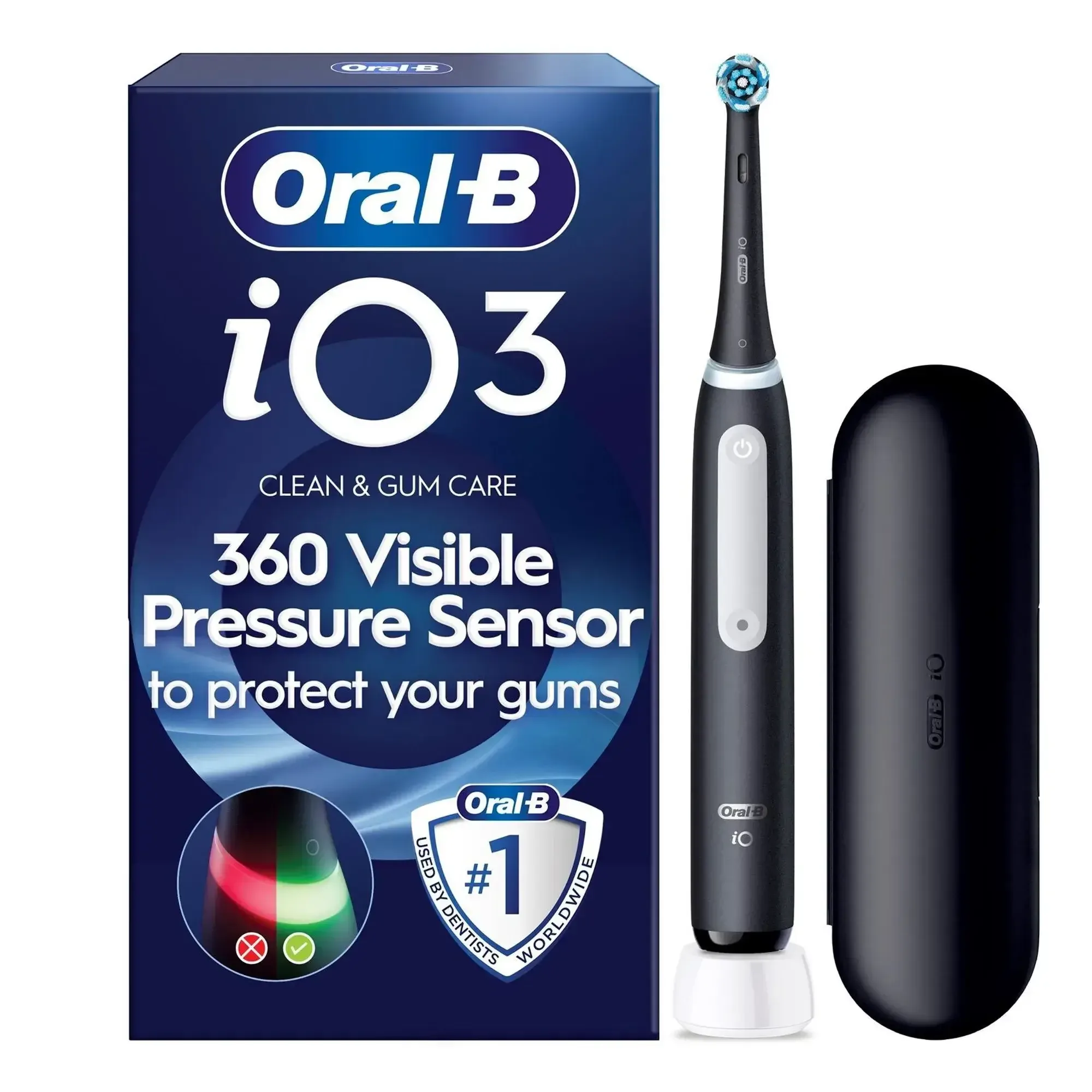
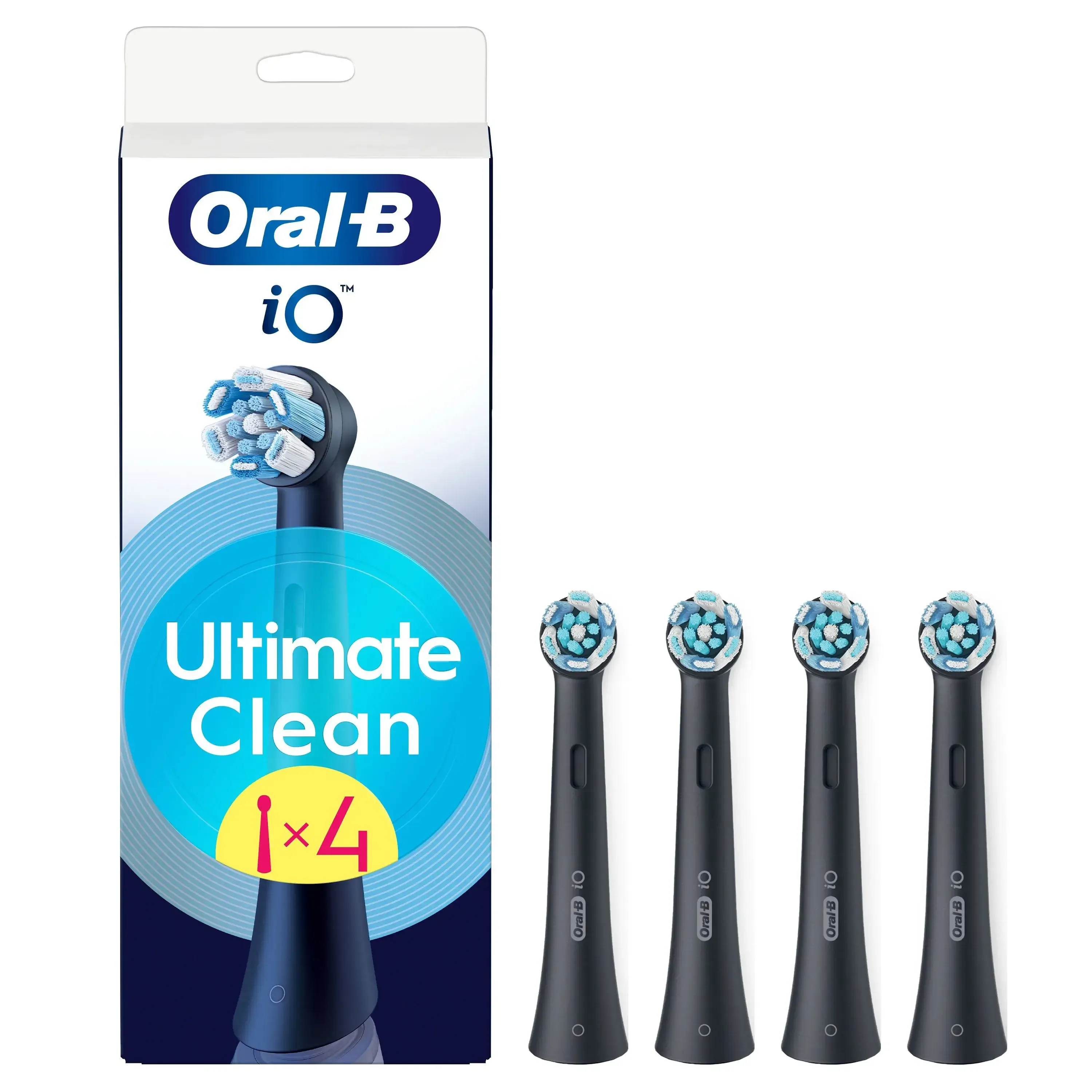
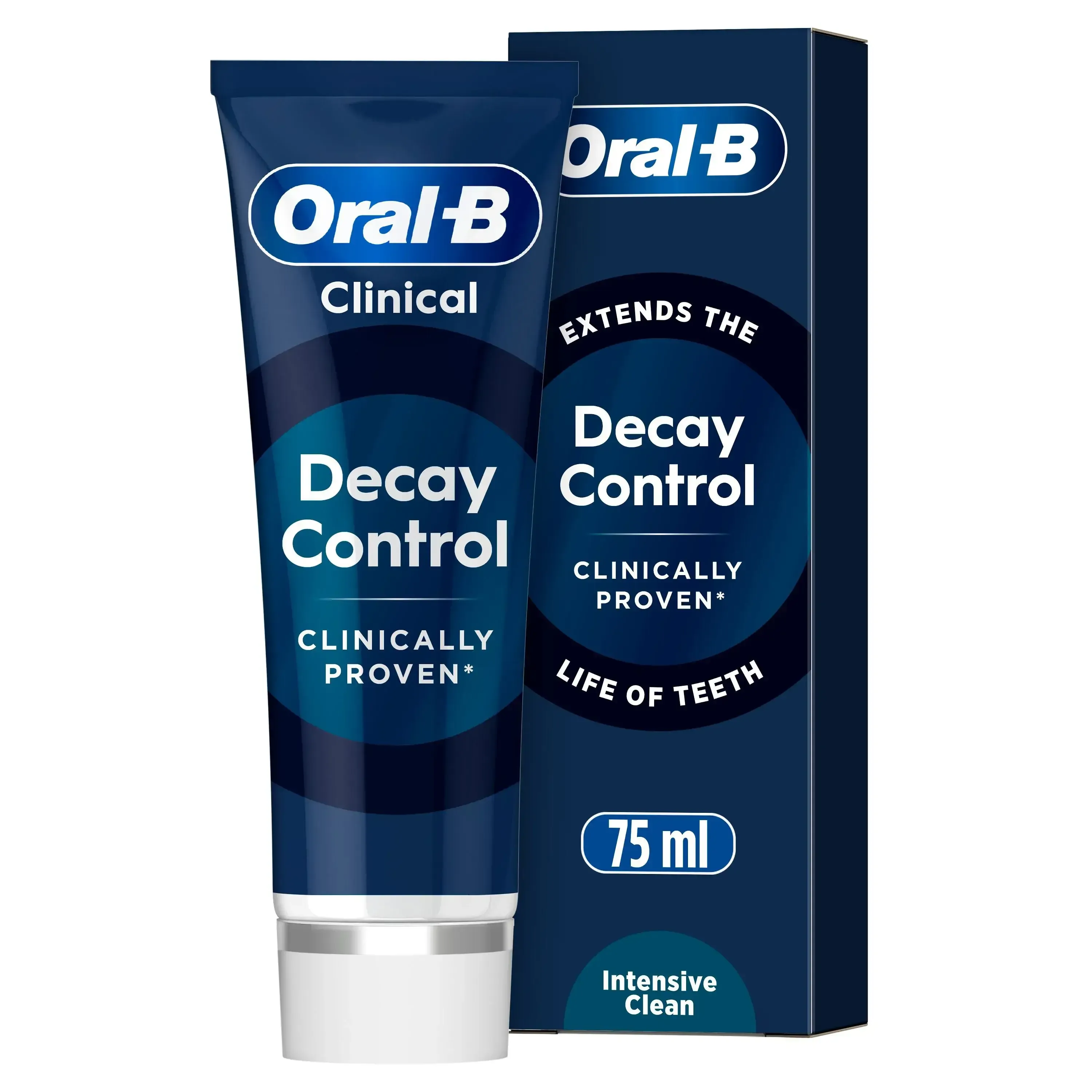
Excellent oral hygiene: brush and clean between teeth; using an electric toothbrush and toothpaste such as Oral-B iO Electric Toothbrush and Oral-B toothpastes can help support routine oral hygiene.
Hydration
Chewing gum or mints
Rinsing mouth
Modifying your diet
Reviewing medications (with a pharmacist/GP)
If you also notice a persistent bad taste in mouth, a dental check can help rule out gum disease, decay, or mouth infections.
FAQs
Why is a metallic taste commonly associated with pregnancy?
A metallic taste in pregnancy is commonly linked to hormonal fluctuations that can change taste perception and saliva composition. Many people also experience a heightened sense of smell, which can make tastes seem stronger or unpleasant. Morning sickness and vomiting may further irritate the mouth and contribute to taste changes.
Are there specific foods or drinks to include to reduce a metallic taste?
Cold water and hydrating drinks can help dilute a metallic taste, especially if dry mouth is contributing. Some people find minty flavours, ginger, or cold foods more tolerable, and mildly acidic foods may help cut through the taste if they do not irritate the mouth. If reflux or mouth sores are present, acidic choices may worsen symptoms.
How does a doctor typically diagnose the cause of a metallic taste?
A doctor or dentist typically diagnoses metallic taste by taking a detailed medical history and reviewing associated symptoms, recent illnesses, and any new medicines or supplements. They will also review relevant medical conditions (such as reflux or sinus problems) and assess dental health, including gum inflammation, decay, and signs of infection. Further tests may be considered if symptoms persist.