A coated tongue happens when bacteria, dead cells, food debris, or reduced saliva build up on the surface of the tongue, creating a white, yellow, or discoloured film. According to the NHS and the British Society for Oral Medicine, a coated tongue is usually harmless and temporary, but it can sometimes lead to bad breath, altered taste, or mild discomfort if not properly managed. In this article, you’ll learn the common symptoms and causes of a coated tongue, how to treat it effectively, and the daily oral care habits that help prevent it from returning.
Quick Summary:
What is a Coated Tongue?
A coated tongue is when a white, yellow, or discoloured film forms on the surface of your tongue because bacteria, dead cells, and food debris build up - often when your mouth is dry or your tongue isn’t being cleaned regularly. It’s usually harmless and temporary, but it can be linked with bad breath, an odd taste, or a “furry” feeling. In many cases, drinking more water and gently cleaning your tongue daily improves it. If it doesn’t clear up or you have pain or sores, see a dentist.
What is a coated tongue?
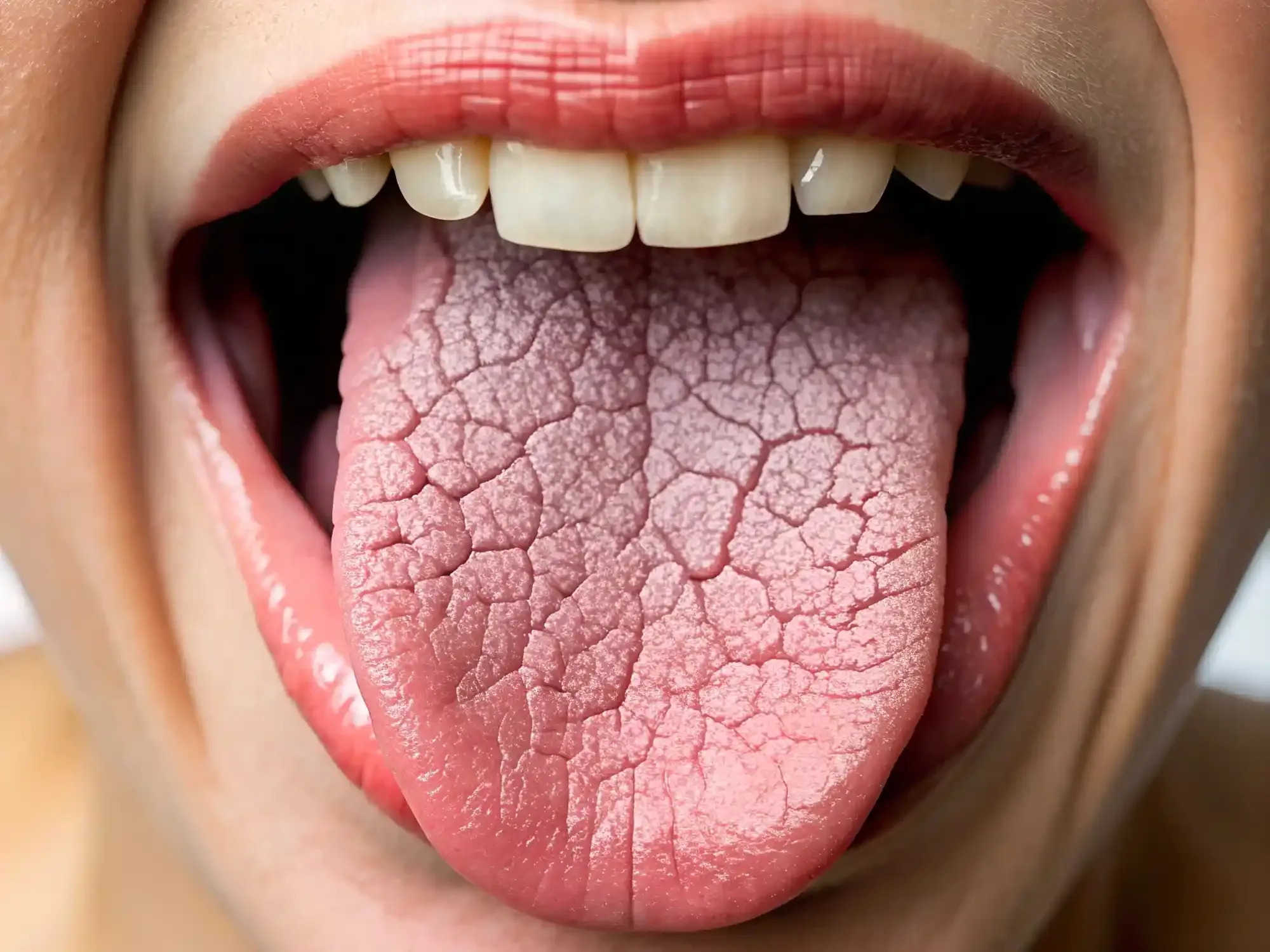
A coated tongue is a condition where bacteria, food debris, dead cells, and other particles build up on the tongue’s surface, creating a white, yellow, or discoloured layer. This might show up as a white tongue or even a yellow tongue. According to NHS, a coated tongue can look concerning, especially first thing in the morning, but most people find that simple daily care solves the issue. As per British Society for Oral Medicine, it’s still important to check in with a dentist if the coating doesn’t go away or you start noticing symptoms like pain, cracks, or sores; these might signal another condition.
Coated tongue: signs and symptoms
Signs and symptoms of a coated tongue commonly include tongue discolouration, bad breath, altered taste, dryness, and a furry or coated feeling on the tongue’s surface.
Tongue discolouration The most noticeable sign is a pale or slightly yellow layer that might come off if you brush your tongue. Sometimes the coating can appear patchy or thicker in certain areas.
Bad breath
Halitosis is the medical term for bad breath, often caused by bacteria breaking down debris in the mouth. Leftover bacteria or debris on the tongue can produce odours, leading to less-than-pleasant breath. If you find yourself popping mints all day, a coated tongue could be part of the problem.
Altered taste
Have you noticed a metallic or bitter aftertaste? A coating on your tongue can interfere with your taste buds, making certain foods taste different.
Dry or furry sensation
If your mouth is on the drier side-maybe from mouth breathing or not drinking enough water-you might notice a “furry” feeling when you run your tongue along your teeth. According to British Society for Oral Medicine, prolonged dryness can encourage more debris to stick on your tongue.
Mild discomfort
Although this condition is rarely painful, you might have some mild irritation or sensitivity when brushing. If it escalates or sticks around, it’s a good idea to get a professional opinion.
Causes of a coated tongue
A coated tongue is commonly caused by bacteria buildup, dry mouth, dehydration, smoking, poor oral hygiene, or dietary habits that allow debris to collect on the tongue’s surface.
A wide range of factors can create what some might call a white coated tongue or yellow coated tongue. Some of the most common culprits include:
Poor oral hygiene
Poor oral hygiene can lead to a coated tongue when bacteria and debris are not properly removed from the tongue’s surface. Skipping tongue cleaning allows bacteria and debris to settle on the surface. Spending just a few seconds brushing your tongue each day helps reduce buildup (NHS).
Dry mouth
Dry mouth (also called xerostomia) means you’re not producing enough saliva to keep your mouth comfortably moist, which can make a tongue coating more likely. It increases the risk of a coated tongue because reduced saliva allows bacteria and residue to build up more easily. A steady flow of saliva helps naturally rinse away particles. When your mouth is dry due to medications, mouth breathing, or other reasons, your tongue can collect more residue.
Dehydration
Dehydration is when your body doesn’t have enough fluid, which can reduce saliva and leave your mouth feeling dry. It can contribute to a coated tongue by reducing saliva production and making it easier for debris to collect on the tongue. Not getting enough water boosts your chances of a coated tongue even more. When you’re dehydrated, you produce less saliva, meaning there’s more scope for residue to build up.
Diet and lifestyle factors
Diet and lifestyle habits such as smoking, alcohol use, sugary foods, and acidic drinks can contribute to tongue coating and oral bacteria buildup. High sugar or acidic foods can shift the balance of bacteria, encouraging film to form. Meanwhile, tobacco and alcohol use also irritate the mouth and can add to that unwanted tongue coating.
How to treat a coated tongue?
Treating a coated tongue usually involves improving oral hygiene, staying hydrated, adjusting diet and lifestyle habits, and cleaning the tongue regularly to remove buildup.
The good news is that most cases clear up with simple steps that reduce the buildup on your tongue. Here’s what to try:
Stay hydrated
Staying hydrated helps treat a coated tongue by supporting healthy saliva flow and naturally washing away bacteria and debris. Keep some water handy and sip throughout the day. This keeps your mouth feeling comfortable and flushes away any bits of food or bacteria.
Adjust diet
Adjusting your diet can reduce tongue coating by limiting foods and drinks that encourage bacterial buildup or dry out the mouth. Cut back on sugary drinks or heavy spices, and go for a balanced approach-fruits, veggies, protein, and whole grains diet. This not only benefits your tongue but also boosts your overall health.
Avoid tobacco use
Avoiding tobacco helps improve coated tongue symptoms by reducing irritation and limiting residue buildup in the mouth. Smoking or using chewing tobacco often leads to extra gunk in your mouth. Reducing or quitting can bring improvements to your tongue’s appearance and feel.
Practise good oral hygiene
Practising good oral hygiene helps remove the bacteria and debris responsible for a coated tongue. Brush your teeth thoroughly, then gently brush or scrape your tongue. Pair that with Oral-B Fluoride Toothpaste to help tackle any lingering particles. You don’t need to be rough; just a gentle motion does the trick.
Dental checkups
Regular dental checkups help identify persistent tongue coating early and rule out infections or underlying oral health conditions. They can spot potential issues early and rule out anything more serious like infections or underlying conditions.
Help prevent coated tongue with a good oral care routine with Oral-B
A healthy mouth depends on both effective plaque removal and healthy gums. In a 2026 independent network meta-analysis, researchers compared multiple manual and powered toothbrush technologies across 19 clinical studies. Oscillation rotation, the cleaning technology behind Oral-B iO achieved the highest ranking for both plaque and gingivitis reduction, making it the top-ranked technology in the analysis.
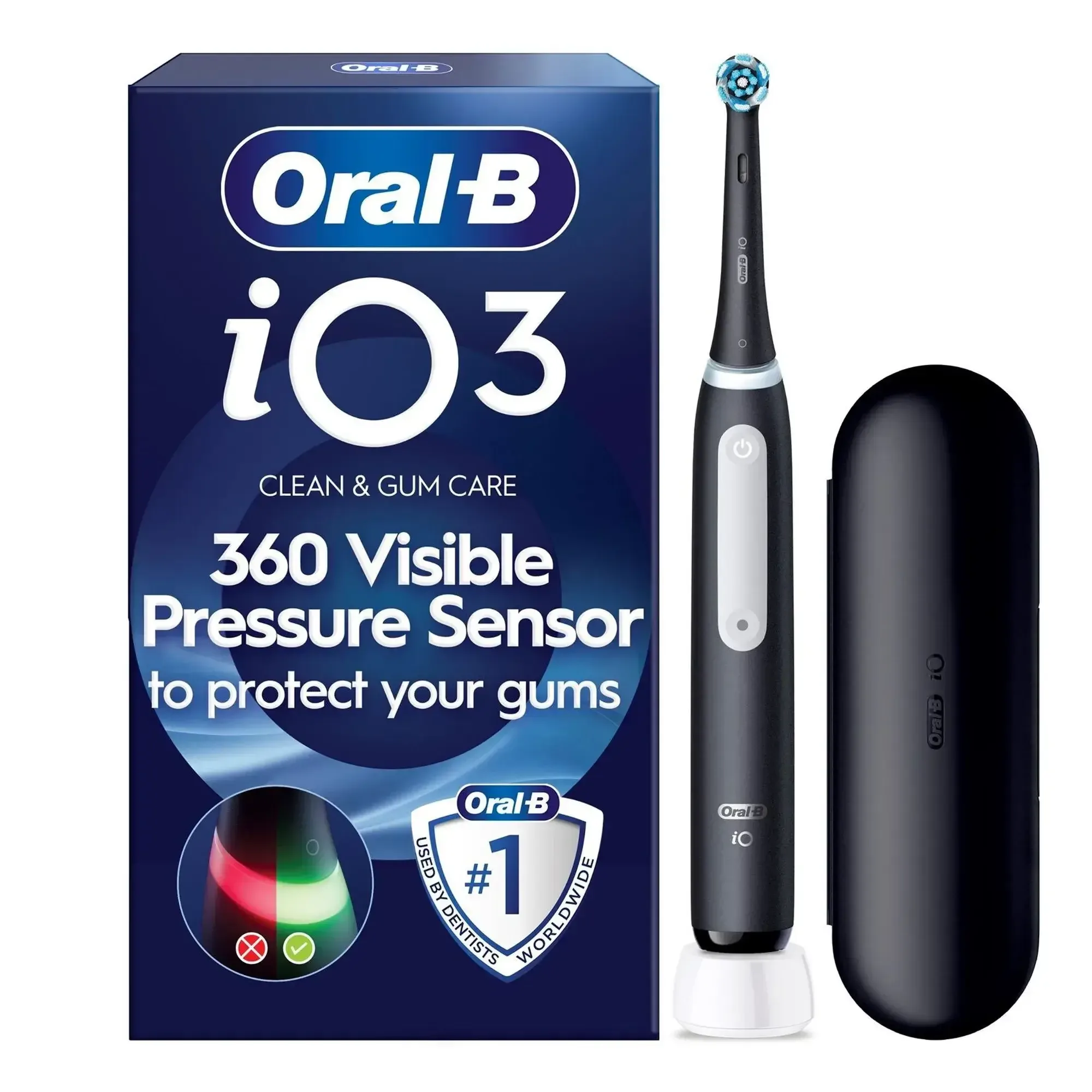
A good oral care routine with the Oral-B iO Electric Toothbrush Series can help prevent coated tongue by removing more plaque, bacteria, and debris from the mouth and tongue surface. Its technology helps remove more debris than many manual brushes, and it gently cleans every part of your mouth. Combined with consistent tongue cleaning, flossing, and dentist visits, it sets you up for a fresher smile.
Summary
A coated tongue is usually caused by bacteria, debris, dry mouth, or lifestyle habits that allow buildup to collect on the tongue’s surface. It isn’t usually cause for alarm. More often than not, you’ll see it fade when you drink enough water, clean the tongue properly, and watch what you eat (and smoke). In some situations, though, you might need professional help or a medication review if dryness or discomfort persists. Ramping up your oral care with the Oral-B iO Electric Toothbrush Series can make a noticeable difference. Combined with attention to hydration and healthy habits, it’s a simple route to a fresher mouth-and a happier you.
FAQs
Can coated tongue happen even with good oral hygiene?
Yes, it can. Factors like diet, stress, certain medications, or even mild dehydration may still lead to a coating on your tongue, even if you brush daily. Monitoring your hydration and adjusting diet habits can help reduce the likelihood, but if it persists, see a dentist.
Can a coated tongue cause bad breath?
Absolutely. A coating on your tongue can trap bacteria responsible for halitosis. By brushing or scraping your tongue daily and maintaining good oral hygiene, you can often reduce or eliminate odour-causing bacteria and improve your breath.
Can antibiotics cause a coated tongue?
Sometimes. Antibiotics can disrupt your mouth’s natural bacterial balance, potentially leading to a coated appearance. If you notice this effect, make sure you’re practising consistent oral hygiene and speak with your doctor if you have concerns about prolonged coating or discomfort.
Sources
2026;30:270. DOI: 10.1007/s00784-026-06955-z.
View the peer-reviewed study on Springer Nature