Introduction
Yellow tongue is a yellowish coating or discolouration on the tongue surface, most often caused by a build-up of bacteria, dead cells and trapped pigments on the tongue papillae. Common triggers include foods and drinks, oral hygiene and lifestyle habits, and some medicines or health conditions. A persistent yellow tongue, pain or burning, or wider symptoms such as yellow eyes/skin should be assessed by a dentist or GP.
What Foods and Drinks Cause a Yellow Tongue?
Certain foods and drinks like turmeric, coffee, carrots, sugary drinks and more, can cause a yellow tongue by staining the tongue coating or shifting the mouth environment, so bacteria and fungi grow more easily. As explained by the Journal of Epidemiology, accumulated debris and microbes can trap pigments and contribute to tongue discolouration.
Foods and drinks that can cause a yellow tongue:
Can Oral Health and Lifestyle Habits Cause a Yellow Tongue?
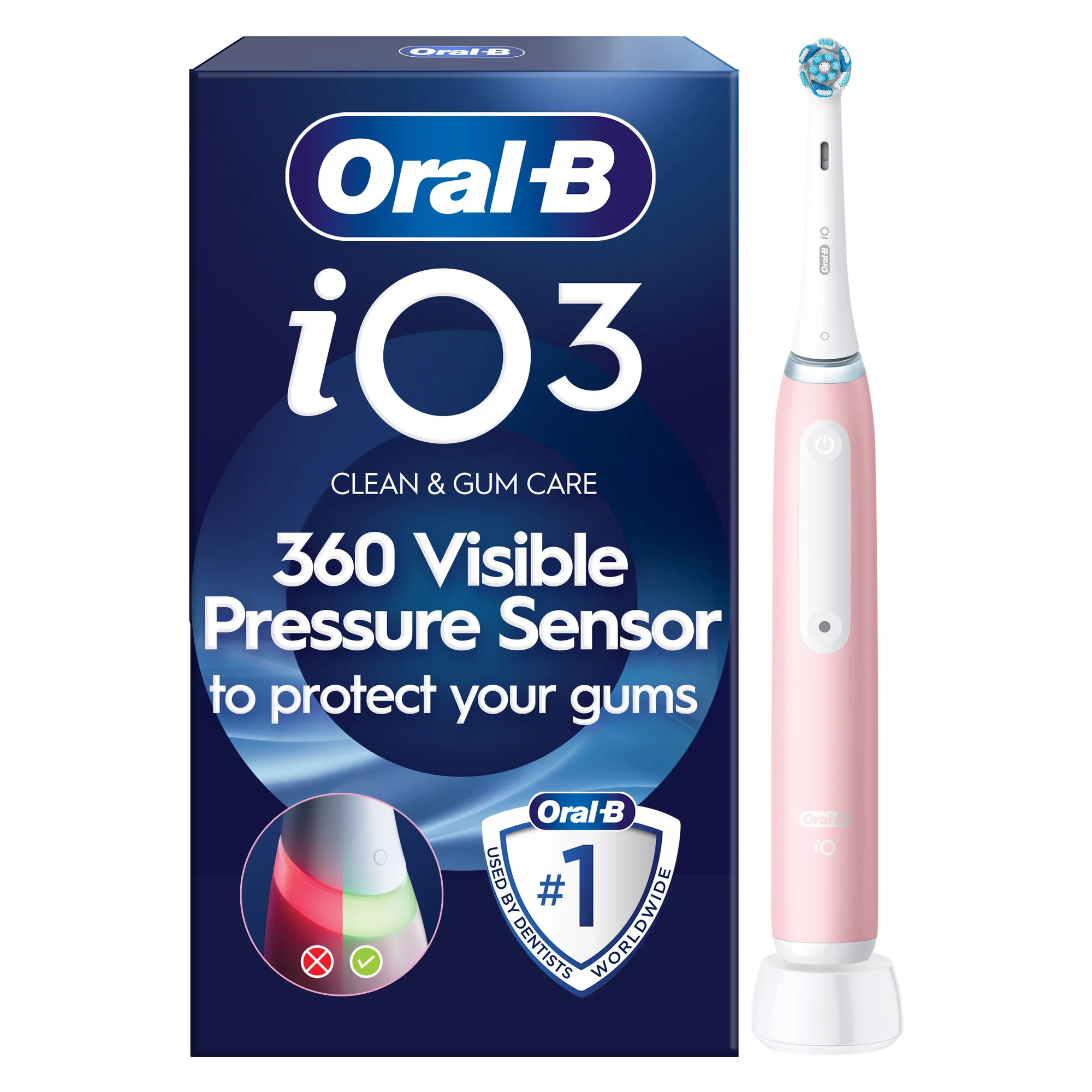
Oral hygiene and lifestyle habits can cause yellow tongue because they increase tongue coating, staining, and bacterial build-up. Improving daily care and brushing properly can reduce build-up: brushing with an electric toothbrush like the Oral-B iO Electric Toothbrush Series can help. On the contrary, dry mouth triggers like smoking, alcohol and dehydration can increase recurrence.
A healthy mouth depends on both effective plaque removal and healthy gums. In a 2026 independent network meta-analysis, researchers compared multiple manual and powered toothbrush technologies across 19 clinical studies. Oscillation rotation, the cleaning technology behind Oral-B iO achieved the highest ranking for both plaque and gingivitis reduction, making it the top-ranked technology in the analysis.
Lifestyle habits that can cause a yellow tongue:
Lack of tongue cleaning
Infrequent brushing and flossing
Alcohol consumption
Smoking and tobacco use
Excessive coffee and tea consumption
Dehydration
Diet high in sugary and processed foods/drinks
What Medical Conditions and Medications Cause a Yellow Tongue?
Certain medical conditions like diabetes and oral thrush, and medications like antibiotics and antihistamines, can cause a yellow tongue by reducing saliva, disrupting the oral microbiome, or increasing bacteria and debris build-up:
Antibiotics (disrupts oral flora)
Antihistamines (cause dry mouth)
Antidepressants and anxiolytics (reduce saliva)
Oral thrush
Hairy tongue
Diabetes
Weakened immune systems
FAQs
Can certain dental products and mouthwashes cause a yellow tongue?
Yes, some products can contribute to yellow tongue by staining the tongue coating or by drying the mouth. Chlorhexidine gluconate mouthwashes are well known to cause staining in some people, and alcohol-based mouthwashes may worsen dryness. Toothpastes or mouthwashes with artificial dyes can also leave temporary colour on the tongue surface.
Does a dry mouth cause a yellow tongue?
Yes, dry mouth (xerostomia) can cause a yellow tongue because saliva normally helps wash away debris and limit bacterial build-up. When saliva is reduced, a thicker tongue coating can form and trap pigments from food, drinks or tobacco. The coating may look yellow because of staining plus increased bacterial or fungal growth.
When should I be concerned about a yellow tongue and seek professional advice?
Seek professional advice if a yellow tongue persists despite improved oral hygiene, or if there is pain, tenderness or a burning sensation. Get assessed urgently if there are unusual sores, major changes in taste or breath, or body symptoms such as yellow skin/eyes, dark urine, fatigue or weakness.