Introduction
Persistent bad breath (halitosis) after brushing usually means odour is coming from places brushing alone does not fully address, such as the tongue coating and gumline, or can also be caused by a dry mouth. Brushing often reduces odour by removing plaque and food debris, but ongoing halitosis can point to oral bacteria, tonsil stones, gum disease, or medical factors.
What Are the Common Causes of Bad Breath that Persists after Brushing?
Bad breath that persists after brushing can usually be caused by incorrect brushing and oral care, as well as a dry mouth, as lingering bacteria, low saliva, or trapped debris can still produce odour.
Common causes of bad breath after brushing include:
Incorrect brushing and oral care: missed gumline and interdental plaque.
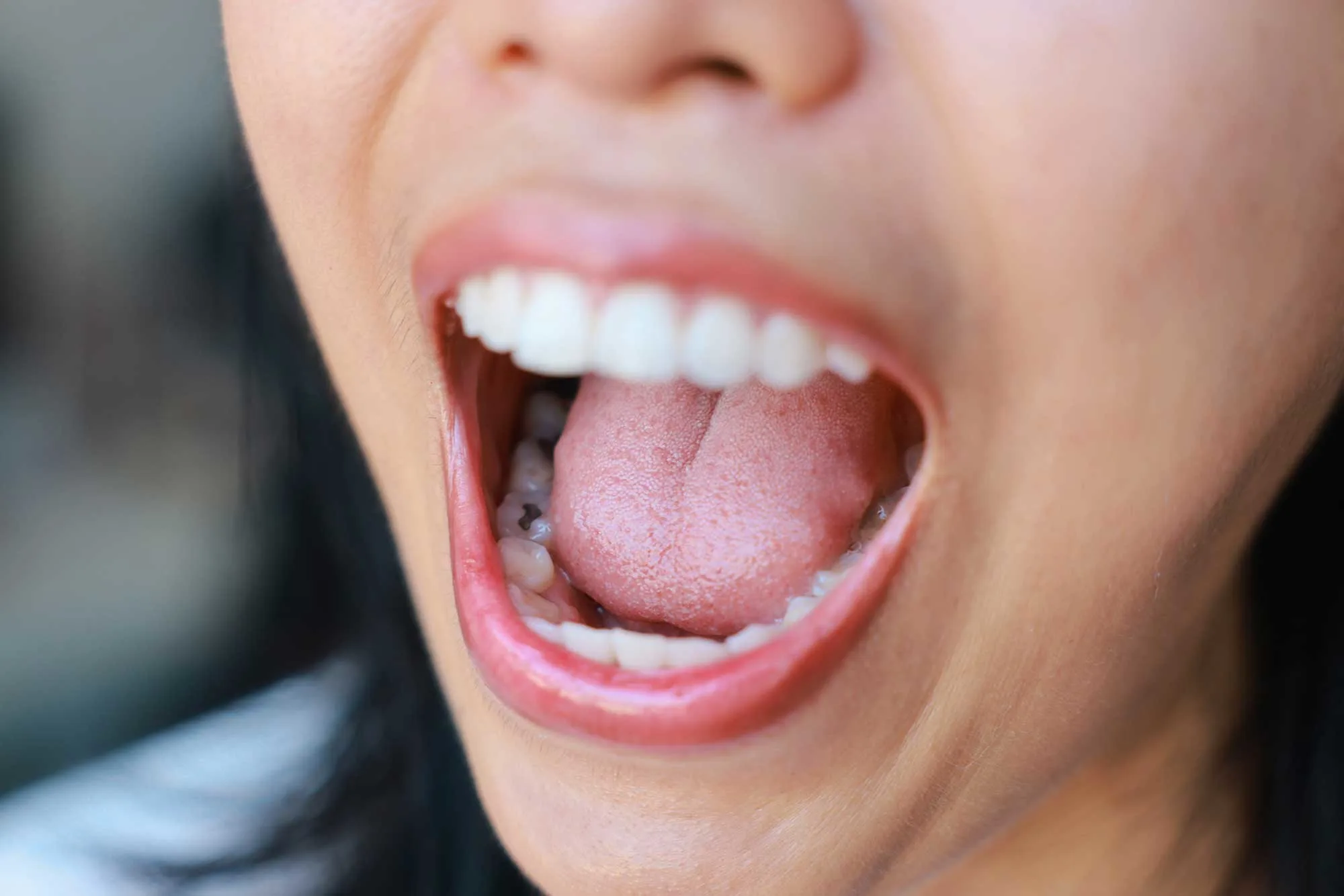
Bacteria on tongue: tongue coating is a major source of odour.
Dry mouth: reduced saliva increases odour.
Trapped food particles: may form tonsil stones.
Certain medications: can cause xerostomia, as explained by a StatPearls study.
What does Bad Breath that Persists After Brushing Signal?
Bad breath that persists after brushing can signal an underlying oral or medical issue that needs attention. Because it can affect confidence and daily life, it’s worth investigating rather than masking with mints, especially if it is new or worsening:
Potential undiagnosed health condition:non-oral causes may contribute if dental causes are ruled out.
Gum disease: inflamed gums and periodontal pockets can harbour odour-causing bacteria.
Deeper dental issues: cavities or cracked fillings can trap food and bacteria.
If symptoms persist, seek professional dental advice.
A healthy mouth depends on both effective plaque removal and healthy gums. In a 2026 independent network meta-analysis, researchers compared multiple manual and powered toothbrush technologies across 19 clinical studies. Oscillation rotation, the cleaning technology behind Oral-B iO achieved the highest ranking for both plaque and gingivitis reduction, making it the top-ranked technology in the analysis.
How to Treat Bad Breath that Persists After Brushing?
Treat persistent bad breath by reducing bacteria, removing trapped debris, and improving saliva flow. A consistent oral care routine is essential, and using effective tools can improve cleaning results.
Brush twice daily: focus on gumline.
Tongue scraping: remove tongue coating.
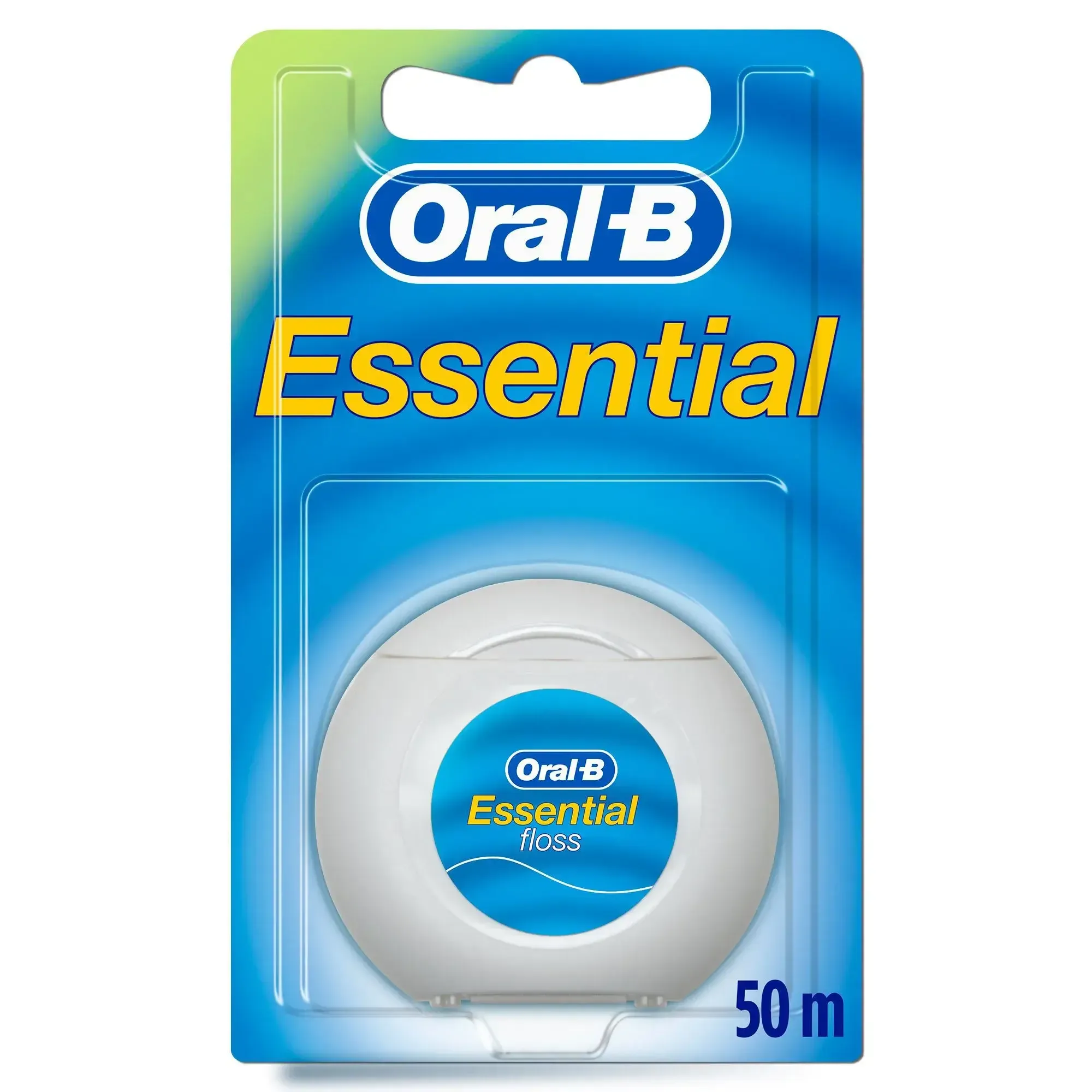
Floss daily: clean between teeth.
Mouthwashes: consider alcohol-free options.
Hydration: sip water regularly.
Dental check-ups: identify underlying issues.
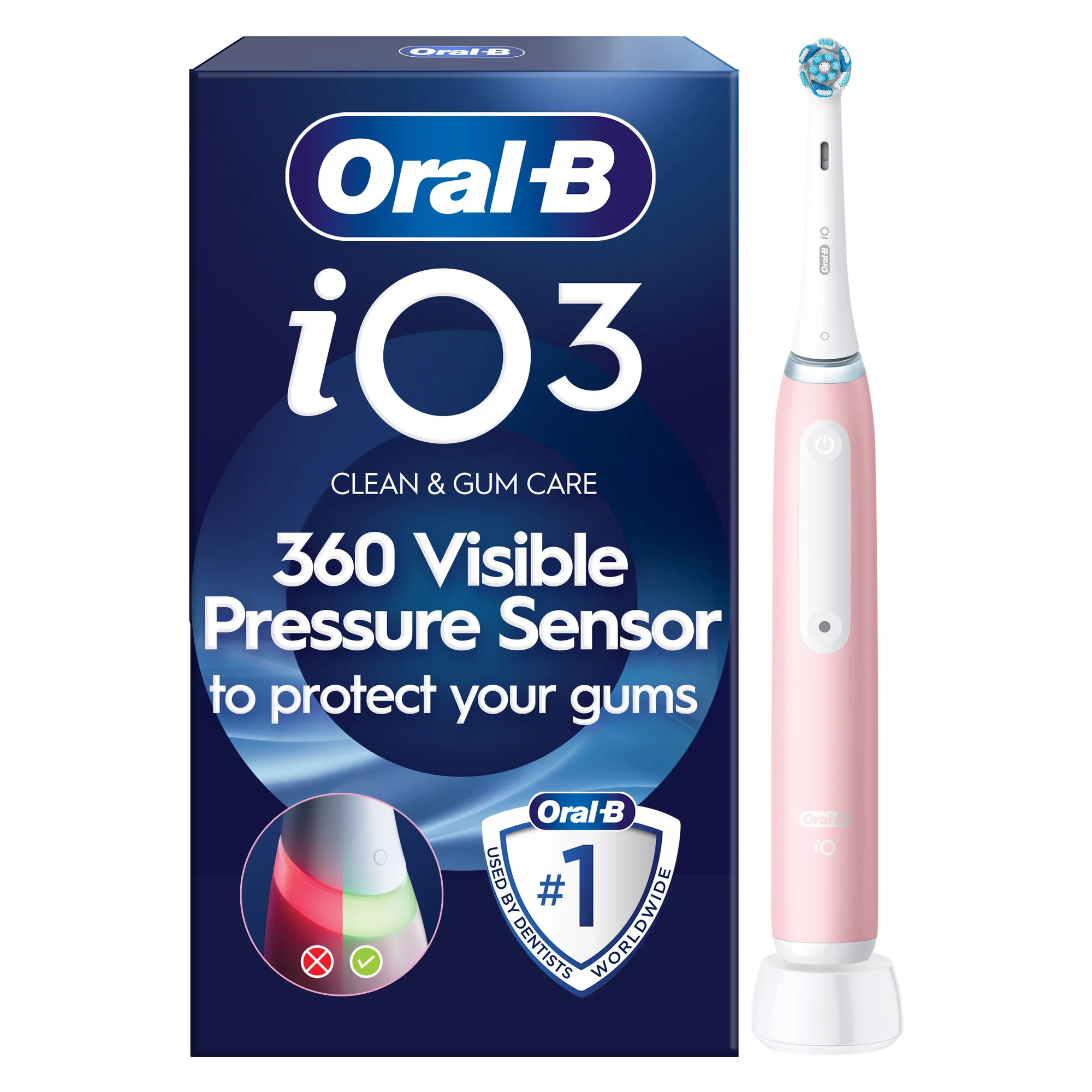
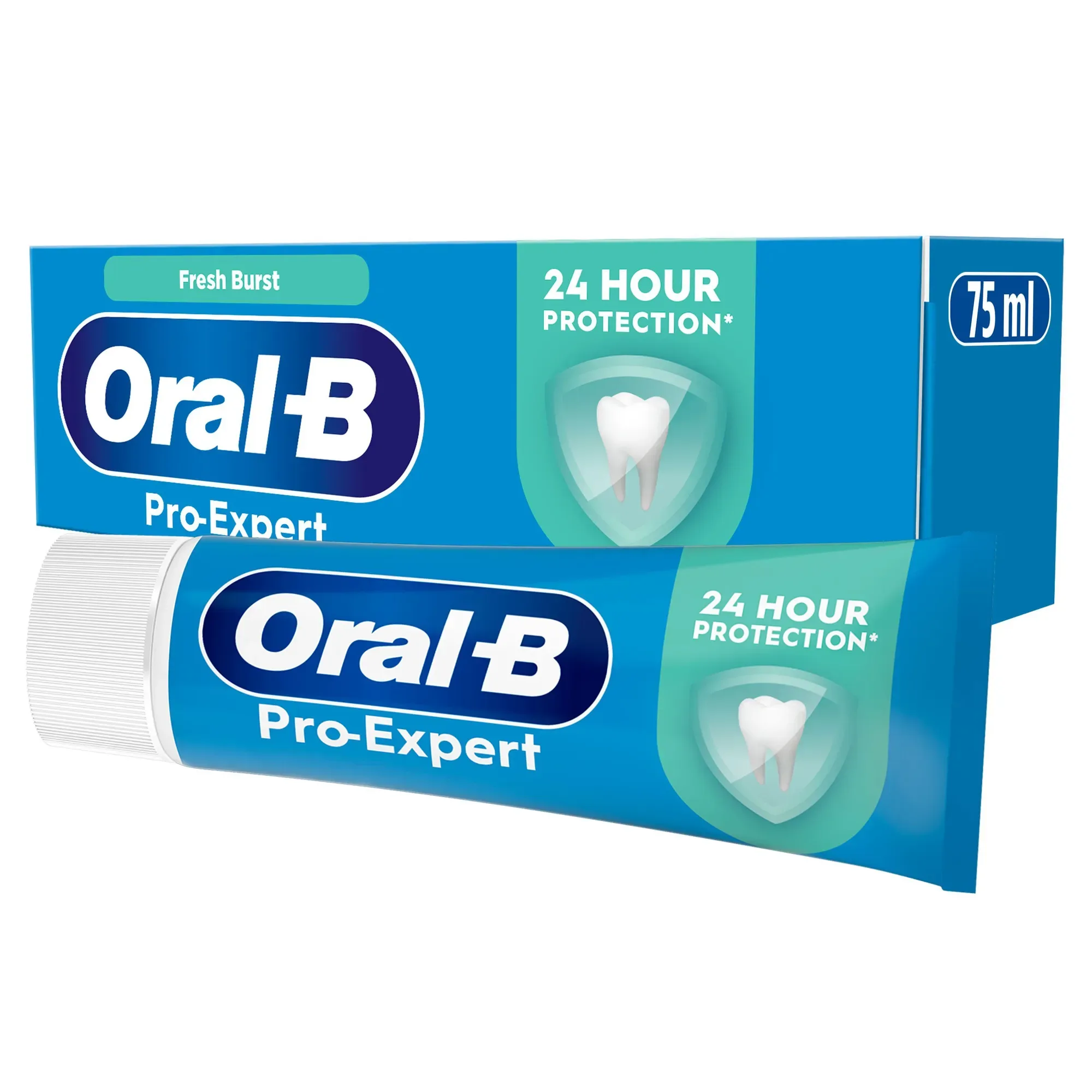
Using an effective electric toothbrush and toothpaste such as Oral-B iO Electric Toothbrush Series and fluoride Oral-B toothpastes can help maintain a consistent oral hygiene routine.
FAQs
What additional oral health steps can help fight persistent bad breath?
Thorough tongue cleaning and daily interdental cleaning are two of the most effective add-ons, because tongue coating and between-tooth plaque commonly drive odour. A suitable mouthwash can help as part of routine care, and sugar-free gum or lozenges may stimulate saliva during the day, which can reduce dryness-related odour.
How can I tell if my bad breath is caused by tonsil stones?
Tonsil stones (tonsillitis) may be visible as small white or yellow lumps in tonsil crevices, and they often cause a strong foul odour or taste if dislodged. Some people also feel something “stuck” in the throat or have frequent throat clearing; persistent symptoms should be discussed with a dentist or GP.
Do certain foods cause persistent bad breath?
Yes, strong-smelling foods such as garlic, onions, and some spices can cause noticeable breath odour even after brushing, because aromatic compounds can persist in saliva and breath. Dairy products and acidic foods/drinks may also contribute for some people, by affecting oral bacteria, dryness, or reflux symptoms, which can worsen odour.