Quick Answer:
What is garlic breath and how to get rid of it?
Garlic breath is the lingering, often sharp or metallic odour after eating garlic, caused by volatile sulphur compounds produced when garlic cells are crushed. Garlic breath can be reduced by brushing and flossing your teeth, cleaning your tongue, using an antibacterial mouthwash, drinking plenty of water, and eating odour-neutralising foods such as apples, parsley, or milk. These methods help remove garlic residue and reduce odour-causing compounds in the mouth. However, some sulphur compounds from garlic enter the bloodstream and are released through the lungs and skin, so the smell may take several hours to disappear completely.
You can reduce garlic breath by brushing and flossing thoroughly, cleaning your tongue, using mouthwash, staying hydrated, and eating odour-neutralising foods such as apples, parsley, or milk. While these steps can quickly reduce mouth odour, some garlic compounds remain in the bloodstream and may take several hours to clear completely. These compounds form when garlic is crushed and can be expelled from breath and skin as they are metabolised. In this article we explain how to get rid of garlic breath, why it lasts, practical remedies that can help manage garlic breath, and how an effective oral-care routine can help keep your breath fresh.
What is garlic breath?
Garlic breath is the lingering odour that develops after eating garlic. The smell develops when sulphur-containing compounds released from garlic remain in the mouth and enter the bloodstream, where they can continue to affect breath even after brushing.
It feels like a sharp, sometimes bitter or metallic taste and can be noticed on exhalation and on the skin. Managing it matters because it affects social interactions and comfort, and simple oral care steps make a big difference.
How does garlic breath happen?
Garlic breath happens because of volatile sulphur compounds (Sulphur‑containing molecules produced by bacteria and garlic breakdown that cause bad breath) that are released when garlic cells are damaged.
When you crush or chew garlic, enzymes convert its components into volatile molecules such as allyl methyl sulphide (a garlic‑derived sulphur compound that is absorbed into blood and exhaled via the lungs and skin). Some of these compounds remain in the mouth, where bacteria can break them down further. Others are absorbed into the bloodstream, carried to the lungs, and released during breathing, which explains why thorough mouth cleaning alone may not completely remove the smell. This process has been documented in a clinical study published in Gastroenterology.
Why does garlic cause such persistent bad breath?
Garlic causes persistent odour because some compounds are metabolised systemically and released slowly.
Allyl methyl sulphide and related molecules are not fully broken down in the mouth. They circulate in blood and are released via the lungs and sweat glands over several hours, which is why the scent can linger long after eating. The persistence depends on factors such as how much garlic was consumed, whether it was eaten raw or cooked, and individual metabolism, according to findings published in Gastroenterology.
How to get rid of garlic breath?
If you're looking for ways to reduce garlic breath, the most effective approach is to combine several targeted actions that reduce odour in the mouth while supporting the body's natural clearance of garlic compounds.
Start with oral cleaning, then add methods that neutralise or mask odour, and finally use foods or products that speed clearance. The steps below explain why each method helps and how to use it for best effect.
Brush and floss thoroughly
Brushing and flossing remove food particles and bacteria that hold odour-causing compounds in the mouth.
Researchers combined evidence from more than 1,300 study participants to better understand which toothbrush technology performs best. Their analysis showed that the oscillating rotating technology behind Oral-B iO's superior clean ranked highest for both plaque and gingivitis reduction among the evaluated technologies. The results provide strong independent scientific support for its oral-health benefits.
Brush for two minutes using a good toothbrush and fluoride toothpaste, making sure to reach the back teeth where residue can hide. Floss your teeth to remove trapped garlic particles and bacteria that can worsen smell. Regular flossing helps prevent persistent mouth odour.
Scrape your tongue
Scraping the tongue removes a major reservoir of odour-producing bacteria and debris.
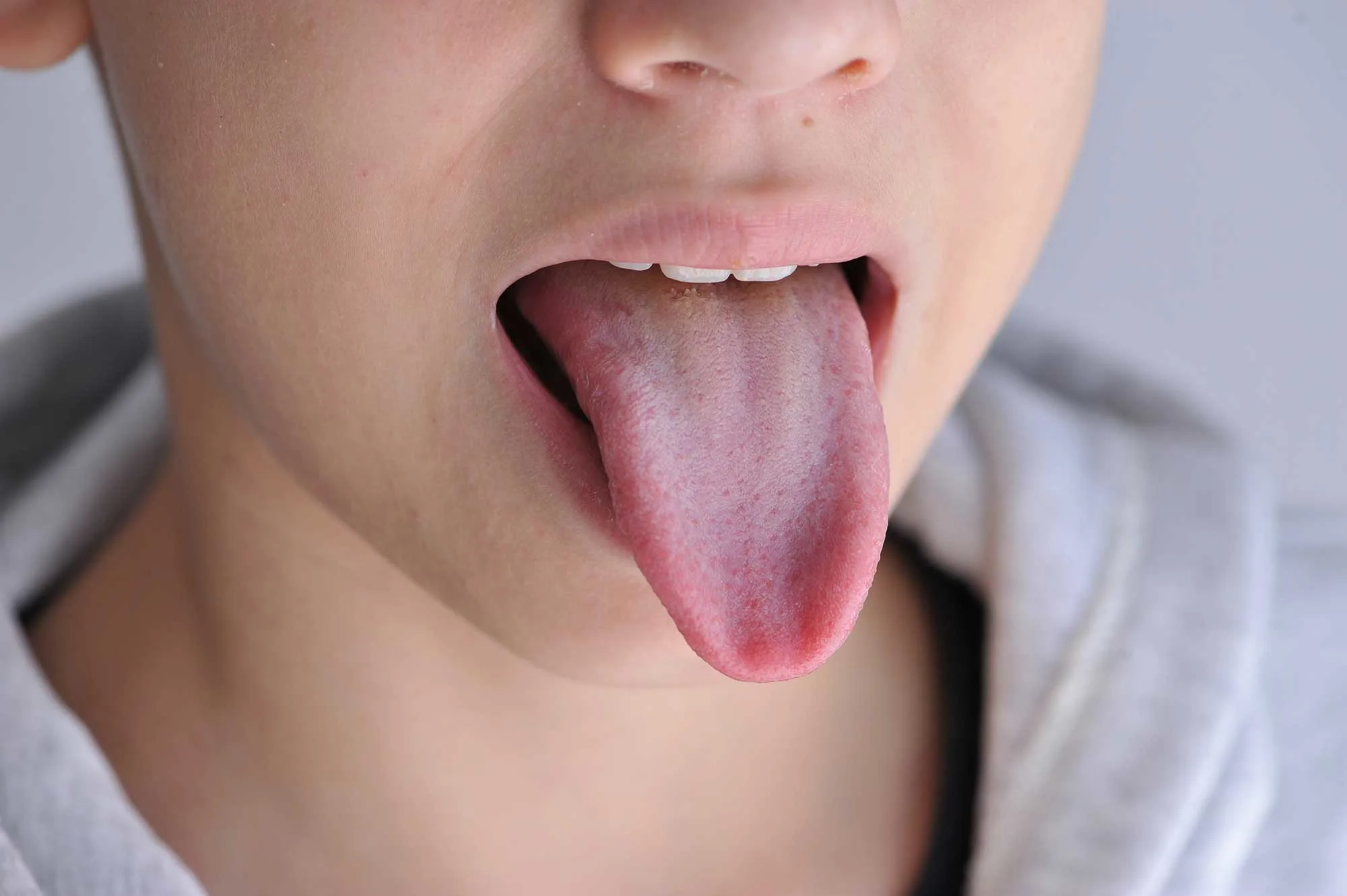
Use a dedicated tongue scraper or the back of a toothbrush to gently clear the tongue surface. For persistent odour, scraping can make an immediate, noticeable difference and complements brushing and flossing. Find tips on safe tongue scraping.
Use mouthwash
An antiseptic mouthwash reduces oral bacteria and can temporarily neutralise smell.
Rinse for 30 seconds with an antibacterial or zinc‑containing mouthwash after brushing and tongue cleaning. Mouthwash can help freshen the mouth and reduce odour-causing bacteria, although it cannot fully eliminate garlic compounds that are being released through the lungs. Research suggests that some odour-causing compounds continue circulating through the body after garlic consumption. See this review of halitosis management to learn more.
Chew gum or mints
Chewing stimulates saliva and can help mask and reduce odour quickly.
Choose sugar‑free gum containing xylitol (a sugar substitute that reduces harmful oral bacteria and is used in sugar‑free gum) where possible. Increased saliva flow helps clear odour molecules from the mouth and the act of chewing provides a short‑term masking effect. Peppermint and spearmint flavours are commonly effective for immediate confidence.
Consume neutralising foods and drinks
Many people looking for a quick garlic breath cure find that combining these foods with brushing and tongue cleaning provides better results than relying on a single remedy.
Parsley and fresh herbs (contain chlorophyll and act as natural neutralisers)
Apple and raw lettuce (enzymes can help neutralise odour)
Milk (dairy can reduce volatile compounds when drunk with or after garlic)
Green tea (polyphenols help neutralise sulphur compounds)
Lemon water (acidic rinsing and flavour masking)
Eating these with or soon after eating garlic can reduce the intensity of odour and speed recovery.
Oral‑B helps you manage garlic breath with a thorough oral care routine
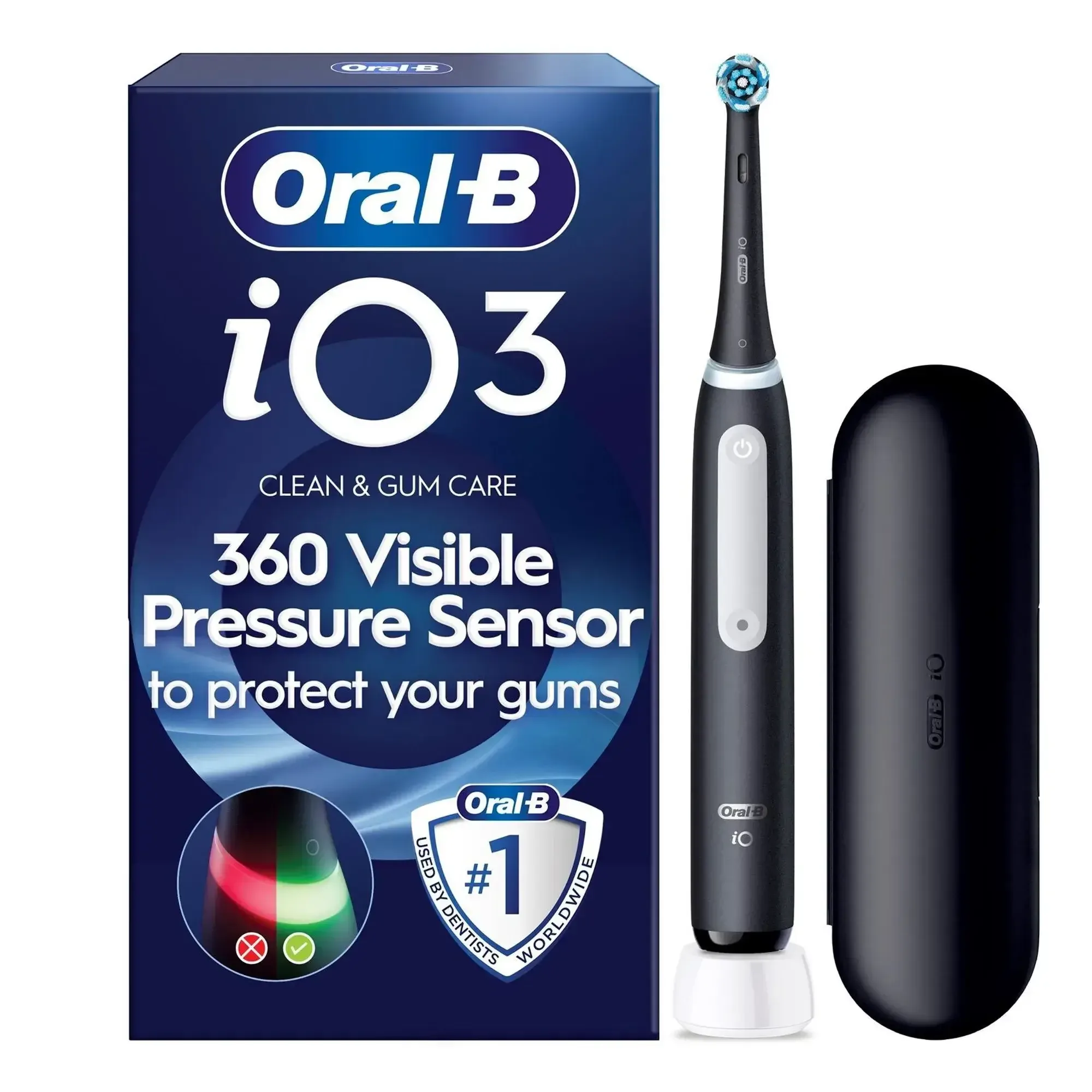
A thorough oral care routine can help reduce the oral causes of garlic breath and keep your breath fresher after meals. Using an effective toothbrush removes plaque and food residue more reliably than manual brushing alone. The Oral‑B iO Electric Toothbrush Series provides gentle, high‑quality cleaning and timed routines to ensure thorough coverage. Pairing that with daily flossing, regular tongue cleaning and a suitable mouthwash creates a strong defence against mouth odours and supports fresher breath long term. Explore the Oral‑B iO Electric Toothbrush Series for options that suit sensitive mouths and provide guided brushing. For quick relief, brush and floss, scrape your tongue, rinse with an antibacterial mouthwash and chew sugar‑free gum. Drink water and try parsley or an apple. These combined steps reduce surface odour quickly, though systemic smell may take longer to clear.
If breath remains unusually strong for more than a few days despite good oral hygiene, see a dentist. Persistent bad breath can sometimes indicate gum disease, tooth decay, or another underlying health condition requiring assessment and treatment. Guidance on the causes and management of persistent oral malodour is discussed in this clinical review.
Summary
If you're looking to get rid of garlic breath, combining effective oral cleaning with neutralising foods and targeted products is usually the most effective solution.
Start by brushing for two minutes, flossing and scraping the tongue to remove residue and bacterial build‑up. Add an antibacterial mouthwash and chew sugar‑free gum to stimulate saliva and mask immediate odour. Neutralising foods such as parsley, apple or milk can help, and drinking water reduces lingering taste.
Remember that some garlic compounds are carried in the bloodstream and released through the lungs and skin, so complete elimination can take hours. For regular control, adopt a consistent oral care routine with reliable tools. Using an electric toothbrush as part of your routine helps remove plaque and food residue more effectively than a quick manual brush, supporting fresher breath over time. If odour is persistent despite good hygiene, consult your dentist or GP to check for underlying issues.
FAQs
Is raw garlic worse for breath than cooked garlic?
Yes, raw garlic usually causes stronger odour because crushing raw cloves releases more volatile sulphur compounds. Cooking reduces some of the enzyme activity responsible for producing odour-causing compounds, although cooked garlic can still contribute to lingering breath. This effect is discussed in a study on garlic-derived sulphur compounds.
How long does garlic breath last?
Garlic breath often improves within 24 hours, but some sulphur compounds can remain detectable for several hours or longer depending on how much garlic was consumed and how the body processes it. According to a clinical study, oral cleaning helps reduce surface odour, but systemic compounds may take longer to clear.
Is mouthwash effective against garlic breath?
Yes. Mouthwash can reduce oral bacteria and provide temporary freshness, although it may not eliminate garlic compounds being released through the lungs. Use it alongside brushing, flossing and tongue scraping for best results. Evidence reviewed in this publication on bad oral odours supports a combined oral-care approach.