This blog has been reviewed and approved by Dr Robert Lee, a dental professional of 35 years
If you are asking which toothbrush removes the most plaque, the evidence gives a clear starting point: powered toothbrushes remove more plaque than manual brushes, while a 2026 network meta-analysis ranked oscillating-rotating technology first for plaque reduction, ahead of sonic and manual brushing. This guide explains how each brush works, what independent research shows, and how to choose the best toothbrush to remove plaque for your routine.
Why Plaque Removal Is the Fairest Test
Plaque is a sticky film of bacteria on the teeth, and effective brushing helps stop it building up. Because plaque is central to tooth decay and gum disease, plaque reduction is a practical clinical measure for comparing toothbrush performance.
How Each Type of Toothbrush Works
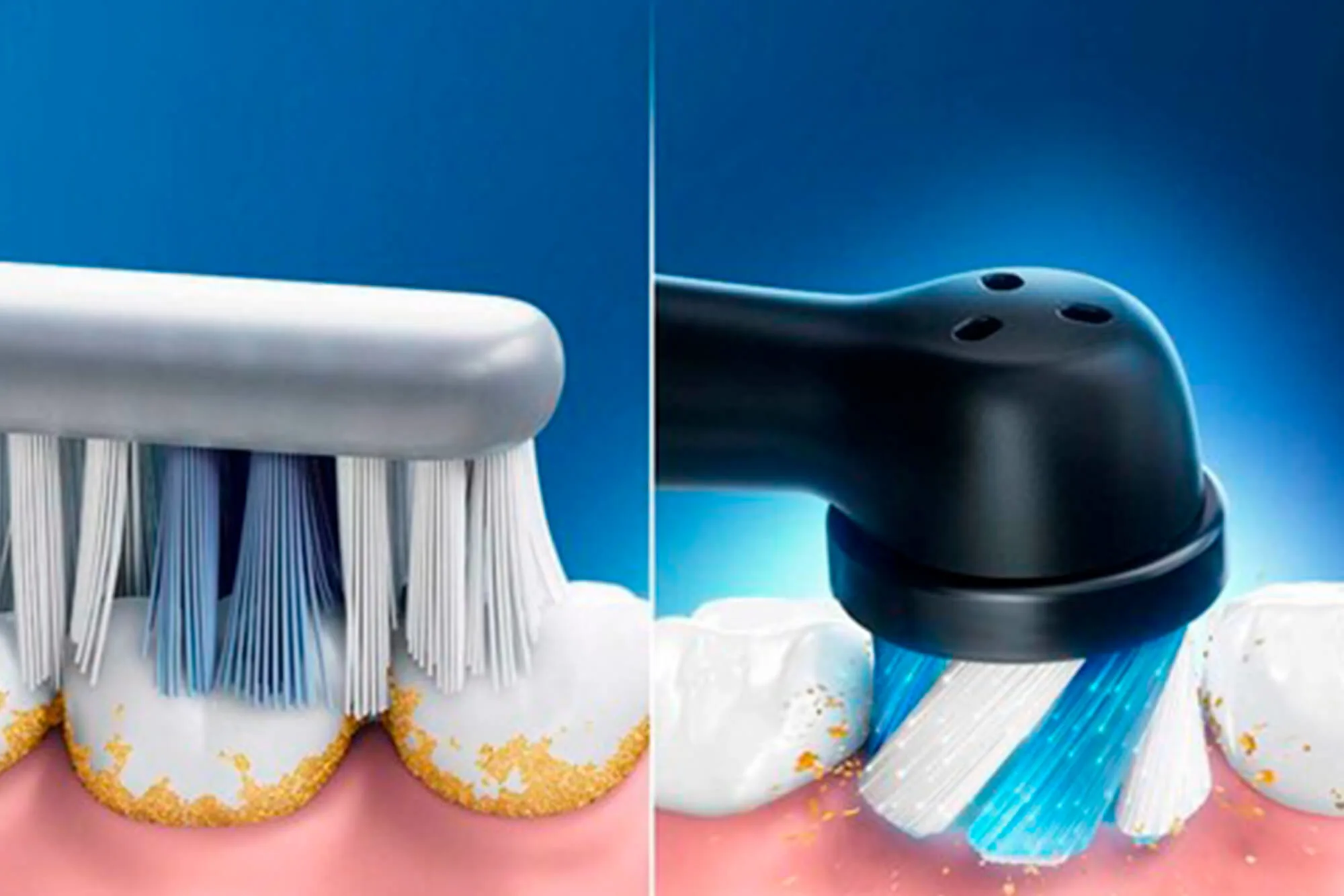
Manual, sonic and oscillating-rotating toothbrushes use different movements, so both the brushing action and the amount of work required from the user differ.
Manual toothbrushes
With a manual toothbrush, you create all the brushing movement yourself. Good results therefore rely heavily on covering every surface, brushing for long enough and using an effective technique.
Sonic electric toothbrushes
A sonic toothbrush typically uses an elongated head that moves rapidly from side to side. The powered movement helps the bristles sweep across several teeth while you guide the brush around the mouth.
Oscillating-rotating electric toothbrushes
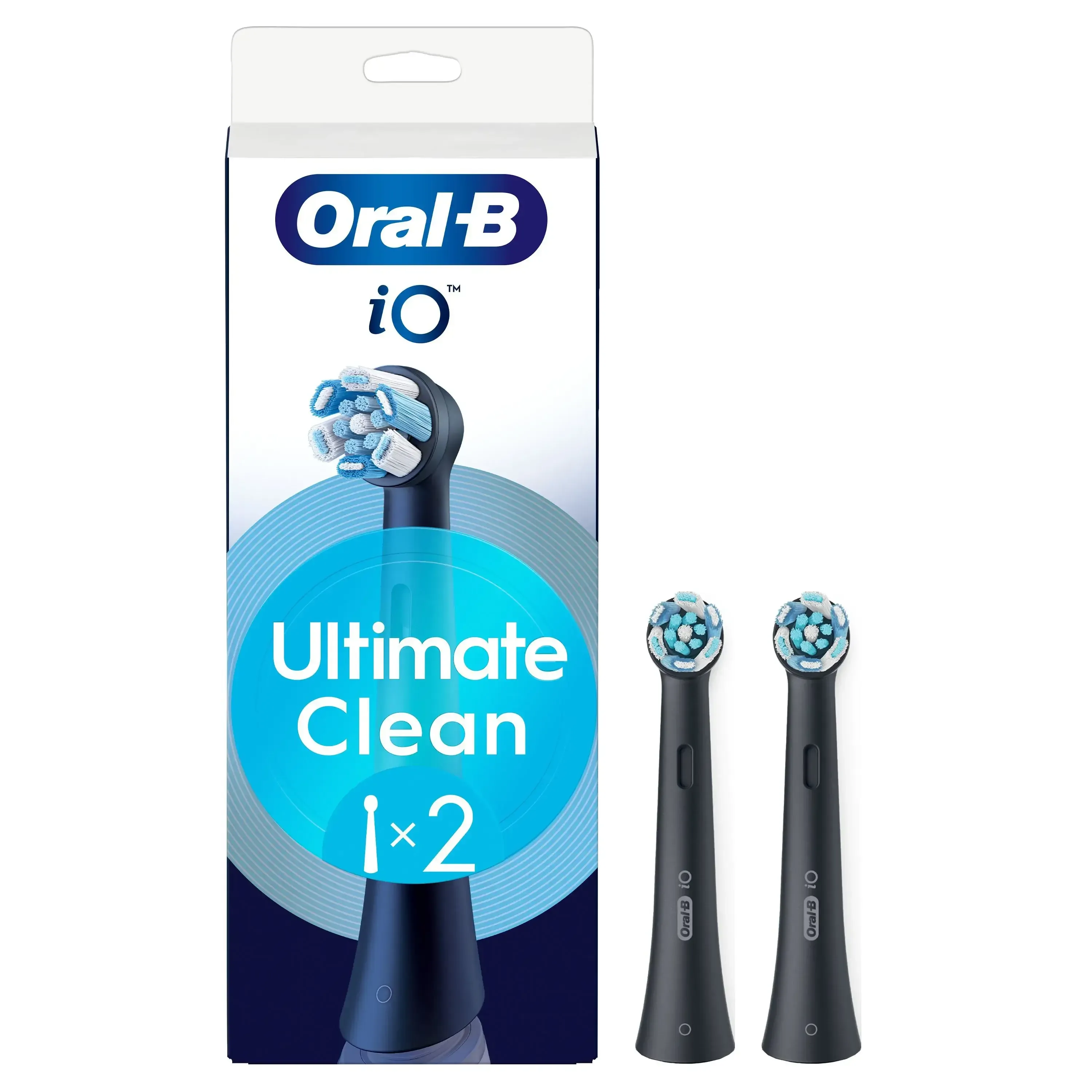
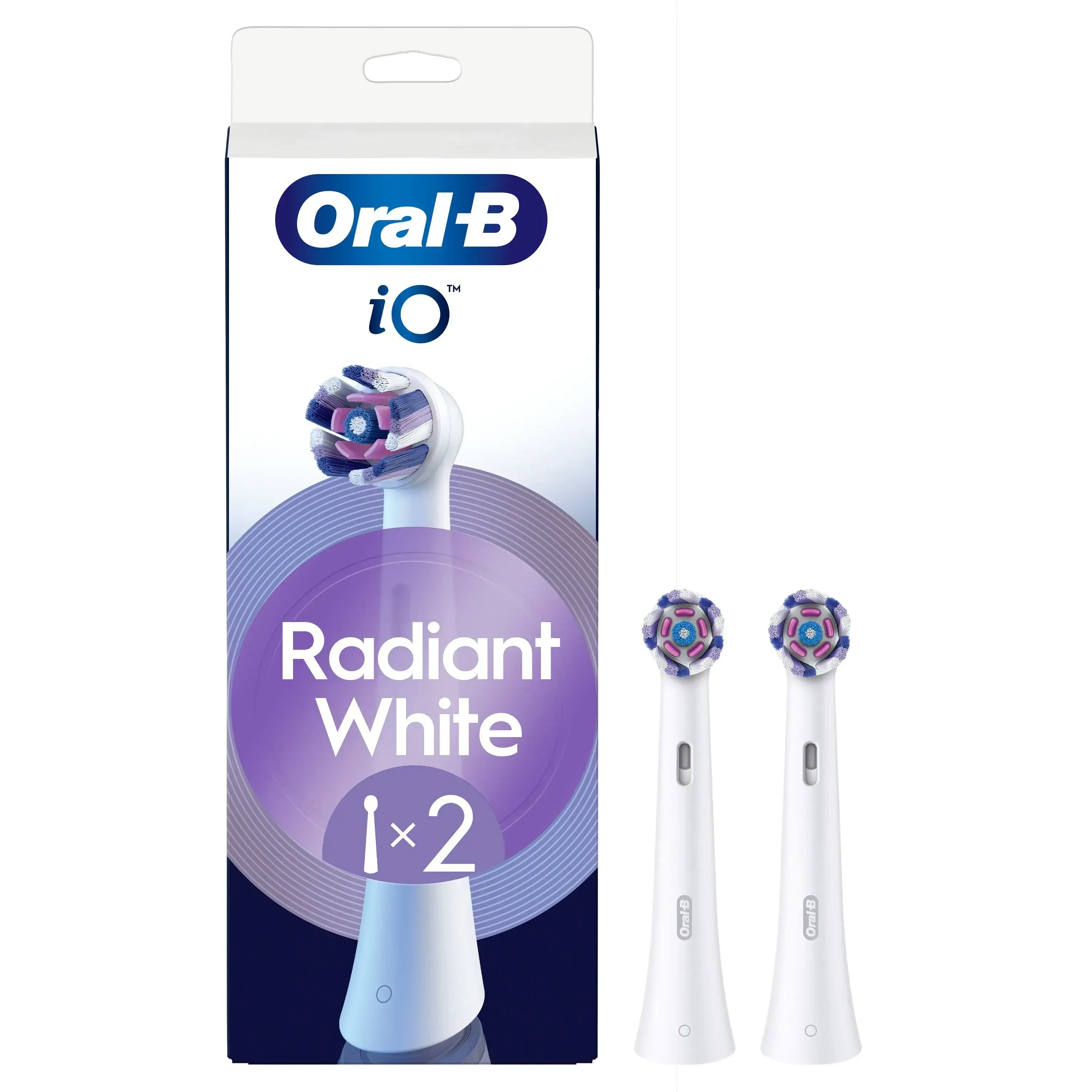
An oscillating-rotating toothbrush uses a small round brush head that moves back and forth to clean tooth by tooth. Oral-B iO builds on this action by combining oscillating-rotating movement with gentle micro-vibrations.
What the Evidence Says
Powered toothbrushes remove more plaque than manual brushes in the Cochrane evidence base, and a 2026 network meta-analysis ranked oscillating-rotating highest among the compared technologies. Sonic ranked second and manual brushing ranked last for plaque reduction. The network meta-analysis included 19 randomised controlled trials. “Ranked first” means oscillating-rotating had the highest probability of being among the most effective options in that analysis.
Moreover, the cleaning technology of Oral-B iO ranked #1 for plaque removal and gum care, based on a research ranking efficacy of toothbrush technologies published in 2026¹.
Manual vs Sonic vs Oscillating-Rotating at a Glance
Feature | Manual | Sonic | Oscillating-rotating |
|---|
Movement | Movement supplied by the user | Powered side-to-side vibration | Powered back-and-forth rotation |
Head shape | Usually elongated | Usually elongated | Small, round brush head |
How you use it | You move the brush across surfaces | Guide the powered head around teeth | Guide the round head tooth by tooth |
Plaque evidence | Effective with thorough technique; ranked last in 2026 NMA | Better plaque ranking than manual in 2026 NMA | Ranked first for plaque reduction in 2026 NMA |
Built-in help | None inherent | Depends on model | Depends on model; iO9 includes timer and Smart Pressure Sensor |
Who it may suit | People comfortable with manual technique | People who prefer an elongated powered head | People prioritising strongest ranking in the 2026 comparison |
How Much More Plaque Does Oral-B iO Remove?
Oral-B iO removes 2X more plaque along the gumline than a manual toothbrush. Oral-B iO combines oscillating-rotating technology with gentle micro-vibrations, delivering the plaque-removal performance.
Does Brushing Technique Still Matter?
Yes. The NHS recommends brushing twice a day for about two minutes, using fluoride toothpaste and cleaning every surface of every tooth. Whichever brush you choose, learning to brush your teeth properly remains essential. Some electric brushes can make consistency easier with built-in timers and pressure guidance.
Which Type of Toothbrush Should You Choose?
The best choice depends on what you use now, your needs and the type of brushing experience you prefer, while the evidence can help guide the decision.
If you use a manual brush: moving to a powered brush is supported by evidence showing greater plaque reduction over time.
If you already use a sonic brush: sonic performs well, but the 2026 analysis ranked oscillating-rotating higher for plaque reduction.
If you have braces or are choosing for a child: the 2026 analysis reported particularly favourable results for oscillating-rotating brushes in orthodontic patients and children; ask a dental professional for individual advice.
If you have sensitive gums: consider features that help control brushing pressure and gentler cleaning modes, and seek dental advice if sensitivity persists.
For a broader overview of electric vs manual toothbrushes, compare how powered features fit your own brushing habits.
Why Oral-B iO Takes Oscillating-Rotating Further
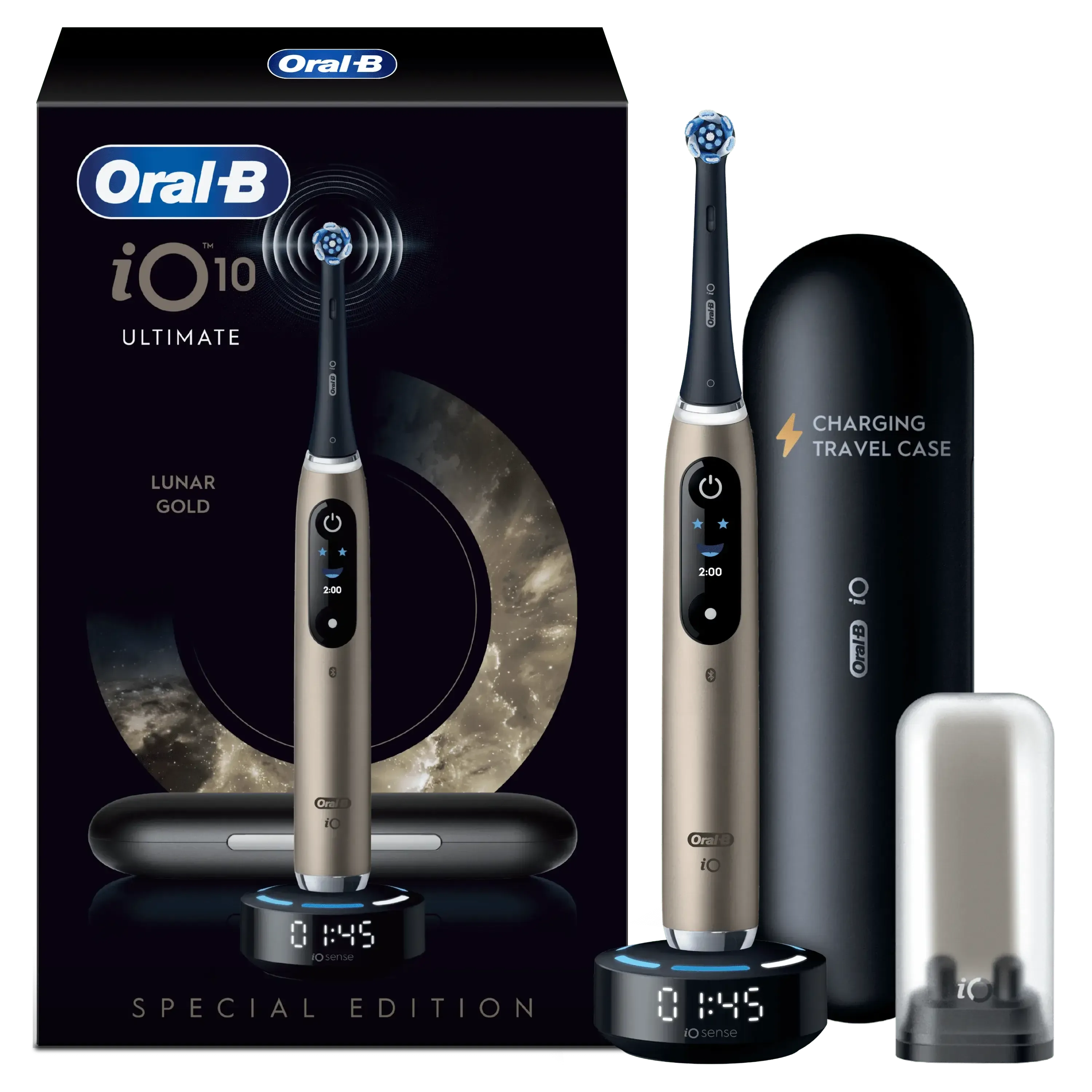
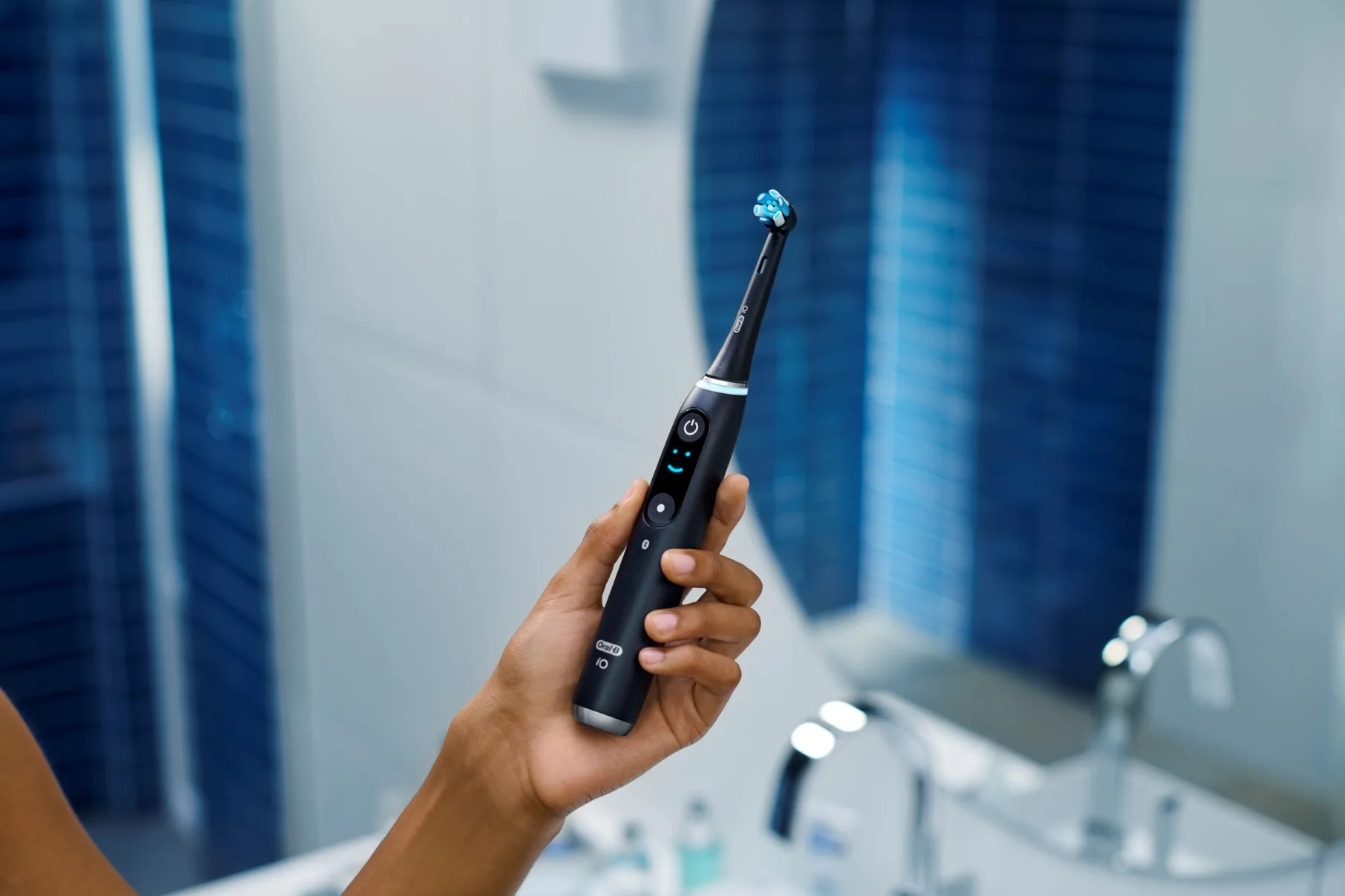
Oral-B iO combines the round oscillating-rotating brush head with gentle micro-vibrations. The iO9 also includes a Smart Pressure Sensor, a two-minute timer and 3D Teeth Tracking to provide guidance while brushing. Oral-B is also the#1 Most Used Brand by Dentists worldwide.
If these features suit your routine, explore the Oral-B iO range or view the Oral-B iO9 product page for model-specific details.
The Bottom Line
All three toothbrush types can clean teeth when used thoroughly, but the evidence does not place them equally for plaque removal. Powered brushes outperform manual brushes in the Cochrane review, while the 2026 network meta-analysis ranked oscillating-rotating first, sonic second and manual last. For consumers looking for a plaque removing toothbrush, Oral-B iO9 pairs oscillating-rotating technology with built-in guidance features.
FAQs
Do electric toothbrushes really remove more plaque than manual ones?
Yes. A Cochrane review found powered toothbrushes reduced plaque more than manual toothbrushes. Results still depend on thorough, regular brushing, so the brush does not replace good daily technique.
Is an oscillating-rotating toothbrush better than a sonic toothbrush?
For plaque reduction, the 2026 network meta-analysis ranked oscillating-rotating first and sonic second among the technologies compared. Both are powered options, and your best choice should also account for comfort, technique and individual dental advice.
Can a manual toothbrush clean as well as an electric one?
A manual toothbrush can clean effectively when every tooth surface is brushed thoroughly. However, the Cochrane review found powered brushes produced greater average reductions in plaque and gingivitis over time, so the overall evidence favours powered brushing.
Is it worth switching from a manual to an electric toothbrush?
If plaque removal is your priority, switching is supported by evidence that powered brushes reduce more plaque than manual brushes on average. The best electric toothbrush to remove plaque is still one you can use comfortably, correctly and consistently.
Reference
Based on research ranking efficacy of toothbrush technologies published in 2026
About Our Medical Reviewers
Dr Robert Lee is a dentist with more than thirty years of experience in the industry.
Graduating from the University of Sydney with a Bachelor of Dental Surgery and from the University of New South Wales with a Master of Business Administration, Robert’s career has taken him all over the world – from Australia to Germany to his current position in Chicago, where he is the founder of Denticus Inc., offering strategic dental consulting.
Robert has previously worked for Procter & Gamble as the Director of Professional Scientific Relations in both the Cincinnati and Sydney offices, being responsible for external relations and scientific exchange with leading professional associations and industry thought leaders. He was also responsible for all technical and scientific training for the professional teams in North America and Australia.
Robert has been assisting the team at Oral-B by fact-checking and reviewing our blogs on dental health.