Independent research shows that electric toothbrushes remove more plaque than manual toothbrushes and some cleaning technologies perform better than others.
While manual toothbrushes can certainly help you clean your teeth, electric toothbrushes tackle those tough-to-reach areas of your mouth for a more thorough clean.
In this article, we’ll review the differences between manual and electric toothbrushes and why the type of cleaning technology matters.
Electric Toothbrush vs. Manual: Differences
Manual and electric toothbrushes are both designed to clean your teeth, but they work in different ways. These differences can impact your oral health.
Manual Toothbrush
A manual toothbrush is often made with a plastic handle and soft bristles. To use it, just add toothpaste and start brushing.
With a manual toothbrush, you control all the movement, guiding the brush across every surface of your teeth to remove plaque and food debris. It’s up to you to brush hard-to-reach areas of your mouth. You also have to pay attention to the amount of pressure you exert as well as how long you spend brushing.
That said, when used with proper technique for the recommended amount of brushing time, manual toothbrushes can clean effectively.
Electric Toothbrush
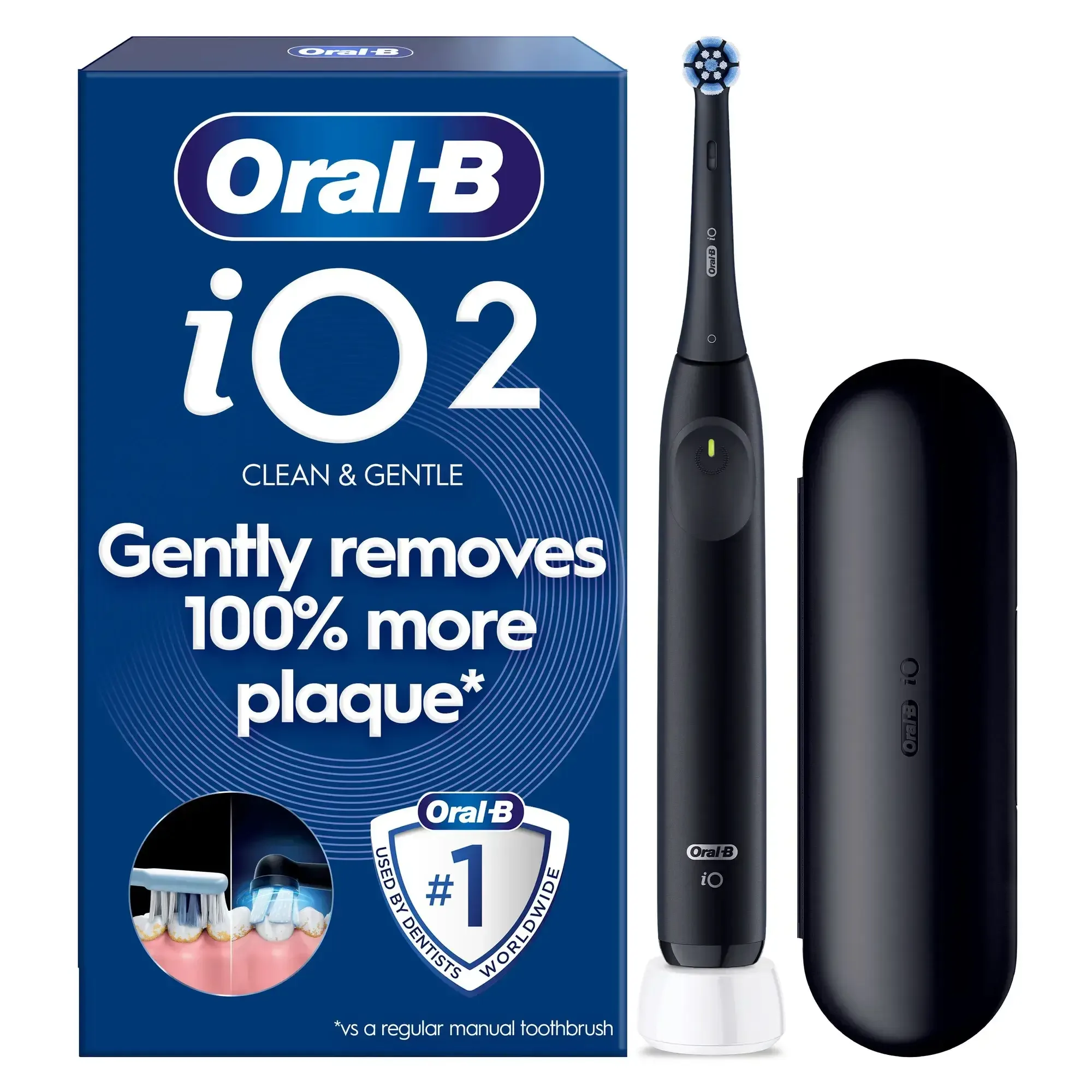
An electric toothbrush is a more advanced option that moves the bristles for you. Studies have shown that electric toothbrushes can remove plaque more effectively than manual brushing. You still guide the brush to brush hard-to-reach areas of your mouth, but it handles most of the work, helping you achieve an optimal cleaning.
Oral-B iO electric toothbrushes expand that help with a built-in timer (that also vibrates every 30 seconds) to help you brush for the dentist-recommended 2 minutes, pressure sensors that alert you, and a charging indicator to let you know when the toothbrush needs to be charged.
In an eight-week randomized controlled trial, Oral-B iO removed 100% more plaque than a regular manual toothbrush.
Side-by-Side Comparison Table
Feature | Oral-B iO Toothbrushes | Manual Toothbrushes |
|---|
Plaque removal | Removes 100% more plaque than a regular manual toothbrush | Research shows less plaque removal compared to electric |
Gum health | Can help support healthier gums through improved plaque removal | Can support gum health when used consistently with proper technique |
Brushing action | Round brush head with oscillating-rotating action and gentle micro-vibrations; the technology ranked first for plaque and gingivitis reduction among the technologies evaluated | Hand-powered movement controlled entirely by the user |
Pressure guidance | Built-in pressure feedback; visible guidance varies by model | No built-in pressure alert |
Timer and pacer | Built-in two-minute timer; pacing feedback and displays vary by model | Requires manual or external timing |
Cost and convenience | Around £50 to £300 depending on the model; only the brush head needs replacing every 3 to 4 months | Usually under £8, but the entire brush needs replacing every 3 to 4 months |
What Are the Benefits of an Electric Toothbrush?
Plaque Removal and Gum Health
Rechargeable electric toothbrushes (or "power" toothbrushes) provide superior plaque removal compared to regular manual toothbrushes, a finding supported by major independent reviews and numerous clinical studies.
When plaque accumulates around the gumline, it can lead to gingivitis, an early form of gum disease causing irritation, redness, and swelling. So plaque removal matters when it comes to dental hygiene and healthier gums.
A 2026 network meta-analysis of 19 randomized controlled trials compared electric toothbrush technologies, including oscillating-rotating, sonic, ultrasonic, other electric technologies, and manual toothbrushes. The study ranked technologies, not individual products.
Oscillating-rotating technology, the technology behind the Oral-B iO round brush head, was ranked first for plaque reduction and healthier gums among the technologies evaluated.
Ease of Use
While you need to follow a proper technique as recommended by your dentist for effective plaque removal with a regular manual toothbrush, electric toothbrushes provide the cleaning action for you.
The 2026 meta-analysis found that electric toothbrushes can remove plaque more effectively than manual brushing.
They’re easy to use. All you have to do is guide the brush along the surfaces of your teeth. Once people get the hang of it, many find this method of brushing easier. Likewise, people with arthritis or other similar conditions may find using an electric toothbrush easier.
Note: Electric toothbrushes may help kids brush their teeth more effectively, but be sure to check the age recommendations on an electric toothbrush before letting your child use it.
Technology and Features
Generally rich in technology and features, some electric toothbrushes can enable you to improve your brushing habits. Some models come with convenient features such as brush-head holders and travel chargers.
Features may include:
Built-in timers to help you keep track of how long you're brushing each quadrant of your mouth (some also vibrate every 30 seconds)
iO Series 2 has an automatic pressure sensor that signals when too much pressure is applied and slows the brush; iO Series 3 and above add Oral-B’s Visible Pressure Sensor with a full 360-degree ring
Brushing modes for specific needs, such as sensitive teeth, whitening benefits, or gum-massaging action
A charging indicator to let you know when the toothbrush needs to be charged
Digital reminders to replace your brush head
Bluetooth® connectivity to help track brushing progress and improve how you brush
Unique tracking technology that guides you in real time to help you cover every area
Does the Type of Electric Toothbrush Matter?
Oscillating-Rotating and Sonic Technology
What's the difference between a toothbrush that uses oscillating-rotating technology and one that uses sonic technology? Simply put: how the brush head moves.
An oscillating-rotating toothbrush has a round head that rotates back and forth, and a toothbrush that uses sonic technology moves side to side
What the Research Shows
A 2026 network meta-analysis of 19 randomized controlled trials compared electric toothbrush technologies. Oscillating-rotating technology, the technology behind the Oral-B iO round brush head, was ranked first for plaque reduction and gum health improvement among the technologies evaluated.
How Oral-B iO Uses Oscillating-Rotating Technology
The Oral-B iO toothbrush uses a small, dentist-inspired round brush head with oscillating-rotating technology that rotates back and forth for tooth-by-tooth cleaning. iO also adds gentle micro-vibrations to the oscillating-rotating platform.
Choosing the Right Toothbrush for Your Needs
Choose the cleaning technology first. Every Oral-B iO electric toothbrush uses oscillating-rotating technology, which ranked first for plaque removal and gum health improvement among the technologies evaluated in the 2026 meta-analysis.
Then choose the features you need: pressure feedback, timers, brushing modes, or app/display coaching. All Oral-B iO toothbrush models use the same core cleaning technology, but they differ in the level of guidance, personalization, and convenience each offers.
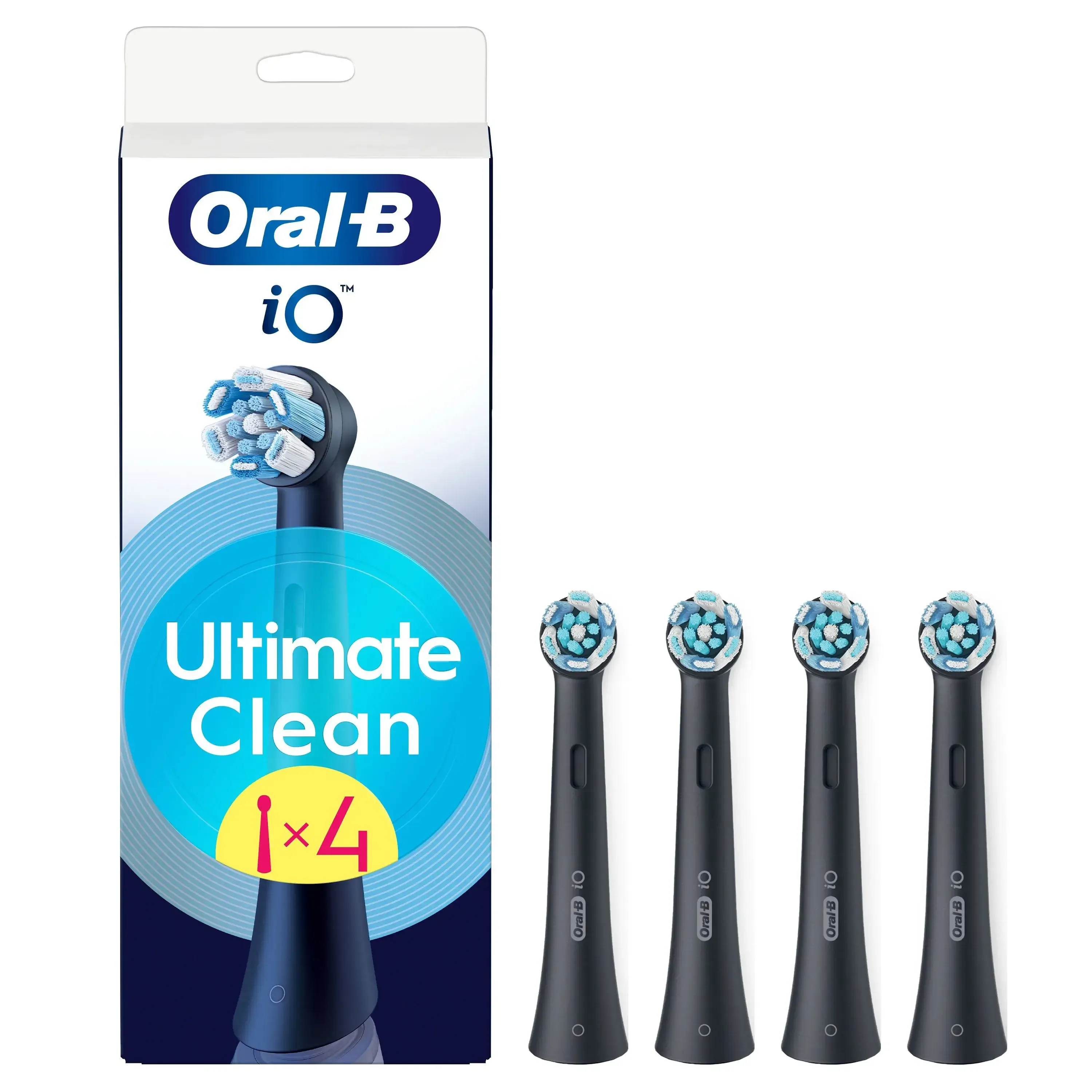
Replace the toothbrush head every three to four months (or sooner if the bristles become bent or frayed). And when you need a brush head replacement, pair your iO toothbrush with Oral-B iO Ultimate Clean Replacement Brush Heads, designed to work in harmony with the iO handle to tackle plaque in hard-to-reach areas.
Our Top Electric Toothbrush Recommendation
While any Oral-B iO electric toothbrush offers a superior clean, the Oral-B iO Series 9 is one of our most advanced models. It combines the dentist-inspired round brush head with powerful yet gentle micro-vibrations for a professional clean feeling every day.
The iO9 includes many of the high-tech features mentioned earlier, including 7 Smart Brushing Modes for personalized cleaning, a Smart Pressure Sensor that turns red when you brush too hard, and 3D Teeth Tracking to guide you to your best clean across all areas of your mouth.
Oral-B offers electric toothbrushes at a range of price points, so you can choose the model that fits your needs and budget.
How to Use an Electric Toothbrush
To use your electric toothbrush, make sure it's charged.
Next, you'll want to wet the brush head and apply your toothpaste.
Once you're ready to start brushing, angle the brush head next to your gum line at 45 degrees.
Hold the brush against each tooth in turn, gently moving across all your teeth. (There's no need to scrub or use a lot of pressure since the toothbrush is doing the cleaning for you.)
Brush your tongue then spit out the excess toothpaste without rinsing.
Clean the brush head according to the instructions for your specific toothbrush every time you use it to prolong its life.
How Long to Brush with an Electric Toothbrush
Most people underestimate the amount of time they should brush. Dental professionals recommend brushing for at least two minutes, twice a day. Each quadrant of your mouth gets 30 seconds of brush time.
With a manual toothbrush, it's easy to lose track of time. Oral-B electric toothbrushes include two-minute timers that take you through this routine helping you brush for the full recommended time.
Frequently Asked Questions
Do dentists recommend electric or manual toothbrushes?
Dental professionals recommend both. What matters most is brushing twice a day for two minutes with proper technique. That said, electric toothbrushes can make effective brushing easier, and independent research shows electric toothbrushes remove more plaque than manual ones.
Are there disadvantages of using an electric toothbrush?
There are a few disadvantages to an electric toothbrush, including cost and a potential learning curve if you want to take advantage of all its features. An electric toothbrush also requires a charger and a power source.
How does a pressure sensor help me brush?
Pressure sensors in Oral-B iO toothbrushes tell you if you're using too much force with a visible light. When you see this signal, ease up on your brushing pressure to help protect your gums.
Some iO models have a Smart Pressure Sensor that displays red when you're brushing too hard, white when brushing too lightly, and green when it’s just right. The sensor automatically slows down the rotating speed if you are brushing too hard.
Can I use an electric toothbrush with braces?
Electric toothbrushes are generally considered safe if you have braces but follow the guidance you were given for your specific toothbrush.
Whether you use an electric or a manual toothbrush, brushing is important when you have braces because it can be tough to clean around brackets and wires, which allows plaque to accumulate. Brushing twice daily with an electric toothbrush can help keep your teeth cleaner even with braces.
The Oral-B iO Targeted Clean Replacement Brush Head was specially designed with dental professionals to reach and clean areas that require special focus, such as around braces. If your braces are leaving your mouth feeling sensitive or sore, try using an Oral-B iO Gentle Care Replacement Brush Head.
How often should I replace an electric toothbrush head?
Dentists recommend replacing your electric toothbrush head every 3 to 4 months, or sooner if the bristles become worn or frayed. Worn bristles can’t effectively remove the plaque from your teeth, and if they’re frayed as well, they may poke into your gums and irritate them.
Which brush heads fit my Oral-B iO electric toothbrush?
Oral-B iO brush heads work with all Oral-B iO handles. To find the brush head that’s right for you, look at our guide.
How do I clean an electric toothbrush?
Rinse your electric toothbrush after use under running water while the handle is still on. Then detach the brush head and clean both parts separately. Air dry the brush and reassemble.
Can I bring an electric toothbrush on a plane?
TSA permits electronic toothbrushes in both carry-on and checked bags. Toothbrushes containing lithium batteries should be packed in carry-on luggage.
References
American Dental Association
National Institutes of Health
Grender, J., Goyal, C. R., Qaqish, J., & Adam, R. (2020). An 8-week randomized controlled trial comparing the effect of a novel oscillating-rotating toothbrush versus a manual toothbrush on plaque and gingivitis. International Dental Journal, 70(Suppl. 1), S7–S15. https://doi.org/10.1111/idj.12571
Grender, J., Goyal, C. R., Qaqish, J., Timm, H., & Adam, R. (2022). A 12-week randomized controlled trial comparing a novel electric toothbrush with an extra gentle brush head to a manual toothbrush for plaque and gingivitis reduction. Compendium of Continuing Education in Dentistry, 43(3), f20–f29. https://pubmed.ncbi.nlm.nih.gov/35809255/
Luo, C., Chen, N., Jing, Q., Hu, S., Wan, S., Zhang, S., Liu, G., Li, N., & Zhao, L.-Y. (2026). Comparative efficacy of electric toothbrush technologies in plaque and gingivitis reduction: A network meta-analysis. Clinical Oral Investigations, 30(6), Article 270. https://doi.org/10.1007/s00784-026-06955-z
Thurnay, S., Adam, R., & Meyners, M. (2022). A global, in-market evaluation of toothbrushing behaviour and self-assessed gingival bleeding with use of app data from an interactive electric toothbrush. Oral Health & Preventive Dentistry, 20, 1–10. https://doi.org/10.3290/j.ohpd.b2572911
Timm, H., Qaqish, J., Goyal, C. R., Grender, J., Zou, Y., Hoke, P., Farrell, S., & Adam, R. (2023). Superior stain prevention efficacy of an electric toothbrush/whitening brush head [Conference abstract]. 2023 AADOCR/CADR Annual Meeting, Abstract 0934. https://iadr.abstractarchives.com/abstract/52am-3820555/superior-stain-prevention-efficacy-of-an-electric-toothbrushwhitening-brush-head
Zou, Y., Grender, J., Adam, R., & Levin, L. (2024). A meta-analysis comparing toothbrush technologies on gingivitis and plaque. International Dental Journal, 74(1), 146–156. https://doi.org/10.1016/j.identj.2023.06.009