Bad breath in children is common, and it is rarely a sign that anything is seriously wrong. Halitosis is the medical term for unpleasant-smelling breath, and in most children it comes from bacteria that collect on the teeth and tongue. That is why a thorough brushing routine, plenty of water and regular dental visits usually make the biggest difference. Noticing the smell does not mean you are doing anything wrong. In this article, we explain the everyday causes, the ones that need a GP, and the simple habits that help.
What Causes Bad Breath in Children?
Most of the time, the cause is plaque bacteria on the teeth and tongue, a dry mouth or strong-smelling food. The bacteria feed on leftover food and give off smelly gases, so the smell is strongest where brushing misses. A 2021 review of halitosis in children found that most risk factors were oral, including poor hygiene, gum inflammation, tooth decay and a coated tongue.
Plaque bacteria: dental plaque is a sticky film that clings to teeth, gums and the tongue, especially when brushing is rushed.
Dry mouth: saliva rinses away food and bacteria, so a dry mouth smells stronger. Not drinking enough or breathing through the mouth can cause it.
Strong-smelling foods: garlic, onions and spicy foods can leave a smell until the next brush.
If you have asked yourself, “Why does my child have bad breath?”, start with these everyday causes.
Is It Morning Breath or Something More?
Morning breath is normal and usually fades after brushing and a drink of water, while a smell that lingers through the day deserves a closer look. Saliva flow slows during sleep, so bacteria multiply overnight.
If the smell is still there at lunchtime, or returns soon after brushing, something else is likely going on, such as missed plaque, a dry mouth or a problem with a tooth or gum. Persistent halitosis in children usually has a cause that can be found and put right, which is reassuring.
How Can Teeth and Gums Cause Bad Breath?
Plaque left along the gumline, tooth decay and inflamed gums can all give off an unpleasant smell. When plaque is not brushed away, the bacteria in it irritate the gums, which can turn red, puffy or bleed. This early gum inflammation is called gingivitis, and it can be a hidden source of odour.
Decay adds to the problem, because holes in the teeth trap food and bacteria. Cavities are the #1 most preventable disease in children.1 It is worth catching cavities in baby teeth early.
Can Bad Breath Start Beyond the Mouth?
Yes. Mouth breathing, swollen tonsils or a sinus infection can all cause bad breath, and these need a GP rather than better brushing. A blocked nose can push children to breathe through the mouth, drying it out, while swollen tonsils can trap food and bacteria. A sinus infection can send mucus down the throat for bacteria to feed on.
Signs that the cause may be beyond the mouth include:
A blocked or runny nose that does not clear up
Snoring, or sleeping with the mouth open
A sore throat or red, swollen tonsils
If you notice these, book a GP appointment, as extra brushing will not solve it.
How Does Thorough Brushing Help With Fresh Breath?
Brushing thoroughly twice a day for two minutes, tongue included, removes the plaque that bacteria use to make odour. The NHS advises brushing gently at least twice a day with fluoride toothpaste and cleaning the tongue once a day. UK government guidance, Delivering Better Oral Health, backs twice-daily brushing with fluoride toothpaste too.
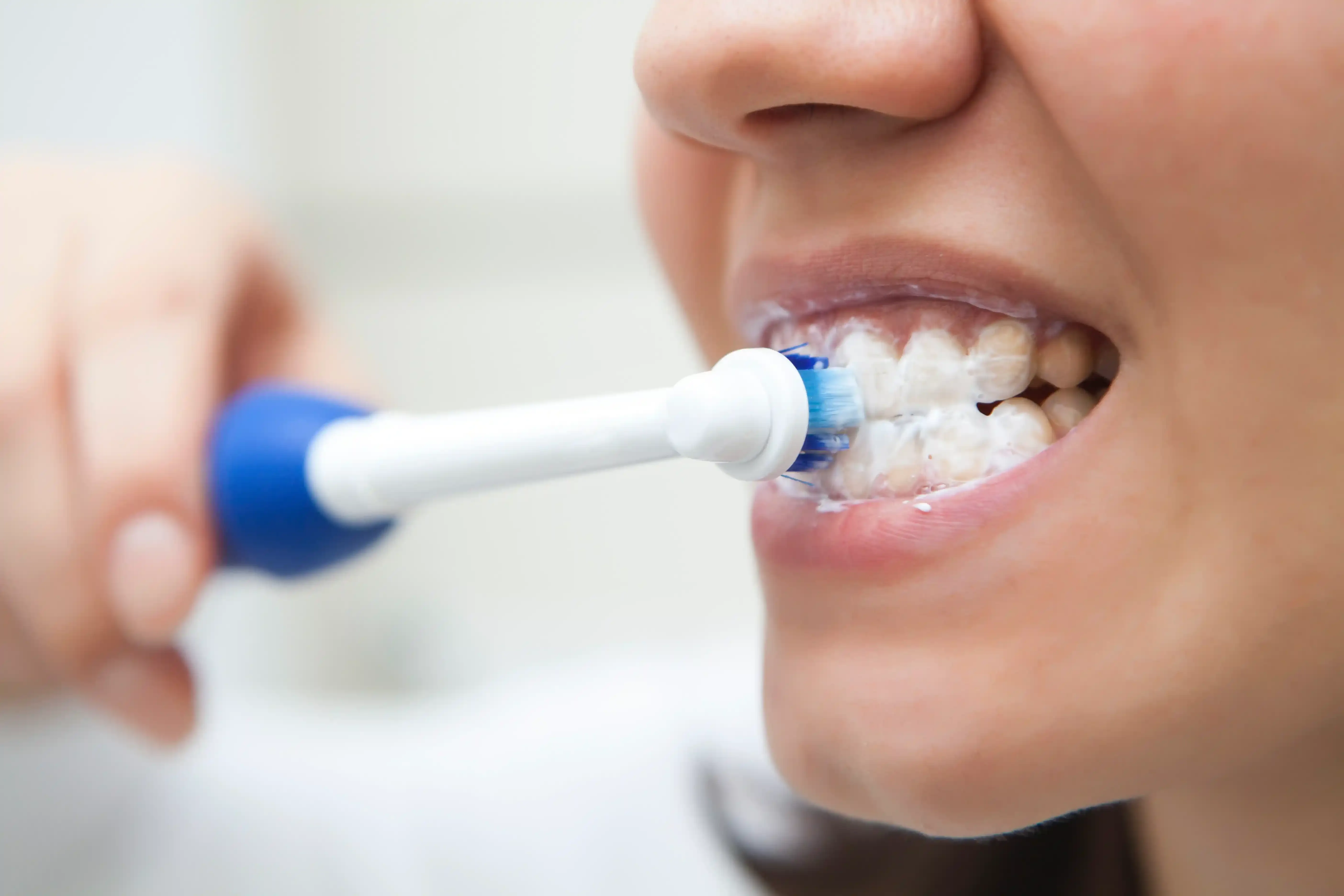
Children need a grown-up to help or supervise. Bad breath in toddlers is often down to plaque and food left on the teeth and tongue, so use a soft manual toothbrush, a smear of fluoride toothpaste and a gentle tongue brush. Electric toothbrushes are for ages 3 and over.
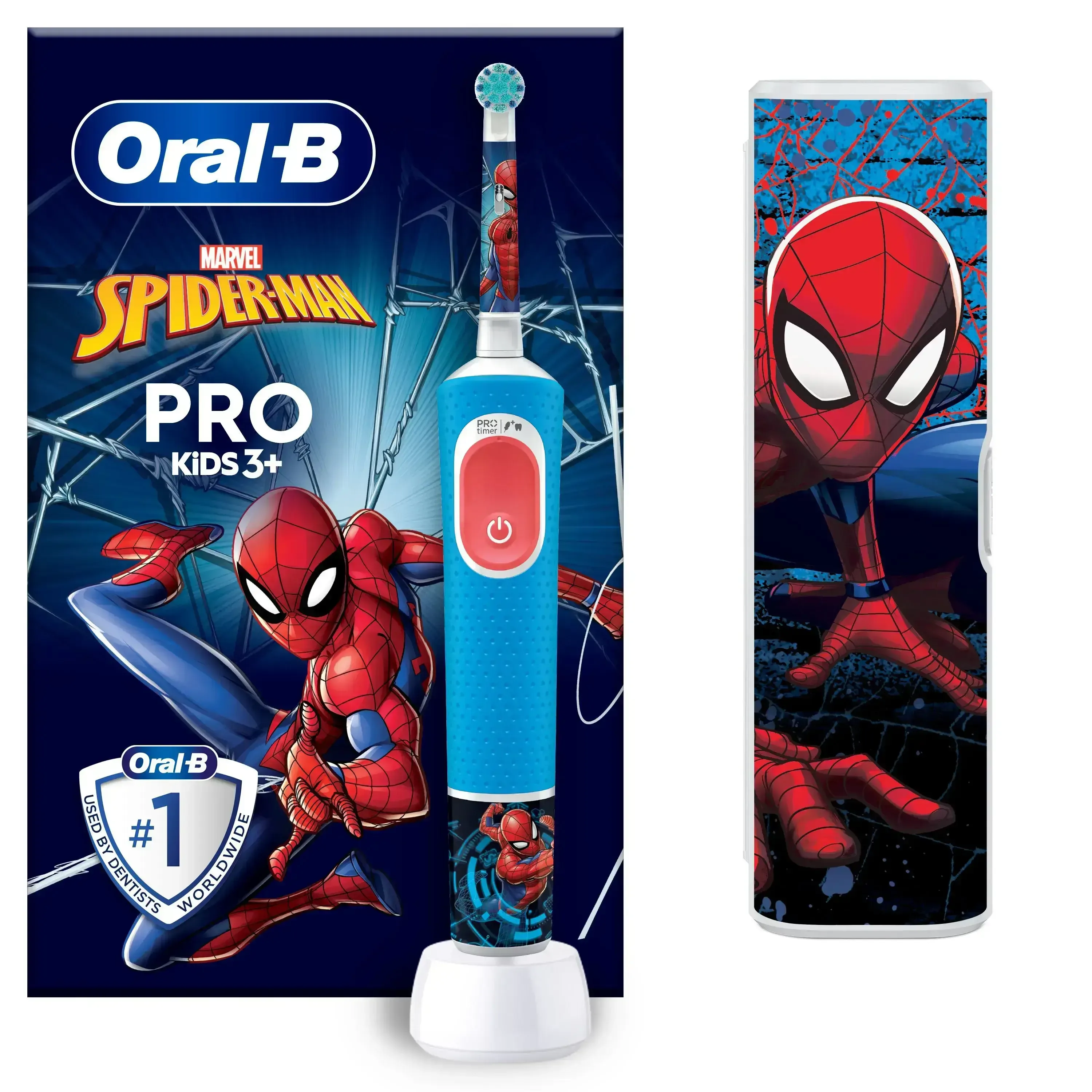
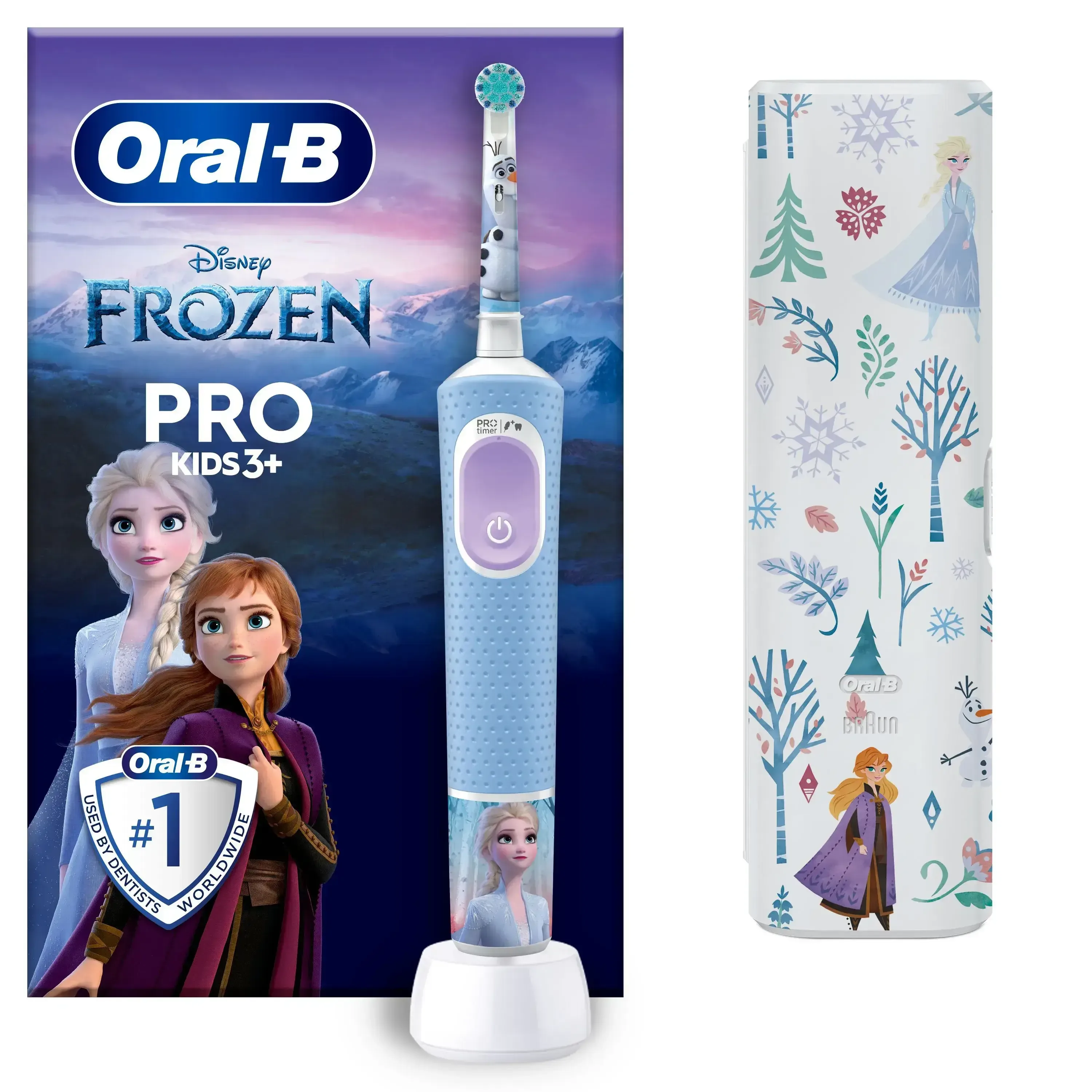
In one randomised trial of children aged 8 to 11, a power toothbrush gave better plaque reduction than a manual one. Oral-B kids toothbrushes include electric options matched to age. For ages 3 and over, the Oral-B PRO Kids has a small round brush head with soft bristles designed with dentists, uniquely for milk teeth.2
For ages 6 and over, there is Oral-B iO Kids:
It removes more plaque than a regular manual toothbrush.3
Gentle on gums: the brush automatically reduces speed if children over-brush, to protect delicate gums.4
2-minute music timer: engaging music motivates brushing and celebrates a job well done after two minutes.5
With the iO Kids, more than 80% of parents say their child is more motivated to brush twice a day for two minutes.6 Both brushes can be used with an app too: 90% of kids brush longer when using the Disney Magic Timer App.7
Which Simple Habits Help Keep Breath Fresh?
A few small daily habits keep odour-causing bacteria in check. Here is a short checklist:
Brush twice a day for two minutes, and gently brush the tongue.
Clean between teeth daily once they touch, with a grown-up helping.
Offer water through the day, especially after snacks.
Keep sugary snacks and drinks to mealtimes where you can.
Book regular dental check-ups.
If you are wondering how to get rid of bad breath in kids, consistency matters more than any single trick. Our guide to caring for children's teeth covers a full routine, and grown-ups can read more about fresh breath.
When Should I See a Dentist or GP?
See a dentist if the smell has not gone after a few weeks of good brushing, or if it comes with pain or swollen gums. See a GP if it comes with a blocked nose, sore throat or swollen tonsils, or if the dentist finds the teeth and gums healthy.
If your child seems unwell or finds it hard to breathe, get urgent medical help. Otherwise, there is no need to feel embarrassed. Dentists and GPs see this often.
The Bottom Line
Bad breath in children is common, usually harmless and often linked to plaque that brushing has missed. A smell that lasts all day is worth a closer look at the teeth, gums and tongue, or a GP visit if the nose or throat is involved.
The most useful step is a calm, consistent routine: brushing twice a day, a gentle tongue brush, cleaning between teeth, water through the day and regular check-ups. It does not need to be perfect, because small improvements add up.
If you would like some help, the Oral-B Kids range includes electric toothbrushes for children aged 3 and over, matched to your child’s age, which can make thorough brushing easier for the whole family.
FAQs
Why does my child’s breath smell even after brushing?
Brushing can miss the tongue, the gumline and the spaces between teeth, where bacteria collect. A dry mouth, strong-smelling food or a problem with a tooth or gum can also play a part. Try gently brushing the tongue and cleaning between teeth, and see a dentist if the smell stays for a few weeks.
Is bad breath in children normal?
Yes, it is common and often temporary. Morning breath, strong-smelling foods and plaque that brushing has missed are typical reasons, and a thorough routine usually settles it. It does not mean you are doing anything wrong. If the smell lasts for weeks or comes with pain, ask a dentist to take a look.
Can toddlers get bad breath?
Yes. Toddlers can have bad breath from milk or food left on the teeth and tongue, a blocked nose or breathing through the mouth. Brush twice a day with a smear of fluoride toothpaste, with a grown-up helping, and offer water. If the smell lingers, or a blocked nose will not clear, ask a dentist or GP.
Should children use mouthwash for bad breath?
Ask your dentist before using mouthwash with a child, because young children may swallow it and it does not fix the underlying cause. Follow your dentist’s advice on whether it suits your child’s age. For most children, thorough brushing, a gentle tongue brush, cleaning between teeth and plenty of water do the most.
When should I worry about my child’s bad breath?
Most cases are not worrying. Take it more seriously if the smell comes with a fever, difficulty swallowing or breathing, ear or face pain, or a child who seems unwell, and speak to a GP promptly. A smell on its own that lasts for weeks is a good reason to book a dental check-up.
Footnotes/References
1 Oral-B Kids range product information.
2 Oral-B PRO Kids (3+) product information. Approved by the European Academy of Paediatric Dentistry as of 3 years old.
3 Oral-B iO Kids (6+) product information. Comparison is versus a regular manual toothbrush.
4 Oral-B iO Kids (6+) product information.
5 Oral-B iO Kids (6+) product information.
6 Based on a home use test among 120 kids, Germany, October 2024.
7 Disney Magic Timer App can be used with Oral-B iO Kids and Oral-B PRO Kids. Oral-B product information.