Introduction
Tartar buildup is hardened dental plaque that forms on the teeth and along the gumline when soft plaque is not removed in time. Tartar can begin forming within a few days and cannot be removed by brushing and flossing alone once it has hardened. Instead, tartar requires professional removal by a dentist or dental hygienist, and it should not be ignored because it can contribute to gum disease. Good daily oral hygiene and regular dental check-ups can significantly reduce tartar buildup over time.
How Fast Does Tartar Build Up?
Tartar can begin to build up within about 24 to 72 hours if plaque is not thoroughly and frequently removed. Plaque is a soft, sticky film of bacteria that can mineralise in the presence of saliva, the Journal of Clinical Medicine explains, forming tartar on tooth surfaces, especially near the gumline.
Plaque hardening into tartar through calcification
Within 24 to 72 hours
Speed of the buildup varies between people
Speed is influenced by diet and oral hygiene habits
Certain areas accumulate faster, especially behind lower front teeth and on upper molars.
What Causes Tartar Buildup?
Tartar buildup is mainly caused by dental plaque that is not removed through daily brushing and interdental cleaning. When plaque remains on teeth, minerals in saliva harden it into tartar, and several personal factors can speed this process.
Poor oral hygiene and infrequent professional cleanings
Diet high in sugary or starchy foods and drinks
Smoking or tobacco use
Saliva composition and flow rate
Genetics and individual susceptibility
If you are noticing rapid or heavy tartar buildup, it is advisable to seek professional dental advice and a thorough cleaning.
How to Prevent Tartar Buildup?
Tartar buildup can be prevented by consistently removing plaque at home and attending regular professional cleanings. Effective daily habits help keep teeth smoother and make tartar slower to form along the gumline and between teeth.
Brush twice daily with fluoride toothpaste
Floss daily or use interdental brushes
Use suitable mouthwashes if recommended
Limit sugary foods and drinks
Attend regular dental check-ups and professional cleanings
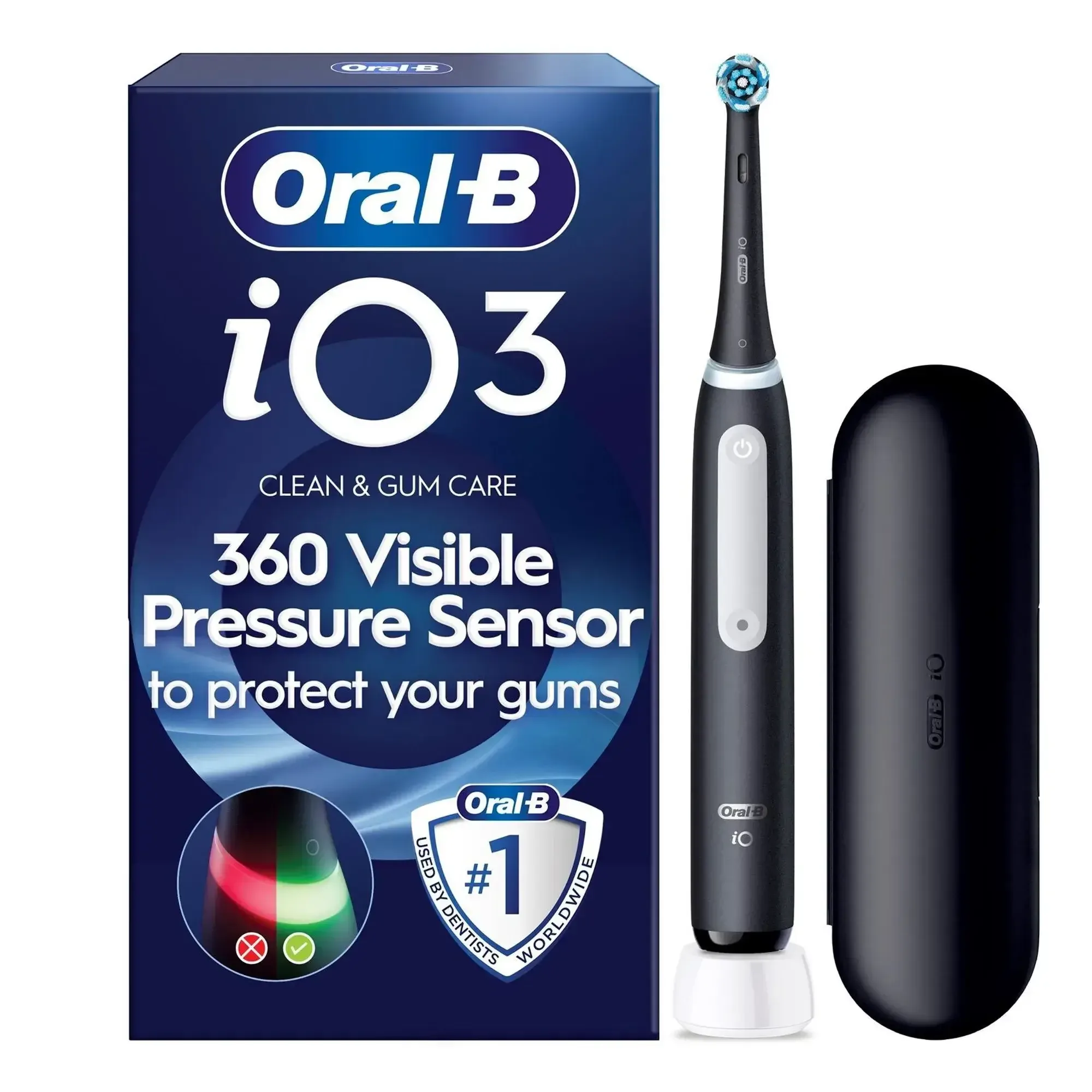
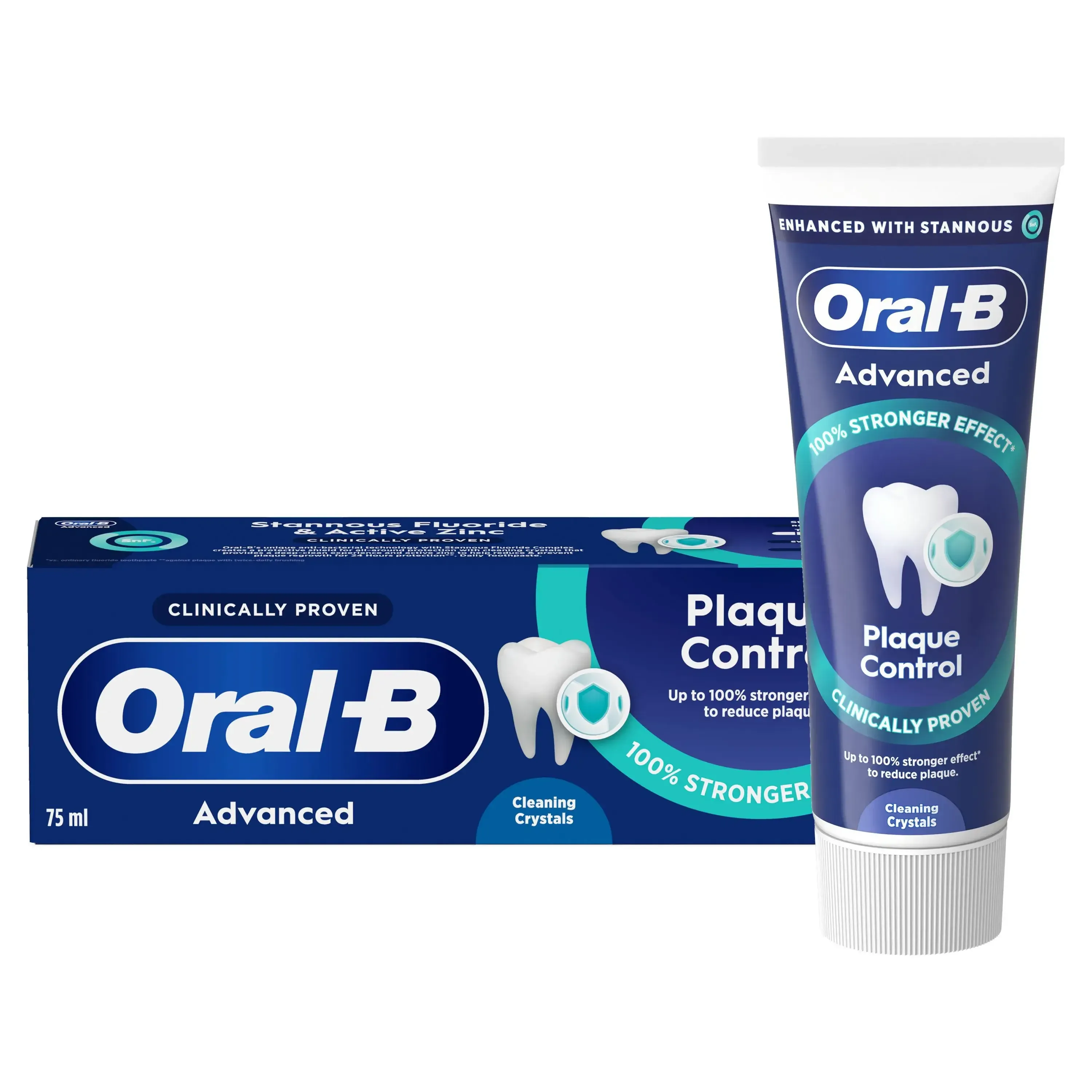
Using an effective electric toothbrush, such as the Oral-B iO Electric Toothbrush Series with Oral-B toothpastes can remove plaque more effectively than a manual brush when used correctly, helping reduce tartar formation according to a study published in NPJ. Learn more about dental tartar in Oral-B’s articles.
FAQs
How is tartar different than plaque?
Tartar is different from plaque because plaque is a soft, sticky biofilm of bacteria that forms on teeth every day, while tartar is hardened, calcified plaque that has mineralised on the tooth surface. Plaque can usually be removed by thorough brushing and flossing, but tartar must be removed by a dentist or dental hygienist using professional instruments.
Can electric toothbrushes help prevent tartar more effectively than manual ones?
Electric toothbrushes can generally help prevent tartar more effectively than manual toothbrushes when used correctly, because they provide more consistent cleaning movements and brushing power. Many modern electric brushes include built-in timers to encourage brushing for two minutes and pressure sensors to reduce overbrushing, which can improve plaque removal and help keep teeth smoother between professional cleanings.
Can tartar buildup lead to gum disease?
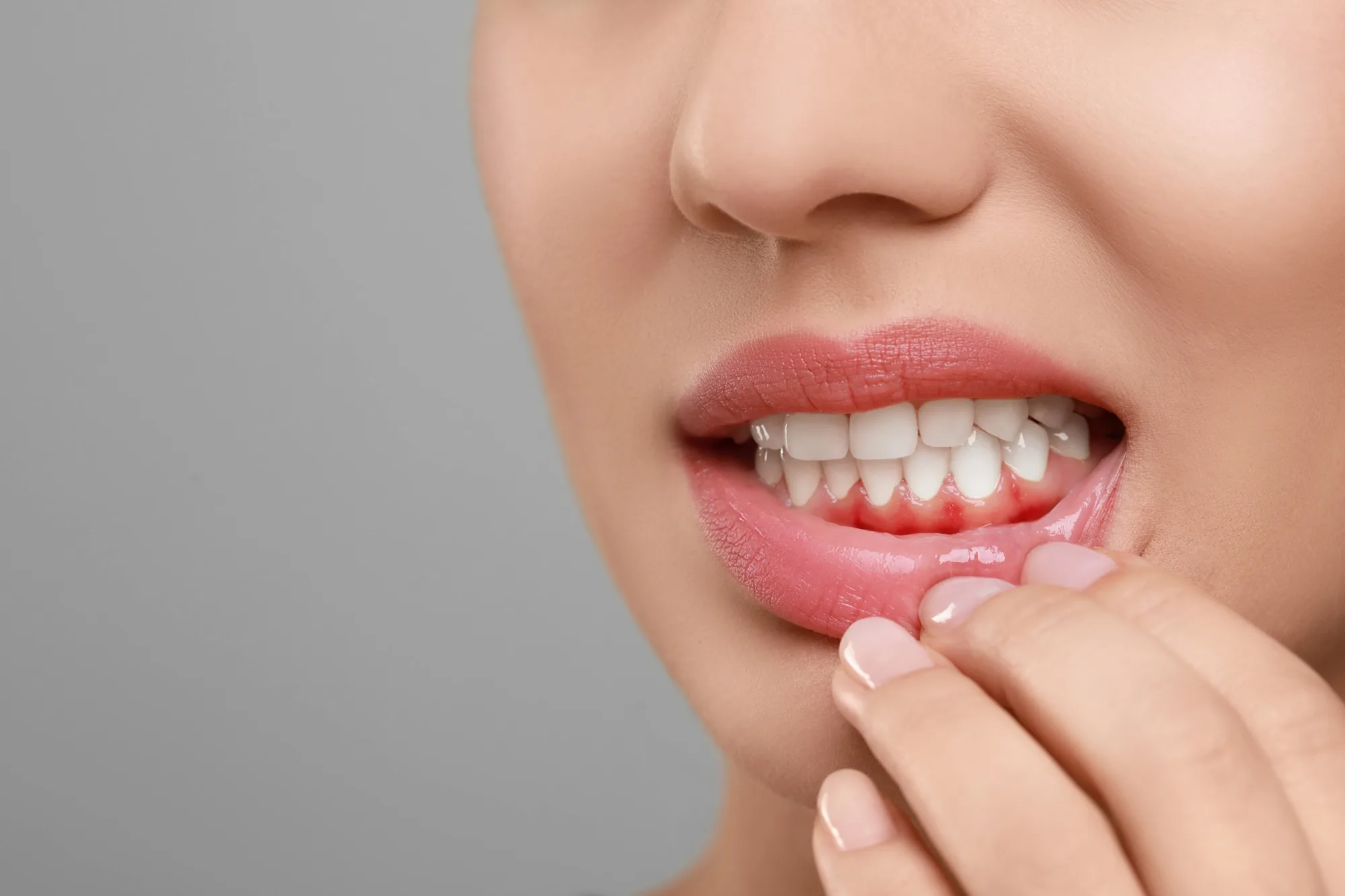
Tartar buildup can contribute to gum disease because it provides a rough surface that traps plaque and bacteria at the gumline. This can irritate the gums, leading to inflammation, redness and bleeding, which are early signs of gingivitis. If not treated, tartar-associated plaque can lead to deeper infection around the teeth and may progress to more serious gum disease.