Frequently Asked Questions
What’s worse: plaque or tartar?
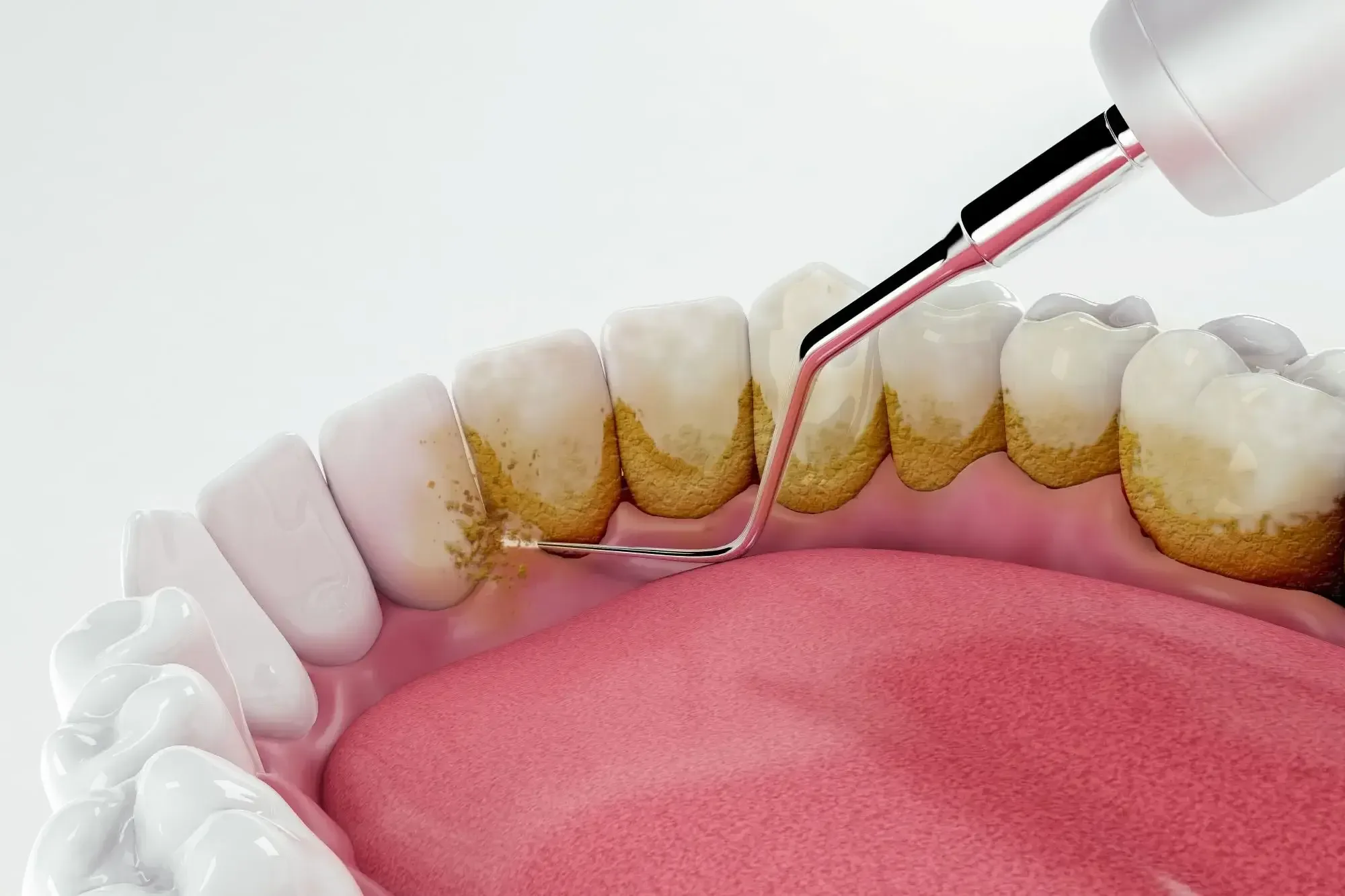
Tartar is generally considered to be worse than plaque. Tartar is hardened plaque that can only be removed by a dentist or hygienist. Plaque is a soft film that can be removed with regular brushing and flossing.
Are electric toothbrushes better at removing plaque?
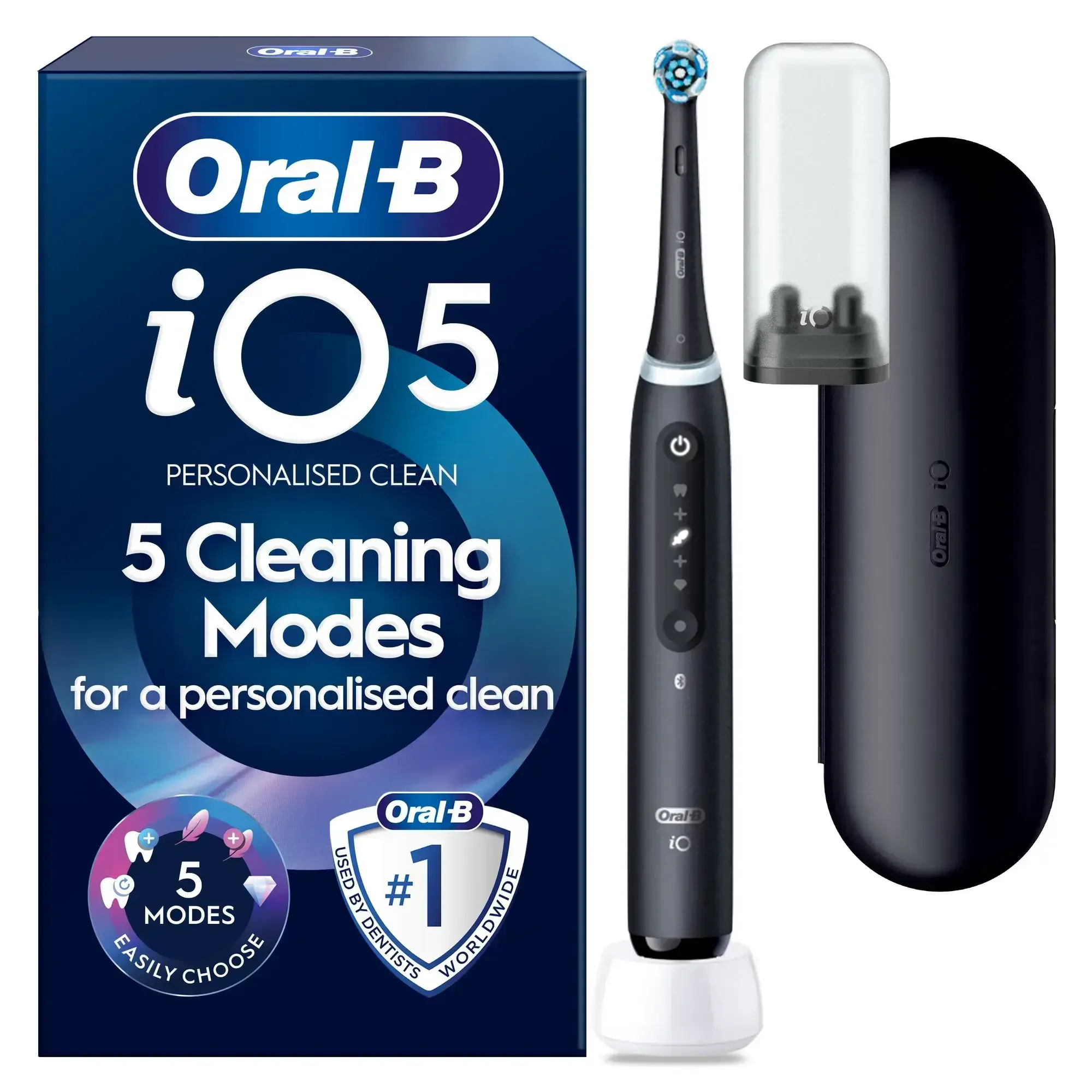
Research indicates they are. In a 2026 network meta-analysis of 19 randomized controlled trials, all types of electric toothbrushes significantly outperformed manual toothbrushes in reducing plaque, and oscillating-rotating technology, the technology used in Oral-B iO, ranked highest among the technologies evaluated.
What is extreme plaque?
A significant buildup of dental plaque on the teeth, which can harden into tartar. It has similar causes to plaque, which are not brushing and flossing regularly, consuming sugary or starchy foods, and a lack of saliva. Symptoms include yellow or brown staining on teeth, a rough or gritty feeling on teeth, bad breath, and gum inflammation and bleeding.
Professional cleaning is necessary to remove the plaque and tartar. Improving oral hygiene and reducing sugary and starchy foods can help prevent extreme plaque.
How long does it take for plaque to become tartar?
Plaque can harden into tartar within 24 to 72 hours. If not removed, the plaque, which is a soft film of bacteria and food debris, will calcify and attach firmly to the teeth, forming tartar.
Can you scrape tartar off yourself?
Tartar removal is not a DIY project. Do not attempt to scrape tartar off your teeth at home. Doing so can damage your tooth enamel and gums, which can lead to further dental problems like gum recession and even infections.
You could also accidentally push tartar further below the gumline, which can cause serious gum problems. Tartar removal should only be done by a dental professional who has the proper tools and training to do it safely and effectively.
Does tartar removal hurt?
For most people, routine tartar removal during a professional cleaning is not painful, though you may feel scraping, pressure, or brief sensitivity. Removing heavier buildup or tartar below the gumline can involve more discomfort, and dentists can use local numbing for deeper cleaning when needed. Sensitivity typically settles within a few days.
Can tartar break off your teeth?
Yes, tartar can break or chip off your teeth, especially if it’s been building up for a while. If you notice tartar breaking off, the best thing to do is to schedule an appointment with your dentist or dental hygienist. They can assess the area, remove any remaining tartar safely, and address any underlying issues.
What does black tartar on your teeth mean?
Black or dark-colored tartar is usually older buildup that forms below the gumline. It can darken as it absorbs stains from food, drinks, or smoking. Because tartar cannot be brushed away and dark deposits near the gumline can signal gum problems, black tartar should be evaluated and removed by a dental professional.