Quick answer:
What is dry mouth?
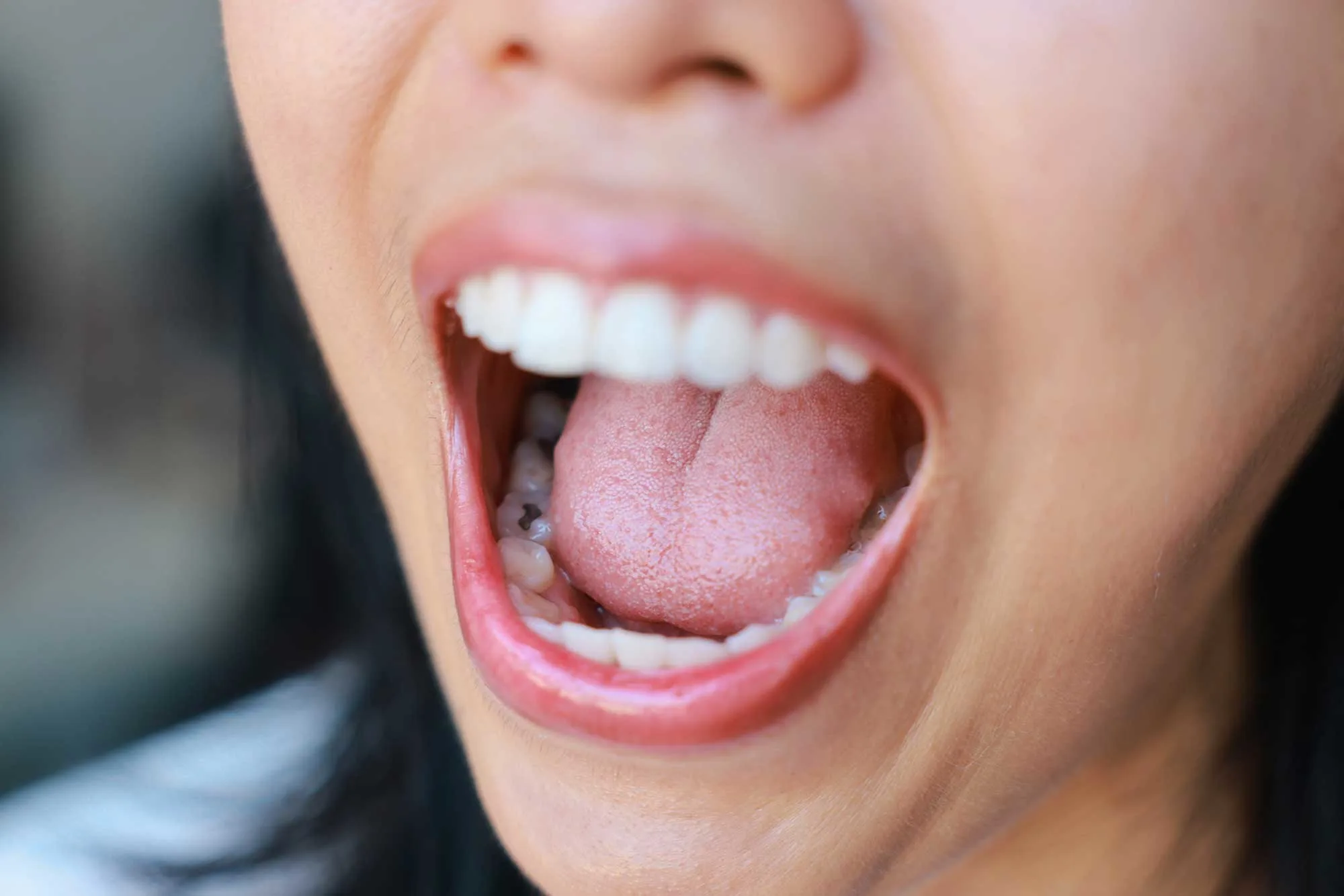
Dry mouth, or xerostomia, is when salivary glands don’t produce enough saliva to keep the mouth comfortably moist. This can leave the mouth feeling dry, sticky, or “cottony,” especially when you wake up. Because saliva helps protect teeth, wash away food particles, and neutralise acids, ongoing dry mouth may increase the risk of bad breath, tooth decay, and gum problems. Morning dry mouth is often linked to mouth breathing, dehydration, certain medications, and some medical conditions.
Waking up with a dry mouth can be prevented by staying properly hydrated, promoting nasal breathing at night, and following a consistent oral care routine.
Dry mouth (also called xerostomia) happens when saliva flow decreases, leaving your mouth feeling sticky or uncomfortable in the morning. Over time, insufficient saliva may contribute to bad breath, tooth decay, and gum problems. In this article, we’ll explain the common causes of waking up with a dry mouth, treatment options, and habits that may help prevent it.
What is dry mouth in the morning?
Dry mouth in the morning is when you wake up with a dry, sticky, or uncomfortable feeling in your mouth because your body hasn’t produced enough saliva overnight. This commonly happens as saliva flow naturally decreases during sleep, and factors like mouth breathing or dehydration can further reduce moisture levels.
Sometimes called morning cottonmouth, dry mouth feels like a parched mouth surface and may lead to a rough throat or cracked lips. According to the NHS, saliva is essential for washing away food particles and neutralising acids, so low saliva levels can increase the risk of bacterial growth, bad breath, and dental issues.
Dry Mouth vs Dehydration
Dry Mouth (Xerostomia) | Dehydration |
|---|
Reduced saliva production | Whole body lacks enough fluids |
May occur even when you're well hydrated | Often improves after drinking fluids |
Commonly caused by medications, mouth breathing, or medical conditions | Commonly caused by inadequate fluid intake, illness, or excessive sweating |
Can increase the risk of tooth decay and gum disease | May cause dry mouth alongside thirst, dizziness, and fatigue |
Waking up with a dry mouth: what causes it?
Waking up with a dry mouth is usually caused by common triggers such as mouth breathing, dehydration, medications, sleep-related conditions, and certain health issues. Below are the most common causes:
Mouth breathing during sleep
Mouth breathing during sleep is a leading cause of a dry mouth in the morning. When you breathe through your mouth, air constantly flows over your tongue and gums, evaporating saliva. This can happen if you have nasal congestion or sinus issues preventing comfortable nasal breathing.
Dehydration
Dehydration is another major culprit behind why you might wake up with a dry mouth. If you’re not drinking enough water, your body may limit saliva production to conserve fluids for more critical functions. This is particularly noticeable after a night’s sleep when you’ve gone hours without hydrating.
Medications
Medications can also reduce salivaflow. According to the NIDCR, many prescription drugs (almost 500 different medications) including certain antihistamines, antidepressants, and blood pressure medications impact saliva production, so it’s worth discussing alternatives with your doctor if you suspect meds are causing the issue.
Snoring or sleep apnoea
Snoring or obstructive sleep apnoea (a sleep disorder where your airway becomes partly or fully blocked during sleep)can increase mouth breathing episodes at night. When your airway is partially blocked, you are more likely to open your mouth to breathe, leading to dryness. This can become a cycle, where snoring increases mouth dryness and dryness may further irritate the airways.
Tobacco use
Tobacco use, whether smoking or chewing tobacco, can irritate oral tissues and interfere with saliva flow. It also contributes to dehydration, making your mouth feel more parched by morning. If you smoke, tobacco use may be contributing to your morning mouth dryness.
Medical conditions
Conditions such as diabetes and Sjögren’s syndrome (an autoimmune condition that affects moisture‑producing glands), may also contribute to dry mouth in the morning, especially when blood sugar levels are not well controlled. Research has shown that diabetes may increase thirst and dryness levels throughout the day, including in the early morning. If you persistently experience dryness or suspect an underlying cause, consult your healthcare provider.
What are the signs and symptoms of a dry mouth?
The signs of dry mouth include a sticky feeling, dryness, and discomfort in the mouth or throat, often noticeable when you wake up. These occur because reduced saliva affects lubrication, taste, and oral protection.
A sticky or gritty feeling in your mouth
Difficulty swallowing or speaking
Cracked lips or corners of the mouth
Dry or sore throat
Altered sense of taste
Bad breath
Increased tooth decay or gum issues
If these symptoms are severe or persist over time, it’s best to consult a healthcare professional to determine the underlying cause and prevent complications. Chronic dryness can also make you more prone to oral infections.
What are the remedies and treatment for waking up with a dry mouth?
Treating morning dry mouth focuses on addressing the root cause, such as dehydration, mouth breathing, medications, or underlying health conditions. Simple lifestyle adjustments and targeted treatments can help restore moisture balance.
If mouth breathing is your issue, using nasal strips or saline sprays may help reduce mouth breathing at night. But if dehydration is the culprit, increasing water intake throughout the day is a straightforward remedy.
In many cases, doctors or dentists may suggest addressing medical issues like sleep apnoea or adjusting any medications known to decrease saliva production. Over the counter mouth moisturisers or dry mouth rinses can also provide short-term relief of symptoms. It’s important to tackle dryness early, as ignoring it can potentially lead to more significant oral health problems.
How to treat a dry mouth in the morning?
To treat dry mouth in the morning, you need to target the underlying cause while supporting saliva production and maintaining oral moisture overnight. Treatment may range from simple hydration to medical consultation.
Increase water intake before bed
Use a humidifier in your bedroom
Try nasal strips if you suspect stuffy sinuses
Consider switching to or adding a preventive product like a mouthwash for dry mouth
Seek medical advice if dryness becomes severe or is linked to other symptoms
How to prevent waking up with a dry mouth?
You can help prevent waking up with a dry mouth by staying hydrated, encouraging nasal breathing, and avoiding habits that reduce saliva production overnight. If you notice that you typically have dry mouth in the morning, proactive steps can make a big difference:
Focus on nasal breathing by clearing sinus congestion
Reduce snoring triggers such as alcohol consumption close to bedtime
Avoid dehydrating beverages (like coffee) in the evening
Practice good sleep hygiene (consistent bedtime, comfortable sleep environment)
Stay hydrated throughout the day
By adopting these habits, you can significantly lower the likelihood of waking up to an uncomfortably dry mouth.
Our Oral-B oral care tips for dry mouth
A strong oral care routine helps you keep your mouth healthy and reduce dryness. Brushing your teeth twice a day, flossing regularly, and using the right products can help ensure your gums and teeth remain clean and well-maintained overnight, even if your saliva levels drop.
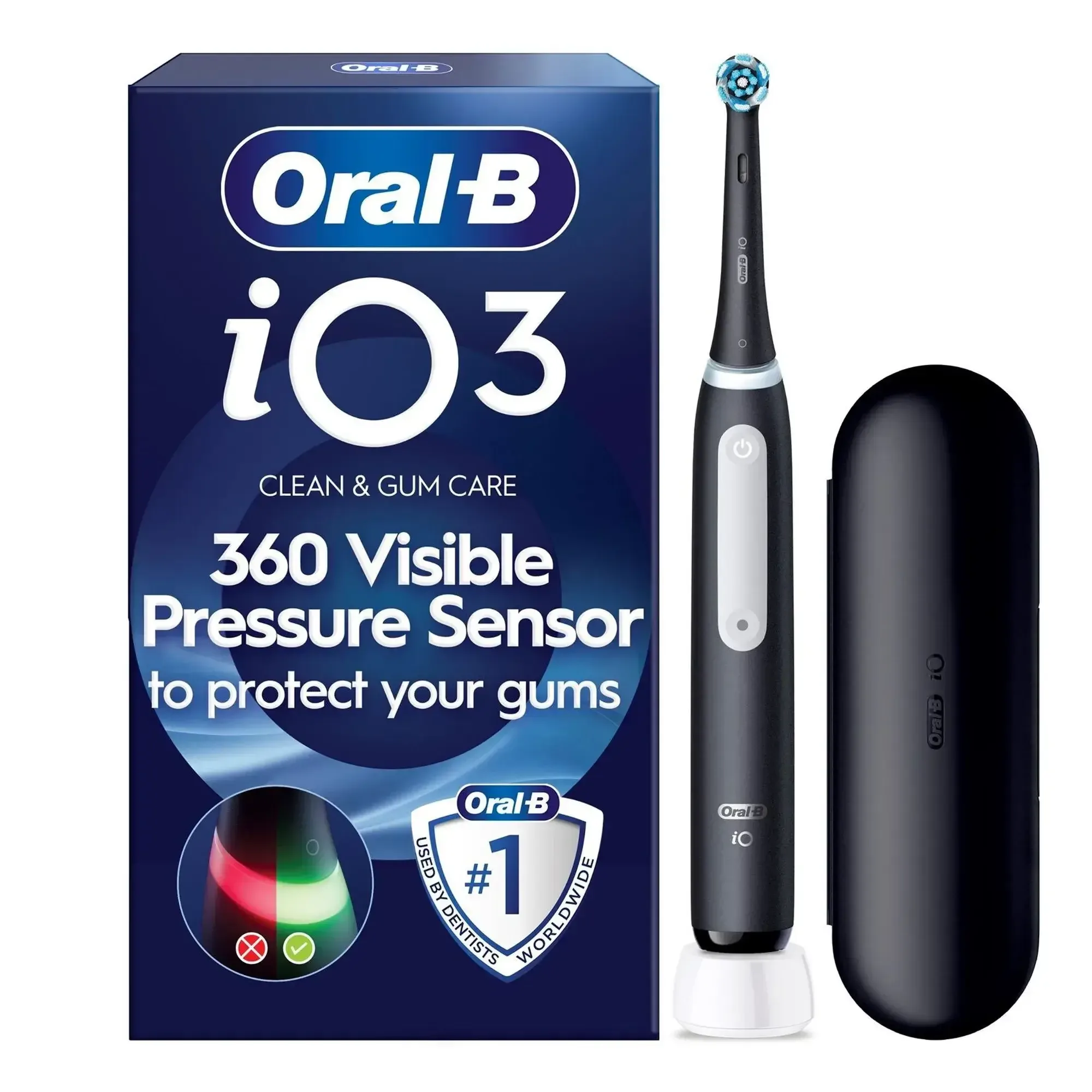
For an advanced yet gentle clean, consider the Oral-B iO Electric Toothbrush Series. Researchers combined evidence from more than 1,300 study participants to better understand which toothbrush technology performs best. Their analysis showed that the oscillating rotating technology behind Oral-B iO's superior clean ranked highest for both plaque and gingivitis reduction among the evaluated technologies. The results provide strong independent scientific support for its oral-health benefits.
Its oscillating-rotating technology with micro-vibrations helps clean thoroughly along the gum line without being too harsh on sensitive tissues. If dryness continues, speaking with a dentist can help you identify possible causes and find suitable treatment options.
Summary
Waking up with a dry mouth can be frustrating, but understanding its causes makes it easier to address. Simple steps like staying hydrated, improving nasal breathing, and addressing underlying sleep or health issues can often make a noticeable difference. If medications or health conditions are at play, speak to a healthcare provider who can advise on adjustments or alternatives.
An effective oral hygiene routine is essential for overall mouth comfort and health. Pairing regular brushing with a high-quality electric toothbrush and suitable mouthwash helps manage dryness and fights plaque buildup (plaque is a soft, sticky film of bacteria that forms on teeth and can lead to gum disease if not removed). The Oral-B iO Electric Toothbrush Series is an excellent choice if you’re looking for a balance of innovation and gentle care, giving your mouth a thorough clean without further irritation. With consistent attention, you can wake up each day with a fresher, more comfortable mouth and a healthier smile.
FAQs
Can dry mouth be related to autoimmune conditions?
Yes, autoimmune conditions like Sjögren’s syndrome can cause chronic dry mouth as they affect your body’s ability to produce saliva. If you notice your dryness persists or is severe, speaking with a healthcare provider can help determine whether an autoimmune issue is involved.
What medication can cause dry mouth?
A variety of prescription and over-the-counter medications - including certain antidepressants, antihistamines, and blood pressure drugs - can lead to oral dryness. Always discuss side effects with your pharmacist or healthcare professional if you suspect your medicine might be reducing saliva production.
Does snoring make dry mouth worse?
Yes, snoring can worsen dryness because it often involves sleeping with your mouth open. Mouth breathing allows saliva to evaporate quickly. Addressing snoring or potential sleep apnoea can help you keep saliva levels more balanced through the night.