This blog has been reviewed and approved by Dr Robert Lee, a dental professional of 35 years
Quick Answer:
What is a hairy tongue?
Hairy tongue is a harmless condition where the tiny bumps on the top of your tongue (papillae) grow longer and trap food, bacteria, and debris, giving the tongue a dark, coated, or “hair-like” appearance. It’s often linked to poor oral hygiene, smoking, dry mouth, or certain medicines. Treatment usually involves improving brushing habits, gently cleaning or scraping the tongue, staying hydrated, and limiting staining drinks like tea and coffee. If it doesn’t improve, speak to a dentist or healthcare professional.
Hairy tongue is a benign condition in which the tiny bumps on the surface of your tongue grow longer and appear hair-like. It can develop due to various causes, some more common than others, and though it might look concerning, treatment is typically straightforward. Most people experience little to no discomfort, but it can sometimes lead to bad breath or other oral health annoyances. In this article, we will explore the key symptoms, causes, and treatment options for managing a hairy or black hairy tongue.
What is a hairy tongue?
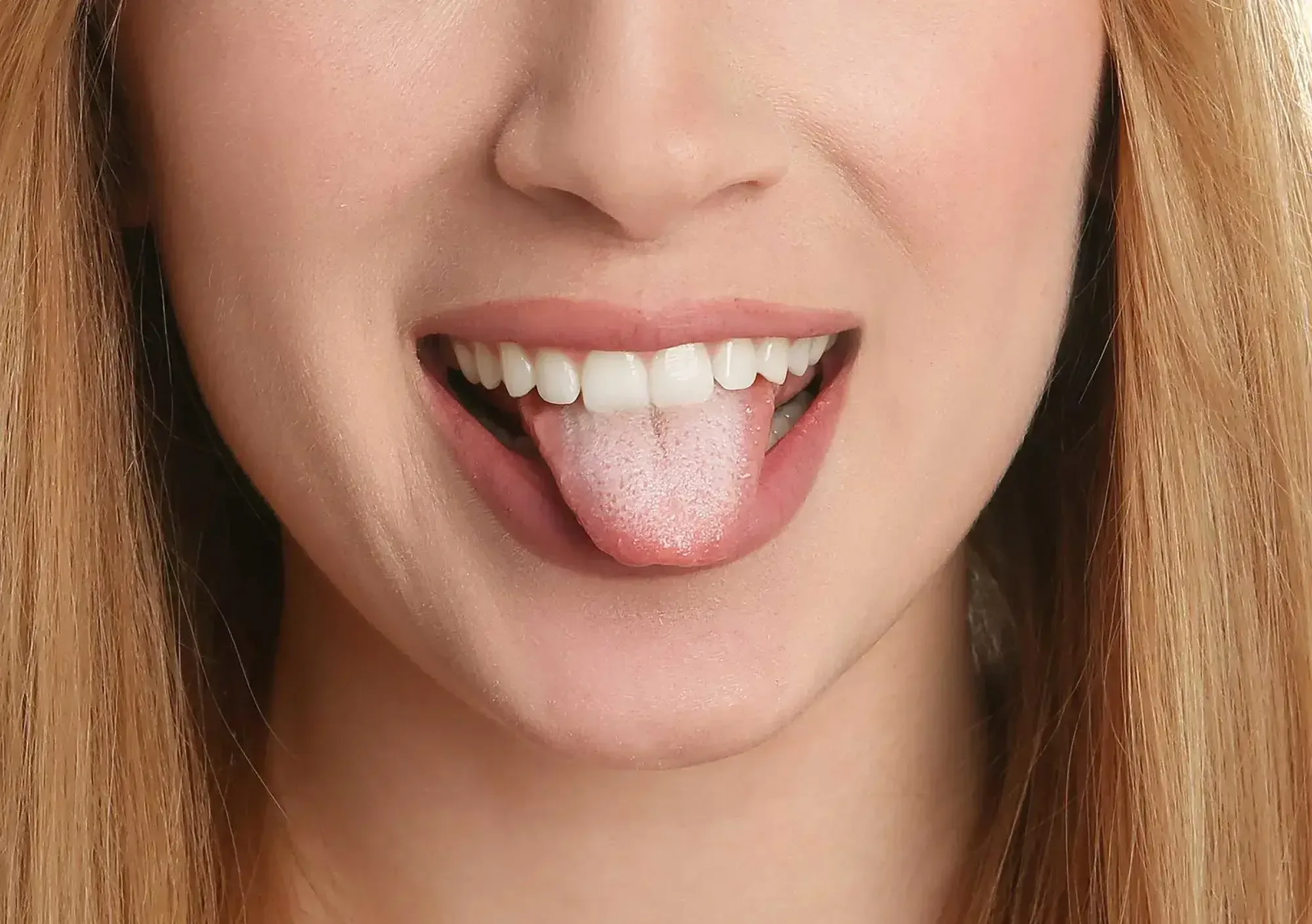
A hairy tongue is a benign oral condition where the filiform papillae (the tiny, hair-like projections on the top surface of the tongue) on the top surface of the tongue become elongated, sometimes forming a “hair-like” appearance. It often develops due to an imbalance of normal mouth bacteria or yeast, and it can present in different colours - some people may notice a black tongue or even a yellowish or brownish coating. Hairy tongue is not typically dangerous, but it can lead to bad breath or a faulty taste sensation. black tongue or even a yellowish or brownish coating. Hairy tongue is not typically dangerous, but it can lead to bad breath or a faulty taste sensation.
In some instances, the long papillae trap bacteria, food debris, and other substances, giving the tongue a dark, furry tongue appearance. According to the British Society of Oral Medicine, improving oral hygiene and gently cleaning the tongue are important steps in managing hairy tongue.
What can cause a hairy tongue?
Hairy tongue can develop when bacteria, yeast, dead cells, and debris build up on elongated papillae on the tongue’s surface. Several lifestyle, oral health, and medical factors may contribute to this condition.
Poor oral hygiene
Insufficient brushing, flossing, and neglecting tongue cleaning can create an environment where bacteria and yeast flourish on the tongue’s surface. The British Society of Oral Medicine notes that poor oral hygiene is one of the common contributors to hairy tongue.
A healthy mouth depends on both effective plaque removal and healthy gums. In a 2026 independent network meta-analysis, researchers compared multiple manual and powered toothbrush technologies across 19 clinical studies. Oscillation rotation, the cleaning technology behind Oral-B iO achieved the highest ranking for both plaque and gingivitis reduction, making it the top-ranked technology in the analysis.
Tobacco use
Smoking or using chewing tobacco introduces substances and chemicals that can irritate the tongue’s surface, potentially leading to black tongue causes. Tobacco users are more likely to develop darkened, furry-like growths.
Dry mouth
Dry mouth, also called xerostomia, is a condition where the mouth does not produce enough saliva, which can make it more difficult to wash away food particles, bacteria, and other debris. NHS guidance also highlights dry mouth as a factor that can contribute to tongue coating and buildup.
Diet
Certain diets may encourage bacterial or yeast overgrowth on the tongue, increasing the likelihood of hairy tongue developing. Frequently consuming sugary, acidic, or soft foods may also allow more debris and buildup to remain on the tongue surface.
Excessive tea and coffee consumption
Excessive tea and coffee consumption can stain the elongated papillae on the tongue, making hairy tongue appear darker or more noticeable over time. According to NHS and oral medicine guidance, staining substances may worsen tongue discoloration in some people.
Certain medications
Certain medications, including antibiotics, immunosuppressants, and some antihistamines, can disrupt the natural balance of bacteria in the mouth and increase the risk of hairy tongue developing.
Recognising a hairy tongue: signs and symptoms
The signs and symptoms of hairy tongue usually involve visible changes in the tongue’s appearance and texture. While the condition is often painless, some people may notice discomfort, bad breath, or changes in taste.
Hairy tongue: what it looks like
Hairy tongue may appear as elongated, hair-like strands. The colour can vary: it can be brown, yellow, or even black, leading some to call it black hairy tongue. In some cases, dark patches on tongue spread across the surface, giving a furry, uneven look. Other times, the phenomenon is more localised, affecting only one area of the tongue.
Hairy tongue: what it feels like
Though usually painless, some individuals may notice a tickling sensation against the roof of their mouth or throat. Hairy tongue may also cause bad breath, altered taste, mild irritation, or a gagging sensation if the papillae become especially elongated.
Hairy tongue vs coated tongue
Feature | Hairy tongue | Coated tongue |
|---|
Main appearance | “Hair-like” strands on the tongue surface | Smooth, uniform film or layer |
Cause | Elongated filiform papillae trapping debris and bacteria | Buildup of bacteria, food debris, and dead cells |
Typical colour | Brown, yellow, black (sometimes other darker shades) | White, yellow, or slightly discoloured |
Texture | Rough or furry, uneven surface | Generally smoother, less “hairy” |
Symptoms | Possible bad breath, altered taste, tickling/gagging | Possible bad breath, mild taste changes |
Seriousness | Usually benign and harmless | Usually benign and harmless |
Main treatment | Improve oral hygiene, gentle tongue brushing/scraping | Improve oral hygiene, regular gentle tongue cleaning |
How to treat a hairy tongue?
Treatment typically involves improving oral hygiene practices and managing the underlying cause. In many cases, simply addressing your brushing and flossing habits is enough to alleviate the issue.
Practise good oral hygiene
Improving oral hygiene helps remove trapped bacteria, debris, and dead cells that contribute to hairy tongue. Brushing your teeth twice a day and gently cleaning your tongue can help reduce coating and buildup on the tongue’s surface. Use a soft-bristled toothbrush and consider incorporating tongue scraping into your routine to help remove debris and bacteria.
Stay hydrated
Staying hydrated helps reduce dry mouth, which is a common contributor to hairy tongue. Drinking plenty of water throughout the day supports saliva production and helps rinse away bacteria and debris from the mouth. If dehydration is a factor, increasing fluid intake can go a long way toward managing tongue discolouration and buildup.
Diet changes
Reducing sugary and acidic foods may help limit bacterial overgrowth linked to hairy tongue. Certain crunchy fruits and vegetables may also help naturally clean the tongue surface and reduce buildup.
Limit consumption of staining substances
Reducing or avoiding dark drinks like coffee, tea, and red wine can help keep the tongue looking healthier. These beverages stain the elongated papillae and exacerbate black hairy tongue symptoms.
Professional cleaning
Professional dental cleaning can help remove stubborn buildup and bacteria from the tongue’s surface. Persistent or severe hairy tongue symptoms may sometimes require additional mouth rinses or medical treatment recommended by a dentist or healthcare professional.
Help prevent hairy tongue with a good oral care routine with Oral-B
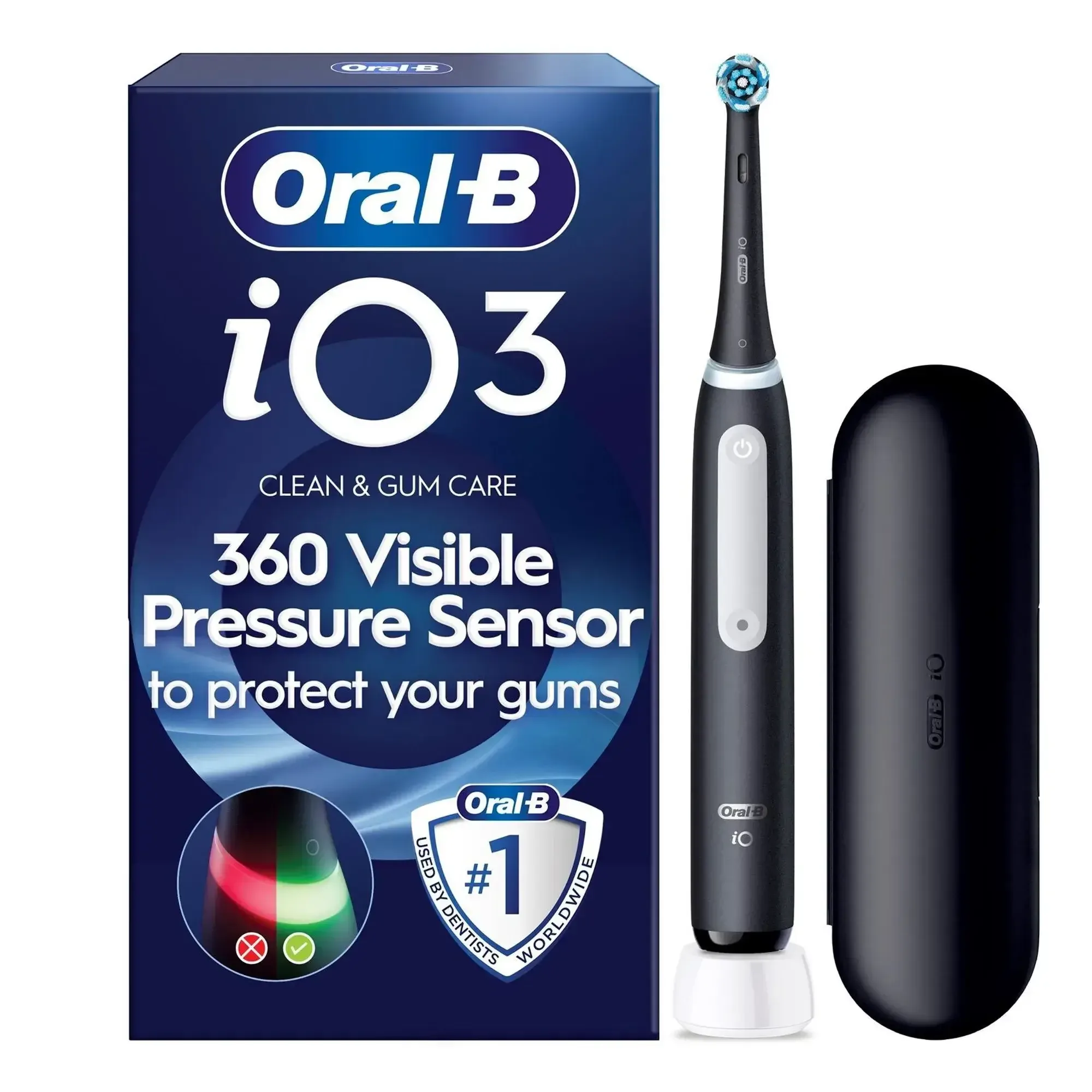
Preventing hairy tongue starts with consistent oral hygiene habits that help reduce bacteria, food debris, and buildup on the tongue. Brushing twice daily, gently cleaning the tongue, staying hydrated, and attending regular dental checkups may help lower the risk of hairy tongue developing. Tools such as the Oral-B iO Electric Toothbrush Series can support a more effective daily cleaning routine.
If you often deal with a black or white tongue, pairing your brushing routine with a gentle mouthwash may help support a cleaner-feeling mouth. Staying consistent with your oral care routine may also help reduce the risk of developing black spots on tongue and other tongue discoloration concerns.
Summary
Hairy tongue is usually a harmless condition that causes the tongue to develop a dark, coated, or hair-like appearance due to elongated papillae and buildup on the tongue’s surface.
Addressing the underlying causes-such as smoking, poor oral hygiene, dietary factors, or certain medications-plays a big role in preventing future recurrences. During the healing process, maintaining an optimal brushing technique and possibly incorporating gentle tongue scraping can help you remove build-up and support a cleaner taste and fresher breath.
If your symptoms persist, cause discomfort, or impact your sense of taste, it’s important to reach out to a healthcare provider for further advice. While hairy tongue is generally considered benign, ongoing issues could indicate an underlying condition that needs medical attention. Regular dental checkups, good oral hygiene, and limiting tobacco or staining substances may help reduce the risk of hairy tongue returning.
FAQs
Is hairy tongue related to poor oral hygiene?
Yes, inadequate brushing, flossing, and tongue cleaning can contribute to bacterial overgrowth and the development of hairy tongue. Keeping up with daily oral hygiene can greatly reduce your risk.
Is hairy tongue dangerous?
In most cases, no. Hairy tongue is typically painless and poses minimal health risks. However, if it remains untreated and prolongs, it can lead to discomfort or bad breath. Consult a healthcare professional if you experience persistent or worsening symptoms.
Is hairy tongue the same as coated tongue?
Not exactly. Although both involve a visible film or coating, hairy tongue specifically occurs when papillae become elongated and trap bacteria or debris, creating a “hairy” look. Coated tongue is usually a lighter buildup of bacteria or food debris and may appear uniform rather than hairy.