This blog has been reviewed and approved by Dr Robert Lee, a dental professional of 35 years
Quick answer:
What is perio breath?
Perio breath is a type of persistent bad breath that mainly comes from gum disease rather than temporary causes like food or morning dryness. It develops when bacteria build up around and beneath the gums, especially in periodontal pockets, and produce strong‑smelling gases that do not fully disappear with normal brushing or mouthwash.
Perio breath is persistent bad breath caused by bacteria associated with gum disease rather than temporary causes like food or morning breath. Unlike ordinary bad breath, it usually doesn't improve with brushing or mouthwash alone because the source lies beneath the gumline. The good news is that with the right treatment and a consistent oral care routine, both your breath and gum health can improve.
What is perio breath?
Perio breath is persistent bad breath caused by bacteria living beneath the gumline, where they thrive in inflamed gum tissue and periodontal pockets. Because the source is deeper than the tooth surface, the odour often returns soon after brushing or using mouthwash.
Unlike temporary bad breath caused by certain foods or dry mouth, perio breath is usually a sign of an underlying gum problem. Gum disease is extremely common and develops when plaque accumulates around the teeth and gums, allowing bacteria to multiply and produce unpleasant odours.
What is periodontal disease?
Periodontal disease is an infection of the tissues that support your teeth, including the gums, ligaments, and bone. It begins with plaque build-up along the gumline and, if left untreated, can progress from mild gingivitis to more advanced periodontitis.
As the condition worsens, the gums pull away from the teeth, creating deeper pockets where bacteria collect. These bacteria trigger inflammation, damage supporting bone, and contribute to the persistent odour associated with perio breath. Research shows that the bacterial changes seen in periodontal disease are closely linked with chronic bad breath.
How is periodontal disease connected to bad breath?
Periodontal disease causes bad breath because bacteria trapped in deep gum pockets produce volatile sulphur compounds. These bacteria are also responsible for the unpleasant odour many people describe as smelly gums.
These pockets are difficult to clean with brushing alone, allowing bacteria to remain and continue producing odour. As gum disease progresses, the amount of odour-producing bacteria typically increases, making bad breath more persistent. Studies have found a strong relationship between periodontal disease severity and oral malodour.
What causes perio breath?
Perio breath develops when bacteria build up around and beneath the gums. Several factors can increase this bacterial growth.
Poor oral hygiene
Inadequate brushing and cleaning between the teeth allow plaque (soft, sticky film of bacteria that forms on teeth and along the gumline when they are not cleaned thoroughly) to accumulate along the gumline. Over time, this encourages bacteria that contribute to gum inflammation and unpleasant breath.
Dry mouth
Dry mouth, also known as Xerostomia, occurs when the salivary glands do not produce enough saliva. Saliva naturally helps wash away bacteria and food particles, but when saliva production decreases, bacteria multiply more easily, increasing the likelihood of persistent bad breath.
Smoking and tobacco use
Smoking dries the mouth, affects the balance of oral bacteria, and slows the body's ability to heal inflamed gums. These changes make both gum disease and persistent bad breath more likely.
Certain medical conditions
Conditions such as diabetes or disorders affecting the immune system can make gum infections more difficult to control. Some respiratory and digestive conditions may also contribute to bad breath.
Certain medications
Some medicines reduce saliva flow, creating a dry environment where bacteria can flourish. Maintaining excellent oral hygiene becomes even more important if medication causes dry mouth.
What are the signs and symptoms of perio breath?
Perio breath is usually accompanied by other signs of unhealthy gums, making it easier to identify the underlying problem.
Common signs and symptoms can include:
Persistent unpleasant breath that returns quickly after brushing or using mouthwash
A bad taste in the mouth that doesn’t fully go away
Gums that look red, swollen, or feel tender
Gums that bleed when you brush or clean between your teeth
Receding gums or teeth that look longer than before
Spaces or pockets forming between the teeth and gums
If you notice severe pain, pus around the gums, loose teeth, or difficulty eating because of your gums, it is important to see a dentist promptly. The NHS notes that early treatment of gum problems can prevent more serious complications and protect the supporting structures around your teeth.
If you also notice loose teeth, pus around the gums, or increasing pain, arrange a dental appointment promptly.
How to treat perio breath?
Treatment for perio breath focuses on addressing the underlying gum disease rather than simply masking bad breath.
Your dentist will examine your gums, measure periodontal pockets, and recommend treatment based on the severity of the condition.
Common treatments may include:
Professional scaling and polishing to remove plaque and tartar
Scaling and root planing to clean below the gumline
Antibacterial mouthwashes or locally applied antibiotics when appropriate
Specialist periodontal treatment or surgery for advanced disease
Professional treatment, combined with good daily plaque control, offers the best long-term improvement for both gum health and bad breath.
How to improve gum health to avoid perio breath? Our top tips
Healthy gums are the best defence against perio breath. Consistent daily care helps remove plaque before bacteria have the opportunity to cause inflammation.
To support healthier gums:
Brush twice daily for two minutes with a soft-bristled or high-quality electric toothbrush.
Clean between your teeth every day using floss or interdental brushes.
Use fluoride toothpaste.
Limit sugary snacks and acidic drinks.
Avoid smoking and tobacco products.
Visit your dentist regularly for examinations and professional cleanings.
Small, consistent habits often have the greatest impact on long-term gum health and fresher breath.
Healthy gums begin with effective plaque removal. In a large independent scientific review published in 2026, researchers combined results from 19 clinical studies to compare leading toothbrush technologies. The oscillating rotating technology found in brushes such Oral-B iO achieved the highest ranking for reducing gingivitis. The findings indicate that this technology may offer meaningful support for maintaining healthier gums over time.
How Oral-B helps you deal with and prevent perio breath
Oral-B products are designed to support healthier gums by helping remove plaque effectively while remaining gentle on sensitive gum tissue.
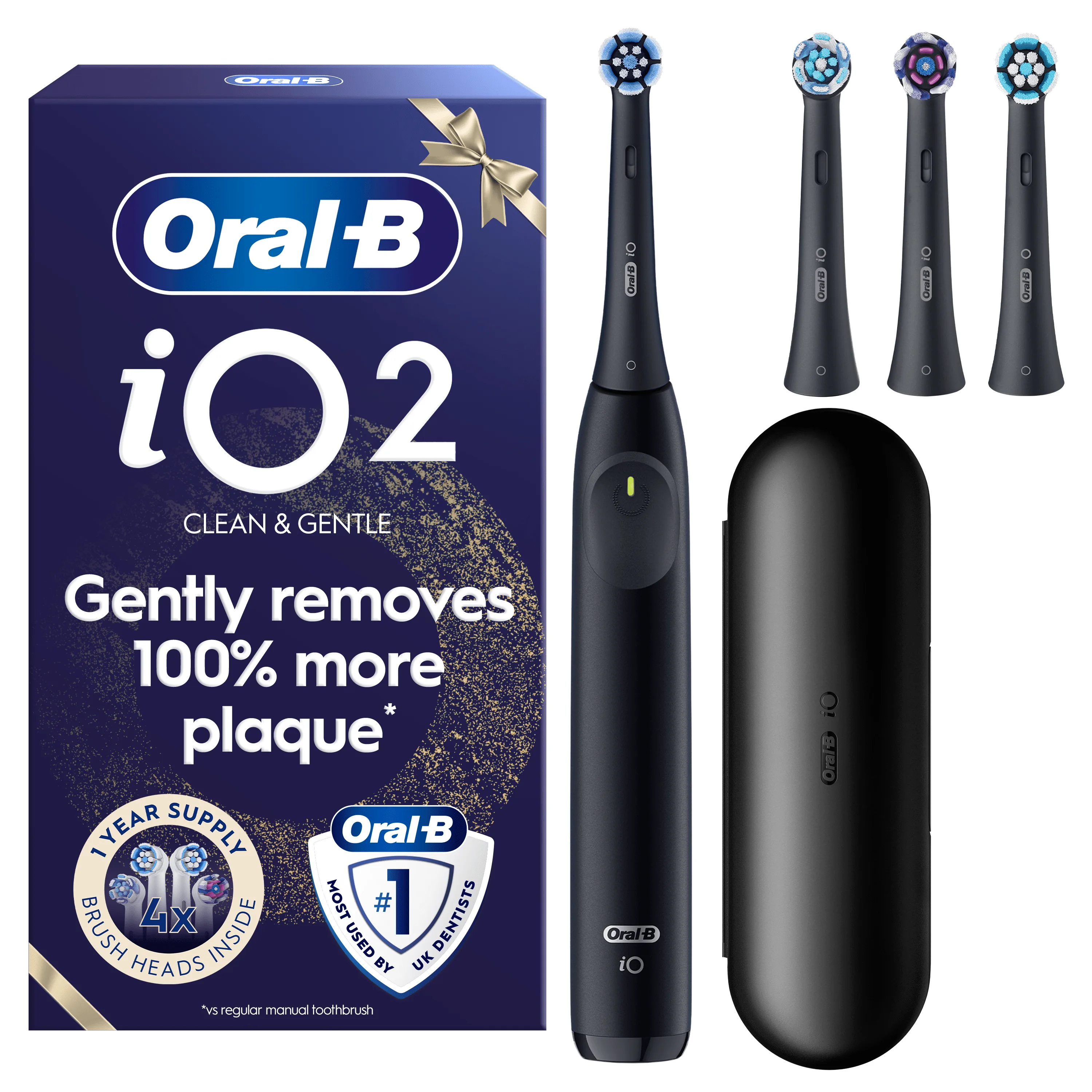
The Oral-B iO Electric Toothbrush Series combines a round brush head, micro-vibrations, and smart pressure control to clean thoroughly along the gumline without encouraging over-brushing. Paired with Oral-B toothpastes and daily interdental cleaning, it can help support healthier gums and fresher breath as part of a complete oral care routine.
Summary
Perio breath is often a sign of underlying gum disease. If you've noticed a persistent smell due to a gum diseasethat doesn't improve with brushing or mouthwash, it's worth arranging a dental examination.
Fortunately, most cases can be managed successfully through professional dental care combined with good oral hygiene at home. Brushing twice daily, cleaning between your teeth, attending regular dental check-ups, and using effective oral care products all help reduce plaque and support healthier gums.
If your bad breath persists despite good oral hygiene, or you notice bleeding, swollen, or receding gums, speak with your dentist. Early treatment can improve your oral health, freshen your breath, and help prevent more advanced periodontal disease.
FAQs
How is perio breath different from normal bad breath?
Perio breath is linked to gum disease and tends to return quickly after brushing because the bacteria are located beneath the gumline. Normal bad breath is usually temporary and often improves after cleaning your mouth or drinking water.
Can perio breath cause other health issues?
Perio breath itself is not harmful, but it often indicates underlying gum disease. If left untreated, periodontal disease can damage the tissues and bone supporting your teeth, increasing the risk of tooth loss.
Is perio breath always a sign of gum disease?
Not always. Dry mouth, smoking, certain medications, and some medical conditions can also contribute to persistent bad breath. However, because gum disease is a common cause, a dental examination is recommended if symptoms continue.
About Our Medical Reviewers
Dr Robert Lee is a dentist with more than thirty years of experience in the industry.
Graduating from the University of Sydney with a Bachelor of Dental Surgery and from the University of New South Wales with a Master of Business Administration, Robert’s career has taken him all over the world – from Australia to Germany to his current position in Chicago, where he is the founder of Denticus Inc., offering strategic dental consulting.
Robert has previously worked for Procter & Gamble as the Director of Professional Scientific Relations in both the Cincinnati and Sydney offices, being responsible for external relations and scientific exchange with leading professional associations and industry thought leaders. He was also responsible for all technical and scientific training for the professional teams in North America and Australia.
Robert has been assisting the team at Oral-B by fact-checking and reviewing our blogs on dental health.