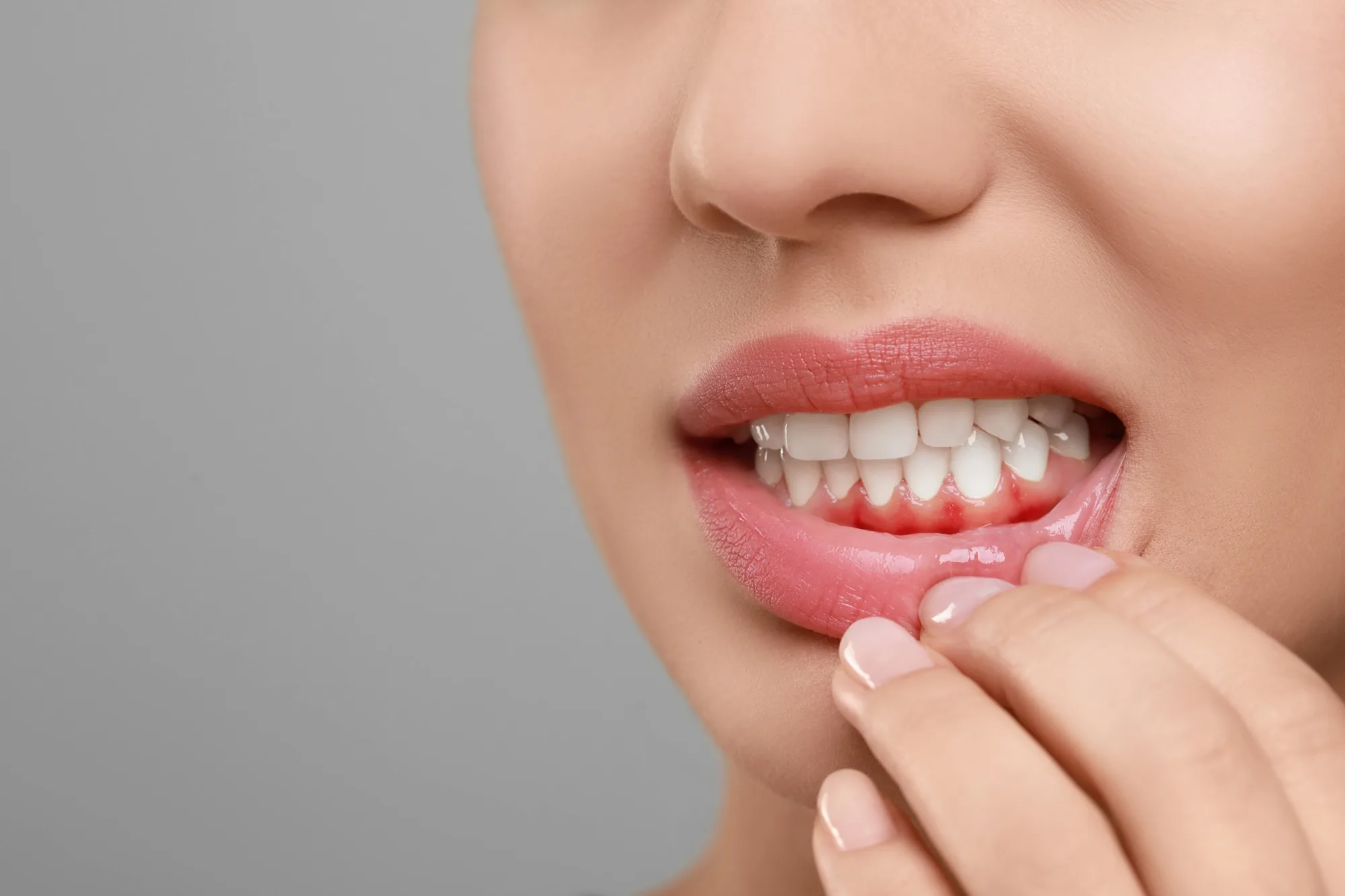
Pericoronitisis an inflammation or infection of the gum tissue surrounding a partially erupted tooth, most commonly a wisdom tooth. According to the National Library of Medicine, it can lead to significant discomfort, pain, and an increased risk of infection if left untreated. It often appears as a swollen gum around tooth areas where the tooth has only partially broken through the gumline, creating a flap that can trap bacteria, food particles, and plaque. While mild cases may cause temporary tenderness, more advanced cases can lead to a painful wisdom tooth infection, swelling, difficulty chewing, and even trouble opening the mouth.
Because the condition can worsen quickly if left untreated, recognising early pericoronitis symptoms is important. In this article, we’ll explain what pericoronitis is, explore common pericoronitis causes, outline symptoms to watch for, and discuss the most effective approaches to prevention and pericoronitis treatment.
What is Pericoronitis?
Pericoronitis is a condition where the gum tissue around a partially erupted tooth becomes inflamed or infected. It most commonly affects lower wisdom teeth because they often do not fully emerge through the gums.
When part of the tooth remains covered by gum tissue, a small flap called an operculum forms over the tooth surface. Food particles and bacteria can easily become trapped beneath this flap, increasing the risk of irritation and infection. As inflammation progresses, the area may become red, swollen, tender, or painful.
A mild case of pericoronitis wisdom tooth irritation may only cause slight discomfort when chewing. However, more severe infections can lead to swelling in the jaw, persistent pain, and symptoms associated with an infected wisdom tooth. In some cases, untreated pericoronitis can spread beyond the gums and affect nearby tissues.
What causes Pericoronitis?
Pericoronitiscauses usually involve bacteria, trapped debris, or irritation around a partially erupted tooth. Several contributing factors can increase the likelihood of developing the condition.
Partially erupted teeth
Partially erupted teeth are the most common trigger for pericoronitis. When a wisdom tooth does not fully emerge, the surrounding gum flap creates a space where plaque and food particles collect easily.
Because this area is difficult to clean thoroughly, bacteria can multiply quickly and irritate the tissue. This is why pericoronitis wisdom tooth infections are especially common in young adults whose wisdom teeth are still erupting.
Infection
A wisdom tooth infection can develop when bacteria trapped beneath the gum flap begin to spread into the surrounding tissue. This bacterial buildup often causes redness, swelling, tenderness, and pus formation. Severe infections may even make swallowing or opening the mouth uncomfortable.
Poor oral hygiene
Poor brushing and flossing habits increase plaque accumulation around erupting teeth, making it easier for bacteria to thrive. Since wisdom teeth sit far back in the mouth, they can be particularly difficult to clean properly.
Without consistent oral care, irritation around the gums can worsen and lead to a swollen gum around tooth areas that become increasingly painful. Understanding the broader causes of swollen gums can also help identify early signs of inflammation before they progress.
Teeth trauma
Repeated trauma to the gum flap can also contribute to pericoronitis. Biting down on swollen tissue or friction from opposing teeth may damage the gum and make it easier for bacteria to enter the area. According to Columbia University’s Dental Library, such trauma may hasten bacterial invasion or worsen any existing inflammation.
This irritation can intensify existing inflammation and increase the likelihood of infection developing around the tooth.
What are the signs and symptoms of Pericoronitis?
Pericoronitis symptoms can vary from mild irritation to severe infection depending on how advanced the condition becomes. Recognising symptoms early can help prevent complications and reduce discomfort.
Common symptoms of pericoronitis
Red or swollen gum tissue around a partially erupted tooth
Tenderness when chewing or biting
Mild jaw discomfort
A persistent unpleasant taste in the mouth
Bad breath caused by trapped bacteria
Slight difficulty opening the mouth fully
More severe symptoms of pericoronitis
Severe throbbing pain around the wisdom tooth
Significant swelling in the gums, cheek, or jaw
Fever or general fatigue
Swollen glands in the neck
Difficulty swallowing or opening the mouth
Pus discharge around the infected area
If these infected wisdom tooth symptoms develop, it’s important to contact a dentist promptly. Severe infections can spread into nearby tissues and become more difficult to treat.
How is pericoronitis diagnosed?
Pericoronitis is typically diagnosed through a dental examination and imaging. Your dentist will examine the affected area for signs of swelling, redness, trapped debris, or infection around the tooth.
X-rays are often used to assess how the wisdom tooth is positioned beneath the gumline and whether it is impacted or partially erupted. During the evaluation, the dentist may also check for abscesses, damage to nearby teeth, or other causes of pain.
According to the National Library of Medicine, early diagnosis is important because prompt pericoronitis treatment can prevent complications and recurring flare-ups.
How to treat pericoronitis?
Pericoronitis treatment depends on how severe the inflammation or infection is. Mild cases may improve with cleaning and home care, while more serious infections may require antibiotics or surgical treatment.
Managing mild cases
Mild pericoronitis symptoms can often be managed with:
Professional cleaning around the affected tooth
Warm saltwater rinses to reduce bacteria
Gentle irrigation beneath the gum flap
Over-the-counter pain relief medication
These approaches help remove trapped debris, reduce inflammation, and ease discomfort around the swollen gum around tooth areas.
Antibiotics
If the infection has spread or significant swelling is present, antibiotics may be prescribed to treat bacterial infection.
Antibiotics help control the spread of bacteria and reduce swelling, especially in cases involving severe pericoronitis infected wisdom tooth symptoms. However, antibiotics alone may not solve the underlying issue if food and bacteria continue collecting beneath the gum flap.
Surgical procedure
In some recurring cases, dentists may recommend a minor surgical procedure known as operculectomy, which involves removing the gum flap covering the tooth.
This form of pericoronitis removal helps prevent debris from repeatedly becoming trapped around the area. If an abscess has developed, drainage may also be necessary to relieve pressure and eliminate infection.
Tooth extraction
If pericoronitis repeatedly affects the same wisdom tooth, extraction may be recommended as a long-term solution.
Removing the tooth eliminates the source of repeated inflammation and reduces the risk of future wisdom tooth infection episodes. According to NHS guidance, wisdom tooth removal is often considered when infections become recurrent or difficult to manage.
How to prevent pericoronitis?
Preventing pericoronitis mainly involves reducing bacterial buildup around erupting wisdom teeth and maintaining healthy gums.
Good oral hygiene
Brushing twice daily and flossing carefully around wisdom teeth helps remove plaque and trapped food particles before they trigger inflammation.
Using the Oral-B iO Electric Toothbrush Series can help clean difficult-to-reach areas more effectively, especially around partially erupted teeth where bacteria tend to accumulate.
Antibacterial mouthwash
An antibacterial mouthwash can help reduce bacteria around the gum flap and lower the risk of infection.
Regular rinsing may also help soothe irritated tissue and reduce the chance of developing an infected wisdom tooth.
Regular dental checkups
Routine dental visits allow dentists to monitor erupting wisdom teeth and identify early signs of swelling or infection.
Professional cleanings and early intervention can help prevent recurring pericoronitis symptoms and reduce the likelihood of needing more extensive treatment later.
Practise good oral care with Oral-B
Maintaining excellent oral hygiene is one of the best ways to reduce the risk of pericoronitis and wisdom tooth infection. Because wisdom teeth are often difficult to reach, using a toothbrush designed for effective plaque removal can make a noticeable difference.
The Oral-B iO Electric Toothbrush Series combines oscillating-rotating technology with gentle micro-vibrations to clean thoroughly around the gumline and hard-to-reach areas. Its pressure sensor also helps protect sensitive gums from overbrushing, which is especially useful if the area around a partially erupted tooth feels tender or inflamed.
Combined with flossing, antibacterial mouthwash, and regular dental checkups, a strong oral care routine can help minimise plaque buildup and support healthier gums long term.
Summary
Pericoronitis is an inflammation or infection around a partially erupted tooth, most commonly a wisdom tooth. While mild irritation may only cause temporary discomfort, more severe cases can lead to painful swelling, difficulty chewing, and infected wisdom tooth symptoms that require prompt treatment.
Common pericoronitis causes include trapped bacteria, poor oral hygiene, and trauma around the gum flap covering the tooth. Treatment ranges from professional cleaning and antibiotics to pericoronitis removal procedures or tooth extraction in recurring cases.
The best prevention strategy is maintaining strong daily oral hygiene and attending regular dental checkups. If you notice swelling, persistent pain, or signs of infection around a wisdom tooth, speak with a dental professional early to prevent complications.
FAQs for Pericoronitis
How do you know if pericoronitis is mild or severe?
Mild pericoronitis often involves slight gum soreness or irritation around the partially erupted tooth, a dull ache, and minor swelling. You may notice some discomfort while chewing, but it typically doesn’t interfere too much with daily activities. Severe pericoronitis is marked by pronounced pain, significant swelling (which can spread to the cheek or jaw), potential fever or malaise, and difficulty opening your mouth fully. If you experience these symptoms, it’s important to see a dental professional promptly.
Is swelling on the gum flap a sign of pericoronitis?
Yes, swelling on or around the gum flap (also called the operculum) is a common sign that you may be developing pericoronitis. The flap can trap bacteria and food debris, causing irritation and inflammation.
Can food trapped under the gum cause pericoronitis?
Yes, particles of food trapped beneath the gum flap create an environment in which bacteria thrive. This buildup often leads to gingival inflammation and infection, eventually escalating into pericoronitis if not addressed.