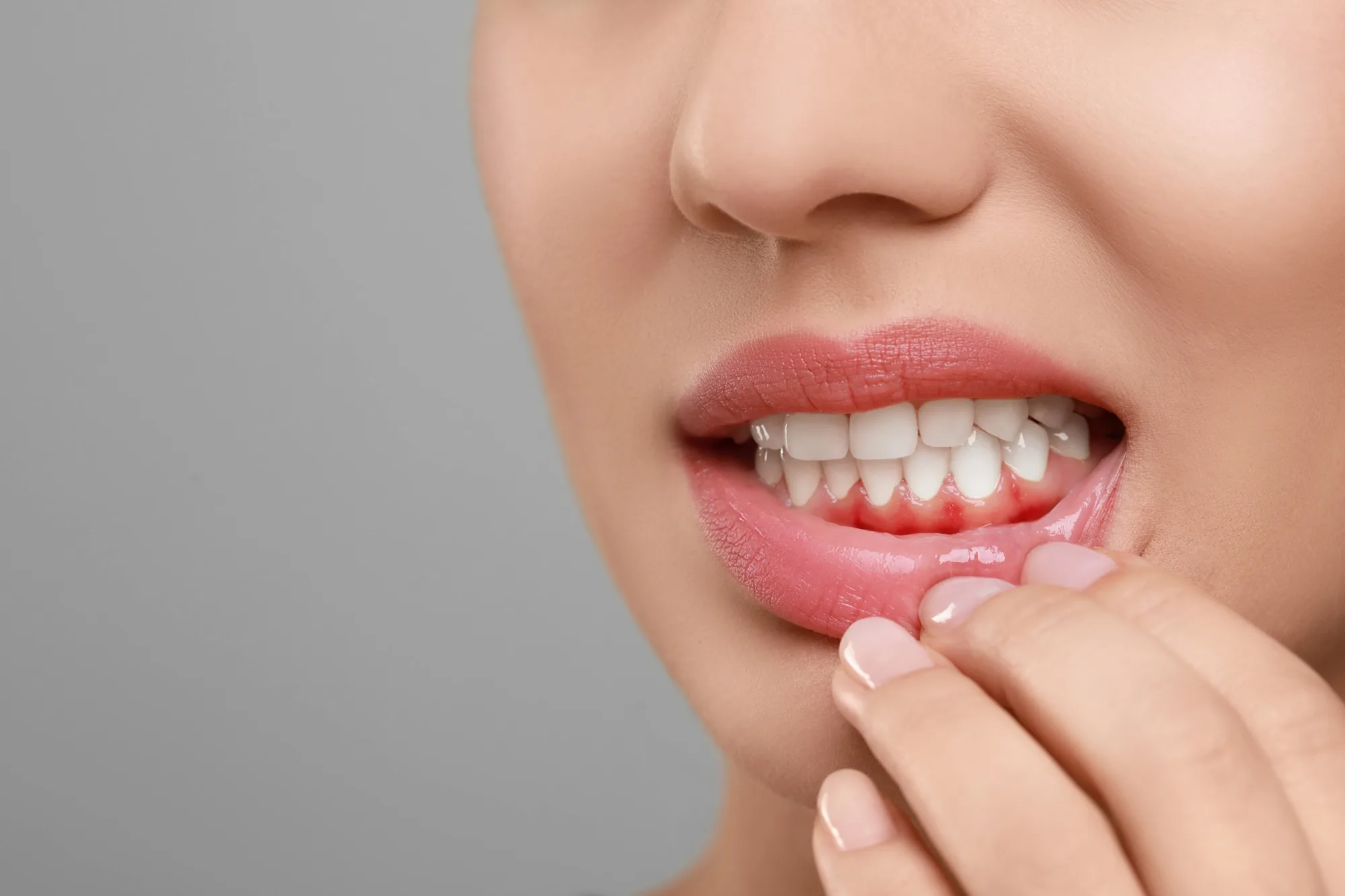
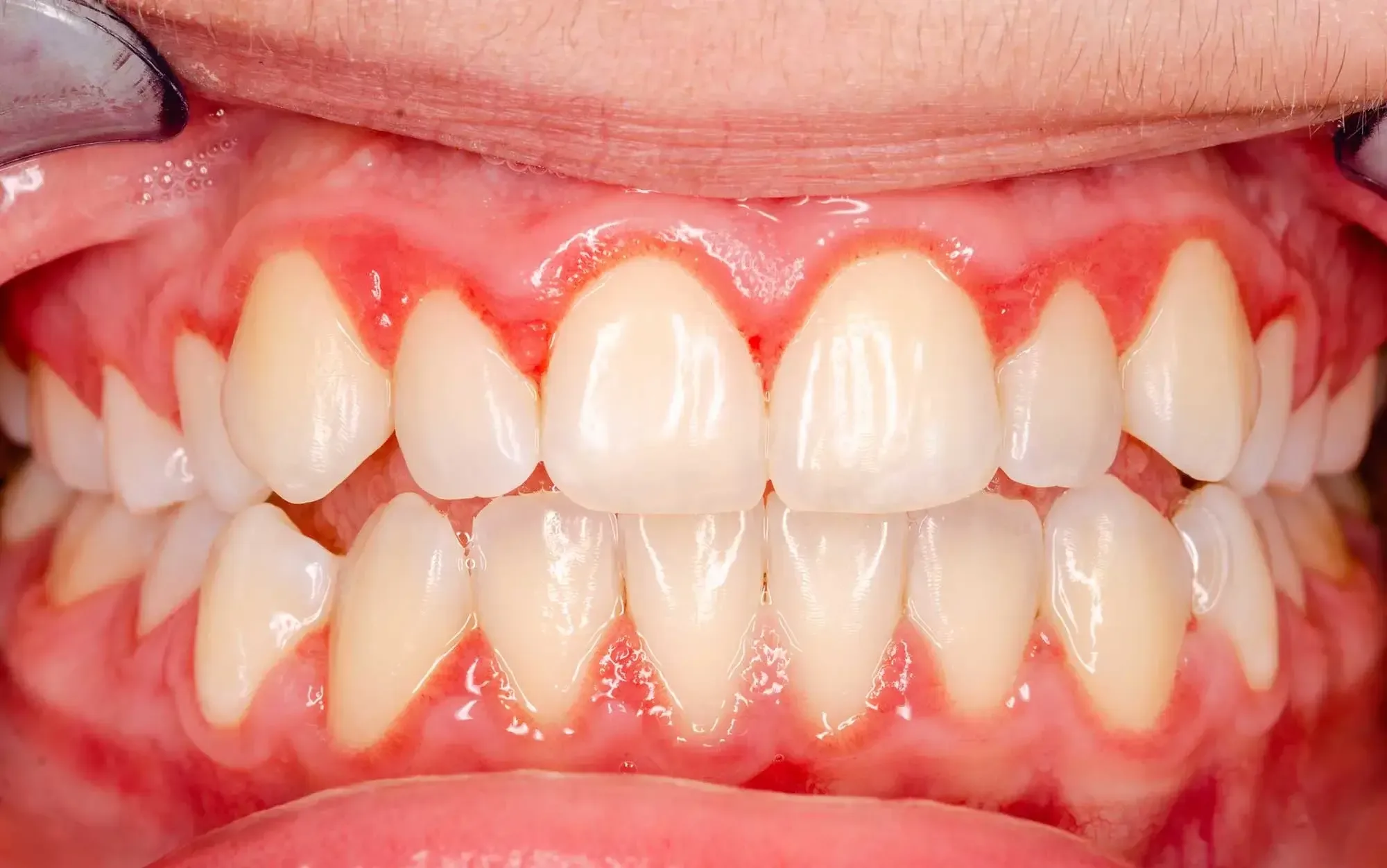
Gingivostomatitis is an inflammatory condition affecting the gums and other soft tissues in the mouth. It is usually caused by viral or bacterial infections, though irritation, allergies, or a weakened immune system may also contribute. The condition can lead to symptoms such as swelling, soreness, and mouth ulcers that may make eating or oral care uncomfortable. This article outlines the main causes, key symptoms, and available treatment and prevention approaches to support better oral health.
What is gingivostomatitis?
Gingivostomatitis is an inflammatory condition affecting the gums and the soft tissues inside the mouth. It is usually caused by viral or bacterial infections, although irritation, allergies, or a weakened immune system may also contribute.
The condition can lead to symptoms such as swollen gums, soreness, and mouth ulcers, which may make eating or oral care uncomfortable. It can occur in both children and adults, though it is more common in children.
A common form is herpetic gingivostomatitis, which is linked to the herpes simplex virus. When this occurs for the first time, it is called primary herpetic gingivostomatitis. Early care is important to reduce discomfort and prevent complications.
What causes gingivostomatitis?
Gingivostomatitis is most commonly caused by viral or bacterial infections, although allergies, poor oral hygiene, and weakened immunity may also contribute.
Viral infections
Viral infections are one of the most common causes of gingivostomatitis, particularly infections linked to the herpes simplex virus (HSV-1). Signs of the herpes simplex virus include mouth lesions and gums that appear red or swollen. According to the Cleveland Clinic, viral infections such as HSV-1 are among the leading causes of gingivostomatitis. The virus spreads through saliva contact, making good hygiene practices essential.
Bacterial infections
Bacterial infections can develop when harmful bacteria build up in the mouth. This may irritate the gums and lead to inflammation. Good oral hygiene helps reduce bacterial growth and lowers the risk.
Allergic reactions
Allergic reactions can trigger inflammation in the mouth, leading to soreness, irritation, or ulcer-like lesions. The soft tissues in your mouth may react to these irritants, resulting in inflammation or small sores. Eliminating known allergens from your diet or environment may help reduce the occurrence of gingivostomatitis.
Weakened immune system
When your body’s immune defences are compromised-perhaps due to chronic illness, stress, or other health conditions, it’s easier for infections to happen. A weakened immune system can not only lead to HSV-related infection, but may also make you more susceptible to recurring episodes.
Poor oral hygiene
Poor oral hygiene can increase the risk of gingivostomatitis by allowing plaque and bacteria to build up around the gums and soft tissues. MedlinePlus also notes that plaque buildup and poor oral hygiene can worsen gum inflammation and oral discomfort. This buildup can irritate gums and set the stage for gingivostomatitis. Practising a thorough oral hygiene routine, including regularly brushing with a quality toothbrush, is important to prevent gum inflammation. For additional support, you can also use an antibacterial mouthwash.
What are the signs and symptoms of gingivostomatitis?
Gingivostomatitis often causes swollen gums, mouth sores, redness, and discomfort, especially when eating or brushing. You might also notice small ulcers in the mouth, often white or yellowish in colour, which can be painful. Other common gingivostomatitis symptoms include:
Common symptoms such as swollen gums, ulcers, and mouth pain are widely associated with gingivostomatitis according to MedlinePlus.
While mild gingivostomatitis can resolve with proper home care, severe or recurring symptoms might call for professional evaluation. If you find it painful to eat or notice extensive sores, contact a healthcare provider before the condition worsens.
How is gingivostomatitis diagnosed?
Gingivostomatitis is usually diagnosed through an oral examination, where a dentist or doctor checks for inflammation, ulcers, and other visible signs inside the mouth. You may be asked about recent illnesses, dietary habits, and any known allergies.
In some cases, a small swab or sample of saliva might be taken to pinpoint whether it’s herpes-related mouth infection or a different form of infection. Early diagnosis is beneficial because it helps determine whether you need specific medication or if at-home remedies will be enough.
How to treat gingivostomatitis?
Gingivostomatitis treatment focuses on reducing inflammation, relieving discomfort, and treating the underlying cause of the infection or irritation.
Home remedies
Home remedies can help soothe pain, reduce irritation, and support healing in mild cases of gingivostomatitis. They are often helpful in managing herpetic gingivostomatitis in adults and children alike:
Rinsing with a lukewarm saltwater solution can reduce inflammation and cleanse the mouth.
Staying well-hydrated helps maintain oral tissue moisture, which may ease ulcer pain.
Avoiding spicy or acidic foods prevents additional irritation of gums and sores.
Keeping stress levels in check, since stress can weaken your immune response.
Medication
Medication may be recommended when gingivostomatitis is caused by a viral or bacterial infection or when symptoms become severe. For bacterial causes, antibiotics may be provided. In cases of severe pain or swelling, anti-inflammatory or pain-relief gels could help. Always follow your dentist or doctor’s instructions, and consult a healthcare professional if symptoms do not improve after a week or two.
Can gingivostomatitis be prevented?
Gingivostomatitis cannot always be prevented, but good oral hygiene and healthy habits can help lower the risk of infections and flare-ups. Maintaining a consistent oral hygiene routine may help reduce irritation and lower the risk of recurring infections.
Wash hands frequently
Frequent handwashing helps curb the spread of bacteria and viruses that cause gingivostomatitis. Especially important if you or family members have herpetic sores, washing hands can prevent cross-contamination.
Maintain good oral hygiene
A reliable routine helps keep gums healthy. Brush twice daily, floss regularly, and consider using an antibacterial mouthwash. If you struggle with gum issues or bad breath, a high-quality toothbrush can help remove plaque more effectively. Explore the oral hygiene tips from Oral-B to keep your teeth and gums healthier every day.
Attend regular dental checkups
Seeing a dentist for dental checkups helps catch problems like gingivostomatitis early. A professional cleaning also removes stubborn plaque or tartar. Early detection and intervention often mean fewer potential complications.
Oral-B accompanies your oral health
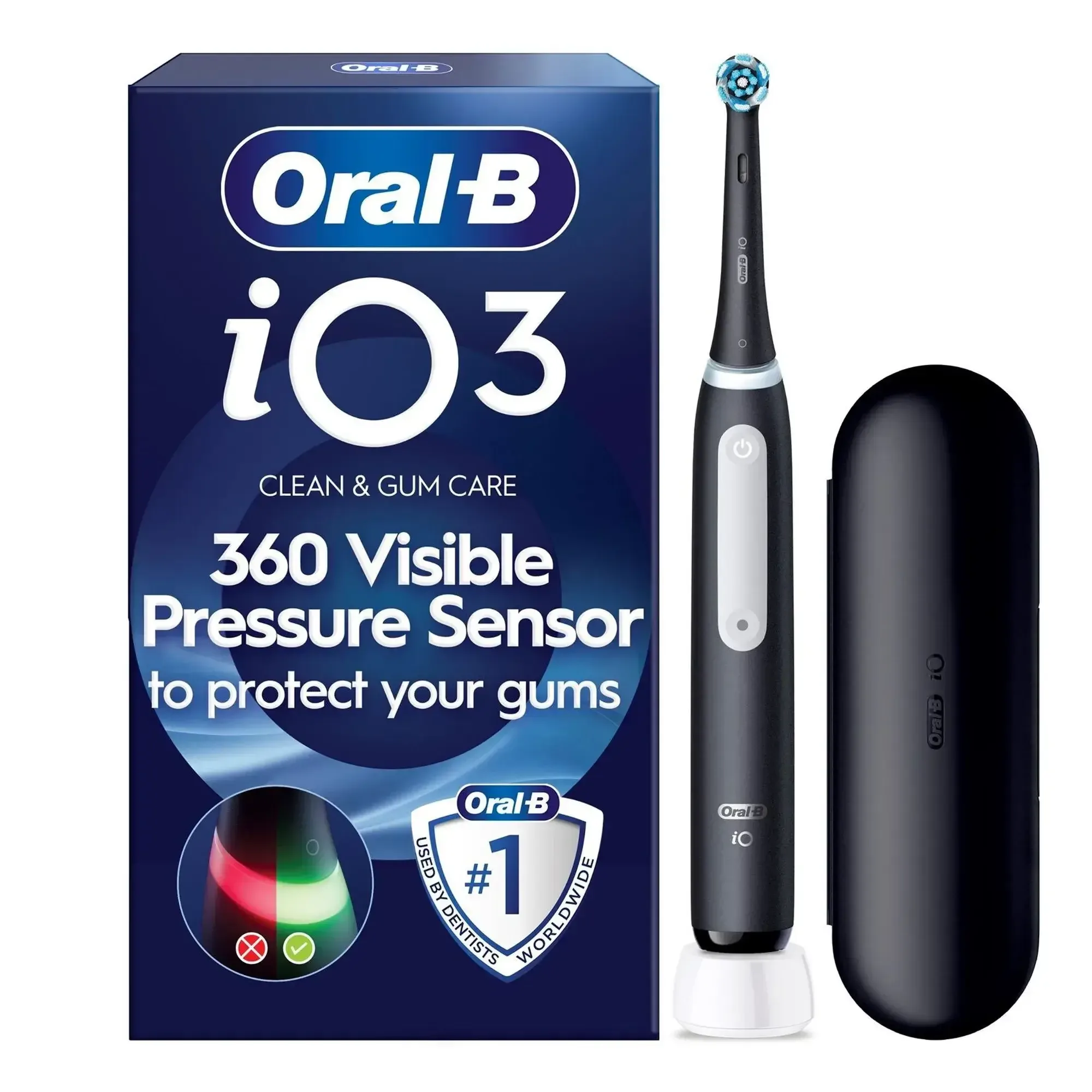
Gingivostomatitis can be uncomfortable, but maintaining a good oral care routine goes a long way toward preventing and managing it. The Oral-B iO Electric Toothbrush Series offers gentle yet effective cleaning technology that removes plaque and debris while protecting gums, even those that might already be sensitive. Its advanced bristle design and smart pressure sensors help you brush thoroughly without over-scrubbing, which can worsen inflamed gums.
By adopting high-quality brushing habits and pairing them with consistent flossing, you can help protect your mouth from conditions such as primary herpetic gingivostomatitis and other forms of gingivostomatitis. Combine these steps with professional guidance and you’ll find it easier to keep your gums healthy and comfortable long term.
Summary
Gingivostomatitis is an inflammation of the gums and mouth tissues that may be linked to viruses, bacteria, allergies, or even a weakened immune response. Recognising gingivostomatitis symptoms such as swollen gums, mouth ulcers, and occasional fever, plays a crucial part in acting fast and ensuring proper treatment options. Early treatment and good oral hygiene habits can help prevent complications and support faster healing, according to the Cleveland Clinic. Whether it’s viral form ofgingivostomatitis or another form, early diagnosis helps curb potential complications.
Fortunately, there are practical ways to reduce your risk. Start with consistent oral care: gentle yet thorough brushing, regular flossing, and a focus on overall hygiene. Attending dental checkups can help you spot potential issues early. When it comes to daily brushing, the Oral-B iO Electric Toothbrush Series combines innovative cleaning features with user-friendly designs, giving you an advantage in preventing and managing gum conditions. If you notice persistent mouth sores or gum discomfort lasting more than a couple of weeks, be sure to seek a professional opinion for peace of mind.
FAQs for Gingivostomatitis
Can gingivostomatitis cause bleeding gums?
Yes, gingivostomatitis can make your gums swollen and tender enough to bleed during brushing or flossing. If bleeding persists or worsens, consult a dentist for a thorough evaluation and advice on reducing inflammation.
How long is gingivostomatitis contagious for?
Viral gingivostomatitis, such as herpetic gingivostomatitis, can be contagious as long as active sores or lesions are present. Once they heal, the risk of spreading the virus decreases. Practising hygienic measures like handwashing can limit transmission.
How long do gingivostomatitis symptoms last?
Mild cases often resolve within one to two weeks, especially when home care is consistent. Severe or recurring episodes might last longer and should be checked by a healthcare professional to rule out underlying causes or complications.
Is gingivostomatitis dangerous?
In most situations, gingivostomatitis is not dangerous and can be managed with home care or medication. However, ignoring severe or persistent symptoms could lead to complications. If symptoms seriously affect eating or hydration, consult a doctor or dentist.