The risk of gingivitis can be increased by poor oral hygiene, smoking, certain medications and health conditions. Gingivitis is a mild, reversible form of gum disease where the gums become red, swollen and may bleed, usually due to plaque build-up along the gumline. As per NCBI, consistent daily care and lifestyle changes can usually manage gingivitis, but untreated gingivitis can progress to more severe gum disease such as periodontitis.
How to Prevent and Manage Gingivitis?
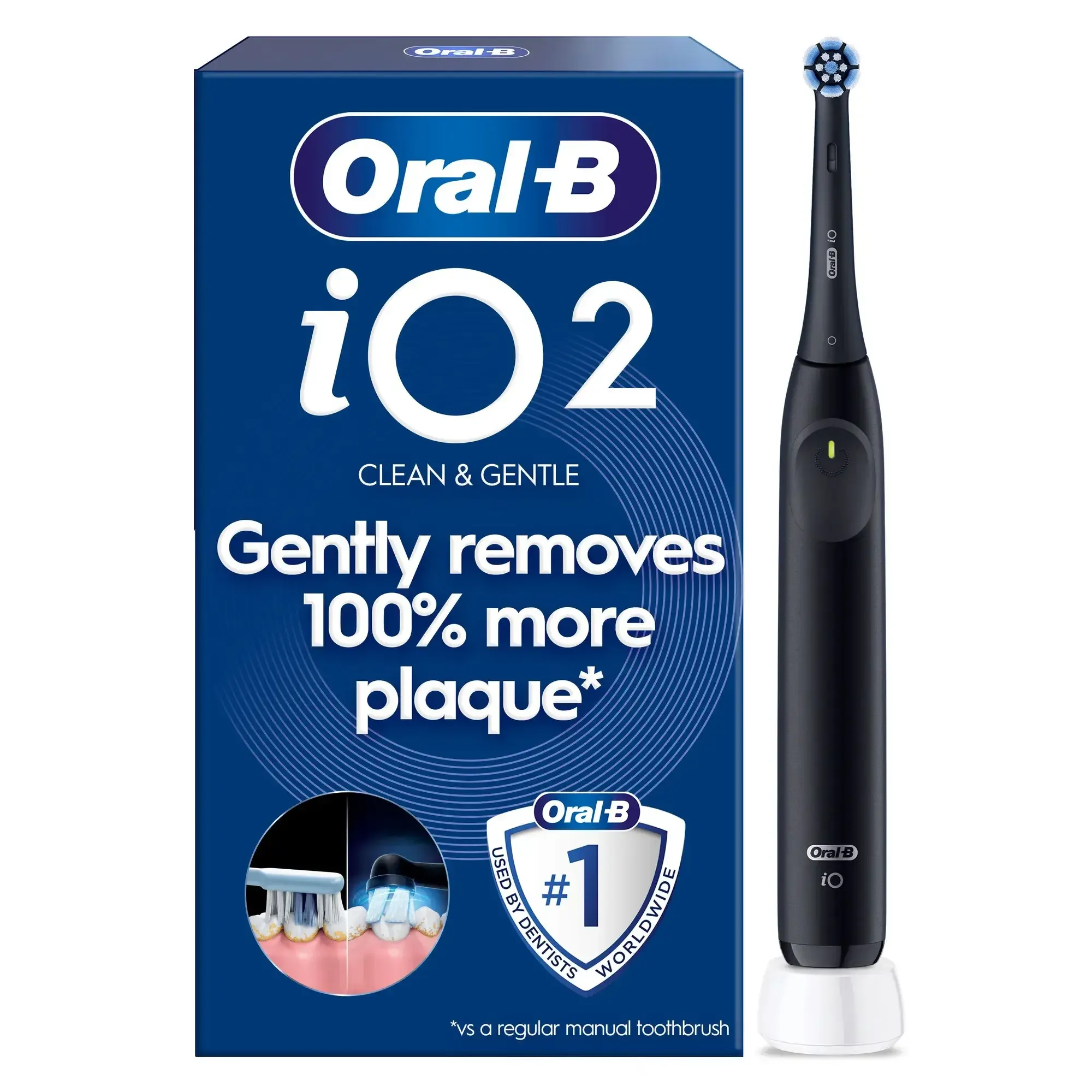
Gingivitis, an early stage of gum disease, is often linked to plaque buildup along the gumline. To compare how different toothbrush technologies support gum health, researchers reviewed 19 clinical trials involving more than 1,300 participants. The analysis found that oscillating rotating toothbrushes, the same technology used across the Oral-B iO range ranked highest for gingivitis reduction among the technologies evaluated. This suggests it can help support healthier gums when used as part of a daily oral-care routine.
To help prevent and manage gingivitis, dentists recommend a thorough daily oral hygiene routine combined with healthy lifestyle habits. According to the NHS and periodontal research, controlling plaque is central to preventing gum inflammation.
Key steps include:
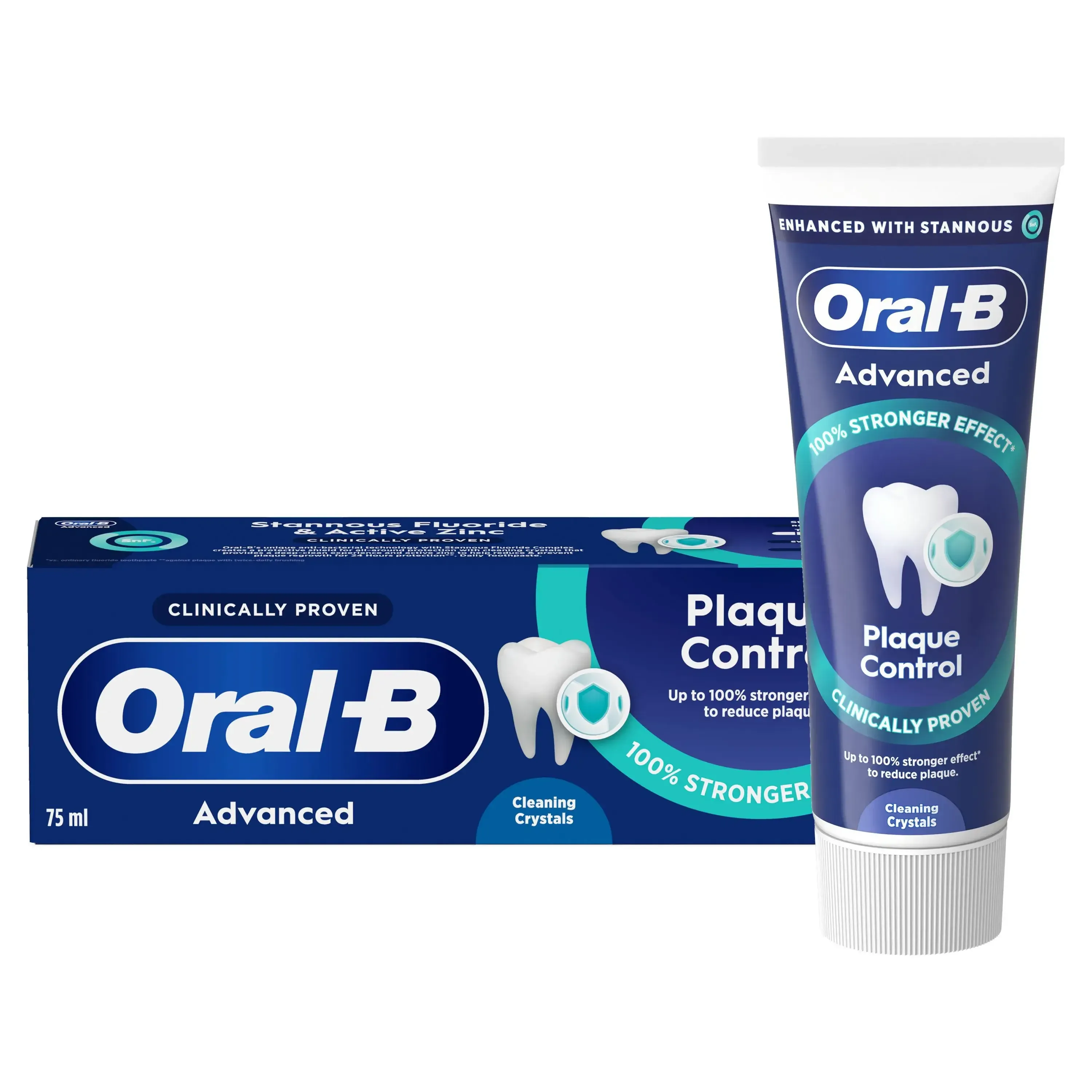
Brush teeth twice daily with fluoride toothpaste using a gentle technique
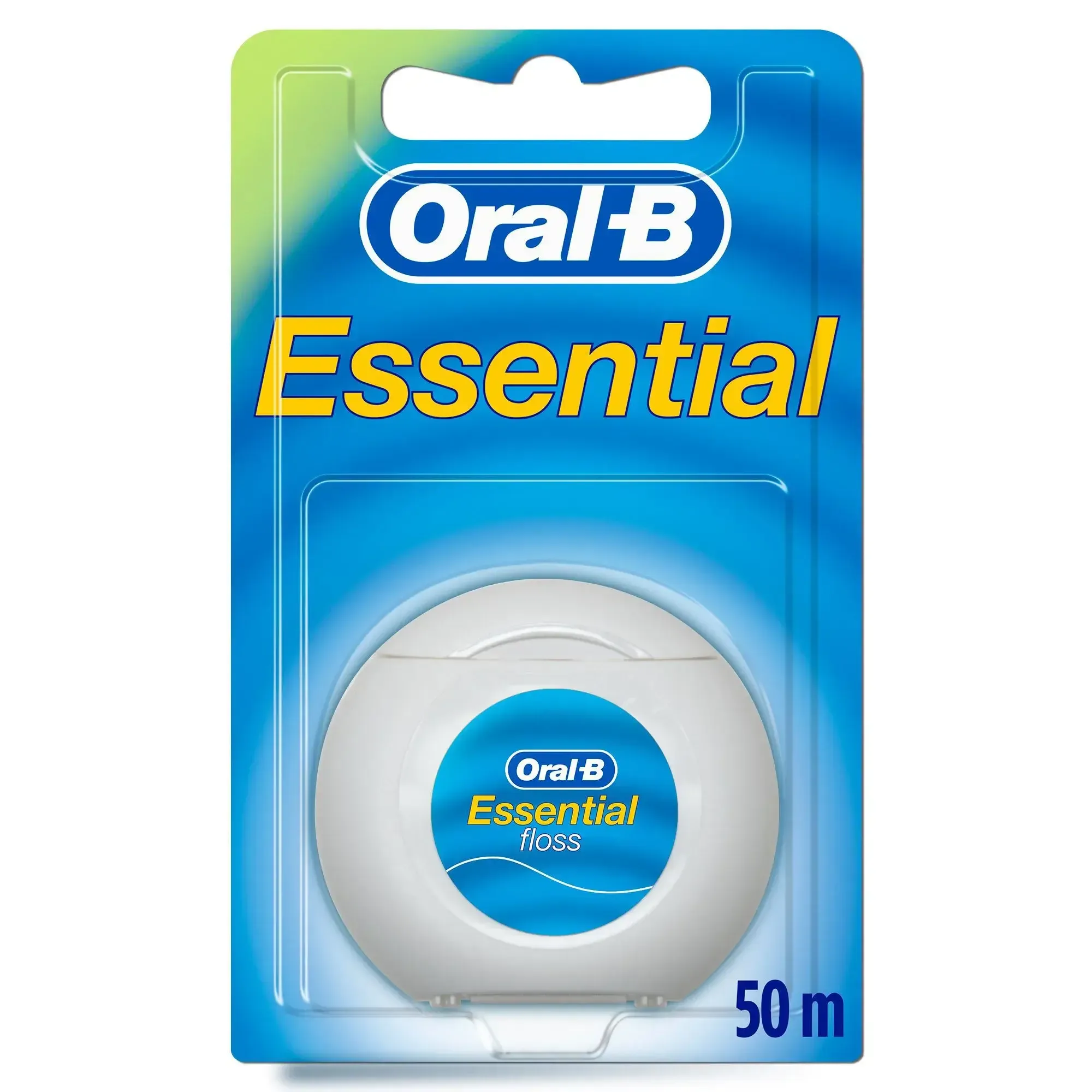
Clean between teeth daily with floss or interdental brushes
Use an alcohol-free mouthwash designed for gum health
Adopt a balanced diet low in added sugars
Stay hydrated to support saliva production
Reduce or quit smoking and tobacco use
Using an effective electric toothbrush like the Oral-B iO Electric Toothbrush Series alongside Oral-B toothpastes formulated with fluoride may help maintain plaque control at home when used correctly.
When Should I See a Professional for Gingivitis?
You should see a dental professional for gingivitis if symptoms persist despite good home care or if they worsen. Early assessment helps prevent progression to more advanced gum disease.
Seek professional advice if you notice:
Persistent bleeding when brushing or flossing
Ongoing red, swollen or tender gums
Chronic bad breath that does not improve with brushing
If you are worried about these persistent symptoms, book an appointment with your dentist or hygienist promptly.
What Are the Professional Treatments for Gingivitis?
Professional treatment for gingivitis focuses on removing plaque, calculus (tartar) and improving daily oral hygiene. Early professional care can usually reverse gingivitis.
Common treatments include:
Professional cleaning (prophylaxis) to remove plaque and tartar above the gumline
Scaling to remove hardened deposits below the gumline
Root planing for more advanced inflammation to smooth root surfaces and aid healing
FAQs
What are the early signs of gingivitis?
Early signs of gingivitis often include red, swollen or tender gums that may bleed when you brush or floss. Bad breath or a persistent bad taste can also occur. Over time, gums may start to recede slightly from the teeth, so noticing these changes early and improving oral hygiene is important to prevent progression.
What causes gingivitis and how can I help prevent it?
Gingivitis is often associated with plaque buildup along the gumline. Regular brushing and effective plaque removal are important components of good oral hygiene. In the 2026 network meta-analysis, oscillating-rotating toothbrush technology (the technology used in the Oral-B iO round brush head) ranked highest for both plaque reduction and gingivitis reduction among the technologies evaluated
What types of toothpaste and mouthwash should I use for gingivitis?
For gingivitis, dentists often recommend toothpaste and mouthwash specifically designed for gum health and plaque control. Look for products that contain fluoride and antiseptic or antibacterial ingredients, and choose alcohol-free mouthwashes if you have sensitive gums or a dry mouth. Using these products consistently as part of your routine can support professional treatment.
What specific food should I avoid for gingivitis?
If you have gingivitis, it is helpful to limit sugary foods and drinks, as frequent sugar intake feeds plaque bacteria linked with gum disease. Try to avoid very acidic drinks, sticky sweets that cling to teeth, and highly processed snacks that are easy for plaque bacteria to use. Choosing a balanced diet rich in vegetables, fruit and whole grains supports overall gum health.