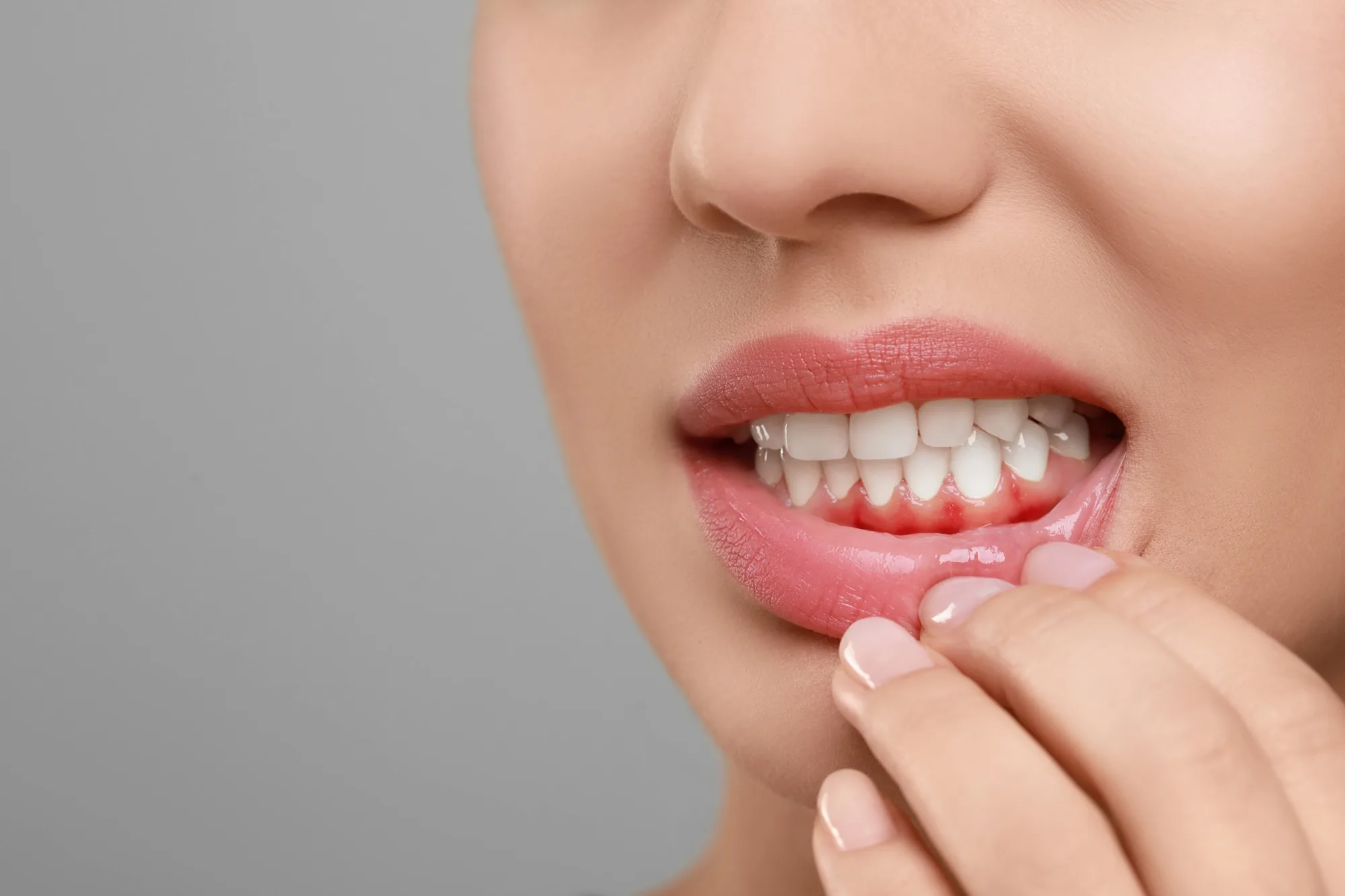
Black gums can develop for several reasons, ranging from natural pigmentation and smoking to certain medications, poor oral hygiene, or underlying health conditions. Also known as gingival hyperpigmentation, black or dark gums occur when excess melanin or external factors cause the gum tissue to appear darker than usual, as discussed in this review on gingival pigmentation. In many cases, darker gums are harmless and simply a natural variation in gum colour. However, sudden discolouration, pain, swelling, bleeding, or patches that change over time may indicate an oral health issue that requires professional attention.
Identifying the reason behind gum discolouration helps determine the most appropriate care. Some cases may not require treatment at all, while others may need professional dental care, lifestyle changes, or medical treatment to restore gum health. In this article, we’ll explain what black gums are, explore their common causes and symptoms, discuss available treatment options, and share prevention tips to help maintain healthy gums.
What are black gums (gingival hyperpigmentation)?
Black gums are areas of gum tissue that appear darker due to increased pigmentation, staining, or underlying conditions. This colour change can be localised or widespread and may feel normal to touch. Dark gums may be purely cosmetic or linked to conditions such as gum disease or underlying health issues. A dental check clarifies the cause and whether treatment is needed.
What are the causes of black gums?
Black gums can be caused by natural pigmentation, smoking, certain medications, poor oral hygiene, gum disease, dental restorations, or underlying medical conditions.
Melanin production
Natural gum pigmentation is common in many people and is influenced by genetics, according to research on oral pigmentation disorders. In these cases, darker gums are usually harmless and do not require treatment.
Smoking and tobacco use
Smoking can darken gum tissue through chemical staining and increased pigment production. Tobacco introduces compounds that stain soft tissues and can trigger melanin production. Smoking also raises risk of gum inflammation and disease, which can further alter colour.
Tartar buildup
Tartar deposition near the gum line can make gums appear darker, as hard, mineralised plaque (tartar) traps stains and irritates gums. In that case, professional removal reduces discolouration and improves gum health. Check out our Oral‑B guidance on tartar.
Certain medications
Some medicines can cause pigmentation changes in the mouth. Drugs such as certain antimalarials, antiretrovirals and chemotherapy agents have been reported to cause oral mucosal darkening. If you suspect medication is involved, discuss options with your prescriber.
Severe gum disease
Advanced gum disease can change tissue colour and texture. Periodontitis causes inflammation, recession and tissue changes that sometimes appear darker. Early treatment for gum disease prevents progression.
Underlying health conditions
Less commonly, systemic conditions or metabolic disorders affect gum pigmentation.
Conditions such as Addison’s disease or some endocrine disorders may cause mucosal pigmentation. A medical assessment is warranted if pigmentation is new and unexplained.
What are the symptoms of black gums?
The most noticeable symptom is darkened gum tissue, although other signs may appear depending on the underlying cause.
Visual change in gum colour (brown, grey, black)
Gum inflammation, redness or swelling if disease is present
Bad breath or bleeding when brushing in disease-related cases
Pain or discomfort only when an underlying infection or lesion exists
If dark gums are present without other symptoms, they are often benign, but accompanying bleeding, pain or rapid change needs review.
When should I see a doctor for my black gums?
See a dentist promptly if you have additional symptoms or sudden changes in gum colour. Book an appointment when you notice rapid darkening, persistent bleeding, pain, swelling, difficulty eating, unexplained weight loss, or if pigmentation appeared after starting a new medication. A dentist can examine the tissue, review medications and refer for medical tests if needed.
What are the treatment options for black gums?
Treatment may include improved oral hygiene, professional dental care, cosmetic procedures, or medical management depending on the source of the discolouration.
Professional cleaning and tartar removal for stain-related darkening.
Quitting smoking support as a first‑line measure for tobacco stains.
Your clinician may review or adjust medications if drug-related pigmentation is suspected.
Surgical or laser depigmentation for cosmetic correction of benign melanin pigmentation.
Medical referral and treatment for systemic causes when indicated.
Procedures such as gingival depigmentation remove superficial pigmented tissue and are performed by dental specialists.
How can I manage and prevent black gums?
You cannot prevent all causes, but good habits reduce risk and improve gum appearance.
Brush twice daily and clean between teeth to prevent tartar and inflammation.
Quit smoking and avoid tobacco products to reduce staining and disease risk.
Manage medical conditions and review medications with your clinician.
Maintain a balanced diet and correct vitamin deficiencies if present.
Attend regular dental check‑ups for early detection and professional cleaning.
Consistent oral hygiene supports overall gum health.
Oral‑B's strong oral care routine can help you manage black gums
Using an effective daily routine reduces plaque, tartar build‑up and gum inflammation that can contribute to discolouration.
The Oral B iO Electric Toothbrush Series offers gentle, consistent cleaning that removes plaque more effectively than many manual brushes. Its pressure sensors and guided modes help protect sensitive gums while reducing plaque accumulation. For people aiming to prevent tartar‑related darkening, using a validated electric toothbrush together with interdental cleaning is a practical, evidence‑based strategy.
Summary
Black gums range from normal, melanin‑related pigmentation to signs of local or systemic disease. Most benign cases need no medical treatment beyond cosmetic options, while other causes require dental cleaning, lifestyle changes or medical assessment. Start with an oral hygiene review, professional scale and polish for tartar, and avoid tobacco. If you notice sudden changes, pain, bleeding, or other worrying signs, see a dentist. Maintaining a consistent routine with an effective toothbrush reduces plaque and helps gum tissue look and feel healthier. The Oral‑B iO Series combines gentle cleaning, pressure feedback and smart modes that support gum health while minimising irritation, useful for those managing sensitive or discoloured gums.
Next steps: Book a dental check if you have sudden changes, improve daily cleaning, consider switching to an Oral‑B iO toothbrush if you need gentler, more effective plaque control.
FAQs
Is it normal to have naturally dark or black gums?
Yes. Natural pigmentation varies by genetics and is common in many people. If the colour has been stable and there are no other symptoms, it is usually harmless.
Can black gums turn back to pink?
If darkening is caused by stains, plaque or inflammation, improved hygiene and professional cleaning may restore a pinker appearance. Melanin pigmentation requires cosmetic procedures to change.
Are black gums ever painful?
Dark gums themselves are typically painless. Pain, bleeding or swelling with discolouration suggests inflammation or infection and needs dental assessment.