Bleeding gums in toddlers are usually minor, and a little blood on the toothbrush is something many parents notice. It usually means the gum edge is irritated, most often by plaque that has built up along the gumline or by a brush that is a little too firm. Gentle, regular brushing usually helps, and a dentist can check anything that does not settle. You have done nothing wrong by spotting it. In this article, we explain the likely causes, how teething fits in, and what to do next.
Why Are My Toddler’s Gums Bleeding?
The most common reason is plaque along the gumline, which irritates the gums and makes them quick to bleed. Plaque is a soft, sticky film of bacteria that forms on teeth every day, that irritates the gums if it builds up.
When plaque stays beside the gums, they can turn red, puffy and tender, then bleed when the toothbrush touches them. This early gum inflammation is called gingivitis.
The second common cause is brushing too hard, or using a brush with firm bristles. Toddler gums are delicate, and it is easy to press harder when a toddler wriggles or turns away.
If you have noticed toddler gums bleeding when brushing, start with these two causes. Our guide to bleeding gums covers the wider list of causes.
Could It Be Teething?
Teething can make gums sore and red, but it does not explain every spot of blood.
When it comes to teething and bleeding gums, it helps to look at where and when. A teething gum is usually sore around the spot where a tooth is pushing through. Irritation from plaque tends to show along the gumline of teeth that are already through, and the blood appears when you brush.
Swollen gums in toddlers that last, or bleeding that keeps coming back, are worth showing to a dentist rather than putting down to teething.
What Other Everyday Causes Are There?
Everyday knocks, hard toys and a dry mouth can all irritate a toddler’s gums, and these causes are usually minor too:
A bump or fall: a knock to the mouth can graze or bruise the gum.
Chewing hard toys or food: a hard edge can scrape tender gums.
A dry mouth: breathing through the mouth, for example with a blocked nose, can dry it out and irritate the gums.
After a heavy knock to the mouth, or if you are unsure what caused the bleeding, call your dentist or the non-emergency medical helpline number for advice.
What to Do When Your Toddler’s Gums Bleed
Keep brushing gently twice a day with a soft brush and light pressure. Skipping the bleeding area lets plaque build up and can keep the gums irritated. A parent should do the brushing, using small circular movements along the gumline, and book a dental check-up if the bleeding does not settle.
Parents or carers should brush the teeth of children up to 3, twice a day for about 2 minutes. Being in charge of the brush also helps you keep the pressure light.
As the plaque is cleared away, gums usually look less red and bleed less. A little blood at the start is not a reason to stop.
How Do I Choose the Right Toothbrush and Toothpaste for Toddlers?
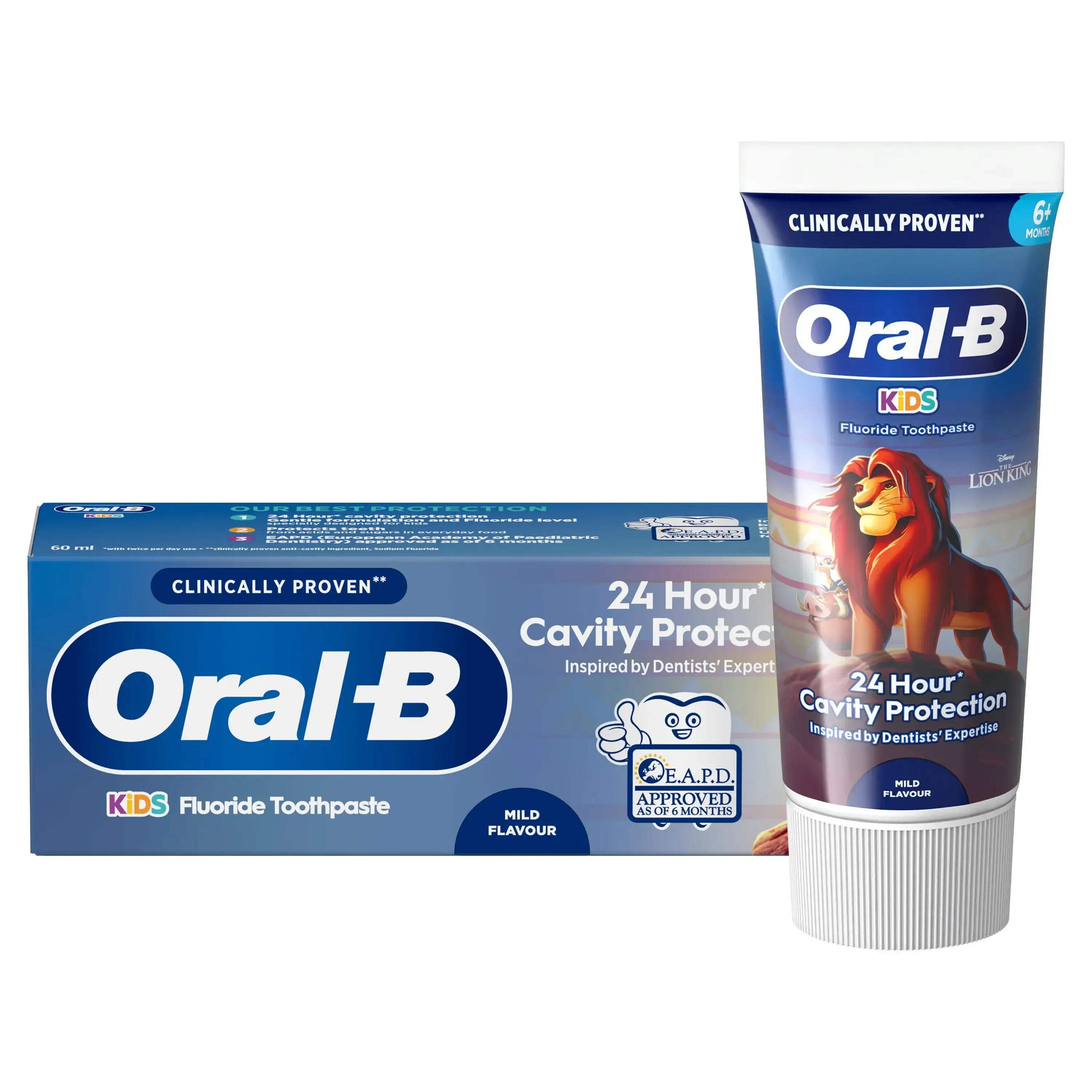
For under-3s, keep it simple: a soft, small-headed manual toothbrush and a smear of fluoride toothpaste.
Under 3 years old: Use a smear of fluoride toothpaste (about the size of a grain of rice) and help your child brush with a soft-bristled, age-appropriate toothbrush. Brush all tooth surfaces gently for about 2 minutes.1
Our guide to the best toothbrushes for babies and toddlers explains what to look for. Oral-B Kids Paste 6+ Months:
You can compare options in our kids' toothpaste comparison chart.
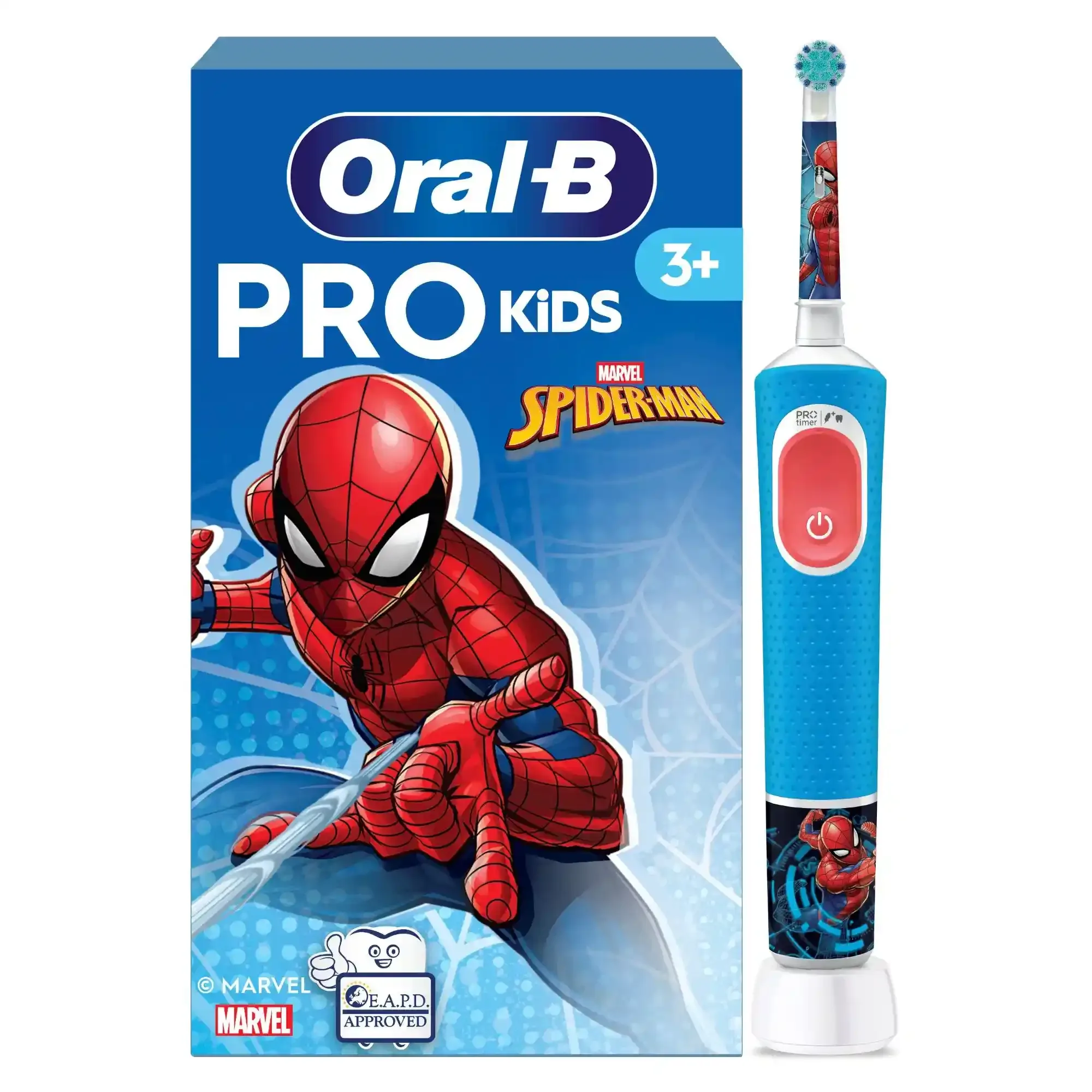
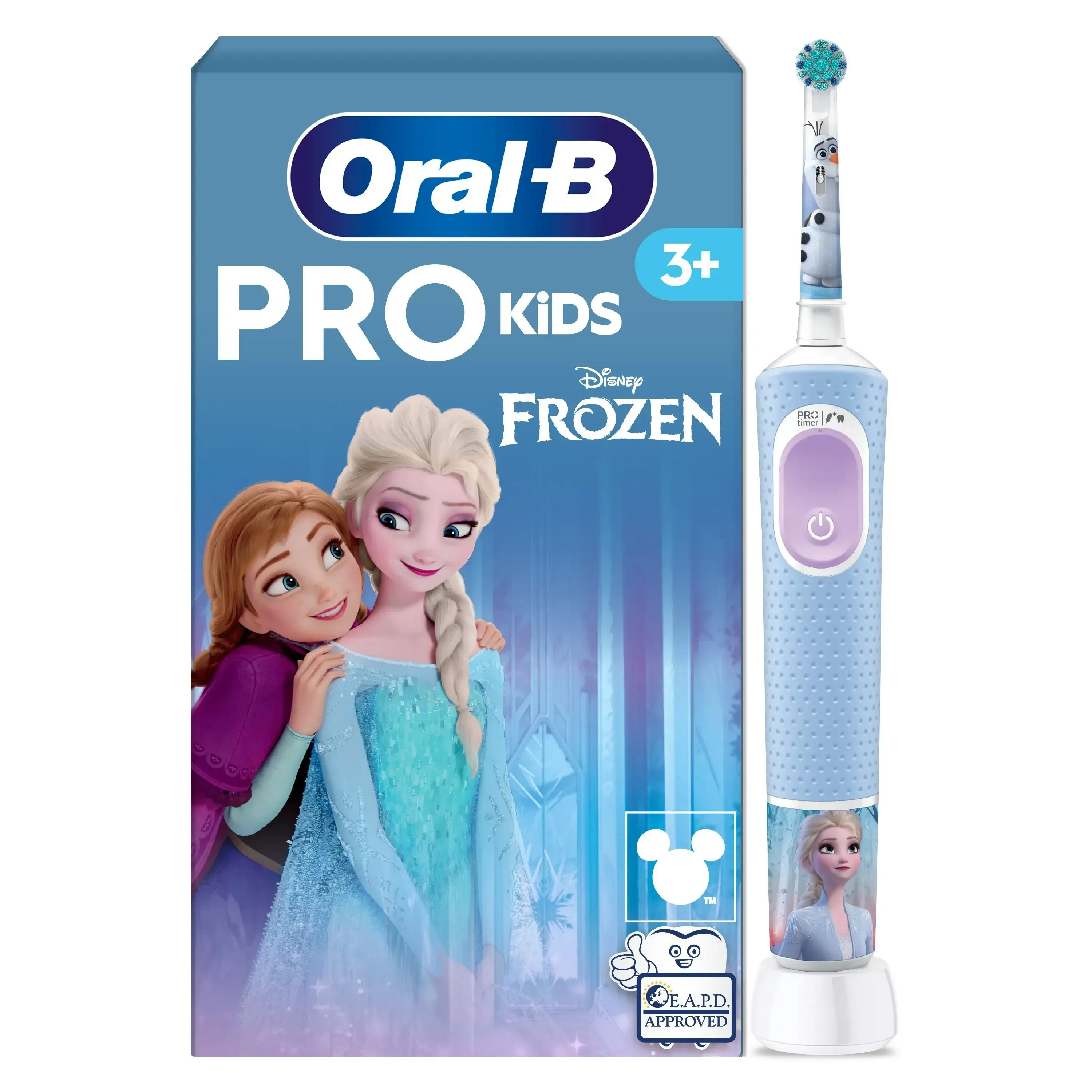
Electric toothbrushes are not recommended for under-3s. From age 3, Oral-B PRO Kids (3+) is the first electric toothbrush in the range, with:
Tough on cavities, gentle on gums4
Small round brush head with soft bristles designed with dentists, uniquely for milk teeth5
Approved by the European Academy of Paediatric Dentistry as of 3 years old6
See the full range of Oral-B kids toothbrushes. At 3, our guide to caring for your child's teeth and gums aged 3 to 5 covers the move to a pea-sized amount of toothpaste.
Consult your dentist in case of bleeding gums. Gentle, regular brushing can help.
Which Habits Keep Little Gums Healthy?
Brushing last thing at night, offering fewer sugary snacks and drinks and booking an early dental visit all help keep little gums healthy:
Brush last thing at night, and once more during the day.
Offer fewer sugary snacks and drinks, which helps protect teeth.
Visit the dentist when the first milk teeth appear, or before 12 months old.
Cavities are the #1 most preventable disease in children,7 and our guide to cavities in baby teeth explains how to spot them early.
When Should I See a Dentist or GP?
See a dentist if your toddler’s bleeding gums do not settle with gentle brushing, and see a GP if the bleeding comes with signs that your child is unwell. It is important to see a dentist if a child has sore, bleeding gums.
Here is a short checklist for when to get advice:
Dentist: bleeding that does not settle with gentle, regular brushing, or keeps coming back.
Dentist: gums that look swollen or sore, or bad breath that does not go away.
Urgent dental appointment: very sore, swollen gums, mouth ulcers, red patches, a lump in the mouth or teeth that feel loose.
GP or non-emergency medical helpline number: bleeding with a high temperature, or your child seems unwell.
You know your child best, so ask for advice if anything worries you.
The Bottom Line
Bleeding gums in toddlers are usually minor, and most often come from plaque along the gumline or a brush that is a little too firm.
Keep brushing gently twice a day with a parent holding the brush, and book a dental visit if the bleeding does not settle or comes with swelling or other signs your child is unwell.
If you would like some help with the routine, the Oral-B Kids range has options for each stage, from a soft manual brush and kids’ paste for under-3s to an electric brush from age 3.
FAQs
Is it normal for a toddler’s gums to bleed when brushing?
A little blood now and then is common and usually minor. It is often caused by plaque along the gumline or by brushing too firmly. Keep brushing gently with a soft brush and light pressure. If the bleeding keeps happening, or does not settle, book a dental check-up.
Should I keep brushing if my toddler’s gums bleed?
Yes, keep brushing gently twice a day. Skipping the bleeding area lets plaque build up, which can keep the gums irritated. Use a soft brush, light pressure and a smear of fluoride toothpaste for about 2 minutes. If the bleeding does not settle, ask a dentist for advice.
Can teething cause bleeding gums?
Teething can make gums sore and red. If you see blood, check along the gumline for plaque and keep brushing gently. Swollen gums that last, or bleeding that keeps returning, are worth showing to a dentist.
What toothbrush is best for a toddler with bleeding gums?
Choose a soft-bristled, small-headed manual toothbrush that suits your toddler’s age, used gently with a smear of fluoride toothpaste. Electric toothbrushes are not recommended for under-3s. From age 3, Oral-B PRO Kids is the first electric option. In case of bleeding gums, gentle technique is important too.
When should I worry about my toddler’s bleeding gums?
Contact a dentist if bleeding does not settle with gentle brushing, or comes with swelling, soreness or bad breath. Speak to a GP or call the non-emergency medical helpline number if bleeding comes with a high temperature or your child seems unwell. You know your child best, so ask for advice if you are worried.
Footnotes/References
1 Oral-B Kids brushing guidance for under-3s. In line with NHS advice to use a smear of fluoride toothpaste for children up to 3.
2 Oral-B Kids Paste 6+ Months product information.
3 Oral-B Kids Paste 6+ Months product information.
4 Oral-B PRO Kids (3+) product information.
5 Oral-B PRO Kids (3+) product information.
6 Oral-B PRO Kids (3+) product information.
7 Oral-B Kids range product information.