This blog has been reviewed and approved by Dr Robert Lee, a dental professional of 35 years
A streak of pink in the sink can be unsettling, but bleeding gums when brushing are common and are often caused by plaque collecting at the gumline. Plaque can irritate gum tissue, making it red, swollen and more likely to bleed. Bleeding is worth acting on because early gum inflammation can usually be improved with thorough daily cleaning and professional advice when needed. This guide explains the plaque connection, what to do at home and when to see a dentist.
Why Do Gums Bleed When Brushing?
The most common reason gums bleed during brushing is plaque building up along the gumline, where it irritates the gums and causes inflammation. The NHS states that gum disease is caused by plaque build-up and can make gums red, swollen, sore and prone to bleeding. Other possible causes of bleeding gums include brushing too hard, changes in oral-care habits and some health conditions, so persistent bleeding should be assessed by a dental professional.
What Plaque Does at the Gumline
Dental plaque is a soft, sticky film of bacteria that forms on teeth every day. When plaque is left along the gumline, bacteria sit directly beside the gum tissue. The gums can become red, puffy and tender, then bleed when disturbed by a toothbrush or floss. According to the NHS, regular brushing and cleaning between teeth help prevent plaque from accumulating and irritating the gums. Plaque that hardens into tartar cannot be removed by brushing alone and requires professional cleaning.
Is It Gingivitis? Signs to Look Out For
Gingivitis is the early stage of gum inflammation and commonly causes bleeding during brushing or flossing. Other signs include red or swollen gums, tenderness and persistent bad breath. NHS Education for Scotland explains that gingivitis is reversible when plaque is effectively removed, but untreated inflammation may develop into periodontitis, which can damage the tissues supporting the teeth. This does not mean every spot of blood confirms gum disease, but repeated bleeding deserves attention.
Should You Keep Brushing If Your Gums Bleed?
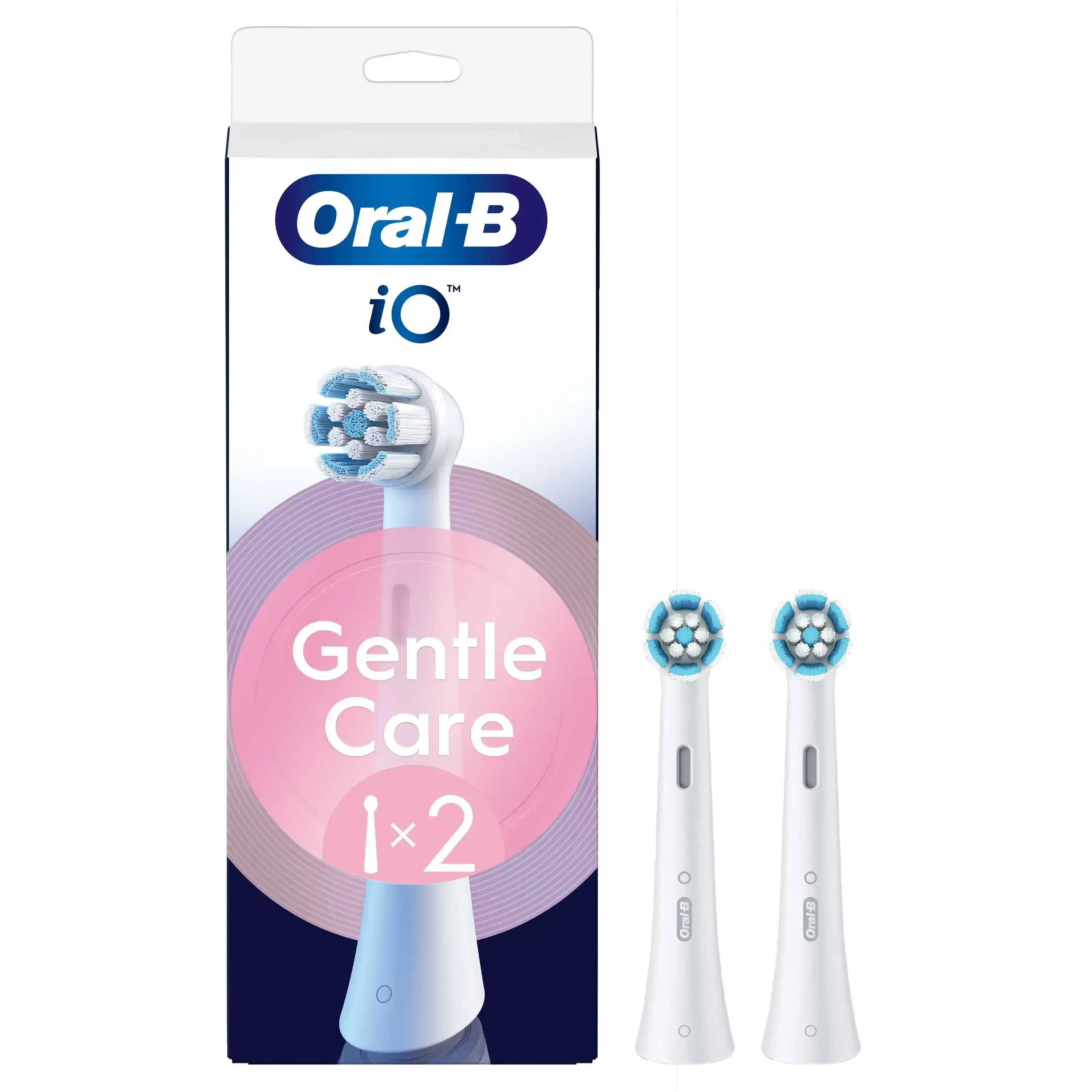
Yes, keep brushing if your gums bleed, but use gentle pressure and clean the gumline thoroughly. Avoiding the area allows more plaque to remain and may prolong inflammation. Use a soft-bristled brush or suitable electric brush head, guide it slowly around every tooth and do not scrub aggressively. If bleeding is heavy, painful or does not improve, arrange a dental check-up rather than trying to solve the problem by brushing harder.
Simple Daily Steps to Help Your Gums
A consistent plaque-removal routine is the most useful step you can take at home to support bleeding gums. Follow these daily habits:
Brush for two minutes, twice a day.
Angle the bristles towards the gumline and use gentle pressure.
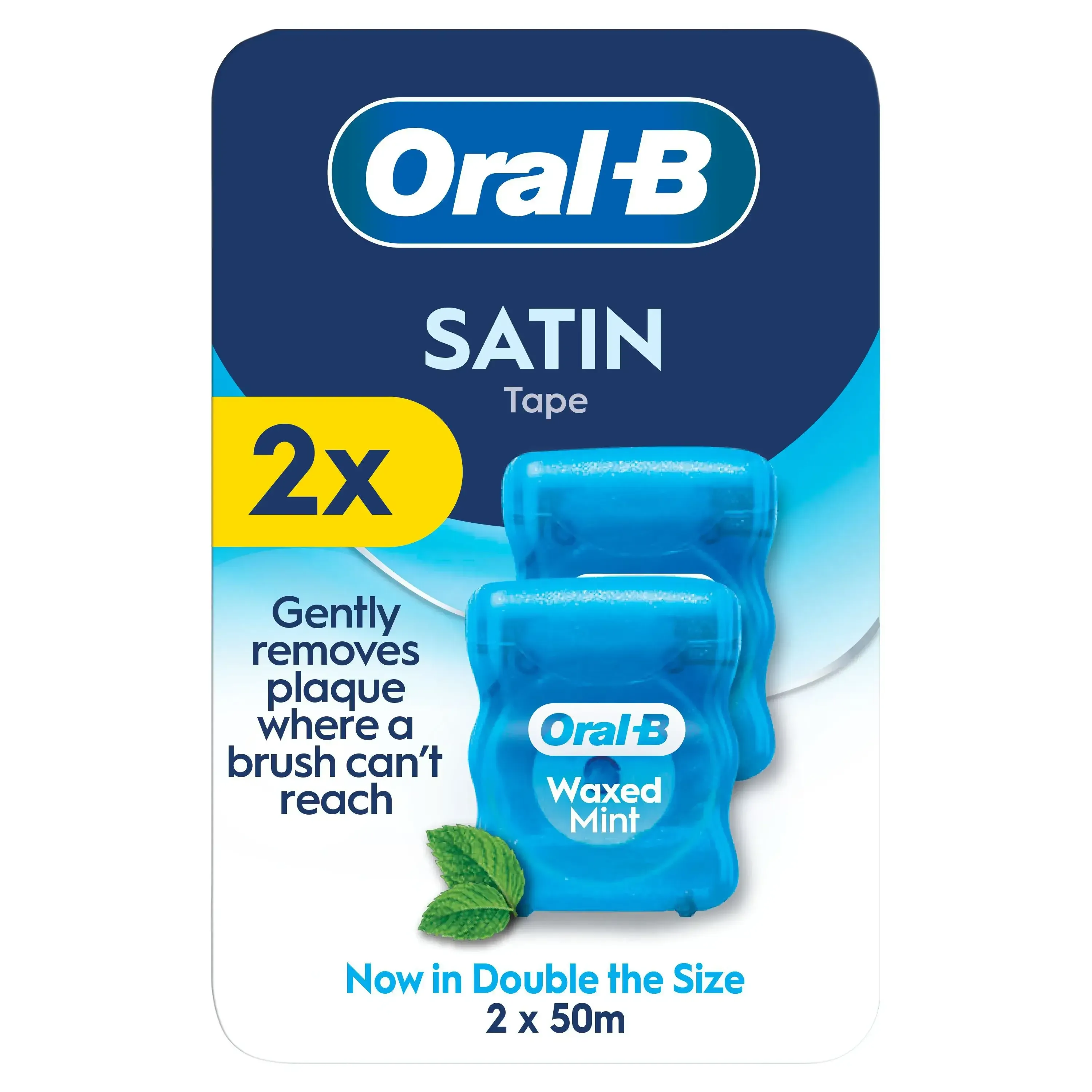
Clean between teeth once a day with floss or an interdental brush.
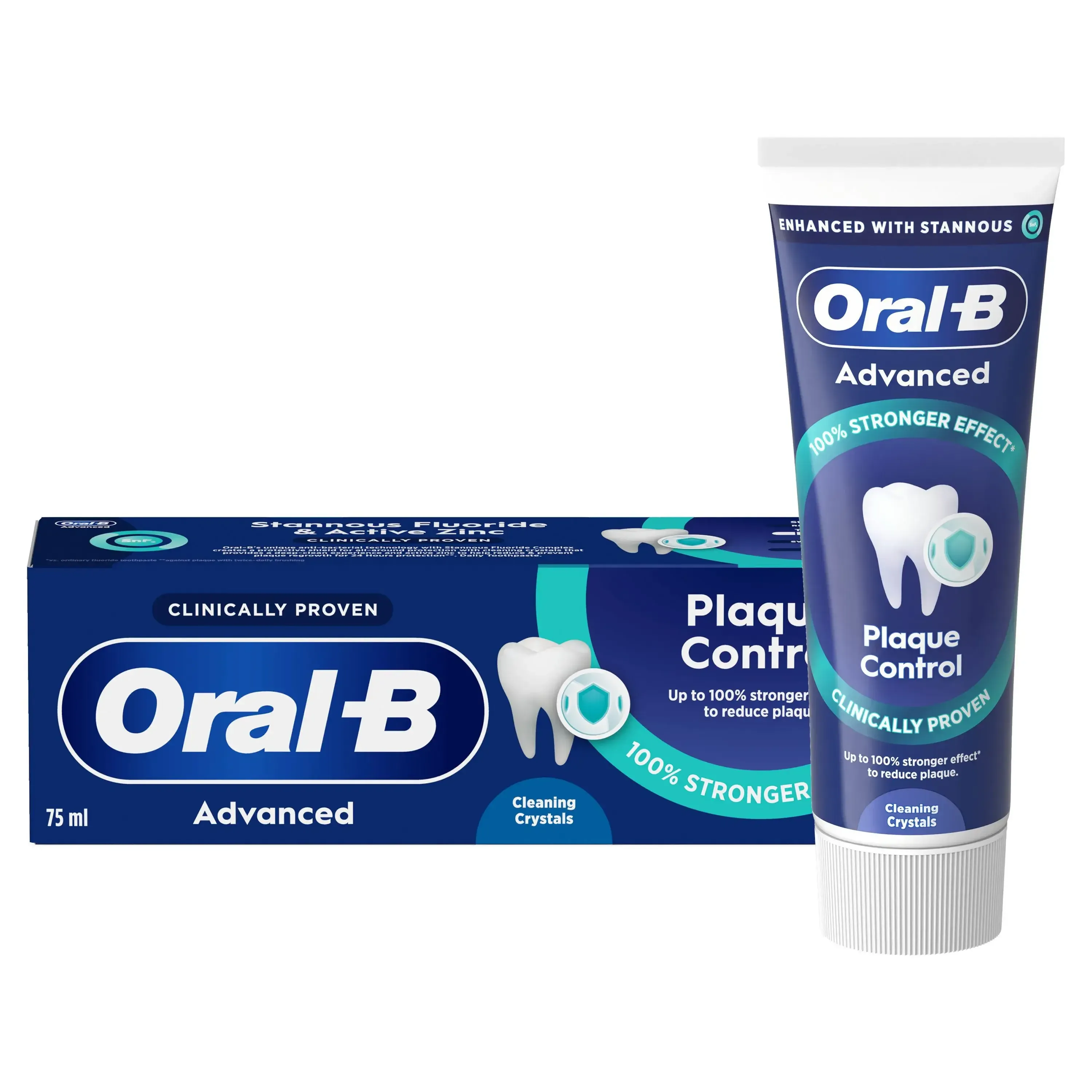
After brushing, spit out excess toothpaste rather than rinsing immediately.
Replace the brush head around every three months, or sooner if the bristles become worn.
Attend dental and hygienist appointments at the interval recommended for you.
Why Better Plaque Removal Matters for Your Gums
The more effectively plaque is removed each day, the less opportunity there is for bacteria to irritate the gums. A 2026 network meta-analysis ranked oscillating-rotating electric toothbrushes first for reducing plaque, ahead of sonic and manual toothbrushes.
This focus on effective plaque removal is reflected across the Oral-B portfolio. The cleaning technology of Oral-B iO is the #1 for plaque removal and gum care.sup>1/sup>. In addition, Oral-B is the #1 Most Used Brand by Dentists worldwide. Understanding the importance of plaque removal is one thing. Choosing tools that can help you clean thoroughly and consistently is the next step.
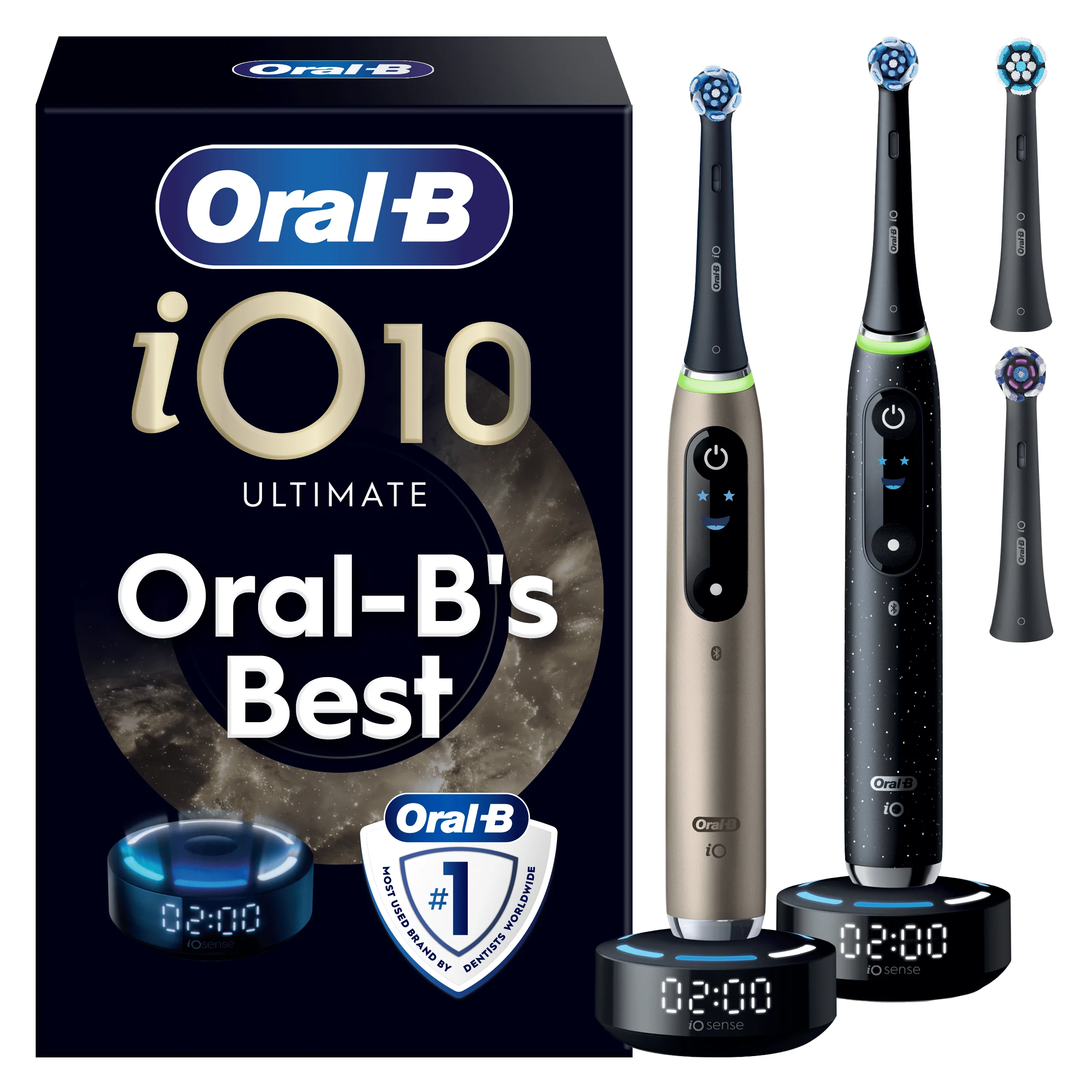
How Oral-B iO9 Helps Protect Your Gums
An electric toothbrush helps your gums most when it removes plaque thoroughly without you needing to press hard. Oral-B iO removes 2X more plaque along the gumline than a manual toothbrush to help prevent gum problems.¹
The Oral-B iO9 supports gentle, thorough brushing with:
Round brush head that cleans tooth by tooth along the gumline.
Smart Pressure Sensor that tells you when you're brushing too hard.
Two-minute timer for the time dentists recommend.
Oral-B App coverage tracking that shows areas you missed.
Gum Care mode for a gentler clean.
When to See a Dentist
See a dentist or dental hygienist if your gums keep bleeding despite improved daily cleaning, or if bleeding occurs with pain, swelling or persistent bad breath. The NHS advises seeing a dentist when gums bleed during brushing or when they are painful and swollen. Seek urgent dental advice for very sore, swollen gums, loose teeth, mouth ulcers, red patches or a lump in the mouth or on the lip. A dental team can assess the cause and remove tartar that brushing cannot remove.
The Bottom Line
Bleeding gums are often a sign that plaque is irritating the gumline. Continue brushing gently, clean between the teeth every day and improve plaque removal rather than avoiding the bleeding area. If bleeding persists or you notice pain, swelling, ongoing bad breath or loose teeth, book a dental assessment. For guided pressure and coverage support, explore Oral-B iO9 as part of a complete daily gum-care routine.
FAQs
Is it normal for gums to bleed when brushing?
Bleeding gums are common, but regular bleeding should not be treated as normal or ignored. Plaque-related inflammation is a frequent cause, and improving daily cleaning may help. Arrange a dental check-up if bleeding continues, becomes painful or occurs with swelling or persistent bad breath.
Should I stop brushing if my gums bleed?
No, you should usually continue brushing gently and thoroughly when your gums bleed. Avoiding the area allows more plaque to collect and may prolong inflammation. Use light pressure, focus carefully on the gumline and seek dental advice if the bleeding is persistent or severe.
Can brushing too hard make your gums bleed?
Yes, brushing with excessive pressure can irritate or injure gum tissue and contribute to bleeding. Use a soft brush head, gentle pressure and controlled movements rather than scrubbing. Ongoing bleeding can also indicate plaque-related inflammation, so do not assume pressure is the only cause.
Can an electric toothbrush help with bleeding gums?
An electric toothbrush may help when it improves plaque removal and encourages gentle, consistent technique. Evidence from a 2026 network meta-analysis ranked oscillating-rotating brushes first for plaque reduction. Choose a suitable brush head and follow your dental professional’s advice.
How long does it take for bleeding gums to improve?
The improvement time varies according to the cause, severity of inflammation and consistency of cleaning. Mild plaque-related bleeding may begin to settle after oral hygiene improves, but the supplied sources do not specify one universal timeframe. See a dentist if bleeding persists or worsens.
When should I see a dentist about bleeding gums?
Book a dental appointment if bleeding keeps returning, does not improve with better cleaning, or occurs with pain, swelling or persistent bad breath. Seek urgent dental advice for very sore, swollen gums, loose teeth, ulcers, red patches or a lump in the mouth or on the lip.
References
^ Based on research ranking efficacy of toothbrush technologies published in 2026
About Our Medical Reviewers
Dr Robert Lee is a dentist with more than thirty years of experience in the industry.
Graduating from the University of Sydney with a Bachelor of Dental Surgery and from the University of New South Wales with a Master of Business Administration, Robert’s career has taken him all over the world – from Australia to Germany to his current position in Chicago, where he is the founder of Denticus Inc., offering strategic dental consulting.
Robert has previously worked for Procter & Gamble as the Director of Professional Scientific Relations in both the Cincinnati and Sydney offices, being responsible for external relations and scientific exchange with leading professional associations and industry thought leaders. He was also responsible for all technical and scientific training for the professional teams in North America and Australia.
Robert has been assisting the team at Oral-B by fact-checking and reviewing our blogs on dental health.