Quick answer:
What is a thick (sticky) saliva?
Thick (sticky) saliva is saliva that feels heavier, stickier, or more stringy than normal and may coat your mouth or throat rather than flowing smoothly. It often happens when saliva contains less water and more mucus-like components. This can be linked to dehydration, medicines, certain health conditions, or lifestyle factors and may affect swallowing and comfort.
Thick saliva is saliva that feels heavier, more stringy or slimy than usual instead of smooth and watery. It may be temporary or linked to dehydration, medication, or other underlying factors. This article explains the common causes, symptoms, treatment options, when to seek professional advice, and how Oral-B can support a healthier mouth.
What is thick (sticky) saliva?
Thick (sticky) saliva is saliva that feels heavier, stickier, or more stringy than normal. Instead of feeling thin and watery, it may coat your mouth, cling to your tongue or throat, or leave you with a slimy sensation that can make swallowing less comfortable.
Saliva protects your teeth, helps you chew, swallow, and speak, and washes away food particles. When it becomes thicker, you may notice sticky, stringy, or viscous saliva that is harder to clear. As explained in a study published in Diagnostics, persistent changes can affect both oral comfort and oral health.
What causes thick saliva?
Causes for thick saliva include dehydration, lifestyle factors, and medications. It usually happens when the body loses fluid, saliva production changes, or more mucus-like components are present. Understanding why your saliva is so thick can help you choose the most appropriate treatment.
Dehydration
Dehydration can reduce the water content in saliva and make it feel thicker. Dehydration occurs when your body does not have enough fluid to work properly, often because you are not drinking enough or you are losing more water through sweating, illness, or heat.
When you do not drink enough fluids, your body conserves water for vital organs, and your salivary glands may produce less watery saliva. This can result in stringy saliva, a dry or sticky feeling in the mouth, and difficulty swallowing.
Medications
Some medicines, including antihistamines, antidepressants, blood pressure medicines, and pain medications, can reduce saliva production or change its consistency.
Medical conditions
Some medical conditions affect the salivary glands, the immune system, or overall fluid balance, which can contribute to thick saliva.
Conditions such as Sjögren’s syndrome (an autoimmune disease where the immune system attacks moisture-producing glands, often leading to dry eyes and a dry mouth), some autoimmune disorders, head and neck radiotherapy, and certain neurological conditions are known to affect how much saliva is produced and its composition. People with long-term mouth dryness or reduced saliva flow may notice viscous saliva, problems wearing dentures, or a higher risk of tooth decay if the issue is not managed.
Lifestyle factors
Lifestyle habits can irritate the mouth or change saliva quality over time.
Smoking, alcohol, caffeine, and stress can dry the mouth or affect saliva production, leading to thicker saliva, a coated tongue, and bad breath.
What are the signs and symptoms associated with thick saliva?
Sticky saliva is often accompanied by other symptoms that affect the mouth and throat, and recognising these early can help identify the underlying cause.
Common signs and symptoms can include:
A sticky, slimy, or stringy feeling in the mouth
Saliva that clings to teeth, tongue, or throat
Difficulty swallowing or needing to sip water more often
A dry, rough, or coated sensation on the tongue
Changes in taste or lingering unpleasant taste
Trouble speaking clearly or needing to clear your throat
A feeling of mucus or saliva “stuck” at the back of the throat
In some cases, thick saliva may be noticed together with foamy saliva, dry mouth, or periods of excessive saliva, depending on the underlying cause.
How to prevent and manage thick saliva?
Preventing and managing thick saliva usually involves a mix of hydration, careful oral care, lifestyle changes, and addressing any underlying medical issues.
How to treat thick saliva depends on what's causing it. For many people, drinking more water, improving oral hygiene, and making small lifestyle changes are enough to relieve symptoms. If the problem continues or is linked to an underlying medical condition, your dentist or doctor may recommend additional treatment.
Hydration
Hydration helps thin saliva and support normal mouth comfort.
Sipping water regularly through the day, eating water-rich foods such as fruits and vegetables, and limiting very salty foods can help reduce thick saliva. People who exercise frequently, work in hot environments, or drink a lot of caffeine may need to be especially mindful of fluid intake.
Good oral hygiene
Good oral hygiene helps keep the mouth fresh and may reduce the coated feeling linked to thick saliva.
Brushing twice daily with a fluoride toothpaste, cleaning between the teeth, and using a gentle mouthrinse can remove plaque and food debris that stick to thicker saliva.
To compare toothbrush technologies using the highest level of scientific evidence, researchers analyzed 19 randomized clinical trials involving more than 1,300 participants. Oscillation rotation, the same technology used in Oral-B iO ranked highest for both plaque reduction and gingivitis reduction among the technologies evaluated. Based on these findings, the authors concluded that it may be considered a preferred choice for improving oral hygiene.
Dietary adjustments
Dietary choices can influence saliva thickness and comfort.
Limiting very spicy, acidic, or very sugary foods can reduce irritation and the sense of slimy saliva. Choosing balanced meals, including crunchy vegetables and whole foods, can encourage saliva flow. Avoiding heavy late-night meals and drinking water with meals may also make swallowing easier when saliva feels thicker.
Lifestyle adjustments
Adjusting lifestyle habits can reduce irritation and support healthier saliva.
Smoking, vaping, frequent alcohol consumption, and too much caffeine can all contribute to thick saliva by drying the mouth and irritating oral tissues. Reducing these habits, staying hydrated, and managing stress can all help support healthier saliva production.
Regular dental checkups
Regular dental checkups help identify saliva problems and protect oral health.
Your dentist can check for tooth decay, gum disease, and signs of dry mouth, and advise whether your symptoms could be linked to medication or another health condition.
When should I see a dental professional for thick saliva?
You should see a dental professional if thick saliva persists, becomes worse, or is accompanied by other concerning symptoms. Ongoing sticky saliva or viscous saliva can sometimes be linked to conditions that need medical assessment rather than home care alone.
Book an appointment if you notice:
Thick or slimy saliva lasting more than a few weeks
Ongoing difficulty swallowing or speaking
Pain, burning, or frequent mouth sores
Unexplained weight loss or changes in appetite
Signs of tooth decay or gum problems alongside saliva changes
A dentist can assess your mouth, review your oral hygiene routine, and advise if further medical checks are needed.
How Oral-B helps you deal with thick (sticky) saliva
Oral-B products can support a cleaner, more comfortable mouth when you are dealing with thick saliva.
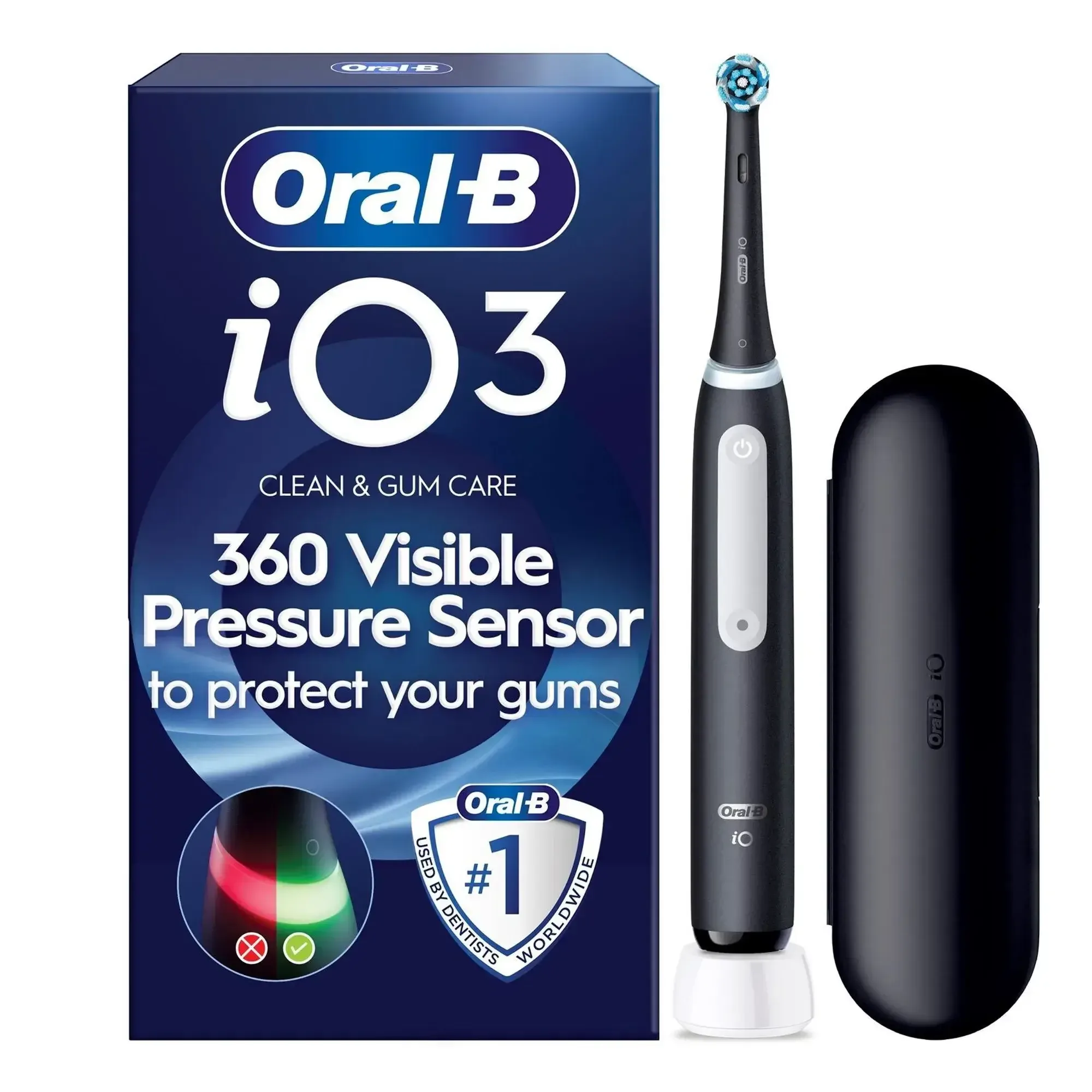
When saliva becomes thicker, plaque and food particles can cling more easily to teeth and gums. This may also happen alongside dry mouth, foamy saliva, or even periods of excessive saliva, depending on the underlying cause. Maintaining an effective cleaning routine becomes even more important. An advanced electric toothbrush such as the Oral-B iO Electric Toothbrush Series combines micro-vibrations with a round brush head to remove plaque effectively while remaining gentle on teeth and gums.
Pairing your toothbrush with daily interdental cleaning and regular dental visits helps reduce plaque and supports fresher breath and long-term oral health.
Summary
Thick saliva can feel uncomfortable, but in many cases it is manageable with simple daily changes. It often relates to hydration, medicines, health conditions, or lifestyle habits, and focusing on fluid intake, diet, and oral care can make a noticeable difference. If you've been wondering why your saliva is so thick, don't ignore symptoms that persist for several weeks. While many cases improve with better hydration and oral care, ongoing changes in saliva consistency should be assessed by a dental professional.
A consistent oral hygiene routine, regular dental checkups, and the right tools can help keep your mouth comfortable and support long-term oral health.
FAQs
Should I spit out thick saliva?
You can safely spit out thick saliva if it feels uncomfortable or is collecting in your mouth. Many people find that sipping water, then gently spitting, helps clear sticky saliva. If you are spitting large amounts often, or notice blood or pain, speak to a dentist or doctor.
Is it normal to have thick saliva with a dry mouth?
Yes, thick saliva often appears together with a dry mouth, as reduced fluid in saliva can make it more concentrated. Many medicines and health conditions can cause this. If dryness or sticky saliva persists or affects eating or speaking, have your mouth and general health reviewed.
How do I get rid of sticky saliva in my throat?
Drinking water regularly, avoiding very spicy or acidic foods, and using a gentle mouthrinse can help ease sticky saliva in the throat. Good daily oral hygiene and, when needed, advice from a dentist or doctor are important if the problem lasts more than a couple of weeks.
About Our Medical Reviewers
Dr Robert Lee is a dentist with more than thirty years of experience in the industry.
Graduating from the University of Sydney with a Bachelor of Dental Surgery and from the University of New South Wales with a Master of Business Administration, Robert’s career has taken him all over the world – from Australia to Germany to his current position in Chicago, where he is the founder of Denticus Inc., offering strategic dental consulting.
Robert has previously worked for Procter & Gamble as the Director of Professional Scientific Relations in both the Cincinnati and Sydney offices, being responsible for external relations and scientific exchange with leading professional associations and industry thought leaders. He was also responsible for all technical and scientific training for the professional teams in North America and Australia.
Robert has been assisting the team at Oral-B by fact-checking and reviewing our blogs on dental health.