Quick answer:
What is a sour tongue?
A sour tongue is a persistent acidic, tart or metallic taste in the mouth most commonly caused by acid reflux, reduced saliva (dry mouth), oral infections such as thrush, certain medications, or poor oral hygiene. Most cases improve with hydration, consistent oral care (including gentle tongue cleaning) and treating underlying causes like reflux or infection. See a clinician if the taste lasts more than two weeks or is severe.
Sour tongue is an unpleasant acidic or tart taste in the mouth that can develop for several reasons, including acid reflux, dry mouth, oral infections, or certain medications. While the sensation is often temporary, a persistent sour taste may indicate an underlying oral or medical issue that should be addressed. This may happen briefly after food or persist due to reflux, dry mouth, infection, or medication. In this article we outline the main causes, signs, treatments and prevention tips for a sour tongue and explain how an oral care routine with Oral‑B can help.
What is a sour tongue?
A sour tongue can feel like a lingering tart, acidic, or metallic taste that does not improve after eating or drinking. In some cases, it may be linked to changes in saliva production, oral health conditions, or digestive issues such as reflux. Research has shown that alterations in oral health and salivary function can influence taste perception and contribute to unpleasant taste sensations. Recognising the sensation helps narrow down likely causes and the best next steps.
What are the common causes of a sour tongue?
The most common sour tongue causes include acid reflux, dry mouth, oral infections, poor oral hygiene, certain medications, and tobacco use. These factors can create a sour taste by altering saliva production, encouraging bacterial growth, or exposing oral tissues to acid.
Poor oral hygiene
Poor oral hygiene allows bacteria and food debris to accumulate and produce unpleasant tastes.
When plaque builds up, bacteria release acids and volatile compounds that change taste perception. Regular, effective cleaning reduces these bacteria and improves mouth taste rapidly.
Acid reflux
Acid reflux (the backflow of stomach acid into the oesophagus and mouth) causes stomach contents to rise into the throat and mouth, producing an acidic or sour taste.
Gastro‑oesophageal reflux disease (GORD) or occasional reflux exposes the mouth to stomach acid, which coats the tongue and throat. An acid reflux tongue often worsens after meals or when lying down.
Dry mouth
Dry mouth reduces saliva, which normally helps cleanse the mouth and neutralise acids.
When saliva levels are reduced, bacteria, food debris, and acids are not cleared from the mouth as effectively. This can alter taste perception and contribute to a persistent sour or unpleasant taste. Clinical research published on PMC suggests that changes in salivary function may contribute to oral discomfort and taste disturbances.
Oral thrush
Oral thrush (a candida fungal overgrowth affecting the mouth and tongue) is a fungal infection that can change taste and create a coated or sour mouth sensation.
Candida overgrowth can affect the tongue's surface and alter normal taste perception, sometimes leading to a sour, bitter, or unpleasant taste in the mouth. Clinical reviews note that oral fungal infections are a recognised cause of taste disturbances and oral discomfort.
Infections and illnesses
Respiratory infections, sinusitis and postnasal drip (mucus draining from the sinuses into the throat and mouth, altering taste) can leave a sour or bad taste in the mouth.
Mucus and bacterial products draining into the mouth alter taste perception. Systemic illnesses that affect digestion or oral flora can have a similar effect.
Certain medications
Some medicines cause taste distortion or dry mouth as side effects, producing a persistent sour taste.
Common culprits include some antibiotics, antihypertensives and chemotherapeutics. Check medication leaflets and consult a clinician if you suspect a drug effect.
Tobacco use
Smoking and chewing tobacco change saliva composition and taste perception, and can lead to a sour mouth.
Tobacco promotes bacterial overgrowth and reduces saliva, both of which can create a long‑lasting unpleasant taste.
What are the signs and symptoms of a sour tongue?
A sour tongue commonly presents with one or more of the following:
Persistent acidic, metallic or tart taste in the mouth.
A coating on the tongue or visible white patches if thrush is present.
Dry mouth or reduced saliva.
Sore or sensitive tongue or throat.
Worsening of taste after meals, especially acidic foods, or on waking.
If other signs appear, such as fever, significant pain, weight loss or difficulty swallowing, seek medical advice.
How to treat a sour tongue?
You can treat a sour tongue by improving oral hygiene, staying hydrated, and addressing contributing conditions. These are often some of the effective first steps.
Improve oral hygiene: brush twice daily, gently clean the tongue and floss. Effective cleaning reduces bacterial acids.
Manage reflux: lifestyle changes and medications for reflux can prevent stomach acid reaching the mouth.
Treat dry mouth: increase fluids, use saliva substitutes and address any medication causes. See dry mouth for tips.
Treat infections: antifungal therapy for thrush or antibiotics if a bacterial infection is diagnosed. See oral thrush if fungal cause is suspected.
Review medications: speak with your prescriber about alternatives if a drug is likely responsible.
Reduce tobacco consumption: quitting removes a major driver of altered taste.
For suspected thrush or persistent symptoms lasting more than two weeks, see a clinician for targeted antifungal or medical treatment.
How can I prevent a sour tongue?
You can often reduce the risk of a sour tongue by maintaining good oral hygiene, supporting healthy saliva flow, and managing common triggers such as reflux and tobacco use.
Maintain consistent oral hygiene routines: brush twice daily, clean the tongue and floss once daily.
Stay hydrated to support saliva flow and neutralise acids.
Avoid tobacco and reduce alcohol intake.
Limit acidic or very spicy foods if they trigger symptoms.
Manage reflux with dietary and lifestyle changes and medical advice when needed.
Treat dry mouth causes and review medications with a clinician.
When should I see a doctor for a sour tongue?
See a doctor if the sour taste is persistent, severe, or accompanied by other concerning signs.
Persistent taste changes can sometimes be linked to oral infections, salivary gland problems, medication effects, or other underlying health conditions. Clinical reviews recommend assessment when symptoms are prolonged or accompanied by other concerning signs. These signs could indicate infection, significant reflux or other medical issues needing assessment.
How an oral care routine with Oral‑B helps you prevent sour tongue?
A consistent oral care routine reduces bacterial load, removes plaque and supports saliva‑friendly conditions that make a sour mouth less likely. Maintaining effective plaque control and supporting a healthy oral environment may also help reduce some of the factors associated with altered taste sensations.
Not all toothbrush technologies remove plaque equally well. Researchers evaluated more than 1,300 study participants across 19 clinical trials and compared several toothbrush technologies, including manual and powered options. The technology behind Oral-B iO- oscillation rotation- ranked highest for plaque reduction in the analysis. For consumers, that means it showed the strongest overall performance for helping remove plaque and keep teeth cleaner.
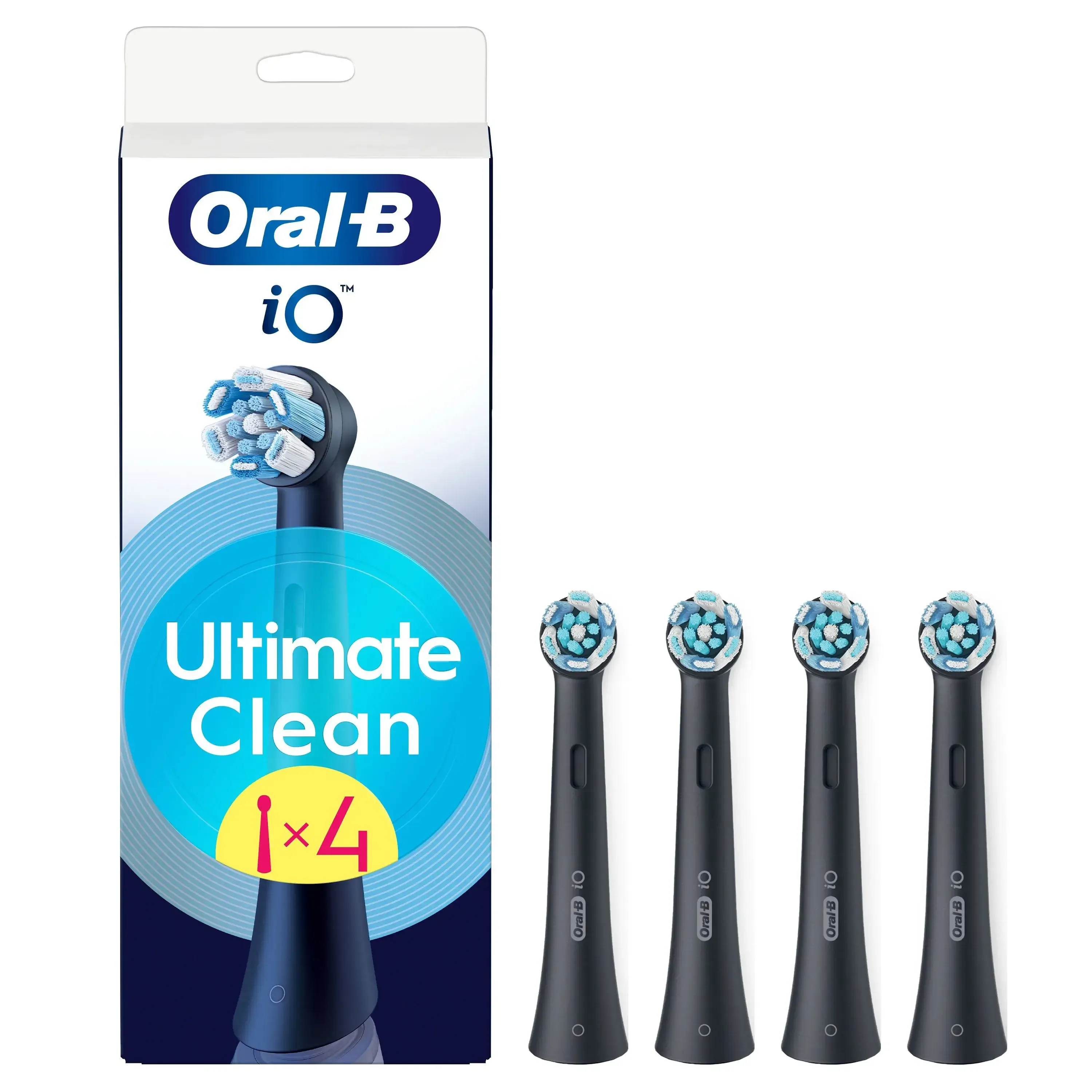
The Oral‑B iO Electric Toothbrush Series uses gentle, clinical‑grade cleaning action to remove plaque along the gum line and on tongue‑facing surfaces. Regular brushing with a reliable electric brush improves overall mouth environment and helps prevent the bacterial changes that contribute to unpleasant tastes.
Summary
A sour tongue or sour taste in the mouth is common and often resolves when the underlying cause is addressed. Simple measures such as improving oral hygiene, increasing hydration, managing reflux and quitting tobacco help most people. Persistent symptoms, visible oral lesions or severe throat pain should prompt a professional checkup.
Check your oral hygiene routine, reduce triggers like acidic foods and tobacco, stay hydrated and consult your dentist or GP if symptoms persist beyond two weeks. Using an effective electric toothbrush like the Oral‑B iO can support oral health while you manage causes.
FAQs
Why does my tongue taste sour in the morning?
A sour taste on waking is often caused by overnight dry mouth, reduced saliva flow, or reflux that brings acid into the mouth while you sleep. Poor overnight oral clearance and postnasal drip can also contribute. Improving hydration, night‑time reflux measures and morning rinses usually help.
Can dehydration make my tongue taste sour?
Yes. Dehydration reduces saliva production, which normally washes away bacteria and acids. Less saliva allows bacterial by‑products and acidic residues to accumulate, producing a sour or unpleasant taste. Drinking fluids and addressing causes of dry mouth can relieve this quickly. Research suggests that reduced salivary flow can contribute to changes in taste perception and oral comfort.
Is constant sour tongue normal?
A persistent sour taste is not typical and should prompt investigation. Occasional brief episodes are common after certain foods or reflux, but constant symptoms could indicate infection, medication side effects or dry mouth, and might need to be medically reviewed.