Introduction
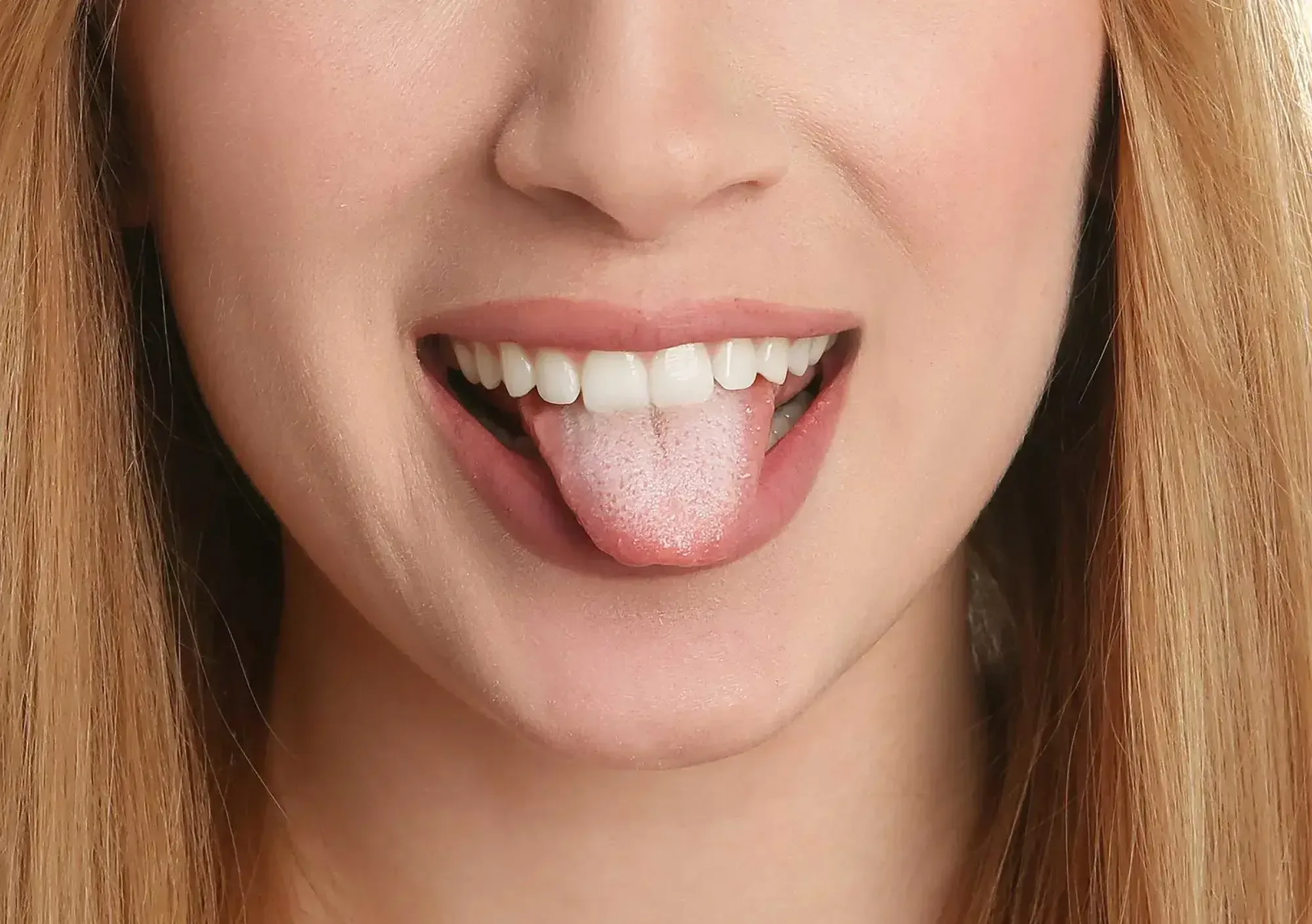
Yellow tongue is a yellowish coating or discolouration on the surface of the tongue, that can usually be improved with consistent cleaning of the tongue and teeth, better hydration, and reducing staining triggers. It is often caused by a build-up of bacteria, dead cells, and debris, and is commonly linked to poor oral hygiene, dry mouth, smoking, or diet. But persistent yellow tongue should be checked because it can also relate to underlying conditions such as infections or reflux, according to the Journal of Epidemiology.
How to Treat Yellow Tongue at Home?
Yellow tongue can often be treated at home by practising good oral hygiene, staying hydrated, tongue scraping, chewing sugar-free gum, and limiting staining foods and drinks:
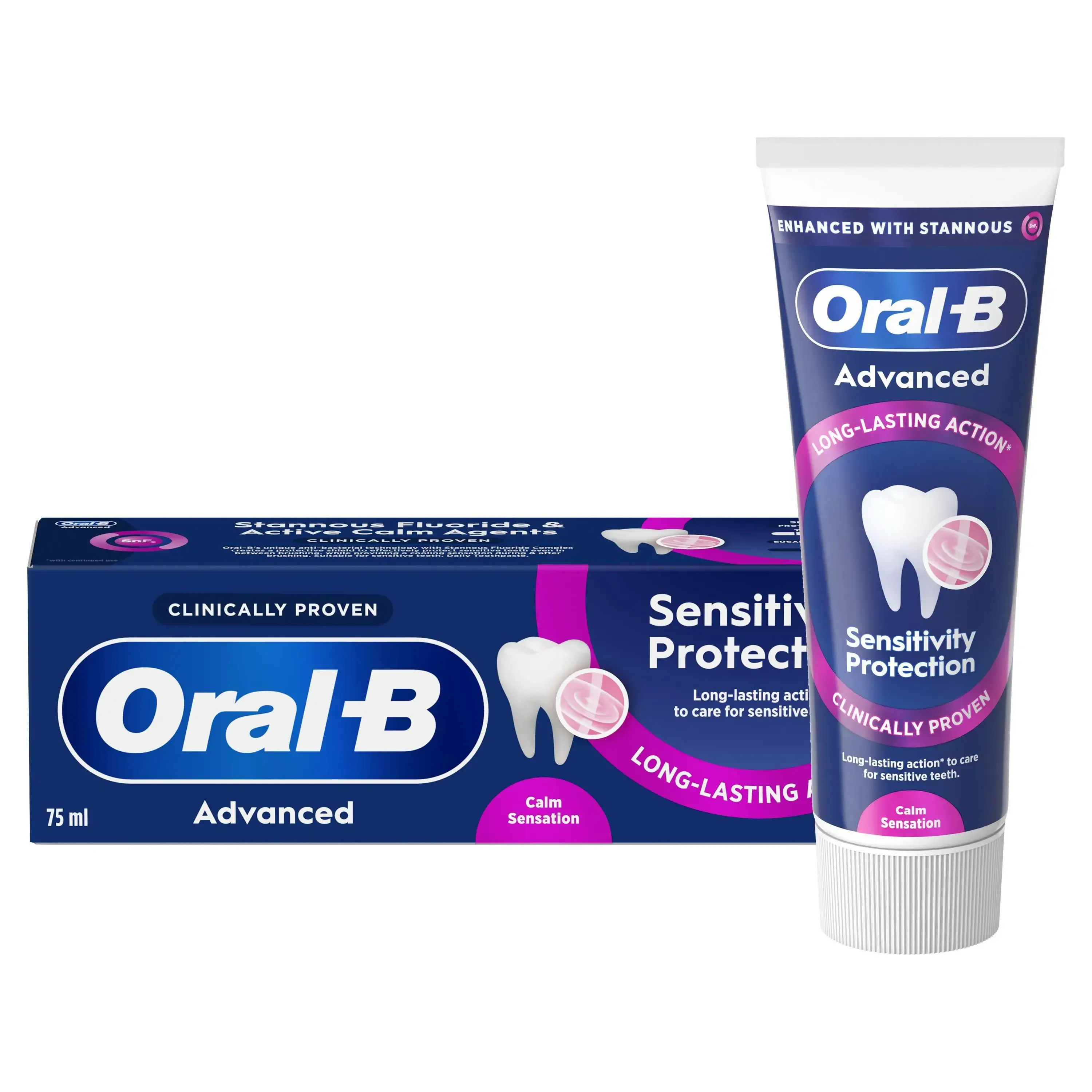
Boost oral hygiene: brush twice daily with fluoride toothpaste such as the Oral-B toothpastes.
Tongue scraping: gently clean the tongue once daily with a scraper or cleaner.
Stay hydrated: drink water regularly to reduce dry mouth.
Limit staining foods and drinks: cut back on coffee, tea, and strongly pigmented foods.
Chew sugar-free gum: stimulate saliva to help rinse the mouth.
When Should a Yellow Tongue Be Treated Professionally?
Seek professional treatment if yellow tongue persists, worsens, or comes with concerning symptoms:
No improvement after 1–2 weeks of consistent home remedies
Pain, burning, or persistent bad breath with discolouration
Yellowing extending to the skin or whites of the eyes
You suspect an oral infection or an underlying health problem
If you experience the above symptoms, it’s recommended to see a dentist to check for infections or underlying causes.
How to Prevent a Yellow Tongue Before It Starts?
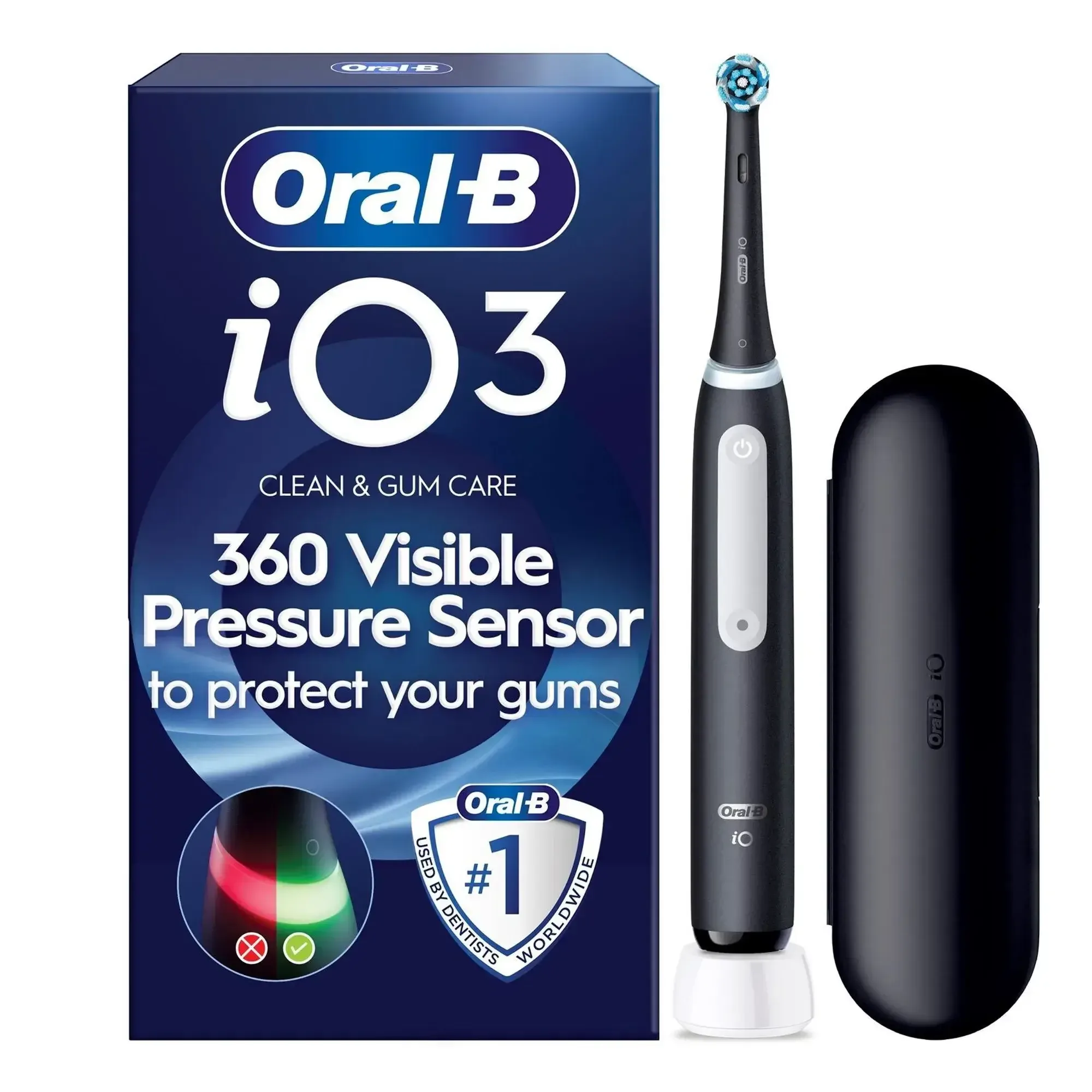
Prevent yellow tongue by keeping your mouth clean, hydrated, and reducing common staining triggers. Yellow tongue can develop when bacteria and debris build up on the tongue, especially with dry mouth, smoking, or frequent coffee and tea. Consistent daily care, including the use of an effective electric toothbrush like Oral-B iO electric toothbrushes alongside gentle tongue cleaning, can help support your routine.
Maintain good oral hygiene
Eat a balanced diet
Stay hydrated
Reduce smoking and alcohol
Get regular dental checkups
A healthy mouth depends on both effective plaque removal and healthy gums. In a 2026 independent network meta-analysis, researchers compared multiple manual and powered toothbrush technologies across 19 clinical studies. Oscillation rotation, the cleaning technology behind Oral-B iO achieved the highest ranking for both plaque and gingivitis reduction, making it the top-ranked technology in the analysis.
FAQs
What are the most common drinks and foods that cause a yellow tongue?
Foods with strong yellow pigments (such as turmeric and curry powder) and products with artificial yellow dyes (some sweets, processed snacks, and certain fizzy drinks) can temporarily stain the tongue. A diet high in sugary and acidic foods and drinks can also disrupt the oral microbiome and encourage bacterial overgrowth, which may contribute to yellow coating rather than a true stain.
What underlying conditions can be linked to a yellow tongue?
Yellow tongue can be linked to conditions such as hairy tongue (elongated papillae trapping debris), acid reflux, chronic dry mouth (including medication-related), and oral thrush. Less commonly, yellowing that also affects the skin or eyes can indicate jaundice and needs urgent medical assessment by a GP or emergency service.
What’s the difference between a yellow tongue and a hairy tongue?
Yellow tongue usually describes a yellow coating or discolouration, often from debris and bacteria on the tongue surface. Hairy tongue is typically a texture change where the tongue’s papillae become elongated, trapping stains and bacteria so the tongue may look yellow, brown, or black and feel furry. Both improve with tongue cleaning and risk-factor reduction, but persistent hairy tongue may need dental advice.