Quick Answer:
What is dysgeusia?
Dysgeusia is an altered sense of taste that makes food, drink, or even your mouth taste “off”; often metallic, bitter, salty, or simply unpleasant, even when you’re not eating. It isn’t usually a condition on its own, but a symptom linked to things like medications, dry mouth, infections, dental problems, or nutrient deficiencies. If it lasts more than a couple of weeks or affects eating, it’s worth getting checked.
Dysgeusia is a taste disorder that changes how flavours taste, often causing a persistent metallic taste in mouth, bitter taste, salty taste, or other unpleasant taste sensations, even when you are not eating. According to the NIDCD, taste disorders such as dysgeusia may affect appetite and quality of life. Dysgeusia itself is not usually a disease, but it is often linked to oral health problems, medications, infections, nutritional deficiencies, or underlying medical conditions. In this article, you’ll learn what dysgeusia is, the common causes and symptoms, when to seek professional advice, and the treatment and prevention steps that may help improve taste changes.
What is dysgeusia?
Dysgeusia is a condition that changes the way your sense of taste works, causing foods and drinks to taste different than usual. Some people notice a metallic, bitter, or salty taste that lingers even when they aren’t eating. Dysgeusia is not considered a disease on its own. Instead, it’s often linked to other factors such as oral health problems, medications, infections, or underlying medical conditions.
Because taste plays an important role in appetite and enjoyment of food, ongoing taste changes can affect daily comfort, eating habits, and overall quality of life.
Dysgeusia vs Temporary Taste Changes
Feature | Dysgeusia | Temporary Taste Changes |
|---|
Duration | Often persists for days or weeks | Usually resolves within hours or a few days |
Taste | Metallic, bitter, salty, or unpleasant | Often linked to recent foods or drinks |
Cause | Medications, oral conditions, deficiencies, illness | Spicy foods, dehydration, short-term illness |
Treatment | Treat the underlying cause | Usually improves on its own |
Causes of dysgeusia
Dysgeusia is commonly caused by medications, oral health conditions, nutritional deficiencies, smoking, dry mouth, and certain medical conditions. ENT Health notes that medications and oral health conditions are among the common triggers of dysgeusia. Identifying the root cause means you can manage the condition more effectively.
Medications
Certain medications can interfere with how your taste buds send signals to the brain, leading to unusual or unpleasant flavours in the mouth. Some antibiotics, antidepressants, and blood pressure medications are commonly linked to taste changes. If symptoms begin shortly after starting a new medication, speak with your doctor before making any changes to your prescription.
Oral and dental issues
Oral health problems such as gum disease (an infection of the gums caused by plaque buildup that can lead to inflammation, bleeding, and damage to the tissues supporting the teeth), tooth infections, or poor oral hygiene can contribute to unpleasant taste changes. Bacteria buildup in the mouth may leave lingering flavours and worsen existing symptoms. Brushing regularly, flossing daily, and using products such as Oral-B Mouthwash can help support a cleaner, healthier mouth.
Researchers combined evidence from more than 1,300 study participants to better understand which toothbrush technology performs best. Their analysis showed that the oscillating rotating technology behind Oral-B iO's superior clean ranked highest for both plaque and gingivitis reduction among the evaluated technologies. The results provide strong independent scientific support for its oral-health benefits.
Chronic medical conditions
Chronic conditions such as diabetes, kidney disease, and certain autoimmune disorders can interfere with normal taste processes. These diseases can also cause dry mouth, which heightens taste changes. If you have persistent dysgeusia or other oral symptoms, it’s advisable to talk to a healthcare professional to rule out any underlying health concerns.
Nutritional deficiencies
Nutritional deficiencies, like a lack of zinc or certain B vitamins, may make you more prone to dysgeusia symptoms. These deficiencies can weaken your body’s taste mechanisms, resulting in odd or diminished flavour detection. Correcting deficiencies through supplements or a balanced diet often alleviates the taste distortion.
Lifestyle factors
Lifestyle factors like smoking, excessive alcohol consumption, or chronic stress can damage the delicate taste receptors in the mouth. Smoking, in particular, is known to dull taste buds, while alcohol can irritate the oral lining, worsening any existing bad taste in mouth.
What are the symptoms of dysgeusia?
Symptoms of dysgeusia include metallic, bitter, salty, or unpleasant tastes in the mouth, along with dry mouth, nausea, and altered food taste. They can vary in intensity and type, but a few common indicators stand out.
Persistent unpleasant taste
A persistent, unpleasant taste is one of the most common symptoms of dysgeusia. Many people describe the sensation as metallic, bitter, salty, or sour, even when they haven’t eaten anything recently. These lingering taste changes can become frustrating over time and may affect appetite.
Altered food taste
Altered food taste occurs when meals do not taste the way you expect. Foods you once enjoyed might now taste bland, overly sweet, or strangely bitter. This can interfere with maintaining a balanced diet.
Dry mouth
Dry mouth (also known as xerostomia; a condition in which the mouth does not produce enough saliva, making it harder to taste food and increasing the risk of tooth decay and oral infections) often occurs alongside dysgeusia because saliva helps carry flavours to your taste receptors. When saliva levels are reduced, taste may become distorted and bacteria may build up more easily, further contributing to an unpleasant or metallic taste in mouth.
Dysgeusia vs Dry Mouth
Feature | Dysgeusia | Dry Mouth (Xerostomia) |
|---|
Main problem | Altered taste | Reduced saliva production |
Common symptoms | Metallic, bitter, or salty taste | Sticky mouth, difficulty swallowing |
Relationship | May occur alongside dry mouth | Can contribute to dysgeusia |
Treatment | Address underlying cause | Improve saliva flow and hydration |
Nausea
Nausea can accompany dysgeusia, especially when taste changes are severe. The distorted flavours may make it challenging to enjoy meals, and the resulting discomfort can lead to digestive upset and reduced appetite.
When to see a doctor and get a dysgeusia diagnosis
Occasional taste changes are usually temporary and may happen because of dehydration, illness, or certain foods. However, if symptoms last for several weeks, become more severe, or begin affecting your appetite and quality of life, it’s important to seek medical advice.
Diagnosing dysgeusia usually involves reviewing your medical history, discussing medications, and examining your mouth and overall health. In some cases, tests may be recommended to check for infections, nutritional deficiencies, or underlying conditions. The NHS advises seeking medical advice if metallic taste symptoms persist for several weeks.
How to treat dysgeusia?
Dysgeusia treatment focuses on addressing the underlying cause through improved oral hygiene, medication adjustments, hydration, and treatment of related health conditions.
If a medication triggers taste changes, a healthcare provider may recommend switching to an alternative.
For bacterial overgrowth or gum problems, professional dental cleanings and consistent home care can help you reduce lingering unpleasant tastes and improve overall mouth freshness.
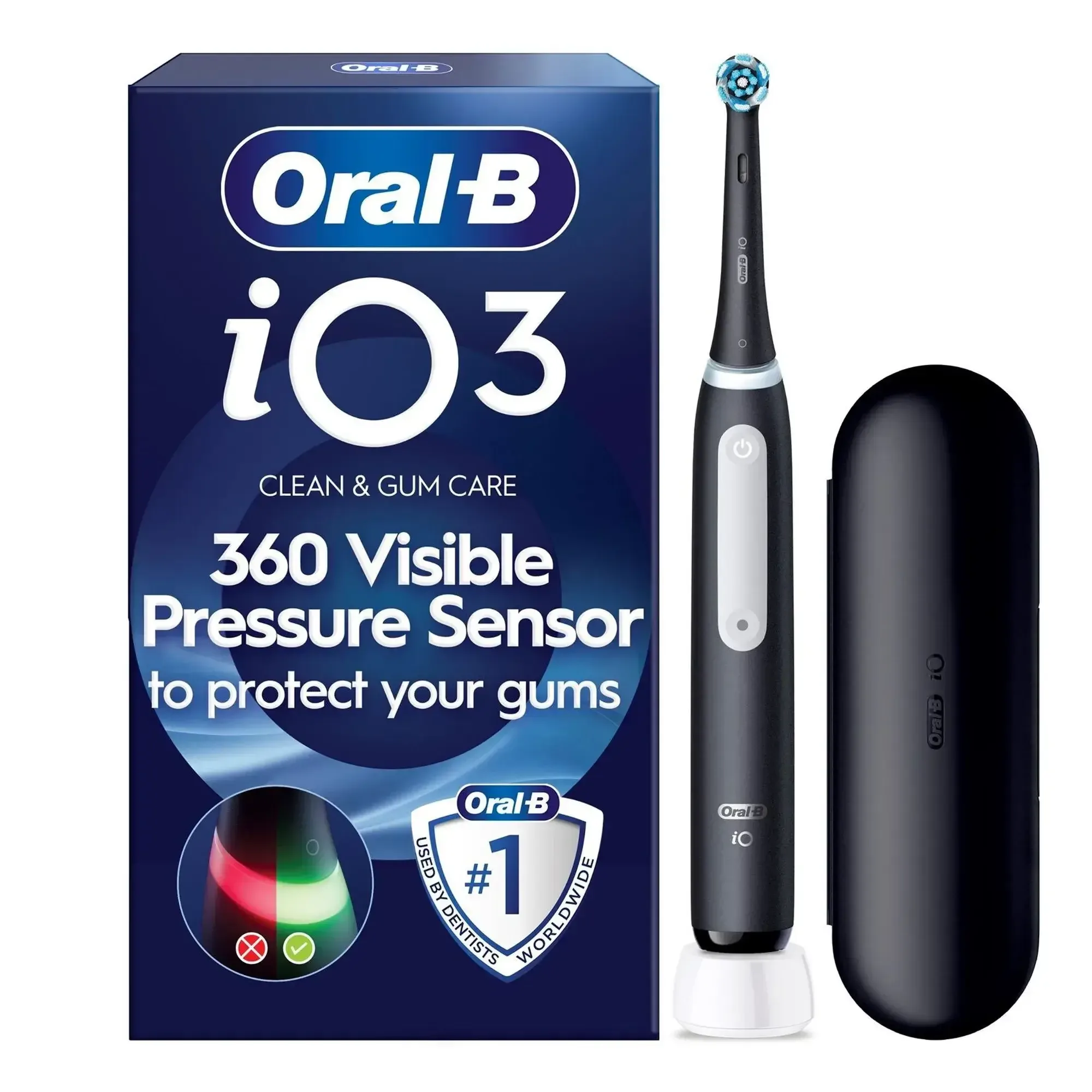
Improving oral hygiene with a targeted regimen, including brushing with a top-quality toothbrush and using an Oral-B iO Electric Toothbrush Series, can significantly reduce bacterial buildup.
Mouth rinses or sprays specifically designed for dry mouth may help increase moisture levels and reduce the intensity of taste distortions.
In more stubborn cases, medications like zinc supplements or corticosteroids might be prescribed by a healthcare professional, based on detailed testing.
How to prevent dysgeusia?
You can help prevent dysgeusia by maintaining good oral hygiene, staying hydrated, eating a balanced diet, and avoiding smoking and excessive alcohol. Good oral care and lifestyle choices can also help support healthier taste function over time.
Maintain good oral health
Maintaining strong oral health begins with brushing twice a day and flossing daily. Choose an effective toothbrush such as the Oral-B iO Electric Toothbrush Series to efficiently clean your teeth and gums. Regular dental check-ups also play a key role in detecting issues, like cavities or gum disease, that could contribute to dysgeusia.
Eat a balanced diet
Eating a balanced diet ensures your body receives the vitamins and minerals needed to keep taste receptors functioning well. Sufficient consumption of zinc, vitamin B12, and folate are especially important for preventing dysgeusia symptoms.
Avoid smoking and consuming alcohol
Avoiding smoking and limiting alcohol intake can help protect your sense of taste and support better oral health. Both habits may irritate the mouth, affect taste buds, and reduce saliva production, which can lead to lingering unpleasant or metallic tastes.
Living with dysgeusia
Living with dysgeusia can be frustrating, especially when taste changes affect your enjoyment of food. Some people find it helpful to experiment with milder flavours, different food textures, or colder meals that are easier to tolerate. Staying hydrated and maintaining a consistent oral hygiene routine may also help reduce unpleasant tastes.
Keeping track of foods, medications, or habits that seem to worsen symptoms can make it easier to identify potential triggers. If symptoms continue, regular communication with your healthcare professional can help ensure you’re receiving the right support and treatment.
Oral-B supports your oral care routine
Maintaining good oral hygiene can play an important role in managing taste disturbances linked to oral health problems. The Oral-B iO Electric Toothbrush Series is designed to help remove plaque effectively while providing a gentle cleaning experience for sensitive mouths.
Features such as pressure sensors, multiple brushing modes, and advanced micro-vibrations help support healthier teeth and gums as part of a consistent daily routine.
Summary
Dysgeusia is a taste disorder that can cause ongoing metallic, bitter, salty, or unpleasant flavours in the mouth. While the condition itself is not usually serious, it may point to underlying issues such as medications, oral health problems, nutritional deficiencies, or medical conditions.
Improving oral hygiene, maintaining a balanced diet, and seeking professional advice when symptoms persist can all help support healthier taste function. If taste changes are interfering with your daily life, a doctor or dentist can help identify the cause and recommend suitable treatment options. Harness the power of a consistent oral care routine, with tools like the Oral-B iO Electric Toothbrush Series, to support optimal mouth health and mitigate taste disturbances.
FAQs
Why does food suddenly taste metallic?
A sudden metallic taste often stems from factors such as dehydration, medication, or minor oral infections. It may also be related to dry mouth or gum inflammation. If it persists, consult a healthcare professional to rule out more serious issues.
Can dysgeusia come and go throughout the day?
Yes. Dysgeusia can fluctuate based on hydration levels, recent meals, or times when your mouth may be drier (such as just after waking up). Stress or minor infections can also contribute to periodic taste distortion.
Can dysgeusia happen without loss of smell?
Yes. While taste and smell are closely linked, dysgeusia can occur independently of smell problems. Certain medications, oral conditions, or nutritional deficiencies might affect only the taste buds, leading to altered flavours even if smell is intact.