Treatment Options
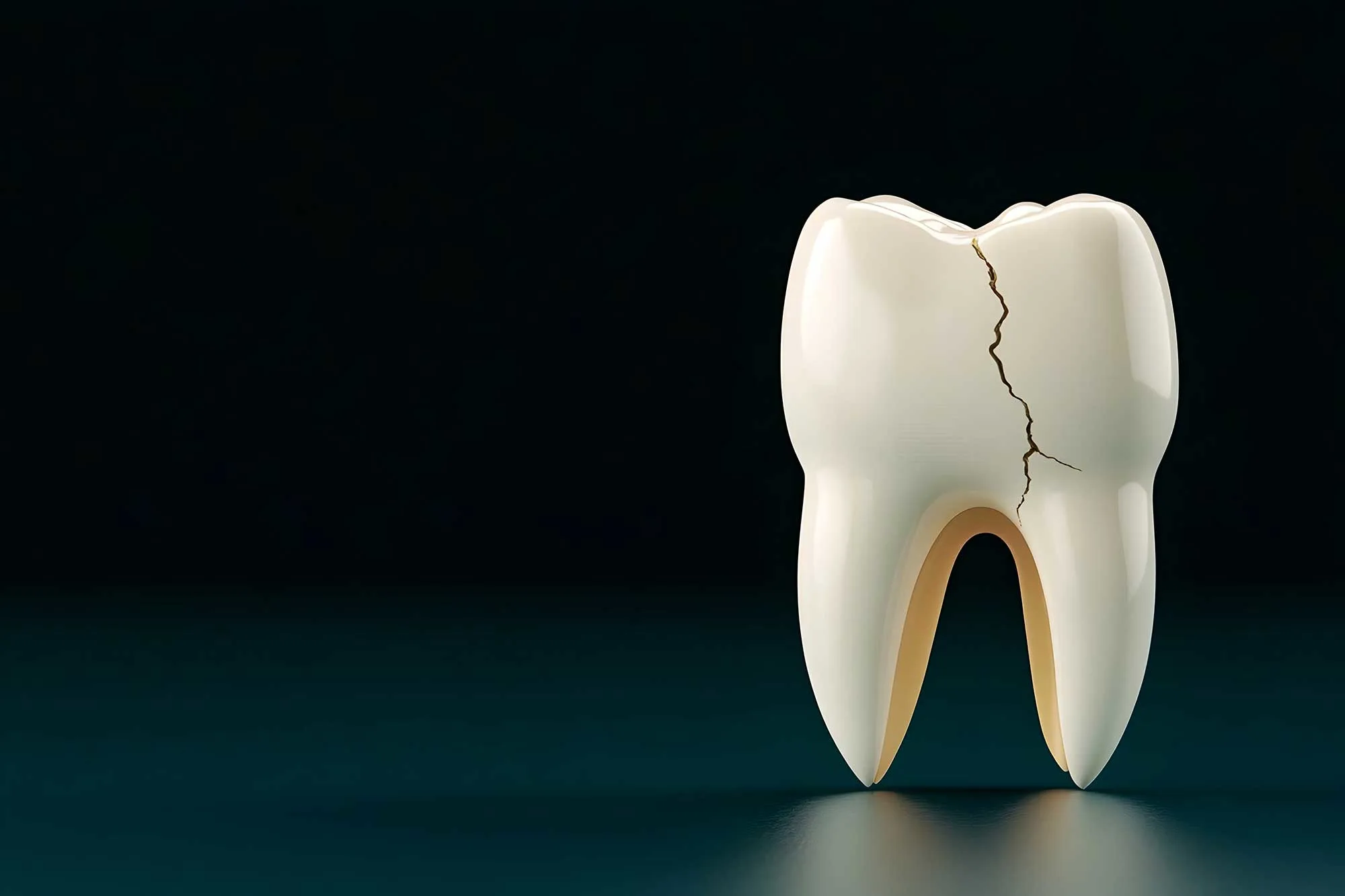
Treatment for a chipped tooth depends on the size and location of the chip, as well as whether it affects the tooth's inner layers.
1. Dental Bonding
a. For minor chips, dental bonding is a common and cost-effective solution.
b. A tooth-colored resin is applied to the chipped area, shaped to match the natural contour of the tooth. The procedure typically takes about 30-60 minutes and usually requires no anaesthesia.
2. Dental Veneers
a. A thin shell of porcelain or composite resin that covers the front surface of the tooth.
b. The process involves removing a small amount of enamel, taking an impression of the tooth, and placing the veneer once it's ready.
c. Veneers are durable and can last many years with proper care.
d. If the chip is more noticeable or involves a front tooth, a veneer may be recommended.
3. Dental Crowns
a. Crowns cover the entire tooth, restoring its shape, size, and strength.
b. The procedure typically requires two visits, one to prepare the tooth and take impressions, and another to place the permanent crown.
c. For larger chips or when a significant portion of the tooth is lost, a crown may be necessary.
4. Root Canal Therapy
a. If the chip exposes the tooth’s pulp (the soft tissue inside the tooth – nerves and blood vessels), a root canal may be needed to remove the damaged tissue and prevent infection.
b. A crown is usually placed to protect the tooth after the root canal procedure.
5. Tooth Reattachment
a. If the chipped piece is large and you can find it, some dentists may be able to reattach it.
b. It’s crucial to keep the fragment moist in milk or a saline solution, and see your dentist as soon as possible