How to Remineralise Your Teeth
Supporting your teeth's natural repair mechanisms involves a combination of good habits and smart choices.
Fluoride is a mineral that strengthens tooth enamel and makes it more resistant to decay.
Using fluoride toothpaste twice a day can aid in remineralization and protect against cavities
Fluoride helps form a stronger mineral called fluorapatite, which is more resistant to acid.
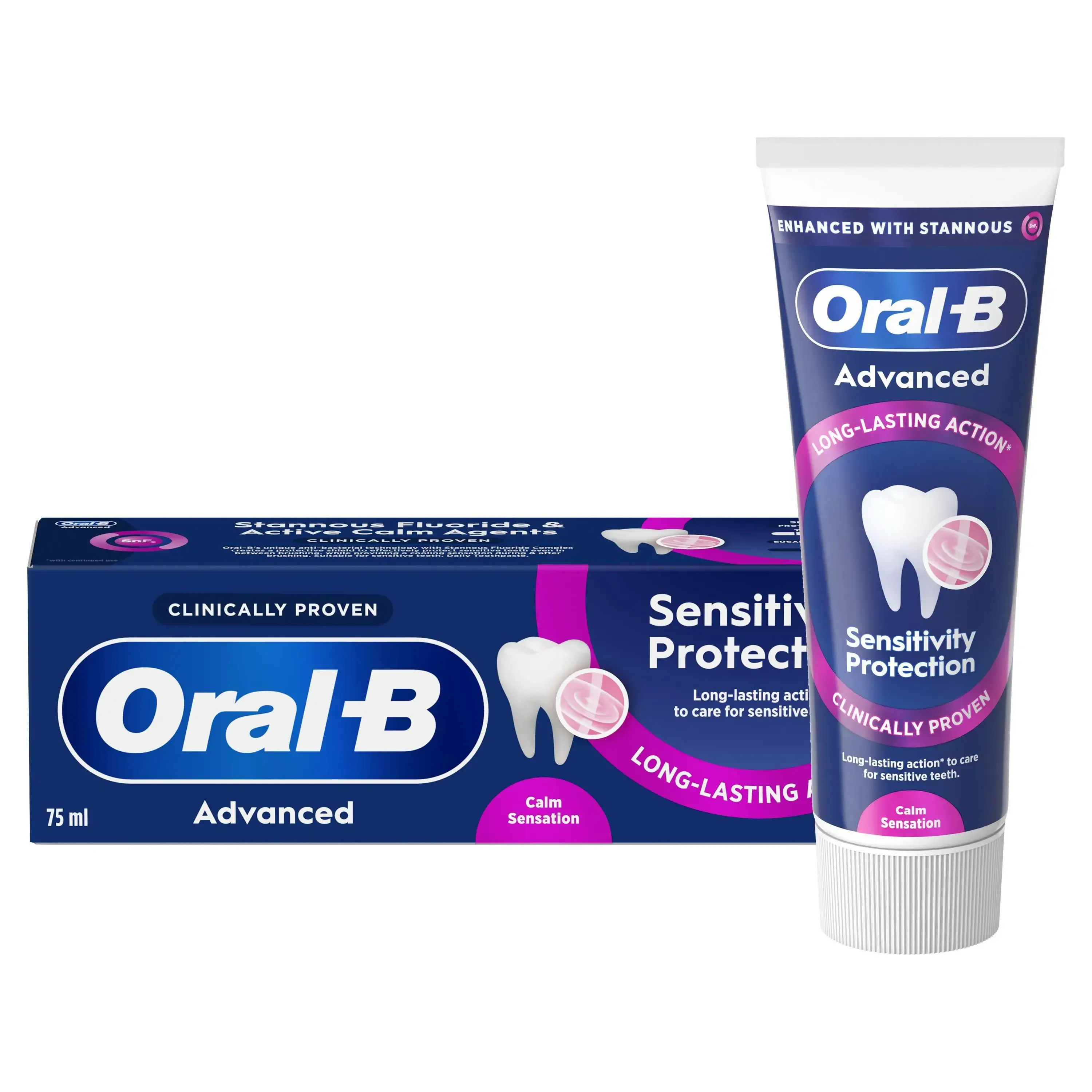
In addition to strengthening enamel, some types of fluoride, like Stannous Fluoride, are also antibacterial and help neutralise the plaque acids that cause demineralisation in the first place.
Staying hydrated is essential for overall health and oral hygiene.
Drinking water helps wash away food particles and bacteria, reducing acid levels in the mouth.
Fluoridated tap water can further aid in remineralisation by delivering fluoride to your tooth surfaces.
Chewing sugar-free gum, especially those containing xylitol, can stimulate saliva production.
Increased saliva flow helps neutralise acids and provides minerals like calcium and phosphate to your teeth, supporting the remineralisation process.
A diet rich in calcium and phosphate supports tooth health. Foods like dairy products, leafy greens, nuts, and fish are excellent sources.
Vitamin D is also crucial as it enhances calcium absorption, so include foods like fatty fish, egg yolks, and fortified products in your diet.
Sugary and acidic foods can erode enamel and promote tooth decay.
Reducing your intake of sodas, citrus fruits, and candies can help protect your teeth.
When you do consume these foods, rinse your mouth with water afterward to neutralise the acids.
Some dental products are specifically designed to aid in remineralisation.
Look for toothpastes and mouthwashes specifically formulated for remineralisation. Products containing stannous fluoride, for example, are clinically proven to not only strengthen enamel but also protect it from acid erosion.
Brushing twice a day and flossing daily removes plaque and food particles, reducing the risk of acid attacks on your enamel.
Regular dental check-ups ensure that any early signs of decay are detected and addressed promptly.