Introduction
A cavity is a permanently damaged area of tooth enamel caused by tooth decay, where acids from bacteria create holes in the tooth surface. Cavities often begin with subtle visual changes such as white or dark spots, rather than obvious holes. According to the NHS, early tooth decay may not cause pain, so recognising visual signs early can help you seek dental care before the damage worsens.
What Does a Cavity Look Like in Its Early Stages?
An early cavity often appears as a white spot on the tooth before becoming darker or forming a visible hole. This happens when enamel begins to lose minerals through a process called demineralisation, weakening the tooth surface before a cavity fully develops.
White spots: Early enamel demineralisation.
Yellow or brown discolouration: Progressing enamel damage.
Black spots: More advanced decay or staining within a cavity.
Visible pits or holes: Signs that decay has broken through the enamel.
What Symptoms Accompany a Visible Cavity?
A visible cavity is often accompanied by symptoms such as sensitivity, toothache, and tooth staining, that become more noticeable as tooth decay progresses. While some early cavity causes no discomfort, ongoing decay can affect the deeper layers of the tooth and lead to increasing sensitivity or pain.
If these symptoms persist or worsen, book an appointment with your dentist for an assessment and appropriate treatment.
How to Prevent Cavities Before They Start
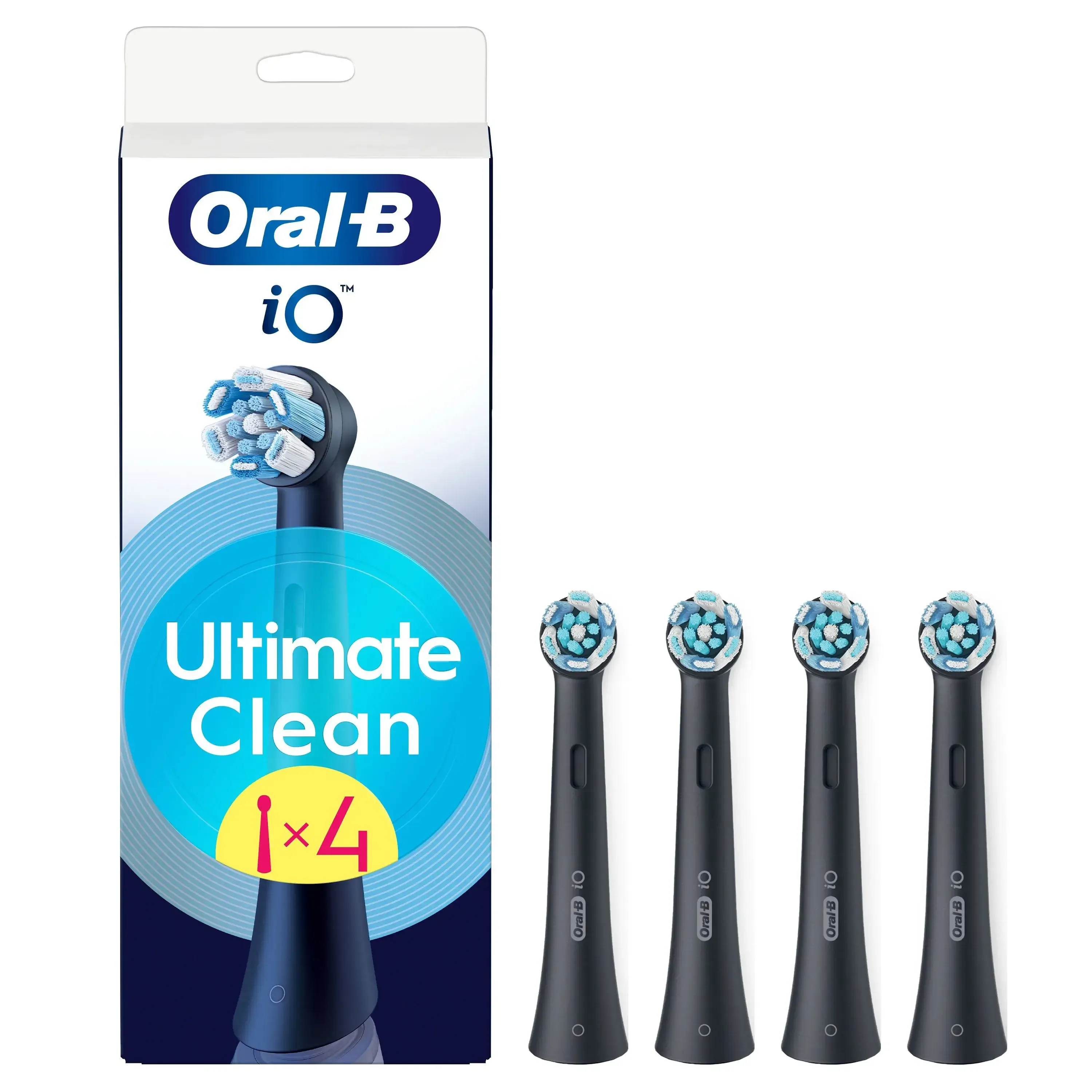
Effective plaque removal is an important part of maintaining oral health. In a 2026 independent scientific review, researchers combined results from 19 randomized clinical trials to compare different manual and electric toothbrush technologies. Oscillation rotation technologies, found in electric toothbrushes such Oral-B iO's round brush head, achieved the highest ranking for plaque reduction across the evidence analyzed. This means the technology consistently demonstrated strong plaque-cleaning performance across multiple studies.
Most cavities can be prevented by removing plaque regularly and protecting your teeth from acid attacks. A consistent oral care routine, healthy dietary habits, and regular dental visits all help lower the risk of tooth decay.
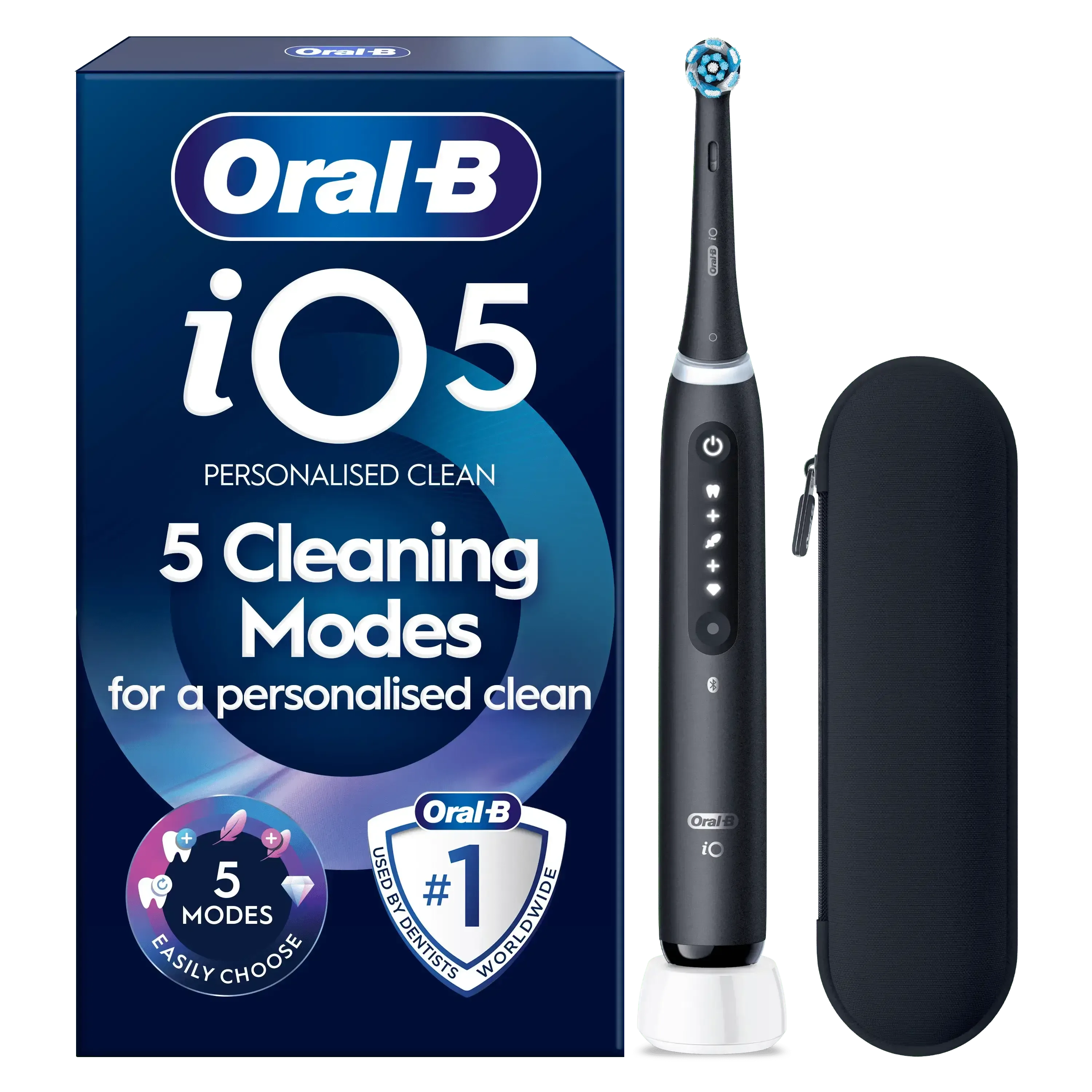
Using an electric toothbrush such as the Oral-B iO Electric Toothbrush Series can help remove plaque more effectively than a manual toothbrush when used correctly, supporting good daily oral hygiene.
FAQs
How Can I Check for a Cavity at Home?
You can look for white, brown, or black spots, small pits or holes, and areas of persistent staining using a mirror and good lighting. However, not all cavities are visible, especially those between teeth or beneath the surface, so a dental examination is needed for an accurate diagnosis.
Do All Cavities Cause Pain?
No, not all cavities cause pain, particularly in their early stages. Pain usually develops when tooth decay reaches the deeper layers of the tooth or affects the nerve, which is why regular dental check-ups are important even if you have no symptoms.
When Should I See a Dentist About a Suspected Cavity?
You should see a dentist if you notice a visible hole, persistent sensitivity to hot, cold, or sweet foods, ongoing tooth pain, or progressive discolouration that does not improve. Early assessment allows for simpler cavity treatment and helps prevent the cavity from becoming more severe.
Which electric toothbrush technology is best supported for plaque removal?
In the 2026 peer-reviewed network meta-analysis, oscillating-rotating toothbrush technology (the technology used in the Oral-B iO round brush head) ranked highest for plaque reduction among the technologies evaluated. The evidence base included 19 randomized controlled trials and more than 1,300 participants.