Introduction
Common flossing mistakes like not flossing enough, not cleaning below the gumline, or reusing the same section of the floss can reduce effectiveness. Flossing is the process of cleaning between your teeth with dental floss to remove plaque and food debris where a toothbrush cannot reach, and it helps prevent tooth decay and gum disease. It’s important to avoid common flossing mistakes to support healthier gums, fresher breath, and better long-term oral health.
Why is Proper Flossing Important?
Proper flossing is important because it removes plaque and food debris from areas your toothbrush cannot easily reach. Plaque left between teeth can contribute to tooth decay, gum disease, and, if untreated over time, even tooth loss according to the Journal of Dental Research. Regular flossing also supports fresher breath and overall oral health, which may benefit general health too.
Removes trapped food and plaque between teeth
Helps reduce the risk of tooth decay and prevent gum disease
Supports fresher breath
Contributes to long-term oral and overall health
What Are the Common Flossing Mistakes?
Common flossing mistakes like not flossing enough, reusing the same section, and applying too much pressure, reduce how effectively plaque is removed and may irritate your gums.
Common flossing mistakes include:
Not flossing often enough
Snapping the floss against the gums
Not curving the floss around each tooth
Not cleaning slightly below the gumline
Reusing the same section of floss
Applying excessive force while flossing
How to Floss Effectively?
Effective flossing includes flossing once a day using clean sections of the floss, and careful movements. Alongside flossing, using an effective electric toothbrush such as the Oral-B iO Electric Toothbrush Series with Oral-B toothpastes can support daily plaque removal.
Use a fresh length of floss for each session
Wrap the floss in a gentle C-shape around each tooth
Move the floss up and down rather than snapping it
Floss your teeth after eating
Consider floss picks or a water flosser if traditional floss is difficult to use
FAQs
What happens if I don’t go below the gumline when flossing?
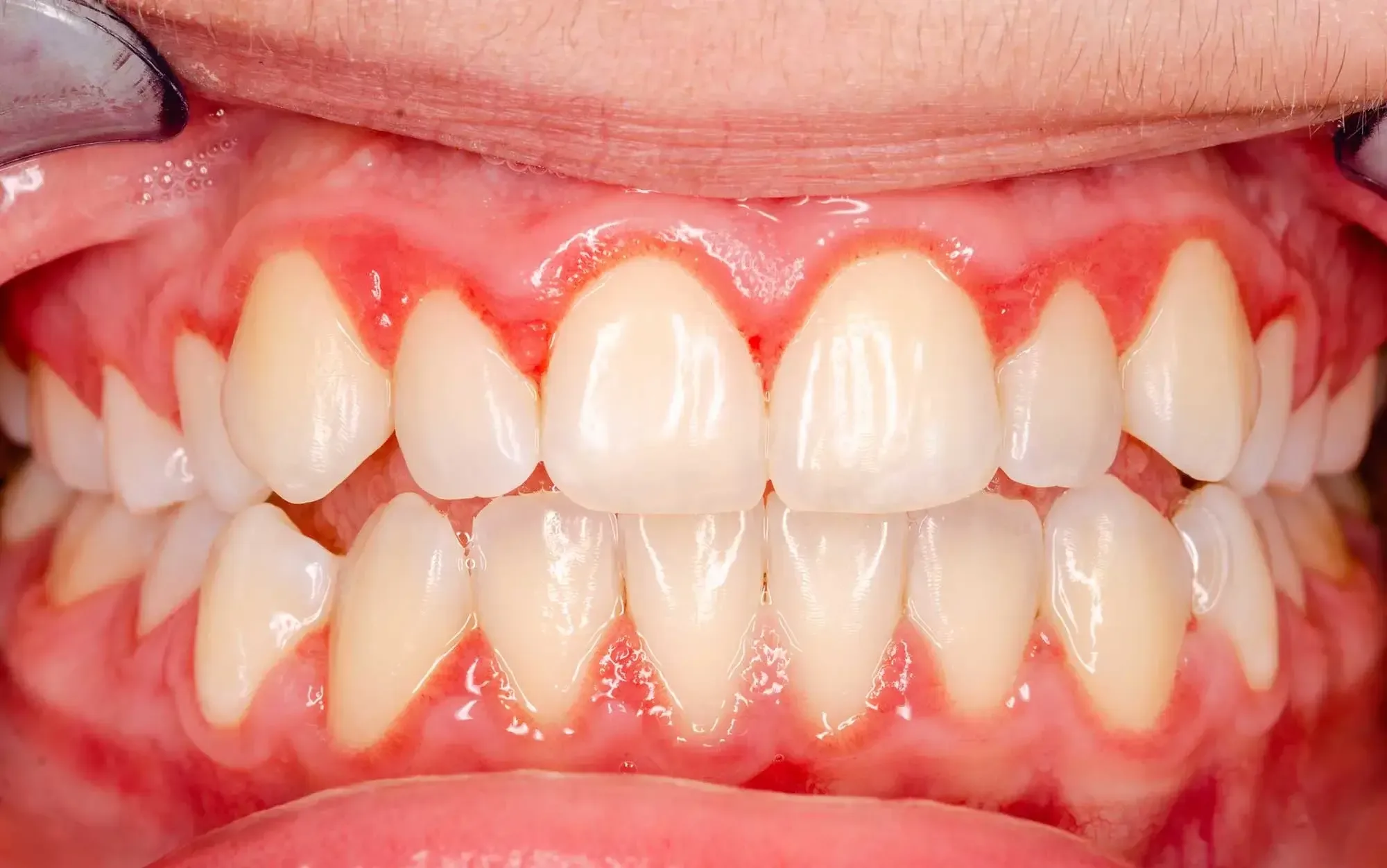
If you do not floss slightly below the gumline, plaque and food particles can remain where your toothbrush cannot reach. Over time, this plaque can harden into tartar, increasing the risk of gum inflammation and, if left untreated, progression to gum disease.
How to floss without damaging the gumline?
To floss safely, gently curve the floss into a C-shape around each tooth and slide it below the gumline without snapping or forcing it. Use a clean section of floss for every tooth and avoid a harsh sawing motion, which can irritate or damage delicate gum tissue.
Are water flossers as effective as traditional floss?
Water flossers are effective for flushing away loose food debris and reducing plaque around the gumline. However, they do not completely replace traditional floss, which can better clean the tight contact surfaces between teeth. For many people, using both together provides the most thorough interdental cleaning.