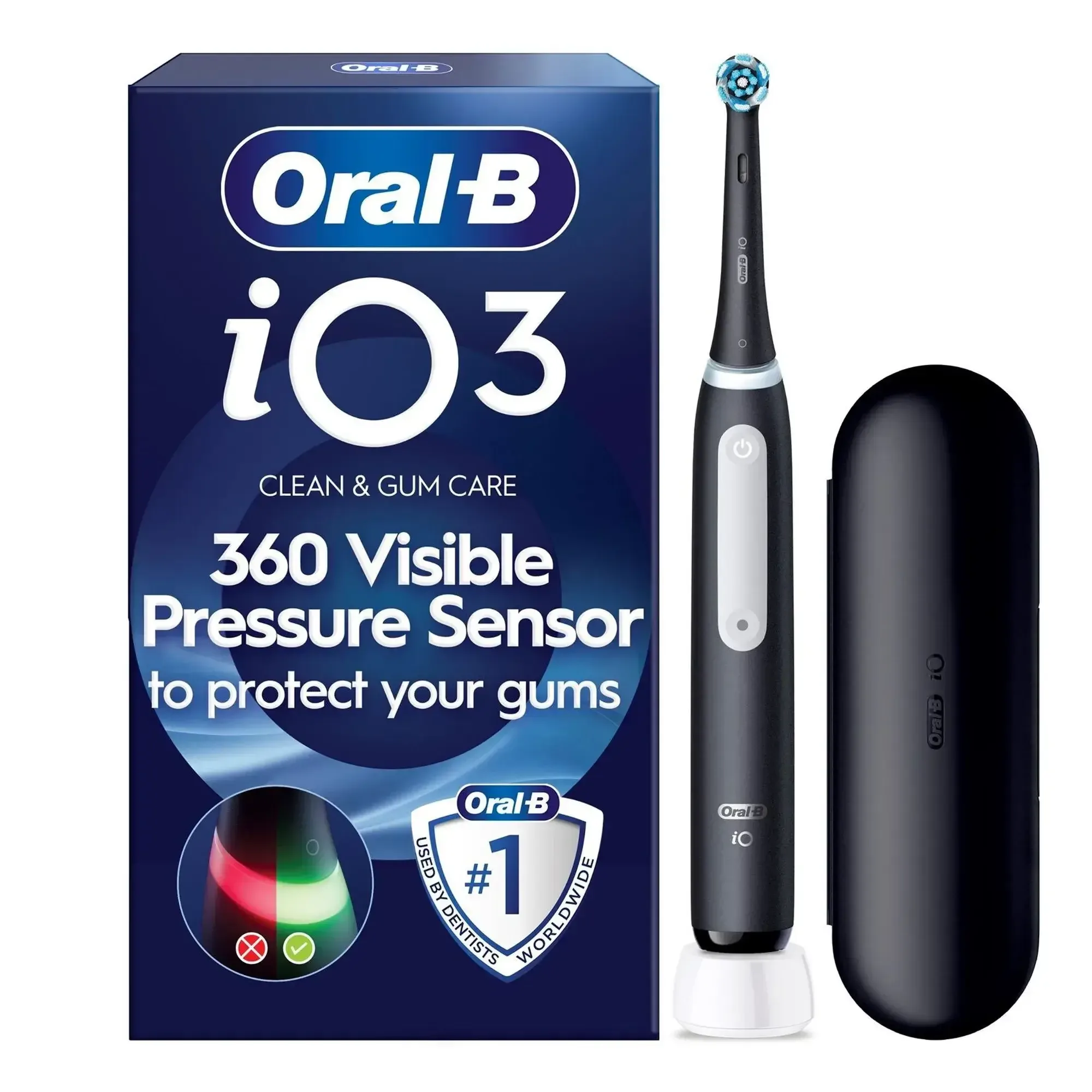
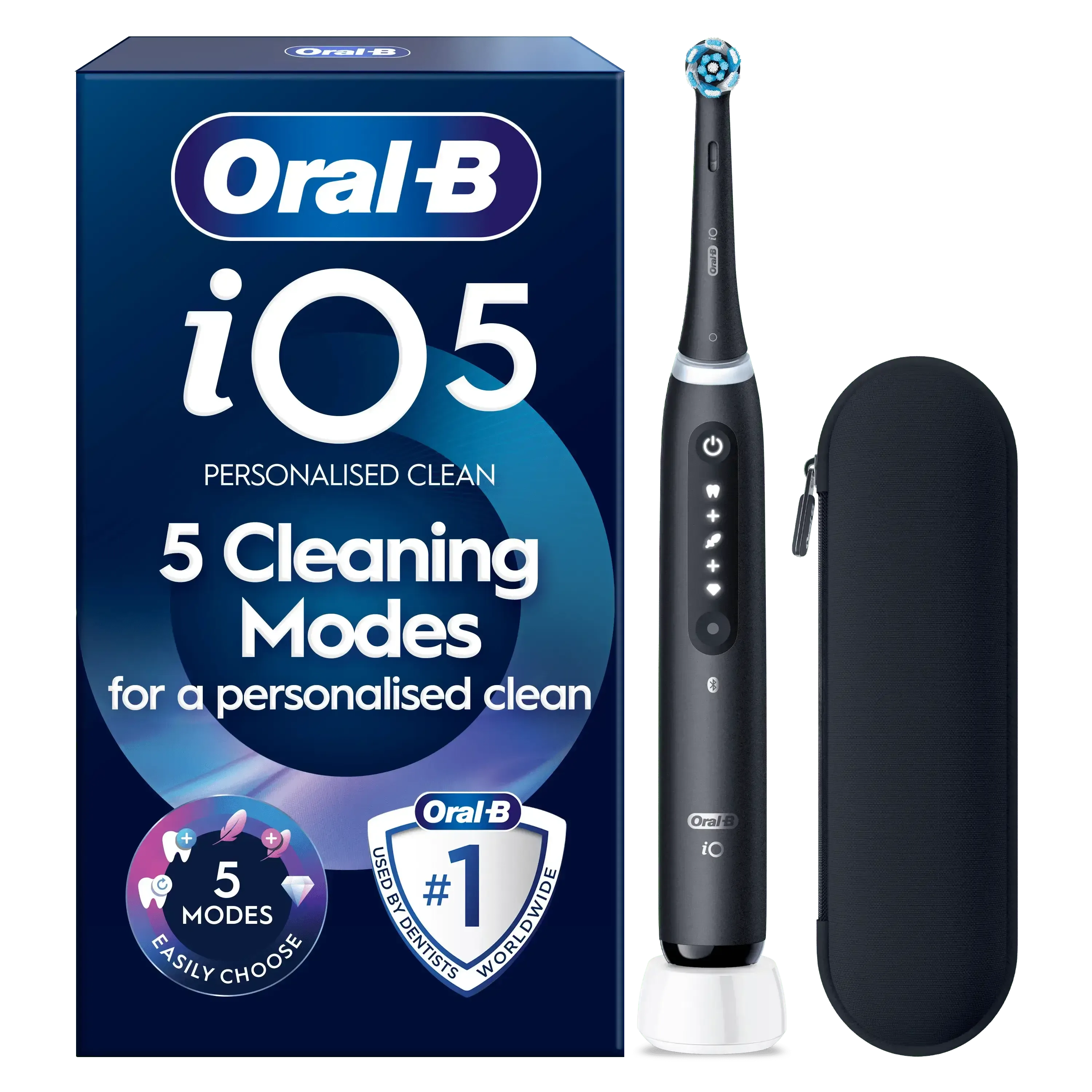
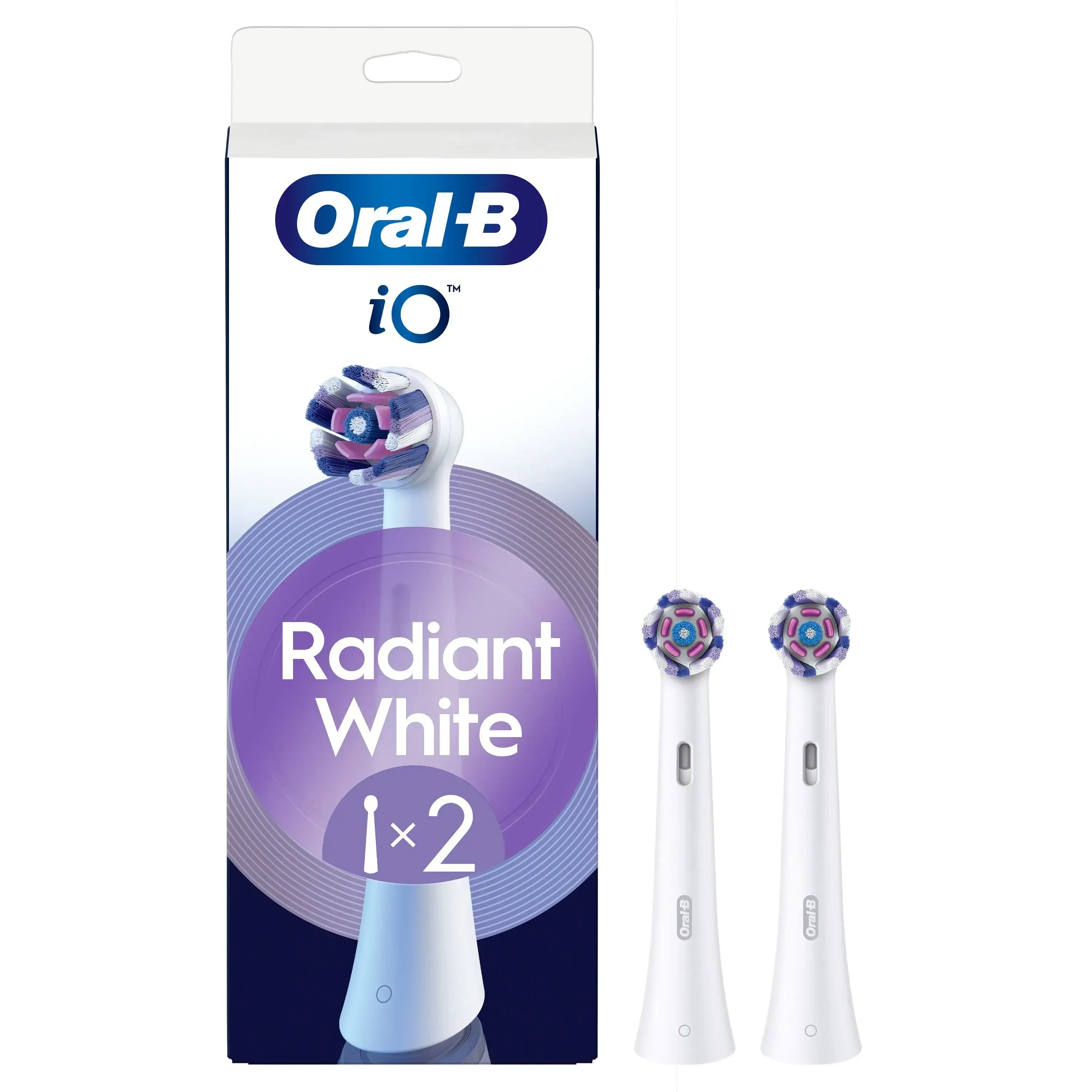
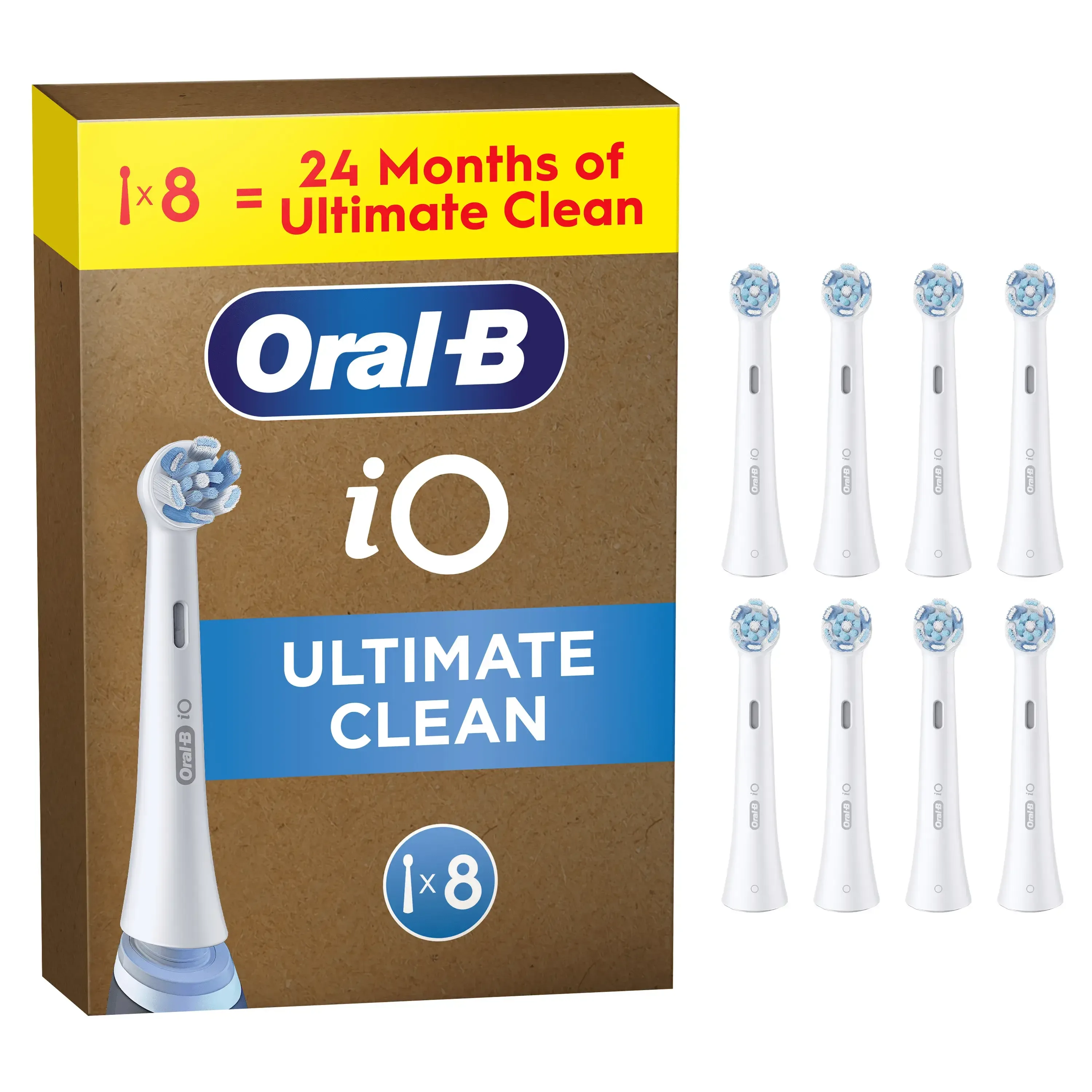
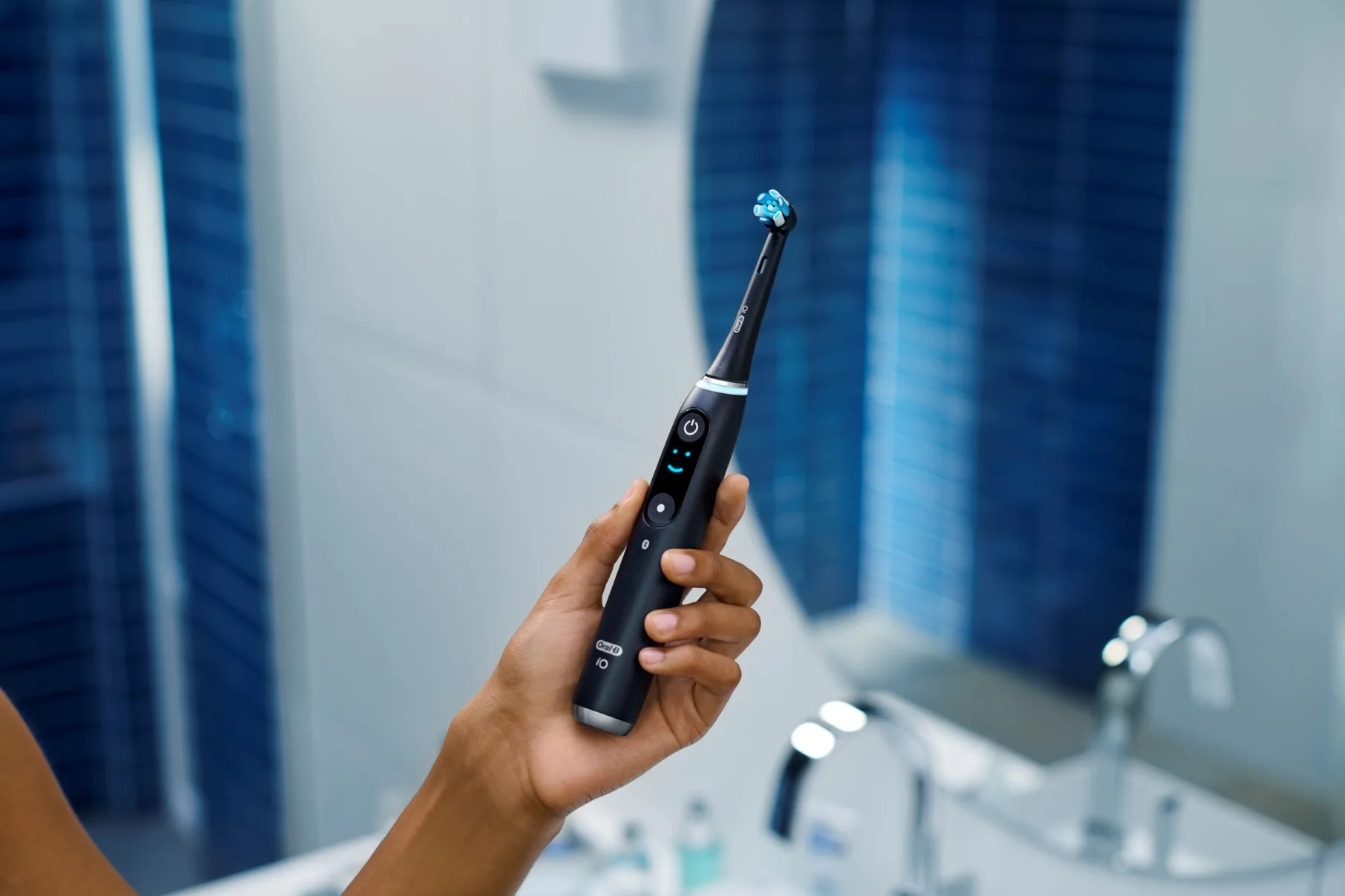
A round head electric toothbrush uses a small circular head that works one tooth at a time, cupping each tooth surface. A manual elongated head, sometimes described as oblong or oval, is longer and rectangular and sweeps across several teeth at once.
What Is the Difference Between a Round and a Manual Elongated Brush Head?
The difference is size and shape: a round brush head is a small circle sized to one tooth, while a manual oblong head is a longer rectangle spanning several.
What is a round brush head?
A round brush head is a compact, circular head that rotates one way, then the other, sweeping a wide arc with every stroke. Oral-B has used a dentist-inspired round head since 1991. Because it is roughly the width of one tooth, it can be placed on each tooth in turn and follow its curve to the gumline.
What is a manual elongated brush head?
A manual elongated brush head, also called an oblong or oval head, is a longer rectangular head. It covers two or three teeth, rather than cupping one, and requires you to guide the brush across the teeth and along the gumline.
How Each Shape Cleans, Tooth by Tooth
Each shape trades coverage for precision: a round head concentrates a wide sweep on one tooth, while a manual elongated head spreads movement across several. You pause a round head on each tooth and let it work; a manual elongated head needs hand motion. The round shape also sits more easily behind the back molars and around crowded teeth, where a longer head bridges the gaps.
Is a Round Electric Toothbrush Better for Plaque Removal?
Beyond the benefits of powered brushing compared with manual brushing, Oral-B iO has also been clinically proven to remove 60% more plaque along the gumline than the UK’s next top-selling electric toothbrush and to deliver 30% healthier gums1.
Round Head vs Manual Elongated Head: The Pros and Cons
A round head wins on precision and gumline contact; a manual elongated head wins on familiarity. Here is how they compare on the factors that matter most day to day.
| Round brush head | Manual Elongated brush head |
|---|
Precision | Cleans one tooth at a time, following its curve | Cleans several teeth at once, less contoured contact |
Coverage with each movement | Focuses on one tooth at a time | Covers two or three teeth with each brushing movement |
Gumline contact | Consistent along the gum edge | Depends more on the angle you brush |
Back molars and tight spots | Reaches behind and between more easily | Harder to angle at the very back |
Familiarity | Takes a few brushes to adjust to | Immediately familiar to users |
Technique dependence | The brush does more of the work | Needs hand movement |
Which Head Shape Is Right for You?
The right shape depends on your teeth and habits, not price.
Have crowded or overlapping teeth? Choose a round head. Its smaller shape can follow the contours of individual teeth more closely.
Have braces, implants or crowns? A round head is often the better option. The compact design makes it easier to clean around brackets, margins and hard-to-reach areas.
Have sensitive or receding gums. Prioritise a soft brush head and a pressure sensor.
For children and teens, choose a head sized appropriately for a smaller mouth.
How to Brush Correctly With Each Head Type
Technique matters as much as shape. Brush for two minutes, twice a day, with bristles angled at 45 degrees to the gumline.
With a round head, guide it tooth by tooth: rest it on one tooth, hold for a few seconds, then glide to the next.
With a manual elongated head, move slowly along the arch in short sections, covering outer, inner and chewing surfaces. Keep the pressure light either way: pressing harder does not remove more plaque and can irritate your gums.
What Else to Look For Beyond Head Shape
Pressure sensing, which warns you when you press too hard - the most common brushing mistake.
Bristle type, with soft filaments suiting most people, plus heads for sensitivity or whitening.
Replacement cadence - replace your head every three months, or sooner if the bristles splay. Oral-B iO heads fit iO handles only, so check compatibility when buying replacement brush heads.
App or on-handle guidance, showing where you have missed.
What Do Dentists Recommend?
Dental professionals broadly recommend powered brushing over manual, and the round head has a long clinical history behind it. In the UK, 8 out of 10 dentists use or recommend Oral-B electric, and Oral-B is the #1 most used toothbrush brand by dentists in the UK
Why Oral-B iO Makes the Round Head Work Harder
Oral-B iO is the most advanced version of tooth-by-tooth cleaning. It pairs the dentist-inspired round head with 2-in-1 technology: micro-vibrations at the bristle tips break plaque down while the round head’s rotations lift it away. A magnetic drive sends energy straight to the bristles instead of the handle, and iO is up to 2× quieter than standard electric brushes1. Its Smart Pressure Sensor shows green when pressure is right and red when too hard.
The Bottom Line
If you want precision, gumline contact and easy reach at the back of the mouth, a round head is the stronger choice. Explore the Oral-B iO Replacement Brush Heads range to find your fit.
Frequently Asked Questions
Does brush head shape actually affect plaque removal?
Head shape influences how the bristles contact the teeth, but cleaning performance also depends on the brush’s movement and technology. A round Oral-B electric head combines tooth-by-tooth contact with powered oscillating-rotating cleaning, while a manual elongated toothbrush depends on the user to create the brushing movement. Evidence shows that powered toothbrushes reduce more plaque and gingivitis than manual toothbrushes.
Is a round brush head good for sensitive gums?
Yes. A round brush head is often a good choice for sensitive gums because it is designed to clean one tooth at a time, helping maintain gentle, controlled contact along the gumline. Combined with Oral-B iO's Smart Pressure Sensor and gentle cleaning technology, it can help deliver an effective clean while protecting sensitive gum tissue.
Are round brush heads good for braces, crowded teeth or dental work?
Round heads suit these situations well, because the small shape gets around brackets, into crowded gaps and along crown and implant margins. Move slowly, clean each surface in turn, and ask your dentist which head to use.
How often should I replace a round electric toothbrush head?
Replace your brush head every three months, or sooner if the bristles look flattened or splayed. Regular replacement helps maintain cleaning performance and ensures your brush continues to clean effectively around the gumline.
Does Oral-B iO use a round brush head?
Oral-B iO uses a round brush head. It combines that dentist-inspired shape with micro-vibrations and oscillating-rotating movement - Oral-B’s 2-in-1 technology - so it cleans tooth by tooth while the bristle tips work the gumline.
References
1. Oral-B iO5-10 with Ultimate Clean Brush Head vs Sonicare DiamondClean with Premium Plaque Control brush head; research published at Am J Dent 2021;34:54-60.