What makes pressure sensing technology more advanced is not whether a brush has a sensor, but how much it tells you. Almost every pressure sensor electric toothbrush now advertises one, yet they do not do the same job. Some flash a warning when you press too hard and stop there. Others show three states, stay visible from any angle, and adjust the brush in real time.
What Is a Pressure Sensor on an Electric Toothbrush?
A pressure sensor on an electric toothbrush is a built-in mechanism that measures how much force you apply to your teeth and gums while you brush, then signals you the moment that force becomes too high. It sits inside the handle below the brush head and works throughout your two minutes, so you can act on the feedback as you go.
What it detects: the downward force travelling from the brush head into the handle.
How it signals you: a light on the handle, a change in sound or speed, or both.
On an electric toothbrush with timer and pressure sensor, the sensor manages force, the timer manages duration and the 30-second pacer paces you around your mouth.
Why Brushing Too Hard Damages Your Gums
Brushing too hard damages your gums because gum tissue is thin and not built to withstand repeated scrubbing force. Over time, excess force causes irritation, recession that exposes the tooth root, and wear at the neck of the tooth.
According to a 2025 narrative review of toothbrushing, gingival recession and tooth wear published in Healthcare, cervical abrasion and gingival recession occur frequently as a result of oral hygiene measures, and keeping brushing force between 2 and 3 newtons is gentler on the tissue. The same review notes that electric toothbrushes are safer in this respect.
As per the NHS, gum disease is caused by a build-up of plaque that irritates the gums, and shrinking gums are one of the signs it lists. The NHS also advises seeing a dentist if your gums bleed when you brush, so persistent bleeding is worth having checked rather than assuming it is normal.
Not All Pressure Sensors Work the Same Way
The difference between a basic pressure sensor and an advanced one comes down to four things.
| Basic sensor | Advanced 360 degree sensor |
|---|
Feedback states | One warning | Three states: too much, too little, optimal |
Visibility | An indicator you often cannot see mid-brush | A ring of light visible from any angle |
Response | Reports the problem | Reports it, and on top models adjusts the brush in real time (Smart Adapt Mode, on iO9 and iO10) |
Head shape | On a flat head, force spreads unevenly | A round head sits on one tooth at a time, so the reading is accurate |
What Does the Light on Your Oral-B Electric Toothbrush Mean?
The light on your Oral-B electric toothbrush with pressure sensor light tells you whether your pressure is right, too high or too low. On the iO range:
Green light: optimal pressure. Keep going as you are.
Red light: too much pressure. Ease off and let the brush do the work.
White light: too little pressure. Press slightly more firmly.
The white light matters as much as the red, because people worried about their gums often overcorrect and leave plaque along the gumline.
Is a Pressure Sensitive Toothbrush Better for Sensitive Gums?
Yes, a pressure sensitive toothbrush is generally better for sensitive gums, because it removes the guesswork from an area where guessing causes harm. According to a Cochrane systematic review of 56 trials, powered toothbrushes reduced plaque by 21% and gingivitis by 11% compared with manual brushing. Oral-B iO adds pressure guidance on top, cleaning away 60% more plaque along the gumline for 30% healthier gums1.
How to Use a Pressure Sensor Properly
To use a pressure sensor properly, guide the brush slowly from tooth to tooth and let the light, rather than the feel, tell you when your pressure is right. Follow these five steps each time you brush:
Position the head at the gumline, angled slightly towards the gums.
Let the brush do the work - do not scrub back and forth.
Hold on each tooth for a few seconds, then move on.
Use the timer and 30-second pacer so no quarter is rushed.
Replace the head every three months, as worn bristles alter how pressure lands.
How to Choose the Best Pressure Sensor Toothbrush
The best pressure sensor toothbrush is the one that shows you optimal pressure, not just excessive pressure. Judge any model on whether it:
confirms correct pressure or only warns you
stays visible from any angle
adjusts itself or simply reports
comes with a timer and 30-second pacer
shows feedback on the handle, without an app
uses a round head, so pressure is read tooth by tooth
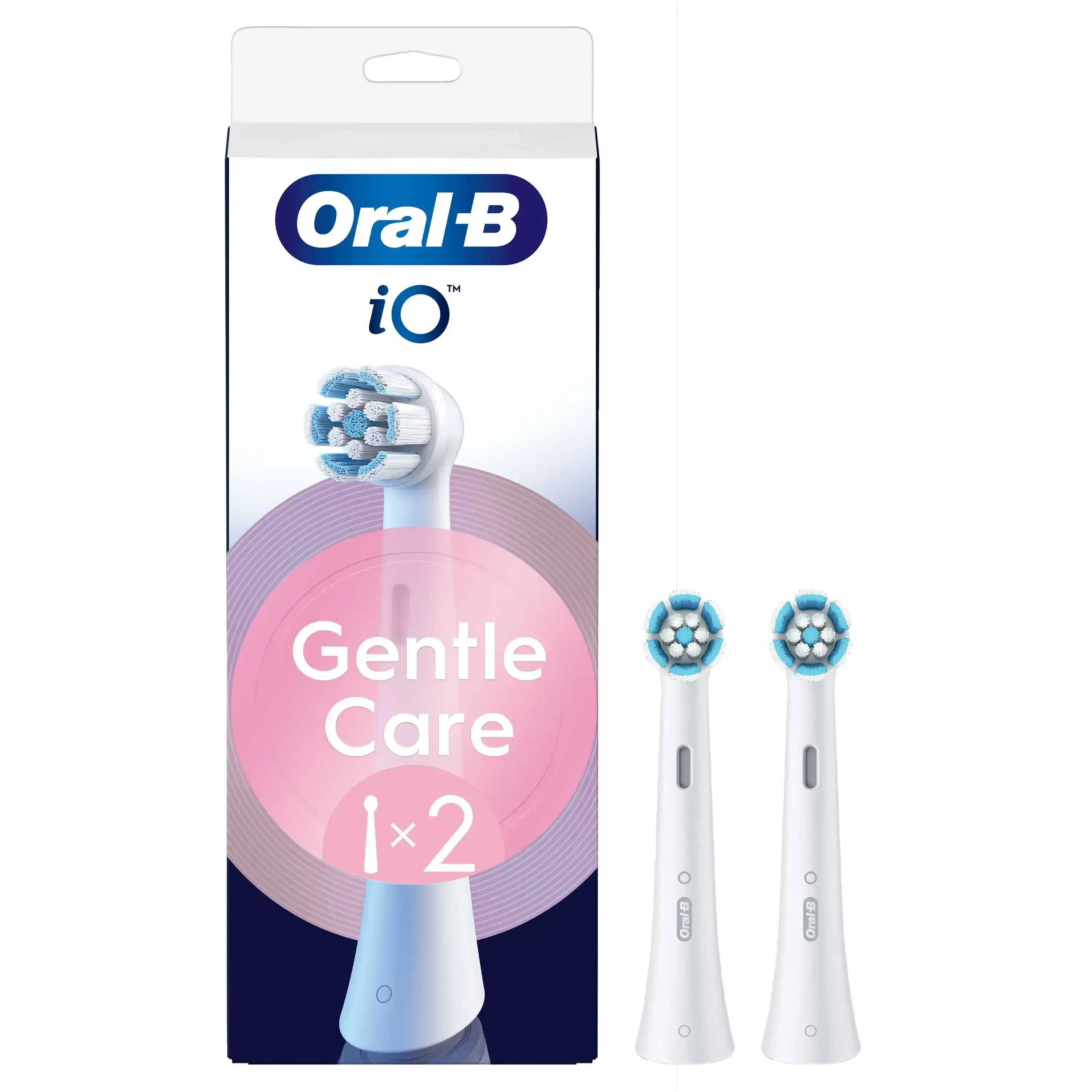
offers gentler heads for sensitive gums
What Do Dentists Recommend?
Dentists consistently recommend electric brushing with pressure control, and Oral-B is the brand they reach for most: 8 out of 10 UK dentists use or recommend Oral-B electric, and Oral-B is the #1 Most Used Toothbrush Brand by Dentists in the UK1.
Why Oral-B iO's Pressure Sensing Goes Further
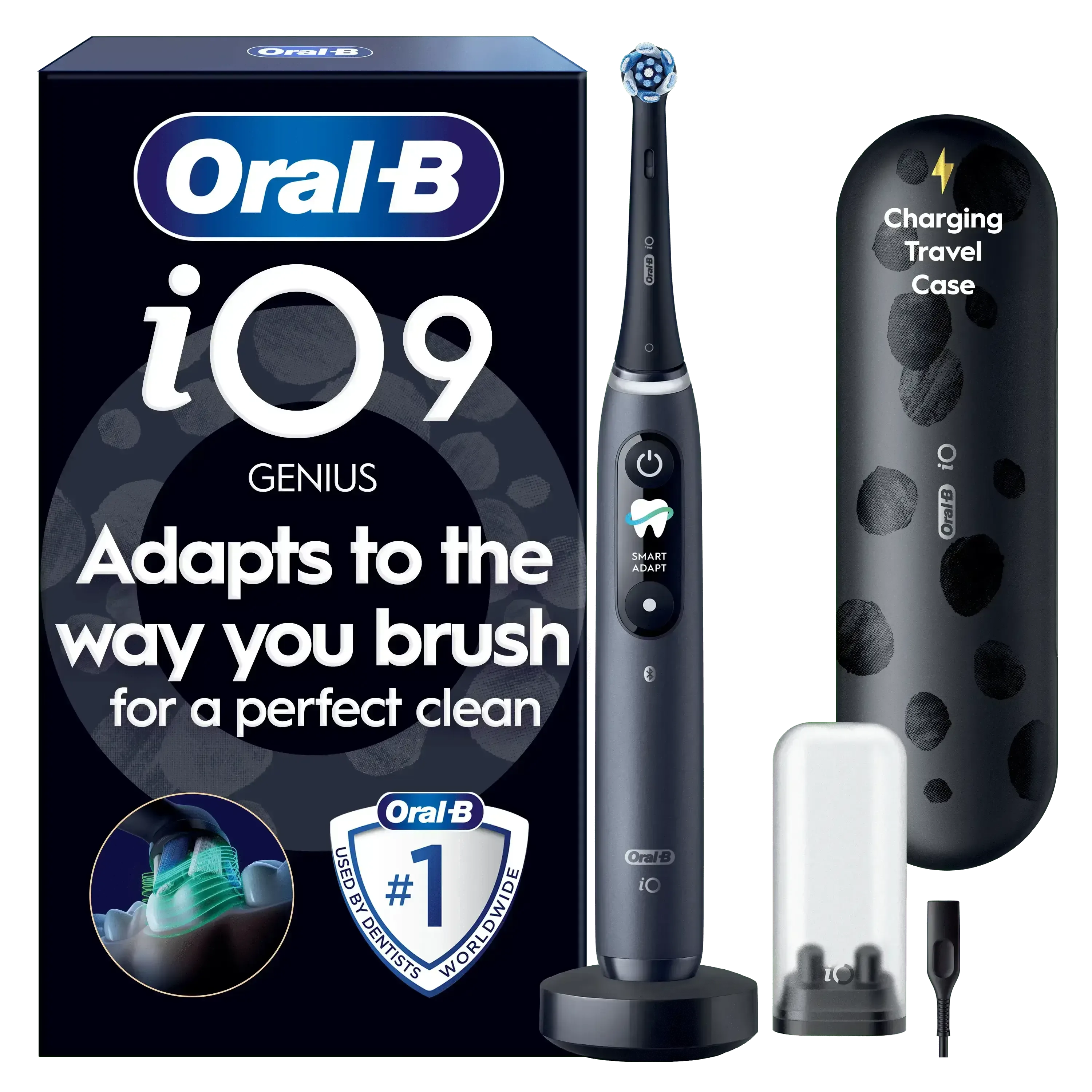
Oral-B iO's pressure sensing goes further because it guides rather than scolds. Its 360 degree visible pressure sensor is a ring of light around the handle, visible from any brushing angle, showing green, red or white in real time. On iO9 and iO10, Smart Adapt Mode automatically adapts to the way you brush in real time, optimising rotation and pressure every millisecond.
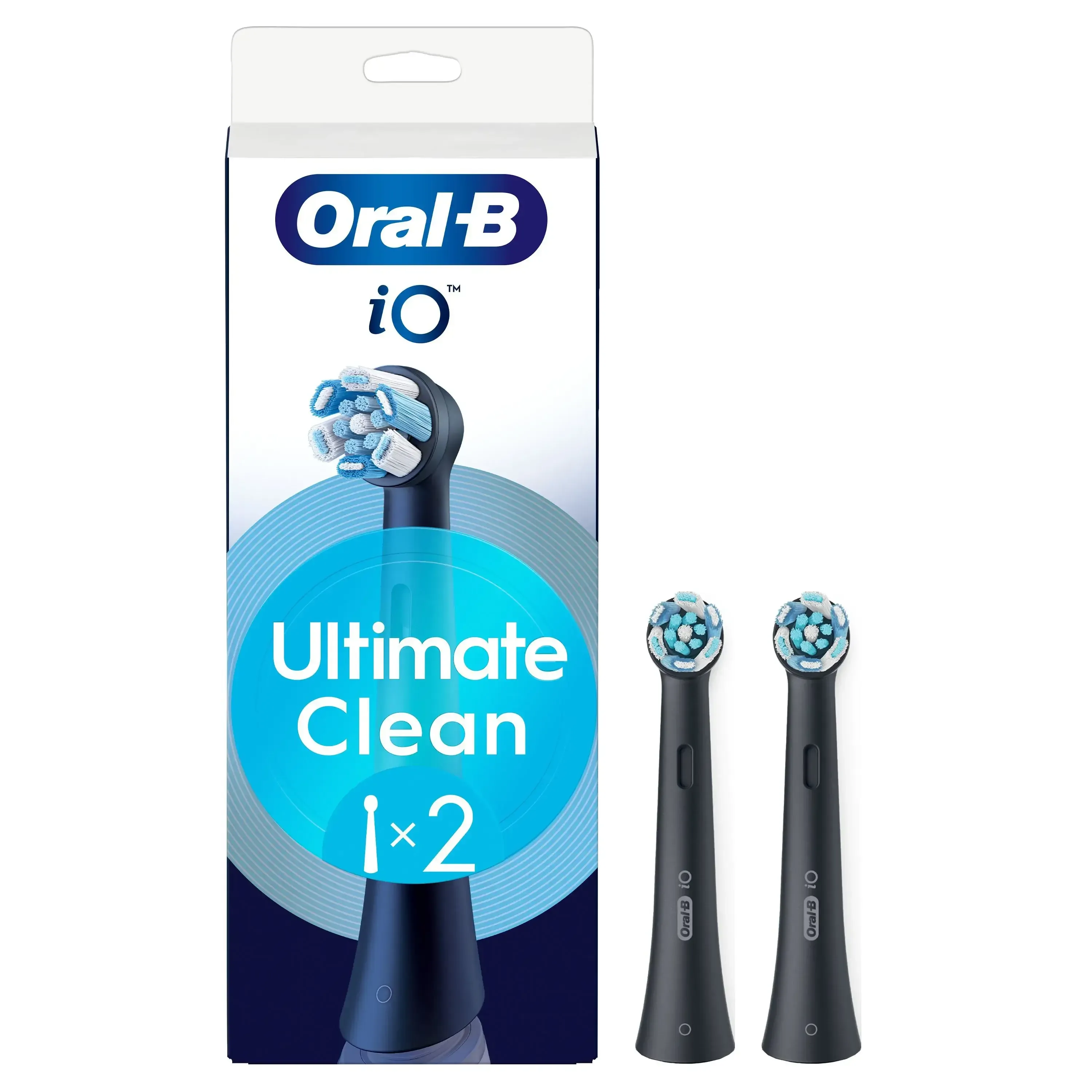
iO also uses 2-in-1 technology - micro-vibrations that break plaque down, combined with rotations that sweep it away - and its round head wraps around each tooth, cleaning the gumline and reaching hard-to-access back molars. Explore the Oral-B iO Electric Toothbrush Series to compare models.
So, What Should You Actually Look For?
Look for a brush that tells you when you are getting it right, not just when you are getting it wrong. A single red warning light leaves you guessing about everything else. Three-state guidance, a brush that adapts to your pressure and a round head that reads it accurately turn a warning into genuine coaching.
FAQ
What is a pressure sensor on an electric toothbrush?
It is a mechanism inside the handle that measures the force you apply while brushing and alerts you when it becomes too high. Advanced sensors also confirm when your pressure is correct.
Do I really need an electric toothbrush with a pressure sensor?
It is genuinely useful, because brushing force is hard to judge by feel. If you have sensitive teeth, receding gums or a heavy hand, it is the most valuable feature on the brush.
What does the light on my Oral-B electric toothbrush mean?
On the Oral-B iO range, green means optimal pressure, red means too hard and white means too light. The ring around the handle stays visible from any angle.
Can brushing too hard damage your gums?
Yes. Repeated excessive force irritates gum tissue and contributes to recession, where the gum pulls back and exposes the tooth root. The NHS lists shrinking gums among the signs of gum disease, and research points to keeping brushing force between 2 and 3 newtons.
Is a pressure sensitive toothbrush better for sensitive teeth and gums?
Yes. It helps you clean thoroughly without adding mechanical trauma to tissue that is already tender. A gentler head and sensitive mode help further.
Does Oral-B iO tell you when you are brushing too softly?
Yes. Oral-B iO shows a white light when you apply too little pressure, alongside green for optimal and red for too much. Most brushes give no under-brushing signal.
References
Oral-B iO5-10 with Ultimate Clean Brush Head vs Sonicare DiamondClean with Premium Plaque Control brush head; research published in Am J Dent 2021;34:54-60.
Sources
NHS - Gum disease: www.nhs.uk/conditions/gum-disease
Yaacob M, et al. Powered versus manual toothbrushing for oral health. Cochrane Database of Systematic Reviews, 2014: www.cochranelibrary.com
Kumar S, et al. The Impact of Toothbrushing on Oral Health, Gingival Recession, and Tooth Wear - A Narrative Review. Healthcare, 2025: www.mdpi.com