Introduction
Oral diseases are among the most prevalent and most neglected conditions globally. Untreated dental caries is the single most common health condition worldwide; severe periodontitis affects nearly one billion adults. Despite this scale, oral health has historically been treated as separate from medicine: conceptually, professionally, and financially.
A growing body of evidence over two decades has demonstrated that oral diseases, especially periodontitis, are connected to major non-communicable diseases (NCDs) including type 2 diabetes, cardiovascular disease, and respiratory conditions and cognitive decline through shared risk factors and distinct biological mechanisms. Acting on these connections requires collaboration that reaches beyond dentistry.
This 2026 white paper, commissioned by the EFP and EADPH, synthesizes that evidence and translates it into actionable recommendations for health professionals, policymakers, and the public.
The Mouth Is Connected to the Whole Body
The consensus establishes that oral diseases — particularly periodontitis — share common risk factors with the major NCDs: free sugars, tobacco, harmful alcohol use, physical inactivity, and social disadvantage. This means that acting on shared upstream risk factors delivers benefits for both oral and systemic health simultaneously, making oral health prevention a population-wide strategy rather than a dental specialty concern.
Among oral diseases, periodontitis has the strongest evidence for systemic interactions and is the only oral condition with substantial interventional evidence demonstrating improvement in systemic outcomes.
Treating Gum Disease Improves Diabetes Control
The evidence is strongest for the bidirectional relationship between periodontitis and type 2 diabetes. Randomized trials and meta-analyses show that treating periodontitis in people with diabetes reduces HbA1c by approximately 0.3–0.4% within 3–6 months — a clinically meaningful reduction comparable to adding a second-line glucose-lowering medication. This effect is greatest in patients with poor baseline glycemic control and is maintained up to 12 months with effective periodontal maintenance.
Gum Disease Is Linked to Cardiovascular Risk
Periodontal therapy reduces systemic inflammatory biomarkers relevant to cardiovascular risk — including CRP, IL-6, and fibrinogen — and improves endothelial function. Functional studies show improved flow-mediated dilation after effective therapy. While evidence that periodontal treatment reduces major cardiovascular events (myocardial infarction, stroke) remains insufficient, the mechanistic and intermediate-outcome evidence is substantial.
Oral Care in Hospital Settings Reduces Pneumonia
Perioperative oral antiseptic care significantly reduced post-operative pneumonia in a systematic review and meta-analysis of 2,265 cardiac surgery patients: pneumonia occurred in 5.3% of treated patients versus 10.4% of controls (RR 0.52, 95% CI 0.39–0.71), with nosocomial infection also reduced.
Daily Self-Care Is a Systemic Prevention Behavior
The consensus identifies self-performed oral hygiene as a foundational preventive behavior for oral health and an important component of broader health promotion. The authors emphasize that oral hygiene should be supported across health and care settings and integrated into prevention strategies, particularly for individuals living with chronic conditions.
Scientific Evidence for Daily Oral Hygiene
The 2026 Joint EFP/EADPH Consensus White Paper identifies self-performed oral hygiene as a cornerstone of oral disease prevention and an important element of overall health promotion. The paper emphasizes the importance of evidence-based oral hygiene practices and highlights the role of effective plaque control in maintaining oral health.
The consensus findings are consistent with the EFP S3-level Clinical Practice Guideline on the management of dental biofilm-induced gingivitis, which recommends:
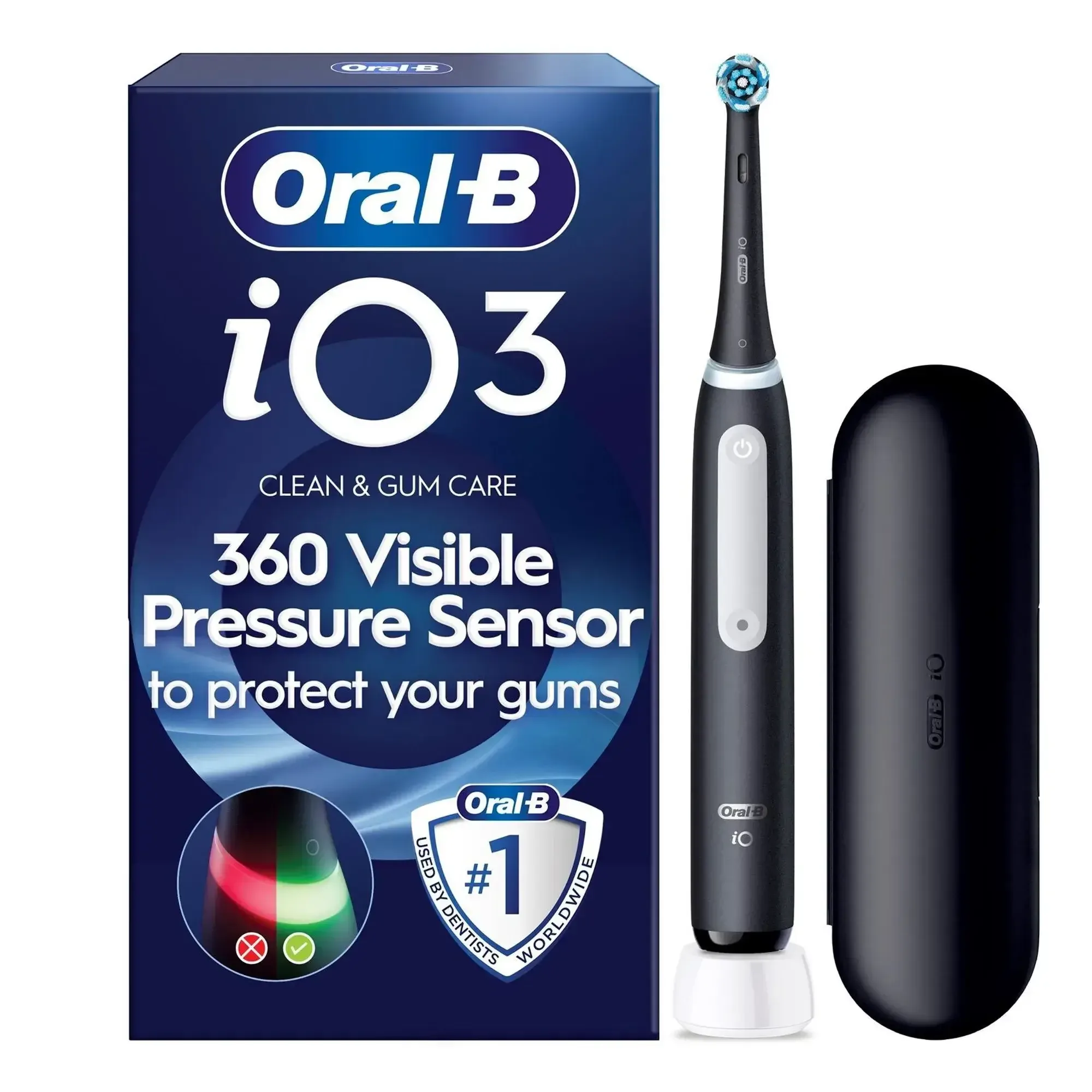
Powered toothbrushes over manual toothbrushes, based on evidence demonstrating improved plaque control and gingival health outcomes.
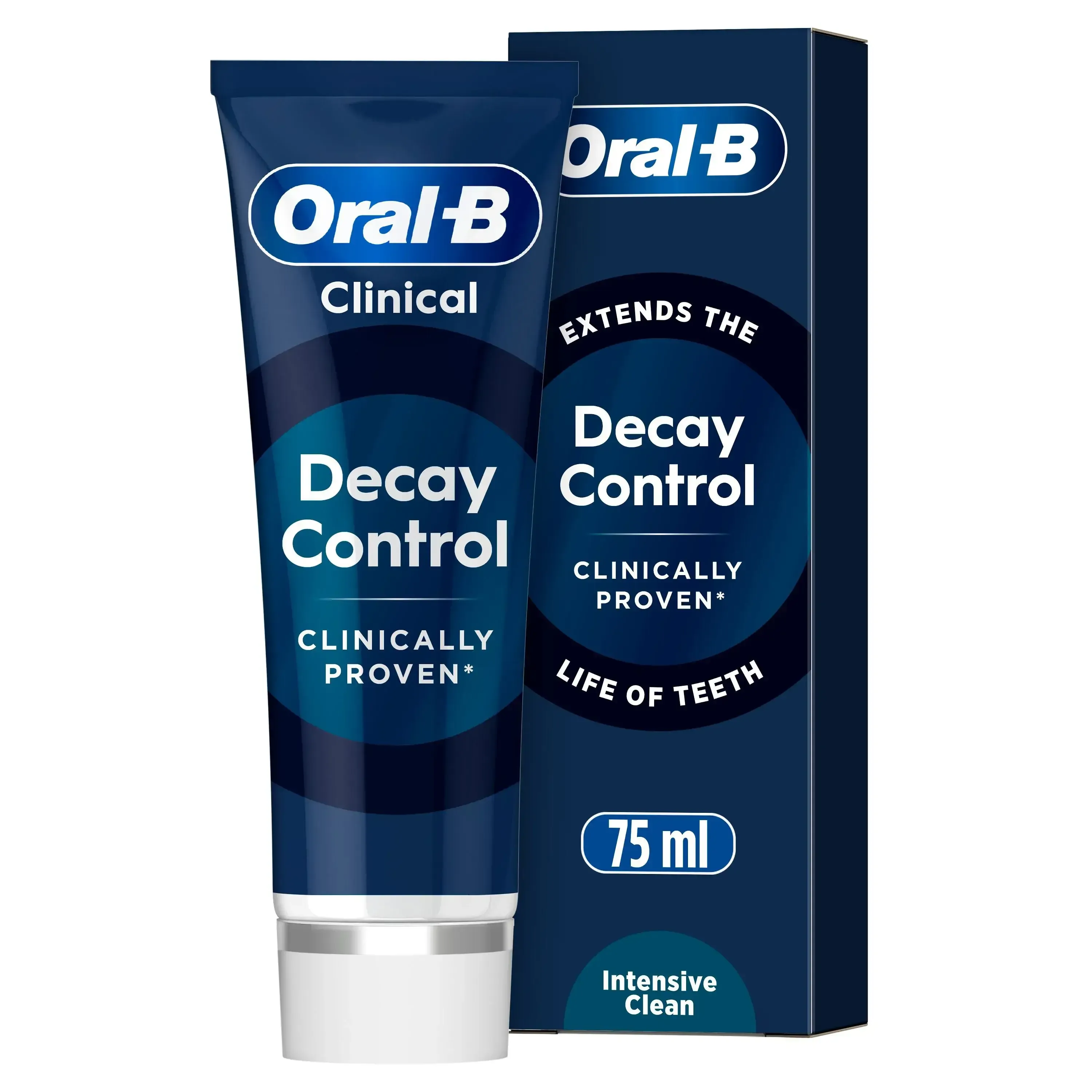
Stannous fluoride toothpaste as an adjunct to mechanical plaque control, providing antibacterial, anti-gingivitis, anti-hypersensitivity, and anti-erosion benefits.
Among powered toothbrush technologies, the consensus notes that oscillating-rotating designs have demonstrated the most consistent evidence for plaque reduction and gingival health improvement.
Why These Findings Matter
The 2025 UN Political Declaration on Non-Communicable Diseases included oral health for the first time, recognizing the importance of integrating oral health into broader health systems and prevention strategies. This consensus provides evidence-based recommendations to support that integration across public health, clinical practice, education, and policy.
The global economic burden of oral conditions is estimated at US$710 billion per year — comprising ~US$387 billion in direct treatment costs and ~US$323 billion in productivity losses. Treating periodontitis in diabetes patients alone is associated with US$900–2,840 in lower annual healthcare costs per person. The consensus emphasizes that improving oral health can contribute to better health outcomes and support more integrated approaches to chronic disease prevention and management.
Study Overview
The joint EFP/EADPH working group reviewed:
Epidemiological and mechanistic evidence linking oral and systemic diseases
Primary prevention strategies and the common risk factor approach
Secondary prevention: treating oral disease to improve systemic outcomes
Barriers to, and facilitators of, interdisciplinary collaboration
Evidence-based oral hygiene technology recommendations (EFP S3-level clinical practice guidelines)
Recommendations for policy, clinical practice, education, public health, and research
The working group included delegates from organized medicine: the World Heart Federation (WHF), WONCA Europe (family medicine), and the European Forum for Primary Care, in addition to periodontology and dental public health specialists. Consensus was developed through a structured conference process followed by iterative written rounds.
Authors' Conclusion
The authors conclude that oral health must be recognized as integral to general health and embedded within NCD strategies and universal health coverage through interprofessional, intersectoral action. Equipping all health and social-care professionals to promote oral self-care, screen and refer, and prioritize periodontal prevention and treatment, can improve both oral and systemic outcomes.
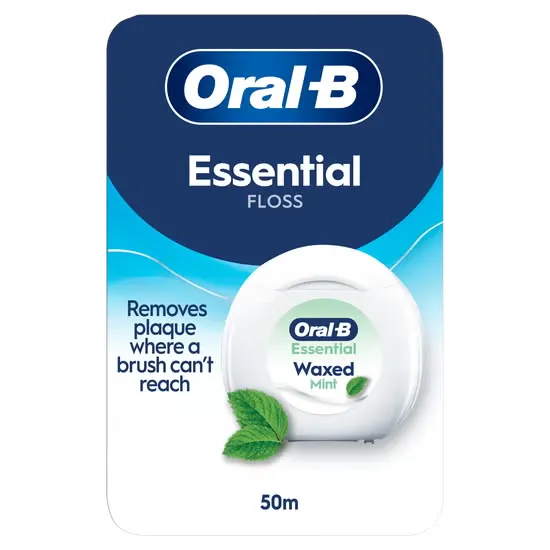
At the individual level, the authors identify a small set of daily behaviors as "non-negotiables" that every health and care professional should be able to communicate: twice-daily toothbrushing with fluoride toothpaste, daily interdental cleaning, reduction of free sugars, avoidance of tobacco, and risk-based dental attendance.
Relationship to Existing Evidence
The findings of the consensus are aligned with existing clinical practice guidelines and previously published evidence supporting effective plaque control and gingival health management. The paper highlights the importance of evidence-based daily oral hygiene practices as part of comprehensive oral disease prevention strategies and broader health promotion efforts.
What does this consensus mean for health professionals?
The consensus calls on all health and social-care professionals — doctors, nurses, pharmacists, and others — to treat oral health as part of general health. Practically, this means: asking about oral health at routine appointments, reinforcing daily oral hygiene habits, screening for signs of gum disease, and referring patients to dental care. The evidence is now strong enough that oral health should be integrated into chronic-disease care pathways for diabetes, cardiovascular disease, COPD, and oncology.
What policy changes does the consensus recommend?
The 2026 consensus calls for governments and health systems to: (1) embed oral health in national NCD prevention plans and universal health coverage; (2) implement fiscal measures on sugar, tobacco, and alcohol; (3) standardize oral health assessment in primary and secondary care; (4) mandate oral health education across all health professions; and (5) integrate oral health into shared electronic health records and bidirectional referral pathways.