Calcium deposits on teeth are hardened mineral buildups that develop when plaque is not fully removed through daily brushing and flossing. These deposits, often known as tartar, can appear as rough white, yellow, or brown patches along the teeth or gumline. In some cases, they may look like white spots on teeth or chalky marks that don’t disappear with regular brushing.
Although calcium buildup on teeth may start as a cosmetic concern, it can eventually contribute to bad breath, gum irritation, and tooth decay if left untreated. The good news is that professional dental treatments and a strong oral care routine can help remove existing buildup and reduce the chances of it returning.
In this article, you’ll learn what causes calcium deposits on teeth, how they differ from plaque, the risks they may pose, and the best ways to remove and prevent them for a healthier smile.
What are calcium deposits on teeth?
Calcium deposits on teeth are hardened layers of plaque that have mineralised over time. They often appear as rough or chalky areas on the teeth and may show up as white calcium spots on teeth, particularly near the gumline or between teeth.
Plaque and tartar are closely linked, but they are not the same thing. Plaque is a soft, sticky film made up of bacteria, saliva, and food debris that forms naturally throughout the day. If plaque isn’t removed properly, it hardens into tartar, also called calculus or calcium deposits. Unlike plaque, tartar cannot usually be removed with brushing alone and often requires professional cleaning.
These deposits can vary in colour and texture. Some people notice subtle white spots on teeth, while others may develop darker or rougher buildup over time. Learning more about how dental plaque forms can help you understand why tartar develops and why prevention matters. For deeper insight into how plaque transitions into calculus (tartar), learn more about dental plaque.
What are the causes of calcium deposits on teeth?
Calcium deposits usually form when plaque remains on the teeth long enough to harden. Several everyday habits and biological factors can increase the likelihood of buildup.
Poor oral hygiene
One of the most common causes of calcium buildup on teeth is inconsistent brushing and flossing. When plaque isn’t removed effectively, minerals in saliva gradually harden it into tartar.
Plaque often collects around the gumline and in hard-to-reach areas, which is why missed spots can quickly turn into stubborn calcium deposits.
Lifestyle and Diet
Sugary foods, acidic drinks, smoking, and frequent snacking can all contribute to plaque accumulation. These habits encourage bacterial growth in the mouth, increasing the risk of tartar formation and tooth staining.
Dark beverages like coffee or tea may also make calcium marks on teeth more noticeable over time. If you’re concerned about discolouration, it may also help to learn more about brown spots on teeth and what causes them.
Genetic Factors and Saliva Composition
Some people naturally develop tartar more easily due to the composition of their saliva or inherited oral health traits. Saliva that contains higher mineral levels may accelerate the hardening of plaque, even in people who maintain a good oral hygiene routine.
Can calcium deposits on teeth be harmful?
Calcium deposits are not always painful, but they can become problematic if they continue to build up. Over time, tartar creates an environment where bacteria can thrive, increasing the risk of several oral health issues.
Bad breath risks
Tartar can trap bacteria and food particles against the teeth and gums. As bacteria multiply, they may produce unpleasant odours that contribute to persistent bad breath.
Even with regular brushing, hardened buildup may continue harbouring bacteria until it is professionally removed.
Tooth decay risks
Calcium deposits can make it easier for plaque and bacteria to remain on the teeth for longer periods. This increases the risk of enamel damage and cavities.
According to the NHS, untreated tooth decay can worsen over time and eventually lead to pain or infection.
Gum disease risks
Tartar around the gumline can irritate the gums and trigger inflammation. Early gum disease, known as gingivitis, may cause redness, swelling, or bleeding when brushing.
If left untreated, gum irritation can progress into more advanced periodontal disease, potentially affecting the supporting tissues around the teeth.
When to see a dentist
You should speak with a dentist if you notice persistent white spots on teeth, rough buildup near the gums, bleeding gums, or ongoing bad breath. Professional evaluation is especially important if brushing no longer removes the deposits or if sensitivity develops.
How to remove calcium deposits on teeth?
Once plaque hardens into tartar, professional treatment is usually needed to remove it safely and effectively. The right option depends on the severity and appearance of the buildup.
Professional cleaning
Professional dental cleaning is the most common and effective way to remove calcium deposits. During a scaling and polishing treatment, a dental professional carefully removes hardened tartar from the teeth and gumline.
This process helps smooth the tooth surface and lowers the risk of further plaque accumulation.
Teeth whitening
Teeth whitening may help improve the appearance of mild white calcium spots on teeth or surrounding discolouration. However, whitening alone does not remove tartar itself.
If you’re dealing with visible staining alongside buildup, learning more about teeth stains can help you understand the available treatment options.
Enamel microabrasion
Enamel microabrasion is a cosmetic procedure that removes very small amounts of surface enamel to improve the appearance of shallow white spots or uneven patches.
Dentists may recommend this option for superficial calcium marks on teeth that affect the look of the enamel but do not involve deeper damage.
Dental veneer
For more severe or persistent discolouration, veneers may be considered. Veneers are thin coverings placed over the front surface of teeth to improve their appearance.
They can help conceal noticeable calcium deposits, uneven colouring, or enamel irregularities while creating a smoother, more uniform smile.
How to prevent calcium deposits from forming?
Preventing tartar buildup starts with reducing plaque before it has the chance to harden. A consistent oral care routine and healthy lifestyle habits make a significant difference.
Daily oral hygiene
Brushing twice daily and flossing regularly help remove plaque before it turns into tartar. Using a high-quality electric toothbrush can also improve plaque removal, especially along the gumline.
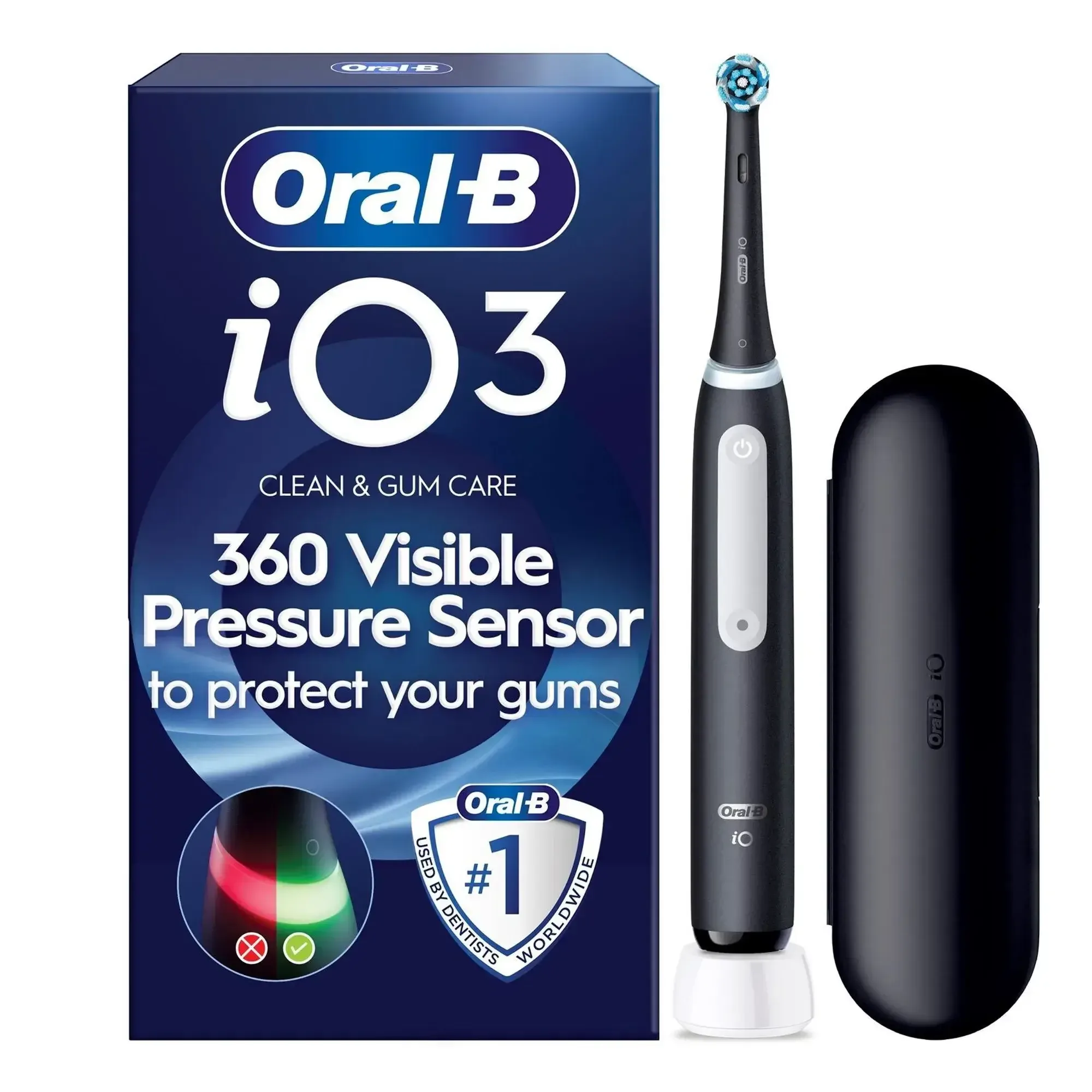
The Oral - B iO Electric Toothbrush Series combines gentle micro-vibrations with a round brush head to help clean effectively while supporting gum health.
Understanding how dental plaque develops can also help you take steps to prevent it from hardening into tartar.
Diet and lifestyle adjustments
Reducing sugary snacks and acidic drinks can help limit plaque formation. Drinking water after meals and eating a balanced diet rich in fibre may also support a cleaner mouth environment.
Smoking cessation can further reduce the risk of tartar buildup and gum irritation.
Regular dental checkups
Routine dental visits allow professionals to remove early tartar buildup before it becomes more severe. Dentists can also monitor changes in enamel, gum health, and plaque accumulation during checkups.
Professional cleanings are especially useful for people who naturally develop calcium buildup on teeth more quickly.
Embrace a healthy oral care routine with Oral - B
Preventing calcium deposits starts with consistent daily care and the right oral hygiene tools. The Oral - B iO Electric Toothbrush Series is designed to deliver a thorough yet gentle clean using oscillating technology and micro-vibrations that help remove plaque effectively.
Its smart pressure sensor also helps prevent overly aggressive brushing, supporting healthier gums and enamel over time. Combined with regular flossing, mouthwash, and dental checkups, a reliable brushing routine can help reduce plaque buildup before it hardens into tartar.
Summary:
Calcium deposits on teeth develop when plaque hardens and mineralises over time. While they may first appear as small white spots or rough patches, untreated buildup can increase the risk of bad breath, gum irritation, and tooth decay.
Professional treatments such as scaling, whitening, or veneers may help improve the appearance and health of affected teeth. However, prevention remains the most effective long-term approach.
Brushing thoroughly, flossing daily, eating a balanced diet, and attending regular dental appointments can all help reduce calcium buildup on teeth. If you notice persistent tartar, sensitivity, or changes in your enamel, speaking with a dental professional is the best next step.
FAQs:
Do calcium deposits increase the risk of tooth decay?
Yes. When plaque hardens into tartar, it traps bacteria close to the enamel. Over time, these bacteria produce acids that wear down tooth enamel, making it easier for cavities to form.
Are calcium deposits on teeth the same as plaque?
No. Plaque is a soft, sticky film made up of bacteria, food debris, and saliva components. It can generally be removed by brushing and flossing. Calcium deposits occur when plaque mineralises and becomes tartar, which is far more difficult to remove without professional help.
Can calcium deposits cause bad breath?
They can. Tartar’s rough surface harbours bacteria that produce foul-smelling compounds. Even if you brush regularly, those bacteria can remain trapped in the hardened deposits, contributing to persistent bad breath.