Quick Answer:
What are lesions on the palate?
Lesions on the palate are spots, sores, bumps, blisters, or patches of discolouration that appear on the roof of your mouth. They’re usually caused by irritation (like hot food), minor infections, allergies, or lifestyle habits such as smoking. Most are harmless and heal on their own, but any lesion that is very painful, keeps coming back, or doesn’t heal within two weeks should be checked by a dentist or doctor.
Lesions on the palate are spots, sores, bumps, or patches that appear on the roof of your mouth. These changes can show up for different reasons, such as irritation from hot food, minor infections, allergies, or other health conditions.
Most of the time, these lesions are harmless and heal on their own, but some may feel uncomfortable or need a closer look if they don’t go away. In this article, we’ll walk you through the common types, causes, symptoms, and simple ways to treat and prevent them so you can take better care of your oral health.
What are lesions on the palate?
Lesions on the palate are spots or changes on the roof of the mouth, such as sores, bumps, blisters, or patches of discolouration.
These can develop when the tissue becomes irritated, injured, or affected by an infection. Most of the time, they are mild and heal on their own, but some may need attention if they are painful, long-lasting, or keep coming back. Often described simply as a sore roof of mouth, these lesions may feel tender or even go unnoticed, depending on their cause.
What are the types of lesions on the palate?
Lesions on the palate can appear in different forms like ulcers, white patches, red areas, and blisters.
Ulcers
Ulcers are small sores that develop inside the mouth and may appear white or yellow in the centre with a red border around them. A canker sore on roof of mouth is a common example. Although these ulcers can cause moderate pain, they typically heal on their own within a week or two, especially with good oral care. If they persist longer, consult a professional.
White patches
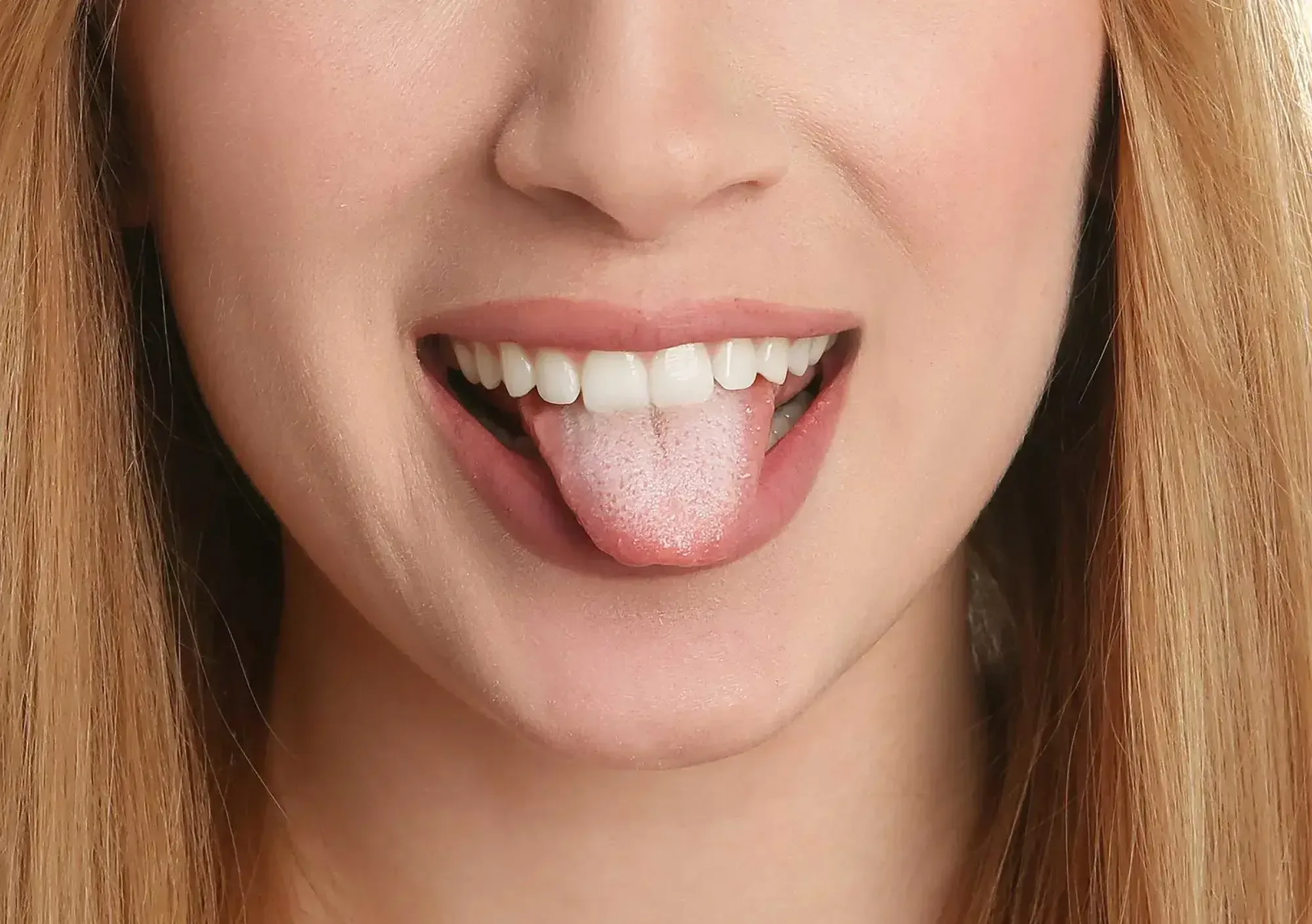
White patches may appear due to fungal infections, irritation, or other oral health conditions that affect the mouth’s soft tissues. While some white patches don’t cause immediate soreness, they still warrant monitoring, as they could signal an underlying problem.
Red lesions
Red lesions are inflamed areas on the palate that commonly develop after irritation, burns, or certain infections. For instance, sipping a hot drink can create a painful red spot that might be mistaken for a simple sore palate. If red lesions are paired with severe pain, fever, or swelling, you may need medical advice.
Blisters and sores
Blisters appear as fluid-filled bumps, sometimes caused by scalding food or certain viral infections (e.g., HSV-1, responsible for ). A blister on roof of mouthcould also result from accidental bites or friction. If the blister bursts and forms an open sore, be vigilant about infection prevention through gentle rinsing and careful oral hygiene.). A blister on roof of mouth could also result from accidental bites or friction. If the blister bursts and forms an open sore, be vmindful about infection prevention through gentle rinsing and careful oral hygiene.
What are the common causes of lesions on the palate?
Lesions on the palate are commonly caused by irritation, infections, allergies, mouth ulcers, and certain lifestyle habits such as smoking.
Burns and mouth trauma
Hot foods and drinks can irritate the roof of the mouth. Sharp or rough foods can also scratch the tissue and lead to soreness.
Viral infections
Viral infections can trigger sores or blisters on the roof of the mouth, particularly infections linked to HSV-1. The AAFP notes that viral infections are a common cause of oral lesions affecting the soft tissues of the mouth. While cold sores are known to appear on the lips, similar infections can spread inside the mouth, including to the palate. If your lesions coincide with symptoms like fever or swollen glands, a viral cause may be at play.
Mouth ulcers
Mouth ulcers (small, shallow breaks in the lining of the mouth that can be painful but are usually not contagious) can show up in various parts of the mouth, including the palate. They’re often triggered by stress, minor injuries, or certain dietary choices. Although a canker sore on roof of mouth can be painful, it typically heals without major complications if properly cared for.
Allergic reactions
Allergic reactions can irritate the tissues inside the mouth and lead to soreness, redness, or small lesions on the palate. Many people don’t realise that certain mouthwashes, toothpastes, or even dental materials can trigger inflammation too. If lesions appear soon after a new product or food, consider consulting an allergist.
Autoimmune conditions
Rarely, autoimmune conditions such as lupus (a long-term autoimmune disease that can inflame joints, skin, and internal organs, including the mouth) or pemphigus (a rare autoimmune disease that causes fragile blisters and sores on the skin and inside the mouth) affect the mouth’s mucous membranes, resulting in stubborn sores. If your lesions are frequent, severe, and don’t respond to typical remedies or persist for weeks, discuss possible autoimmune components with a healthcare provider.
Lifestyle and habits
Smoking, tobacco use, heavy alcohol consumption, stress, and poor diet can all irritate oral tissues and increase the risk of recurring lesions.
What are the symptoms of lesions on the palate to look out for?
Lesions on the palate can cause pain, redness, swelling, sensitivity, or discomfort while eating and drinking.
Typical symptoms include:
Pain or tenderness, especially when eating or drinking
Redness or a whitish halo around the lesion
Swelling or raised tissue that feels raw
Sensitivity to heat, cold, or spicy foods
You might also experience a general feeling of dryness or tightness in the roof of your mouth. If your mouth soreness treatment isn’t working and these symptoms persist, consult a healthcare professional.
How to treat lesions on the palate?
Lesions on the palate may be managed with gentle oral hygiene and appropriate home remedies, depending on their underlying cause.
Home remedies
Home remedies can help reduce discomfort, protect irritated tissue, and support healing for mild palate lesions.
Warm saltwater rinses can gently clean the mouth while relieving irritation.
Ice chips or cold water soothe inflammation from burns or other injuries.
Over-the-counter oral gels can provide a protective coat to reduce friction against the lesion.
Avoiding overly hot or spicy foods can protect delicate tissue, especially when dealing with a blister on the palate.
Medical treatments
Severe or persistent lesions require consulting a dentist or doctor. They may prescribe medicated mouthwashes or antiseptic gels for more targeted relief. Antibiotics or antivirals could be necessary in cases of bacterial or viral infections. Certain painful sores might benefit from temporary use of topical steroids (anti‑inflammatory medicines applied directly to the skin or mouth lining to reduce redness and swelling) or immunosuppressive agents (medicines that reduce the activity of the immune system when it is overactive) if linked to autoimmune conditions.
How do I prevent lesions on the palate?
Good oral hygiene, avoiding irritation, and maintaining healthy lifestyle habits can help reduce the risk of developing lesions on the palate.
Practise good oral hygiene
Maintaining a clean mouth deters bacterial buildup and irritation. Brush gently with a soft-bristled toothbrush or electric model twice daily, and floss regularly. This approach minimises the risk of small cuts, infections, or other palate irritation causes.
Avoid tobacco
Smoking or chewing tobacco firmly ranks among the major sources of chronic mouth irritation. Taking steps to reduce or quit can dramatically improve palate health, since recurring lesions often decrease alongside the elimination of harmful irritants.
Maintain a healthy diet
A balanced diet provides essential vitamins and minerals that support oral tissues. Limiting highly acidic or spicy foods can help reduce lingering irritation that might otherwise lead to sores. Per AAFP, deficiencies in nutrients like iron or vitamin B12 can also sometimes lead to mouth ulcers.
When should I see a medical professional for lesions on the palate?
You should speak with a doctor or dentist if palate lesions are painful, keep returning, or do not heal within two weeks.
Painful lesions lasting more than two weeks without improvement
Abnormal bleeding, severe swelling, or difficulty swallowing
Frequent recurrences, suggesting an underlying immune or systemic issue
Any suspicious growths that become larger or fail to heal
Seeking timely advice is important, as ignoring persistent lesions may lead to complications or mask more serious conditions.
Embrace your oral health routine with Oral-B
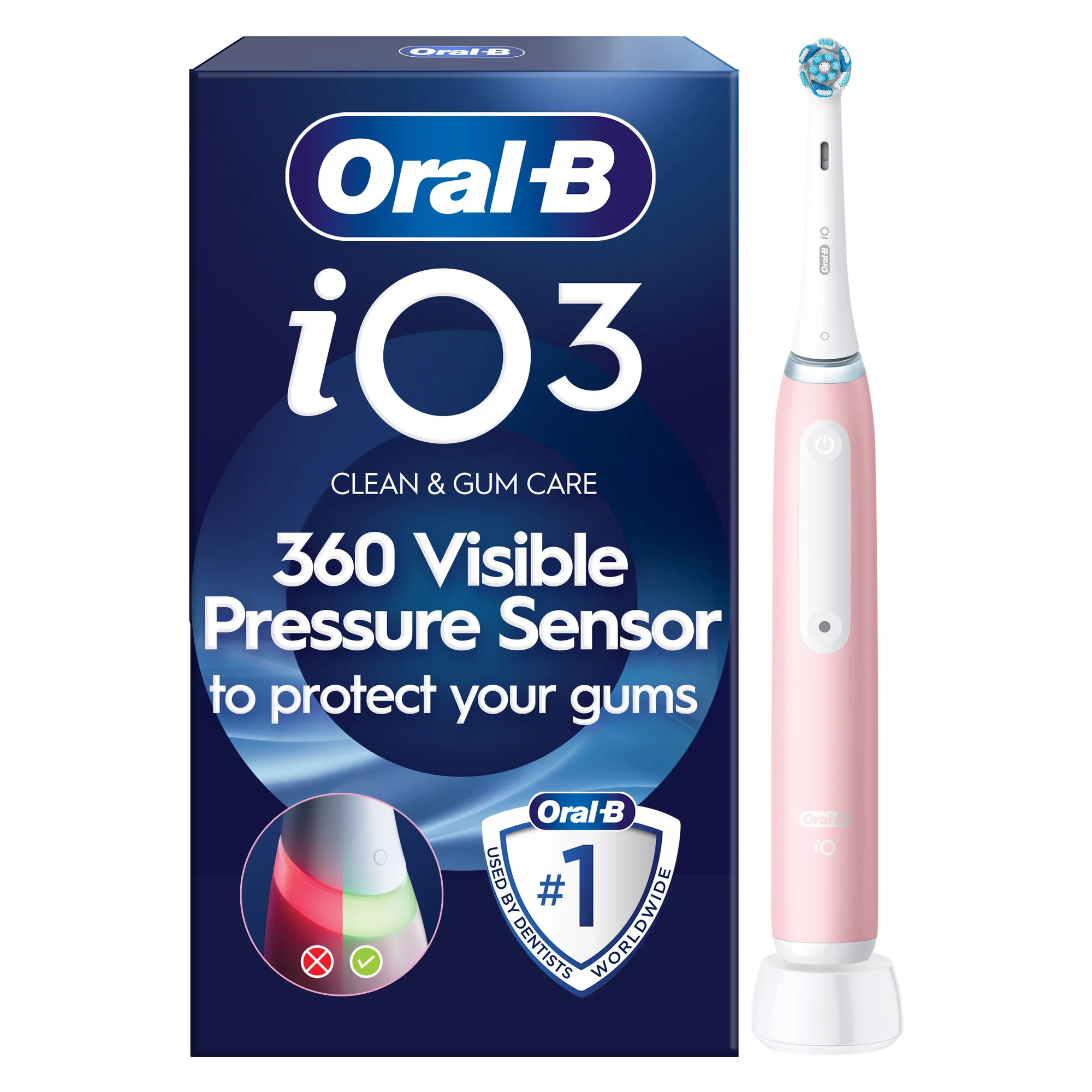
A consistent oral care routine is vital in minimising the risk of mouth lesions. The Oral-B iO Electric Toothbrush Series combines a gentle yet effective cleaning action with smart pressure sensors, ensuring you’re not brushing too hard. This helps protect sensitive areas on the roof of your mouth and prevents further trauma when you already have a sore palate. Pairing the Oral-B iO Electric Toothbrush Series with regular dental visits and healthy habits can help support a cleaner, healthier mouth.
Researchers combined evidence from more than 1,300 study participants to better understand which toothbrush technology performs best. Their analysis showed that the oscillating rotating technology behind Oral-B iO's superior clean ranked highest for both plaque and gingivitis reduction among the evaluated technologies. The results provide strong independent scientific support for its oral-health benefits.
Summary
Lesions on the roof of the mouth can range from minor irritation to signs of underlying health conditions. Identifying their type and cause is the first step toward effective management. Most lesions heal quickly with gentle home care and improved oral hygiene, but persistent or painful lesions warrant professional evaluation.
Moving forward, pay attention to what triggers these sores; whether it’s scalding beverages, irritant ingredients, or lifestyle factors like tobacco or stress. The Oral-B iO Electric Toothbrush Series provides a comfortable yet thorough clean, reducing inflammation risk and supporting a happier, healthier mouth overall.
FAQs
Can lesions on the palate be contagious?
Lesions caused by burns or mechanical irritation are not contagious. However, lesions stemming from viral infections - such as those related to HSV-1 - can be transmitted through close personal contact. Identifying the cause is key to knowing whether the lesion can spread.
Are lesions on the palate a sign of oral cancer?
Most lesions are benign and go away on their own. Persistent sores, unusual lumps, or lesions lasting more than two weeks could indicate more serious concerns like oral cancer. If a lesion shows no signs of healing or appears unusual, consult a medical professional.
Are lesions on the palate usually painful?
Many are, especially if they form open sores or blisters that are irritated by hot or spicy foods. Some lesions can however be mild and minimally painful, depending on factors like location, depth, and cause.