Quick answer:
What is a dental fistula?
A dental fistula is a small, draining channel that forms when a persistent tooth or gum infection creates a pathway for pus to escape. It usually looks like a tiny pimple or opening on the gum or inside the cheek and may relieve pressure, but it signals that the underlying infection requires dental treatment such as a root canal, extraction or periodontal care.
A dental fistula is a common sign that an infection has found a path to drain from inside the mouth to the surface. As per PMC, dental fistula most commonly develops as a result of a long-standing dental infection that has created a pathway to release pressure.
It looks like a tiny pimple or opening on the gum or cheek and often follows a dental abscess or chronic gum problem. Treatment is usually needed to remove the infection source rather than just the drain. In this article we explain causes, symptoms, treatment options and practical prevention steps, plus how an effective oral care routine with Oral‑B can help.
What is a dental fistula?
A dental fistula is a small draining tunnel that forms when an infection seeks an exit.
This often appears as a tiny bump or opening on the gum, inside the cheek or less commonly on the skin of the face. It may leak pus or fluid, and sometimes there is little pain because drainage helps relieve pressure from the underlying infection. However, the infection itself remains and usually requires treatment. A fistula is important because it signals that the infection needs definitive dental care rather than only symptomatic treatment.
What causes a dental fistula?
A dental fistula forms when persistent infection creates a pathway for drainage. Below are common causes and how each can lead to a fistula.
Dental abscess
A dental abscess is a pocket of pus from a tooth infection and is a leading cause of fistula formation.
When bacteria invade the tooth pulp or surrounding bone, pressure builds. Over time the infection can create a channel, or fistula, to release pus.
Gum disease
Severe gum disease can damage the tissues and bone that support the teeth, creating conditions that allow an oral fistula to form. Treating gum disease helps address the infection at its source and reduces the risk of recurrence.
Chronic periodontitis (advanced gum disease where supporting bone and tissues are damaged, potentially causing tooth loss) allows pockets around teeth to deepen and sometimes form draining tracts. Treating gum disease helps remove the underlying source of infection.
Trauma and injuries to the gums
Cuts, penetrating wounds or dental procedures can introduce bacteria. If healing fails or bacteria multiply, a local infection may form and eventually drain through a fistula.
Impacted wisdom teeth
Partially erupted or impacted teeth can trap debris and bacteria.
This situation encourages infection in the surrounding tissue and can form a fistula near the impacted area. See guidance on erupted tooth issues for more detail.
What are the signs and symptoms of a dental fistula?
A dental fistula most commonly appears as a small bump or opening on the gum that may release pus, often accompanied by a bad taste, swelling, or discomfort.
Small raised lump or opening on the gum or inside cheek that may release pus.
Persistent bad taste or foul breath due to drainage.
Localised swelling, redness or tenderness near the tooth or gum.
Intermittent pain or discomfort, though drainage can temporarily reduce severe pain.
In chronic cases, mild systemic signs such as low-grade fever or fatigue may occur.
How to treat and manage a dental fistula?
A dental fistula is treated by eliminating the underlying infection, not simply by managing the drainage. Once the source is treated, the fistula will usually heal on its own.
Root canal treatment: removes infected pulp and seals the tooth to stop the source of infection.
Tooth extraction: used when the tooth cannot be saved and infection persists.
Periodontal therapy: deep cleaning and possibly surgery for fistulas caused by gum disease.
Antibiotics: used selectively, often when infection has spread beyond local area or patient is systemically unwell.
Incision and drainage: while it helps drain the pus, it won’t be a definitive solution if the root cause is not addressed.
How can I prevent a dental fistula?
You can help prevent a dental fistula by maintaining good oral hygiene, attending regular dental check-ups, and treating tooth decay or gum disease before they progress to infection.
Because dental fistulas typically develop as a result of untreated dental infections, preventing those underlying problems is the most effective way to reduce your risk.
Maintain good oral hygiene
Daily cleaning reduces plaque (sticky film of bacteria and food particles that forms on teeth and gums) and prevents decay and gum disease. Using effective brushing and daily interdental cleaning reduces the chance of infections that lead to fistulas. An electric toothbrush with gentle but thorough cleaning helps reach tight areas.
Not all toothbrush technologies remove plaque equally well. Researchers evaluated more than 1,300 study participants across 19 clinical trials and compared several toothbrush technologies, including manual and powered options. The technology behind Oral-B iO- oscillation rotation- ranked highest for plaque reduction in the analysis. For consumers, that means it showed the strongest overall performance for helping remove plaque and keep teeth cleaner.
Healthy diet
Limit frequent sugary or acidic foods and drinks. A diet that reduces cavity risk supports healthier teeth and gums and lowers infection risk.
Regular dental check‑ups and cleaning
Routine dental visits catch decay and gum problems early. Professional cleanings and early treatment of cavities or gum disease can help prevent infections from progressing into abscesses (localised collection of pus around a tooth or in surrounding tissues caused by bacterial infection) and fistulas.
When should I see a medical professional for a dental fistula?
You should see a dentist as soon as possible if you notice a draining bump on your gum, ongoing swelling, a persistent bad taste, or signs of infection. This may indicate a spreading infection that requires prompt treatment.
Oral‑B helps you maintain a good oral care routine to prevent dental fistula
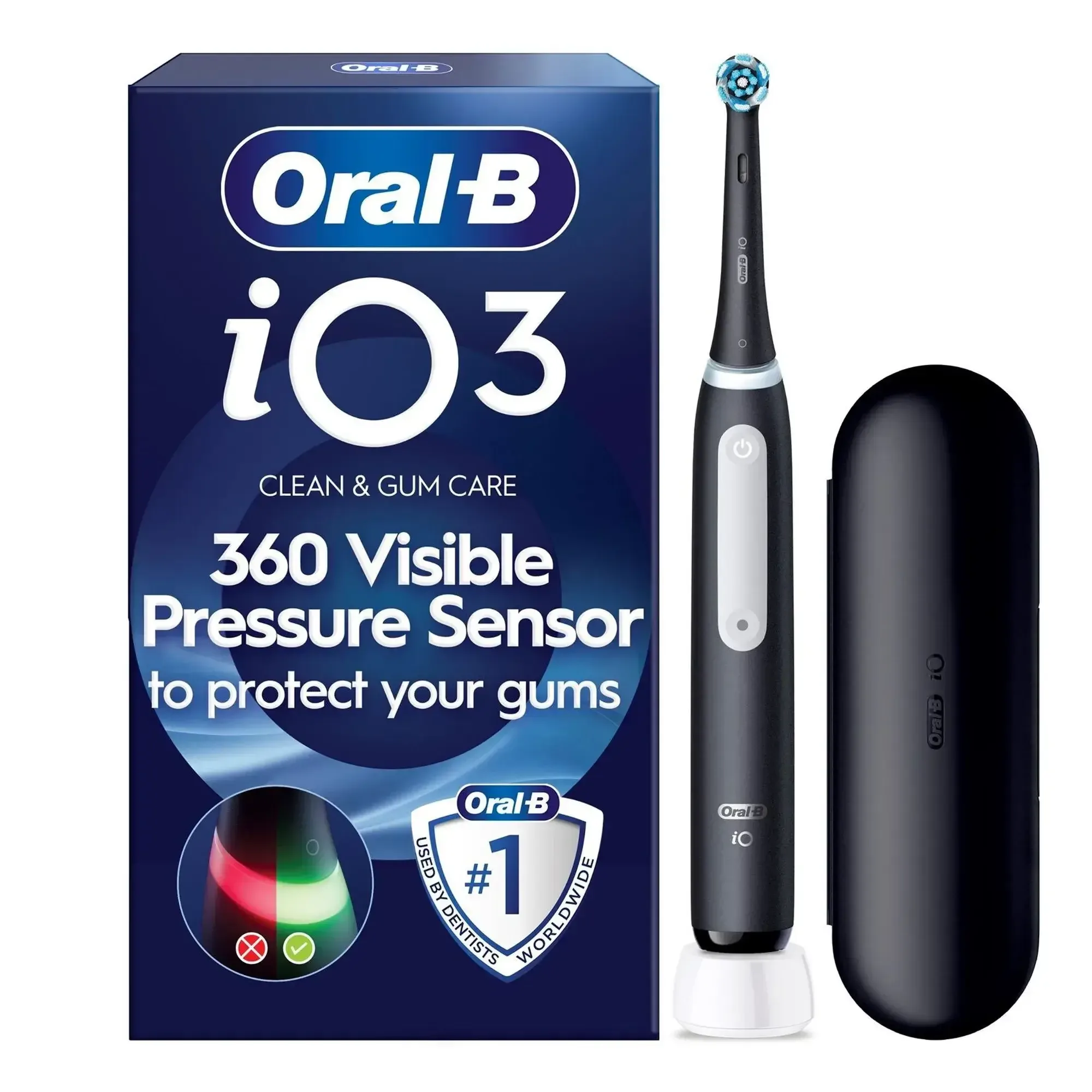
Using a high‑quality toothbrush improves plaque removal and supports gum health. The Oral‑B iO Electric Toothbrush Series offers gentle, consistent cleaning and pressure feedback to avoid brushing injury while removing more plaque than a manual brush.
When used with daily flossing and regular dental checks, this routine reduces risk factors linked to dental fistulas.
Summary
A dental fistula is a draining channel that signals an underlying oral infection such as a dental abscess or advanced gum disease. It often looks like a small bump on the gum and may leak pus. Definitive treatment addresses the source, commonly through root canal therapy, extraction or periodontal care, sometimes supported by antibiotics. Preventing fistulas relies on strong daily oral hygiene, a balanced diet and regular dental visits. If you notice a draining spot, persistent bad taste, swelling or worsening pain, see a dentist promptly. To reduce recurrence and support healing, adopt a consistent oral routine.
Consider an effective electric toothbrush, such as the Oral‑B iO Electric Toothbrush Series, to improve plaque control while being gentle on sensitive tissues.
Next steps: book a dental assessment, follow advised treatment, and maintain daily care with an appropriate toothbrush and interdental cleaning.
FAQs
What’s the difference between a dental fistula and canker sore?
A dental fistula drains an infection and usually connects a tooth or gum infection to the mouth surface. A canker sore is a non-infectious ulcer on mucous membranes. Fistulas often indicate deeper dental problems, whereas canker sores are usually self‑limited.
Can a dental fistula appear elsewhere than the gums?
Yes. Fistulas can appear on the cheek lining, under the tongue or, rarely, as a tract to the skin on the face or neck. Location depends on the infection’s path toward the surface.
Can a dental fistula cause ear, jaw, or temple pain?
Yes. Pain can arise when nearby structures become inflamed. An infected tooth or abscess may produce jaw, ear or temple discomfort; persistent or spreading pain needs professional attention.
How long does a dental fistula take to heal?
Healing time depends on the cause and treatment provided. After successful treatment, such as a root canal or extraction, the fistula often closes within a few days to several weeks as the infection resolves.