This blog has been reviewed and approved by Dr Robert Lee, a dental professional of 35 years
Quick Answer:
What is a dehydrated tongue?
A dehydrated tongue is a tongue that feels dry, rough, or sticky due to reduced moisture in the mouth. This usually happens when you’re not drinking enough fluids or your saliva production is lowered by medicines or medical conditions. The tongue may look redder, paler, or coated, and can feel sore or uncomfortable. Drinking more water, avoiding excess alcohol and caffeine, and keeping a good oral care routine often improves symptoms, but persistent changes should be checked by a dentist or doctor.
A dehydrated tongue is a dry, rough, or sticky tongue caused by reduced moisture in the mouth. It is commonly linked to dehydration, reduced saliva production, certain medicines, or underlying health conditions. While it is often manageable with simple lifestyle changes, persistent tongue dryness may require professional advice. This article explains the causes, symptoms, treatment, prevention, and when to seek medical help.
What is a dehydrated tongue?
A dehydrated tongue is a dry, rough, or sticky tongue caused by reduced moisture. This usually happens when saliva production decreases or the body becomes dehydrated. Saliva helps keep the tongue lubricated, washes away food particles, and protects the mouth from harmful bacteria. When there is less saliva, the tongue may feel uncomfortable, look coated or dull, and become more prone to irritation or plaque build-up. Per NHS, dry mouth (also known as xerostomia; a condition where the mouth does not produce enough saliva) can be caused by dehydration, certain medicines, or underlying medical conditions.
Dehydrated Tongue vs Dry Mouth (Xerostomia)
Feature | Dehydrated tongue | Dry mouth (xerostomia) |
|---|
Main area affected | Tongue (surface feels dry, rough, sticky) | Whole mouth (cheeks, gums, palate, tongue) |
What it describes | How the tongue looks and feels | Low saliva production or lack of saliva in the mouth |
Common causes | Not drinking enough, fluid loss, reduced saliva | Medications, dehydration, medical conditions (e.g., diabetes, Sjögren’s syndrome) |
Typical symptoms | Dry/rough tongue, coating, cracks, burning or tingling | Dry mouth, difficulty swallowing, thick saliva, bad breath, increased tooth decay |
Is it a disease itself? | Usually a sign of dryness or dehydration, not a disease | Considered a condition that may need investigation and treatment |
When to seek help | If dryness, pain, or colour changes last more than 2 weeks | If dry mouth is frequent, severe, or linked with other symptoms like thirst or weight change |
What are the common causes of a dehydrated tongue?
A dehydrated tongue is most commonly caused by dehydration, reduced saliva production, certain medicines, medical conditions, or lifestyle habits.
Dehydration (not drinking enough fluid)
Not drinking enough fluids is one of the most common causes.
When your body is low on fluids, it produces less saliva. Without enough saliva, the tongue can feel dry, sticky, or rough and may appear coated, especially after waking up. Even mild dehydration can make these changes noticeable.
Important fluid loss
Losing fluids quickly can also dry out the tongue. Vomiting, diarrhoea, fever, or heavy sweating can reduce both water and electrolyte levels. If these losses are not replaced, the mouth may become dry and the tongue sore or cracked. Older adults and people with long-term health conditions are especially vulnerable.
Medical conditions
Some medical conditions reduce saliva production, leading to ongoing dryness. Saliva plays an important role in protecting the mouth, supporting digestion, and maintaining a healthy balance of bacteria.
Conditions such as diabetes and Sjögren's syndrome (an autoimmune condition where the immune system attacks the glands that make saliva and tears) can affect the amount and quality of saliva. Reduced saliva also increases the risk of tooth decay and oral infections because it cannot protect the mouth as effectively.
Medications
A wide range of medicines can cause dry mouth, which then leads to a dehydrated tongue. Common culprits include some antidepressants, antihistamines, blood pressure medicines, and treatments for anxiety or pain. These medicines can interfere with saliva production, so the tongue may feel dry, coated, or sensitive. If you suspect a medicine is affecting your mouth, speak to your doctor or pharmacist before making any changes.
Lifestyle factors
Everyday habits can also contribute to a dry tongue.
Drinking large amounts of caffeine or alcohol, smoking, vaping, and breathing through the mouth can all reduce moisture and irritate the tongue over time.
What are the signs and symptoms of a dehydrated tongue?
A dehydrated tongue usually causes dryness, roughness, and changes in texture or colour.
Common signs include:
Dry, rough, or sticky feeling on the tongue surface
Tongue that looks redder, paler, or develops a coating similar to a white tongue.
Fine cracks may develop over time. If these become persistent or deeper, learn more about cracked tongue and when it may require professional assessment.
Difficulty moving the tongue smoothly or speaking comfortably
Burning or tingling sensation on the tongue
Bad breath, as reduced saliva makes it harder to cleanse the mouth
How to treat and prevent a dehydrated tongue? Do’s and Don’ts
Staying hydrated and maintaining good oral care are the best ways to treat and prevent a dehydrated tongue.
Dehydrated tongue do’s
The best ways to manage a dry tongue are to stay hydrated, encourage saliva production, and maintain good oral hygiene.
Stimulating saliva with sugar-free gum or lozenges can help relieve dryness and improve comfort.
Include water-rich foods Choose water-rich foods such as cucumber, watermelon, oranges, and soups to support hydration.
Maintain a thorough but gentle oral care routine Brush twice daily, clean between your teeth, and gently clean your tongue to remove plaque and debris.
Check medicines with your doctor or pharmacist If you notice new tongue dryness after starting a medicine, ask whether dry mouth is a known side effect and what safe options might help.
Dehydrated tongue don’ts
Avoid habits that can make dryness worse or irritate the tongue.
Do not rely heavily on alcohol-containing mouthwashes These can worsen dryness in some people; a mild, alcohol-free product is often more comfortable when the tongue is dry.
Do not smoke or vape if possible Tobacco and some vaping liquids irritate the mouth and may worsen dryness and soreness over time.
Do not overuse caffeine and alcohol Limit coffee, energy drinks, and alcoholic drinks, especially in the evening, as they can increase fluid loss and dryness.
Do not ignore persistent changes in tongue colour or texture If you notice ongoing redness, white patches, or cracking, do not self-diagnose; see a dentist or doctor for assessment.
When should I seek medical professional help for dehydrated tongue?
You should seek professional help when tongue dryness is severe, persistent, or comes with other worrying symptoms.
See a dentist, GP, or another healthcare professional if you notice:
Dry or painful tongue lasting more than two weeks
Difficulty swallowing, speaking, or chewing due to dryness
Tongue that becomes very red, swollen, or develops unexplained patches
Repeated mouth infections or a burning sensation that does not improve
Ongoing dry mouth along with feeling very thirsty, passing urine more often, or unexplained weight changes
The NHS advises speaking to a healthcare professional if dry mouth is frequent, as it can sometimes be linked to diabetes, autoimmune disease, or other medical conditions that need
proper diagnosis.
A strong oral care routine with Oral-B helps you manage a dehydrated tongue
A consistent oral care routine helps keep your mouth healthier when saliva levels are reduced.
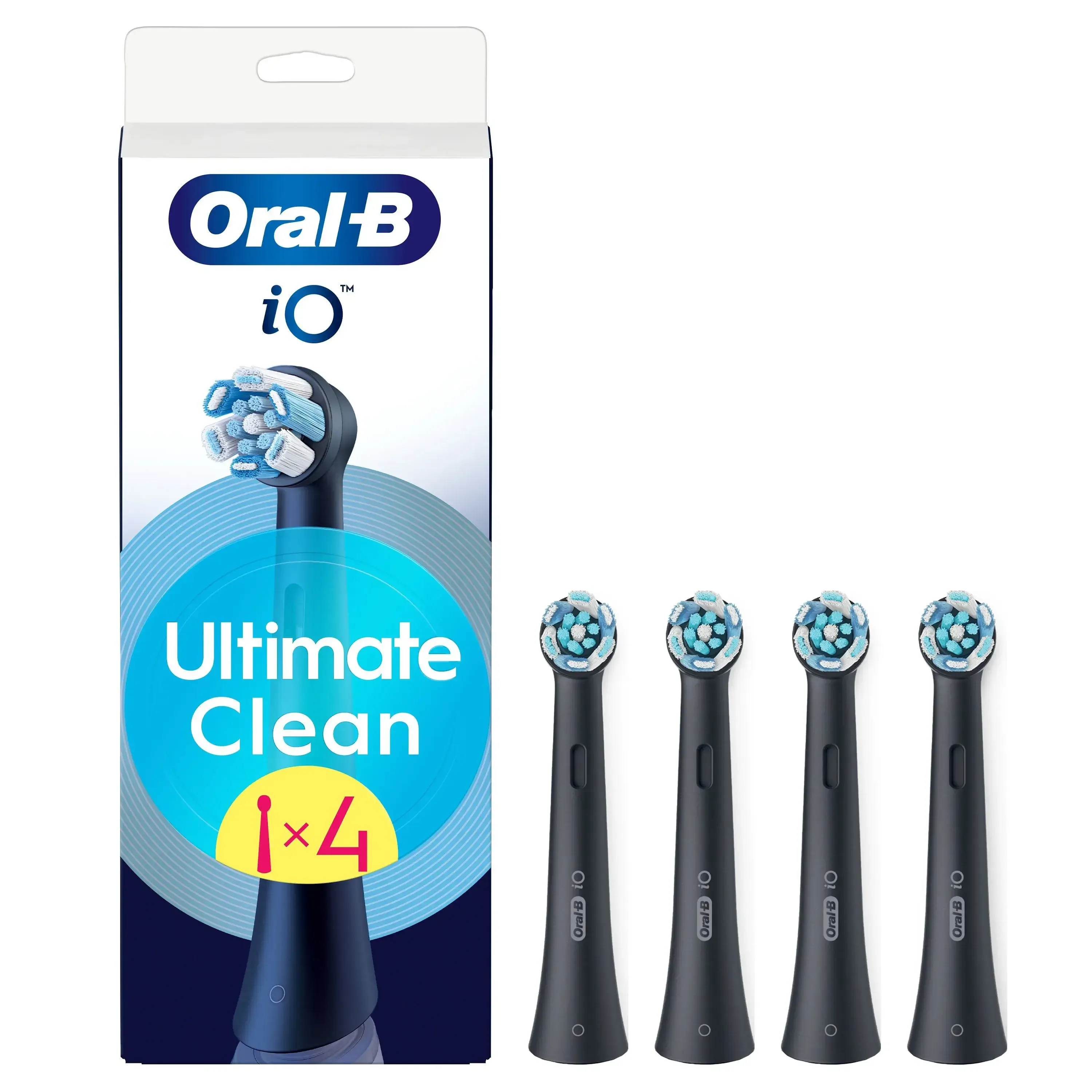
Less saliva means plaque and food particles are not cleared away as effectively, increasing the risk of tooth decay and gum disease. Brushing twice daily with a high-quality electric toothbrush, such as the Oral-B iO Electric Toothbrush Series, helps remove plaque while remaining gentle on gums. Combined with regular hydration, fluoride toothpaste, and an alcohol-free mouthwash, good oral care can improve comfort and support overall oral health.
To compare toothbrush technologies using the highest level of scientific evidence, researchers analyzed 19 randomized clinical trials involving more than 1,300 participants. Oscillation rotation, the same technology used in Oral-B iO ranked highest for both plaque reduction and gingivitis reduction among the technologies evaluated. Based on these findings, the authors concluded that it may be considered a preferred choice for improving oral hygiene.
Summary
A dehydrated tongue is usually caused by reduced saliva or dehydration rather than a problem with the tongue itself. Drinking enough water, limiting caffeine and alcohol, and maintaining a consistent oral care routine will improve symptoms for most people. If dryness persists or is accompanied by pain, swelling, or changes in colour, seek advice from a dentist or doctor.
FAQs
Is a dehydrated tongue the same thing as a dry mouth?
A dehydrated tongue is often part of dry mouth, but they are not exactly the same. Dry mouth refers to reduced saliva in the whole mouth, while a dehydrated tongue focuses on how the tongue itself feels and looks. Many people experience both at the same time.
What’s the difference between a white tongue and a dehydrated tongue?
A white tongue usually describes a coating or change in colour on the surface, which can come from debris, bacteria, or certain conditions. A dehydrated tongue relates more to dryness, texture, and comfort. You can have both together, so it is important to keep good oral hygiene and seek advice if changes persist.
Are there foods or drinks that help rehydrate the tongue?
Yes, plain water is the most helpful drink, and water-rich foods like fruit, vegetables, and soups can support overall hydration. Avoiding very salty or spicy meals when your tongue is already sore can also make it feel more comfortable while it recovers.