Introduction
White spots on gums are pale or white patches, dots, or sore areas on the gum tissue that can appear after irritation, infection, or other oral health conditions. White spots on gums are often temporary, but persistent or changing patches need assessment to rule out infections or more serious disease. Seek dental or medical advice if white spots last longer than two weeks or come with pain, bleeding, or difficulty eating, as persistent oral changes should be assessed.
When are White Spots Benign?
White spots on gums are usually benign when they have a clear cause, are mild, and improve with good oral hygiene within a couple of weeks. Benign white spots are often caused by temporary inflammation or surface changes rather than a serious disease, and they commonly settle as the gum tissue heals.
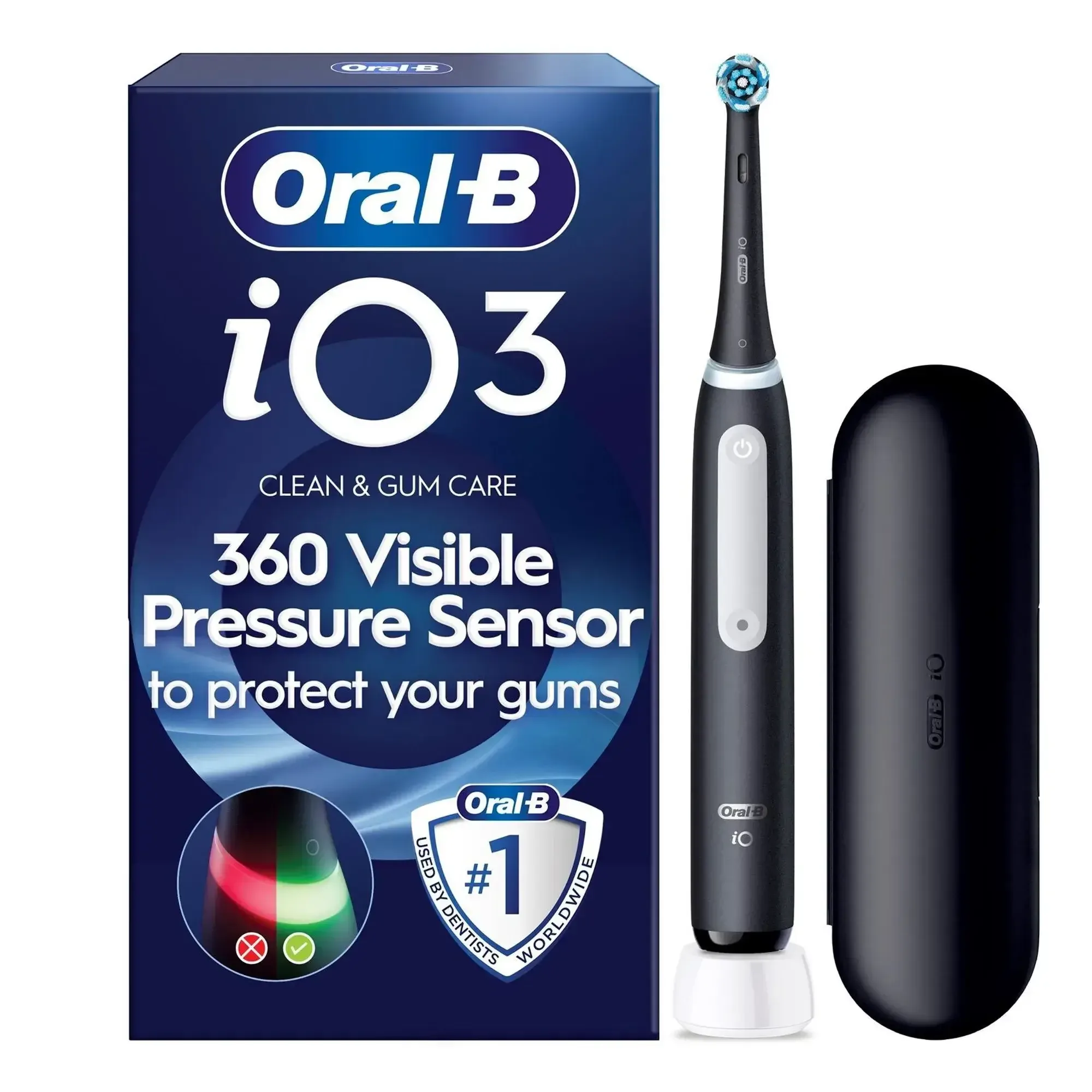
Daily use of the Oral-B iO Electric Toothbrush Series and Oral-B toothpastes can support good oral hygiene.
To compare toothbrush technologies using the highest level of scientific evidence, researchers analyzed 19 randomized clinical trials involving more than 1,300 participants. Oscillation rotation, the same technology used in Oral-B iO ranked highest for both plaque reduction and gingivitis reduction among the technologies evaluated. Based on these findings, the authors concluded that it may be considered a preferred choice for improving oral hygiene.
Benign situations can include:
Canker sores (aphthous ulcers)
Minor irritation or trauma (e.g., vigorous brushing, braces, sharp foods)
Trapped food debris
When to Worry about White Spots on Gums?
White spots on gums are more concerning when they persist, spread, recur, or form a fixed patch that does not rub off, because they can signal an infection or a potentially serious oral lesion according to BMC Oral Health.
Potential causes that warrant attention include:
Oral thrush: creamy white patches that may wipe off, often linked to antibiotics, inhaled steroids, dry mouth, or immune problems.
Leukoplakia: a persistent white patch that cannot usually be scraped off.
Oral cancer: a non-healing ulcer or persistent red/white patch.
When to Consult a Doctor for White Spots on Gums?
Consult a dentist, GP, or NHS if white spots on your gums do not improve within two weeks or appear with worrying symptoms. A clinician can assess infection or persistent lesions and advise on treatment or tests.
Seek help if white spots:
Persist more than two weeks
Cause pain or a burning sensation
Bleed easily
Grow or change appearance
Occur with fever, swollen glands, or difficulty speaking or eating
FAQs
Is it normal to see white spots after a dental procedure?
Yes, white spots after a dental procedure can be normal if they come from minor trauma, pressure, or irritation from instruments or a cheek retractor. The area should gradually improve over several days. If the patch worsens, becomes very painful, or lasts longer than two weeks, seek dental advice.
Could white spots on gums be a sign of gum disease?
White spots are not a classic direct symptom of gum disease, which more commonly causes bleeding, swelling, and redness. However, white areas can occur alongside poor oral hygiene, plaque build-up, or inflammation, which can increase gum disease risk. A dentist can check for gingivitis or periodontitis and advise on cleaning and home care.
What are the various treatment options for white spots on gums?
Treatment depends on the cause: antifungal medicine may be used for oral thrush, while antibiotics are used only when a bacterial infection is diagnosed by a clinician. Suspicious or persistent lesions may need specialist assessment and sometimes biopsy or surgical excision, as recommended in clinical reviews of oral white lesions. Good daily oral hygiene supports prevention and healing.