Quick answer:
What are itchy gums?
Itchy gums are a tingling, irritating, or crawling sensation in the gum tissue, often caused by plaque build-up, mild inflammation, allergies, dry mouth, or infections. While short‑lived itching is usually harmless, symptoms that persist or come with pain, swelling, or bleeding can signal an underlying gum problem, and seeing a dentist is recommended.
Itchy gums are commonly caused by irritation, plaque build-up, allergies, or early gum disease. While they are often temporary, persistent itching should not be ignored as it may signal an underlying oral health problem. This article explains causes of itchy gums, symptoms, treatment, prevention, and when to seek professional advice.
What are itchy gums?
Itchy gums are an uncomfortable tingling or irritating sensation affecting the gum tissue around your teeth. They may occur across the gums or between teeth and are commonly linked to plaque build-up, allergies, gum irritation, or early gum disease. While occasional itching is not usually serious, symptoms that persist should be assessed by a dental professional.
What are the causes of itchy gums?
Causes for Itchy gums range from temporary irritation to underlying dental conditions such as plaque build-up and gum disease. Identifying the cause is the first step towards choosing the most appropriate treatment for itchy gums.
Allergic reactions
Allergic reactions can make gums feel itchy, swollen, or tingly after exposure to certain foods, toothpaste ingredients, mouthwash, or dental materials. If symptoms begin soon after using a new product, an allergy may be the cause.
Gingivitis and periodontal disease
Gingivitis is the early stage of gum disease caused by plaque build-up. It can lead to red, swollen, bleeding, and itchy gums. According to the International Journal of Oral and Dental Health, early treatment and good oral hygiene can usually reverse the condition.
Dry mouth
Dry mouth is a condition where your mouth does not produce enough saliva to keep tissues moist and comfortable. Reduced saliva can leave gums dry, irritated, and itchy while allowing plaque to build up more easily.
Oral thrush
Oral thrush is a fungal infection (overgrowth of yeast, usually Candida) that may cause itchy or sore gums alongside white patches. A study published in the International Journal of Oral and Dental Health on oral candidiasis highlights itching and discomfort as typical symptoms, so any persistent itch with white patches should be checked by a professional and managed promptly.
Trauma or injury
Trauma or injury can irritate gum tissue and lead to localised itching as it heals. This might come from brushing too hard, using a toothbrush with very stiff bristles, catching your gum with a sharp piece of food, or ill-fitting dental appliances. At first, you might feel soreness or sharp discomfort, but as the area starts to recover it can become itchy, similar to the way skin sometimes feels while healing.
Hormonal fluctuations
Hormonal changes during puberty, pregnancy, menstruation, or menopause can make gums more sensitive, swollen, or itchy. These changes can make gums more sensitive and reactive, which may lead to itching.
Teeth grinding
Teeth grinding can contribute to gum irritation and itching by placing extra pressure on teeth and surrounding tissues. Habitual grinding or clenching, especially at night, can strain the ligaments around the teeth and cause sensitivity in the gums.
What are the common symptoms of itchy gums?
Itchy gums are often accompanied by other signs that can help identify the underlying cause. People often notice more than one symptom at the same time. Typical features may include:
Itching or tingling in one area or across the gums
Redness or mild swelling of the gumline
Itchy gums between teeth where food gets trapped
Tenderness when brushing or flossing
Bleeding when you brush or clean between teeth
Bad breath or a bad taste in the mouth
A feeling that you want to rub or scratch your gums with your tongue or fingers
If your gums look or feel very different from normal, it is worth paying attention, especially if the changes persist.
When should I see a medical professional for itchy gums?
You should see a dentist or healthcare professional if itchy gums are severe, persistent, or occur alongside other symptoms such as swelling, bleeding, or pain.
You should arrange an appointment if you notice any of the following:
Itching lasting more than one to two weeks
Swollen, bleeding, or painful gums
White patches, sores, or unusual changes
Loose teeth or difficulty eating comfortably
Early professional care can help prevent more serious gum problems.
How to relieve itchy gums?
Relieving itchy gums usually involves reducing irritation, improving everyday cleaning, and treating any underlying problems. For many people, simple home steps are enough to calm mild itching. However, if the cause is infection or ongoing inflammation, you may need treatment for itchy gums from a dental professional for long-term relief.
Maintaining healthy gums is an important part of overall oral health. Researchers conducted a network meta-analysis using data from 19 randomized clinical trials to compare toothbrush technologies. Oscillation rotation, the cleaning technology used in Oral-B iO, emerged as the highest-ranked technology for gingivitis reduction. These results indicate it can be an effective option for people looking to improve gum health.
At-home remedies for itchy gums
Mild itchy gums can often improve with simple home care measures. These steps can help many people feel more comfortable:
Brush twice a day using a soft-bristled or gentle electric toothbrush
Clean between teeth daily with floss, interdental brushes, or water flossers
Rinse with warm saltwater to calm irritation
Avoid very spicy, acidic, or hard foods while your gums feel sore or itchy
Drink enough water to support saliva flow and reduce dry mouth
If you are wondering how you can stop itchy gums at home, these supportive habits are a useful first step. However, if itchiness keeps returning, it is important to seek advice so you can address the root cause rather than just the symptoms.
Professional dental treatments
Your dentist may recommend professional cleaning to remove plaque and tartar, personalised brushing advice, medicated mouthwashes if needed, or treatment for gum disease. They can also adjust dental appliances that may be irritating your gums. Combining professional care with good daily oral hygiene provides the best long-term results.
Professional cleaning to remove plaque and hardened deposits below and above the gumline
Tailored advice on brushing and cleaning between teeth to reduce itchy gums
Prescription mouthwashes or gels if infection or severe inflammation is present
Treatment of gingivitis or more advanced gum problems, which may include deeper cleaning
Check and adjustment of dental appliances or fillings that might be irritating the gums
Evidence-based gum care guidelines show that combining professional cleaning with an effective home routine significantly improves gum health and reduces symptoms like itching, sensitivity, and bleeding over time.
A strong oral care routine with Oral-B can help prevent itchy gums
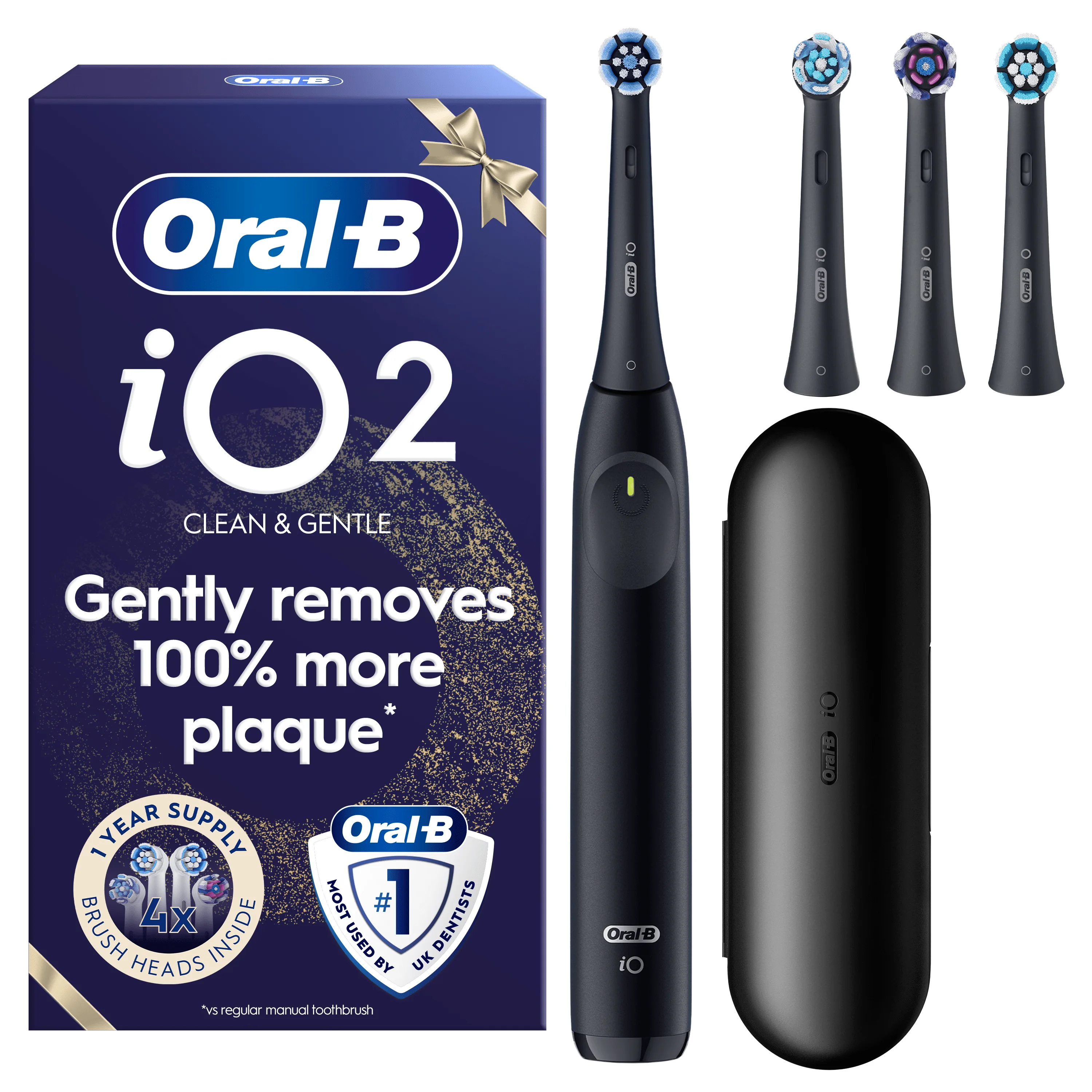
A consistent oral care routine helps remove plaque, protect your gums, and lower the risk of itchy gums returning. TheOral-B iO Electric Toothbrush Series is designed to deliver a thorough yet gentle clean that supports healthier gums. Its advanced technology helps remove more plaque along the gumline compared to a manual brush, while pressure control features can remind you to brush more softly. This is particularly helpful if your gums feel sensitive or if you tend to brush too hard.
Using a high-quality electric toothbrush, cleaning between teeth daily, and visiting your dental team regularly can all help reduce the chance of itchy gums becoming a recurring concern.
Summary
Most cases of itchy gums improve once the underlying cause is addressed. Good daily oral hygiene, regular dental check-ups, and early treatment when symptoms persist can help keep your gums healthy and comfortable. Choosing an advanced electric toothbrush, such as the Oral-B iO Electric Toothbrush Series, can help you clean more effectively and more comfortably along the gumline. If you are unsure about the cause of your symptoms or how to manage them, speak to your dentist so you can receive personalised guidance and keep your gums in the best possible condition.
FAQs
Why do my gums itch after eating certain foods?
Gums may itch after eating if you are sensitive or allergic to particular foods or flavourings, or if small particles get trapped between teeth and irritate the gumline. If symptoms are frequent or severe, keep a food diary and discuss this with your dentist or doctor.
Can stress contribute to itchy gums?
Yes, stress can indirectly contribute to itchy gums by affecting your immune system, increasing teeth grinding, and making it harder to maintain good daily habits. People under stress may skip brushing or snack more often, which can lead to more plaque and irritated gums.
Can brushing too hard cause itchy gums?
Brushing too hard can irritate and damage gum tissue, which may cause soreness at first and then itching as the area heals. Using a soft-bristled or gentle electric toothbrush and light pressure helps protect gums while still cleaning effectively around the teeth.